Маяк Тангассери
Этот возвышающийся страж веками наблюдал за побережьем Коллама, но его фундамент хранит тайну времен, когда европейские державы боролись за контроль.
Полная история открывается в туре
 Arunvrparavur / CC BY-SA 4.0, via Wikimedia Commons
Самостоятельная аудиопрогулка по Коллам — GPS-маршрут, офлайн-воспроизведение, увлекательное повествование на 32 языках.
“Где древние торговые пути встречаются со спокойными заводями.”
Не открытки. Истории, которые не знают даже местные жители — шепотом в вашем ухе, прямо там, где они произошли.
Этот возвышающийся страж веками наблюдал за побережьем Коллама, но его фундамент хранит тайну времен, когда европейские державы боролись за контроль.
Этот безмятежный кластер островков, где встречаются две реки, предлагает взглянуть на образ жизни, который кажется застывшим во времени, но само его существование является свидетельством необычного геологического явления.
Этот храм является значимым духовным местом, особенно для последователей Господа Ганеши, однако его происхождение связано с удивительным историческим событием, которое сформировало культурный ландшафт региона.
Откройте для себя каждый секрет Коллам
Каждый адрес, каждое полное раскрытие — в вашем ухе, прямо там, где это произошло.
Вы выбираете остановки. Вы гуляете. Голос раскрывает то, что упускают другие.


Ваш самостоятельный аудиотур по Коллам готов — выберите свои достопримечательности, выберите свой язык и начните в момент прибытия.
КупитьВ Lume встроен гид дополненной реальности. Поднимите телефон: камера показывает улицу перед вами, а поверх реального изображения светится стрелка, всегда указывающая на вашу следующую остановку — не нужно разбираться с картой и сворачивать не туда. Как и всё в Lume, это работает полностью офлайн.
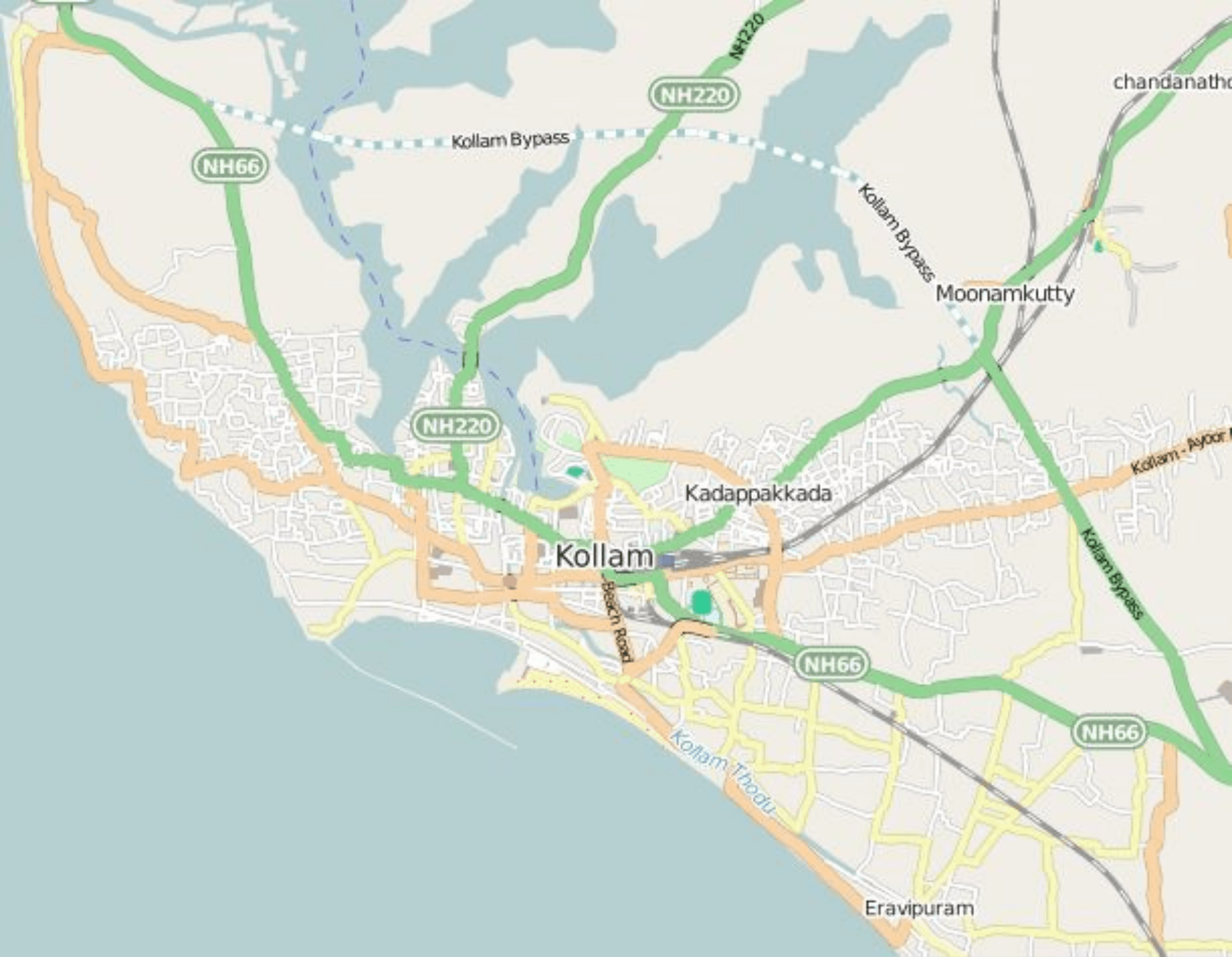
Коллам, также известный как Килон, — древний портовый город на Малабарском побережье штата Керала, Индия. Это место, где ритмы жизни на заводях сочетаются с энергией исторического торгового центра. Расположенный на берегу озера Аштамуди, второго по величине озера в Керале, Коллам служит воротами к знаменитым заводям региона.
Этот прибрежный город на протяжении тысячелетий был важным морским торговым центром, с свидетельствами заселения, относящимися к мегалитическому периоду. Сегодня Коллам известен своей промышленностью по переработке кешью, что принесло ему прозвище «Столица кешью мира», наряду с производством джута и растущим сектором туризма. Он предлагает сочетание природной красоты, культурного наследия и традиционных деревенских впечатлений, предоставляя подлинный взгляд на Кералу за пределами более посещаемых туристических мест.
История Коллама уходит корнями в глубокую древность, с упоминаниями в римских и финикийских источниках первого века н.э. Известный как Килон или Десинганад, он был процветающим портом во времена династии Пандья (ок. III века до н.э. – XII век), а позже стал столицей независимого Венаду или Королевства Килон, основанного около 825 г. н.э. Этот период также ознаменовал начало эры малаялам, или Коллаваршам, в 825 г. н.э.
В XIII веке Коллам считался одним из четырех ранних торговых центров мировой морской торговли, наряду с Александрией и Каиром в Египте, Цюаньчжоу в Китае и Малаккой на Малайском архипелаге. Купцы из Аравии, Китая и Европы часто посещали его порт, торгуя специями, такими как перец, корица, имбирь и кардамон. Стратегическое расположение города и естественная гавань в Ниндакаре способствовали обширным коммерческим сделкам с иностранными державами.
Коллам также испытал колониальное влияние: португальцы обосновались здесь в 1503 году, за ними последовали голландцы в 1661 году, которые победили португальцев. Голландское господство продолжалось до тех пор, пока они не были побеждены правителем Траванкора Мартандой Вармой в 1741 году. Коллам даже служил столицей королевства Траванкор в течение некоторого периода. Прошлое города очевидно в его архитектурных остатках, включая маяк Тангассери и сооружения, отражающие португальское, голландское и британское влияние.
Начните свое исследование с безмятежного круиза на хаусботе по озеру Аштамуди, водоему в форме осьминога, известному своими спокойными заводями и берегами, усаженными кокосовыми пальмами. Это путешествие предлагает взглянуть на местную деревенскую жизнь и традиции рыболовства. Для более уединенного знакомства с заводями посетите остров Мунро, группу островков, где озеро Аштамуди и река Каллада встречаются. Здесь вы можете проплыть по узким каналам на каяке или традиционной лодке, наблюдая за плетением джута и местной птицей.
Для прикосновения к мифологии и приключениям отправляйтесь в Jatayu Earth's Centre, где находится самая большая в мире скульптура птицы, основанная на легенде о Джатаю из Рамаяны. Маяк и пляж Тангассери предлагают обширные виды на побережье и возможность увидеть здания португальской эпохи. Любители природы могут посетить водопады Паларуви, особенно в сезон муссонов, которые, как полагают, обладают лечебными свойствами. Пляж Коллам с его золотым песком идеально подходит для вечерних прогулок.
Среди других примечательных мест — подвесной мост Пуналур, чудо британской инженерии, построенное в 1877 году, и полицейский музей Сардара Валлабхай Пателя, где представлены старинные радиоприемники и униформа. Для более глубокого погружения в местную культуру исследуйте оживленный рынок Чиннакада, известный традиционными керальскими продуктами, специями и текстилем.
Идеальное время для посещения Коллама — прохладные месяцы с октября по март. Температура в этот период колеблется примерно от 20°C до 30°C, что обеспечивает приятную погоду для осмотра достопримечательностей, круизов по заводям и пляжного отдыха. Сезон муссонов с июня по сентябрь превращает Коллам в пышный зеленый пейзаж, что привлекает любителей природы, хотя некоторые виды активного отдыха могут быть ограничены из-за сильных дождей. Лето, с марта по июнь, обычно жаркое и влажное, и путешественники его часто избегают.
Коллам в целом считается безопасным для путешественников, но всегда разумно соблюдать основные меры предосторожности, такие как обеспечение безопасности ценных вещей и избегание плохо освещенных мест ночью. Легкая, дышащая одежда из натуральных тканей рекомендуется из-за тропического климата. При посещении храмов и религиозных мест рекомендуется скромная одежда, закрывающая плечи и колени.
Для местного передвижения авторикши удобны и недороги, а такси и приложения для вызова такси доступны для более дальних поездок. Путешествие по заводям на общественных паромах, частных моторных лодках или традиционных хаусботах — это квинтэссенция опыта Коллама. Что касается еды, пробуйте местные деликатесы в авторитетных ресторанах и у продавцов, чтобы избежать пищевых отравлений. Рекомендуется пить бутилированную воду. Основным языком является малаялам, но английский широко распространен в районах, часто посещаемых путешественниками.
Коллам: корейский, китайский, иврит и ещё 29 языков — каждую остановку озвучивает носитель языка. Самый широкий выбор языков среди аудиоэкскурсий без гида.
Доступные языки: