Lyutov Huis
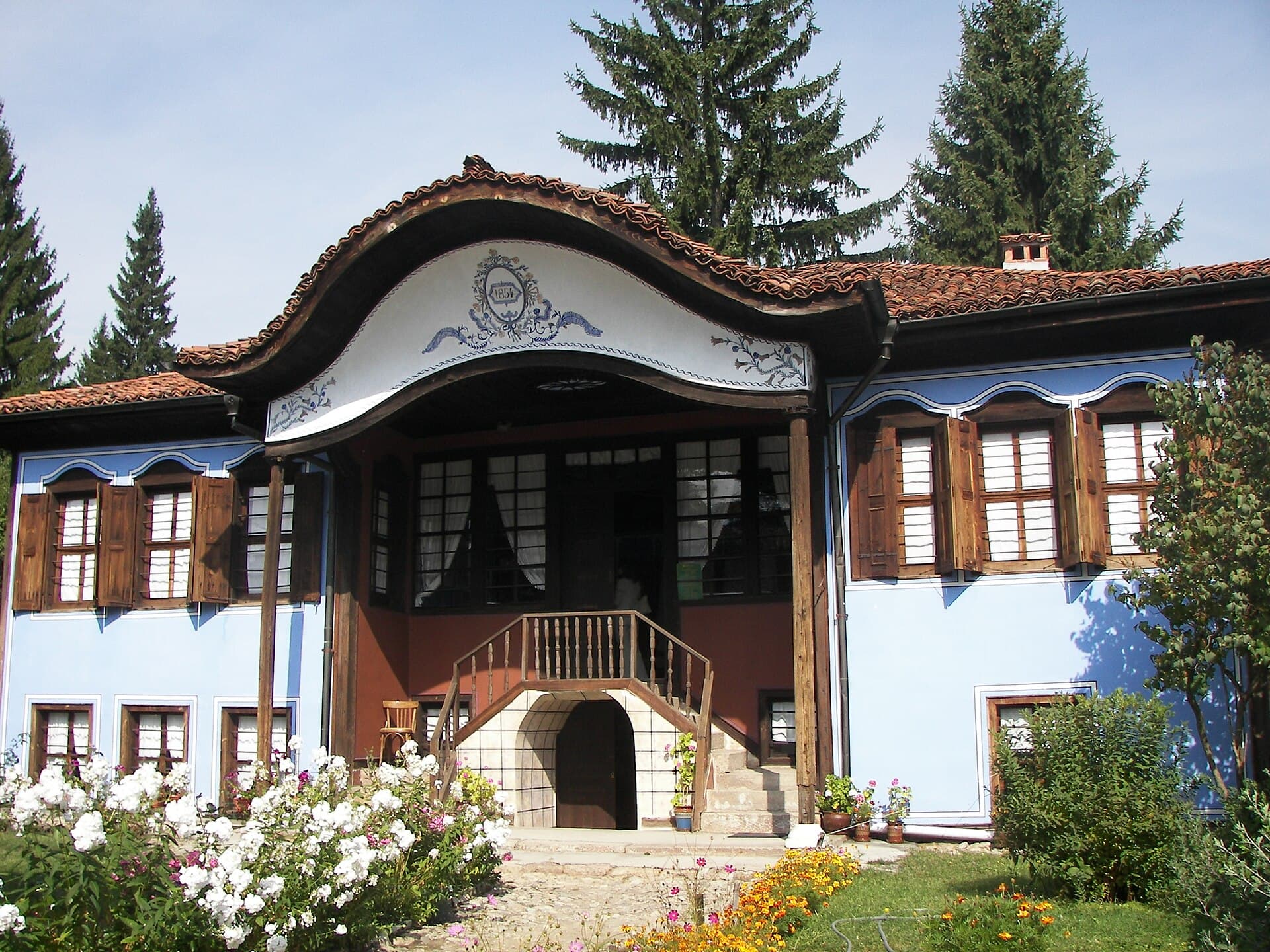
Het Lyutov Huis, een etnografisch museum, toont de weelderige levensstijl van een welvarende koopman. Bekijk de sierlijke plafonds goed...
Volledig verhaal ontgrendeld in de tour
 www.vacacionesbulgaria.com / CC BY-SA 4.0, via Wikimedia Commons
Zelfgeleide audiowandeling door Koprivshtitsa — GPS-route, offline afspelen, meeslepende vertelling in 32 talen.
“Waar 19e-eeuwse huizen, geschilderd in levendige tinten, verhalen van verzet en vernieuwing vertellen.”
Niet de ansichtkaarten. De verhalen die zelfs locals niet kennen — gefluisterd in je oor, precies waar ze gebeurden.
Het Lyutov Huis, een etnografisch museum, toont de weelderige levensstijl van een welvarende koopman. Bekijk de sierlijke plafonds goed...
Deze stenen brug biedt een rustige doorgang over de Topolnitsa-rivier, maar markeert een cruciaal moment in de Bulgaarse geschiedenis.
Todor Kableshkov was een cruciale revolutionaire figuur, maar zijn wetenschappelijke bezigheden reikten verder dan het slagveld.
Ontdek elk geheim van Koprivshtitsa
Elk adres, elke onthulling volledig — in je oor, precies waar het gebeurde.
Jij kiest je stops. Jij wandelt. De stem onthult wat de anderen missen.
Je zelfgeleide audiotour van Koprivshtitsa is klaar — kies je bezienswaardigheden, kies je taal en start zodra je aankomt.
KopenLume heeft een ingebouwde augmented-reality-gids. Houd je telefoon omhoog: de camera toont de straat voor je, met een oplichtende pijl over het echte beeld die altijd naar je volgende stop wijst — geen kaart om uit te puzzelen, geen verkeerde afslagen. Zoals alles in Lume werkt het volledig offline.
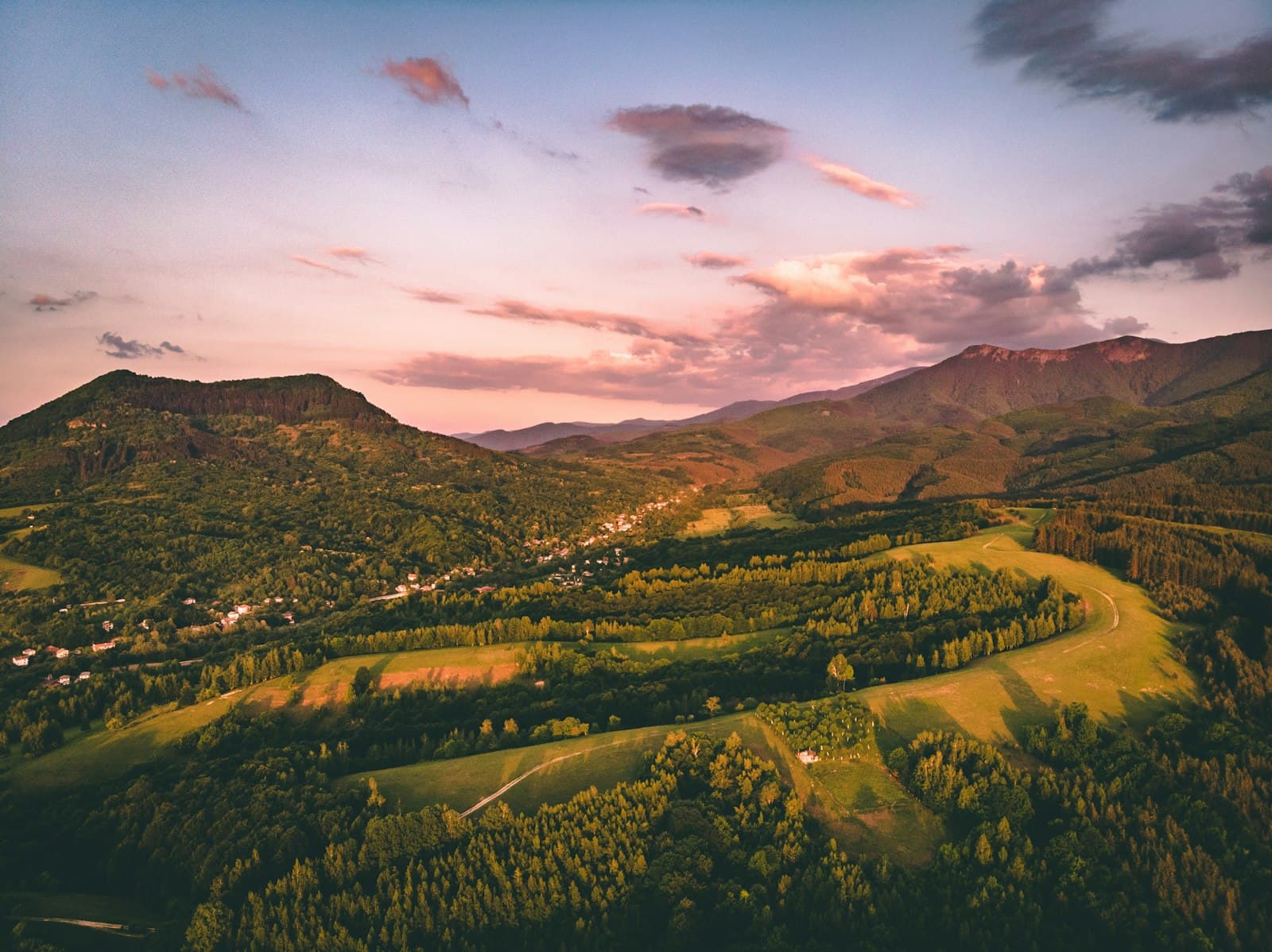
Koprivshtitsa, een historische stad in centraal Bulgarije, voelt als een levend museum, dat de geest van de 19e-eeuwse Bulgaarse Nationale Wedergeboorte bewaart. Gelegen in het Sredna Gora-gebergte, ongeveer 110 kilometer ten oosten van Sofia, suggereert de naam, afgeleid van het Bulgaarse woord voor 'brandnetels', het ruige terrein dat ooit toevlucht bood. De stad staat bekend om zijn authentieke Bulgaarse architectuur, met bijna 400 gerestaureerde gebouwen uit de Wedergeboorteperiode.
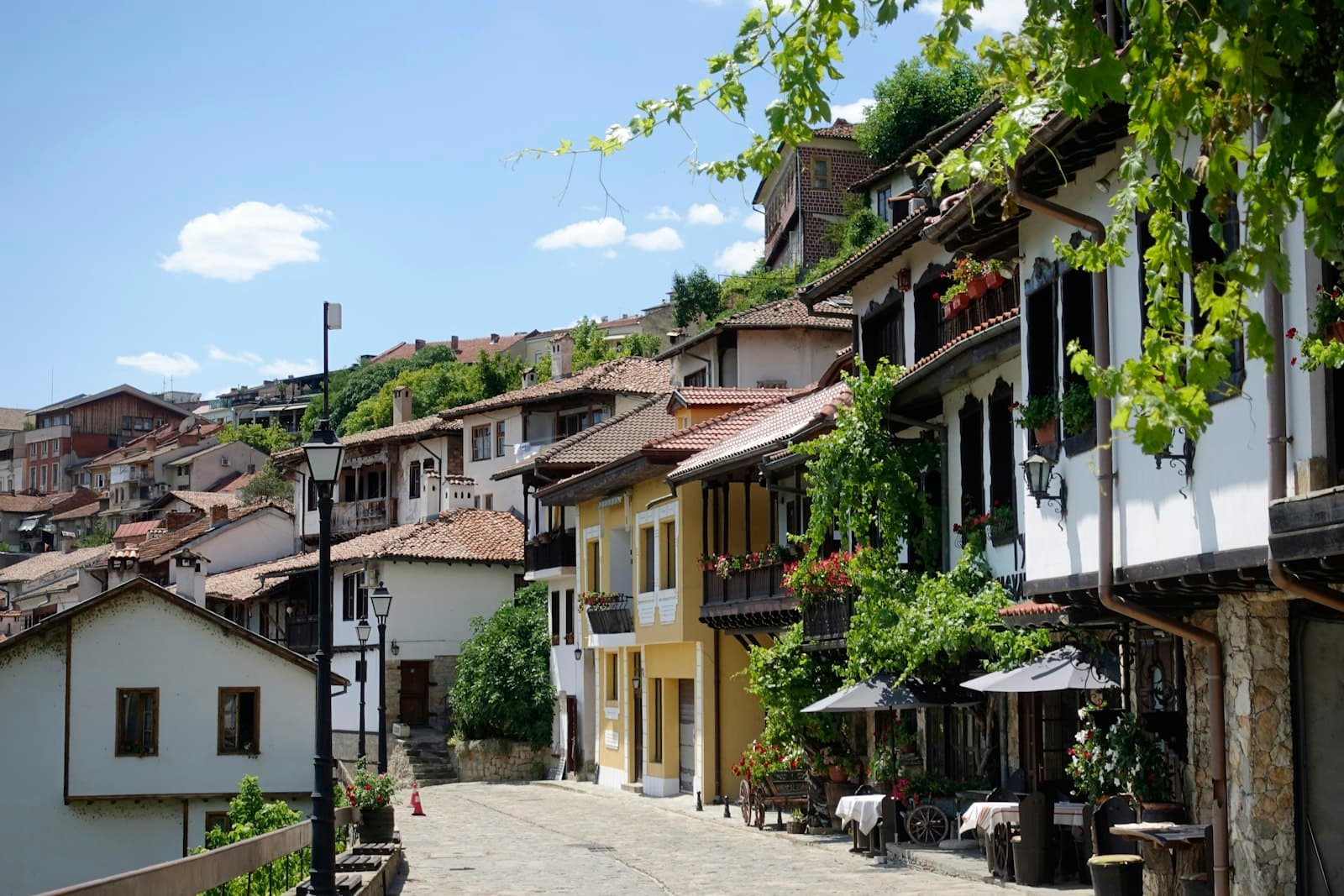
Wandelend door de oude lanen van Koprivshtitsa, komt u felgekleurde huizen tegen met ingewikkelde houten balkons, stevige stenen muren en binnenplaatsen vol bloemen. Deze kleurrijke gevels en rijkelijk versierde interieurs bieden een kijkje in het leven van welvarende kooplieden en ambachtslieden die hebben bijgedragen aan de groei van de stad. Naast zijn prachtige uiterlijk, heeft Koprivshtitsa een diepe historische betekenis als centrum van revolutionair denken en het startpunt van de Aprilopstand van 1876 tegen het Ottomaanse bewind, een cruciale gebeurtenis die leidde tot de Bulgaarse onafhankelijkheid.
## Oorsprong en Vroege Ontwikkeling De oorsprong van Koprivshtitsa is verweven met legenden, waarbij de meeste verhalen de stichting plaatsen aan het einde van het Tweede Bulgaarse Rijk, rond de 14e eeuw. Eén populaire theorie suggereert dat het werd gesticht door Bulgaarse aristocraten die op de vlucht waren voor Veliko Tarnovo na de Ottomaanse invasie. Een andere legende spreekt van een familie herders, of 'jupa', die zich in het gebied vestigde, wat aanleiding gaf tot een van de stadsdelen die nog steeds Jupata heet. Eeuwenlang stelde de strategische ligging in het Sredna Gora-gebergte, tussen Sofia en Plovdiv, de stad in staat om zich te ontwikkelen tot een bloeiend commercieel centrum, zelfs onder Ottomaans bewind.
## De Bulgaarse Nationale Wedergeboorte De 18e en 19e eeuw markeerden een bepalende periode voor Koprivshtitsa, aangezien het een brandpunt werd van de Bulgaarse Nationale Wedergeboorte. Deze periode zag een krachtige ontwaking van de Bulgaarse culturele en politieke identiteit. Welvarende kooplieden en ambachtslieden, die profiteerden van de handel, investeerden in de infrastructuur van de stad en bouwden de kenmerkende, rijkelijk versierde huizen die er vandaag de dag staan. Deze huizen, gekenmerkt door hun levendige kleuren, uitstekende erkers en gebeeldhouwde houten elementen, zijn schoolvoorbeelden van de Bulgaarse Wedergeboorte-architectuur.
## De Aprilopstand van 1876 Het meest significante historische moment van Koprivshtitsa kwam in april 1876, toen het het epicentrum werd van de Aprilopstand tegen het Ottomaanse Rijk. De opstand begon met een symbolisch schot afgevuurd door revolutionair Georgi Benkovski vanaf de Kalachev-brug, een oproep tot vrijheid die door heel Bulgarije weerklonk. Hoewel de opstand bruut werd onderdrukt, droeg de internationale verontwaardiging over de Ottomaanse acties uiteindelijk bij aan de Russisch-Turkse Oorlog, die leidde tot de uiteindelijke bevrijding van Bulgarije in 1878 en volledige onafhankelijkheid in 1908. Vandaag de dag is Koprivshtitsa een beschermd architectonisch en historisch monument, met meer dan 380 zorgvuldig gerestaureerde gebouwen die getuigen van zijn verleden.
Het verkennen van Koprivshtitsa kan het beste te voet, wandelend door de oude lanen en de unieke architectuur ontdekkend. De stad is in wezen een openluchtmuseum, waarbij veel van de 19e-eeuwse huizen zijn omgebouwd tot musea. Een gecombineerd ticket kan worden gekocht om verschillende van deze huis-musea te bezoeken.
Belangrijke bezienswaardigheden zijn: Oslekov Huis: Een herenhuis in barokstijl gebouwd in 1856, dat de weelderige levensstijl van een welvarende koopman toont met zijn rijkelijk versierde muren en zuilen. Georgi Benkovski Huis: Gewijd aan een van de leiders van de Aprilopstand. Todor Kableshkov Herdenkingshuis: De geboorteplaats van een andere cruciale figuur in de strijd voor onafhankelijkheid, bekend om zijn "Bloedbrief" die de opstand ontketende. Lyuben Karavelov Huis: Bestaande uit drie gebouwen, waaronder een winterhuis, zomerhuis en een gebouw voor het familiebedrijf, ter ere van de invloedrijke schrijver en revolutionair. Dimcho Debelyanov Huis: Het prachtige blauwe huis van de geliefde Bulgaarse dichter. Lyutov Huis: Een etnografisch museum met traditionele huishoudelijke artikelen en ambachtelijk werk, met opmerkelijke muurschilderingen op de plafonds. Kalachev Brug (De Brug van het Eerste Schot): Een stenen brug van historisch belang als de plek waar de Aprilopstand begon. Georgi Benkovski Monument: Beklim dit monument voor een weids uitzicht op de rood-getegelde daken van de stad tegen het Sredna Gora-gebergte.
Koprivshtitsa biedt het hele jaar door plezier, maar de meest aangename tijden om te bezoeken zijn de lente (april-juni) en vroege herfst (september-oktober). Gedurende deze maanden is het weer mild, staan de tuinen in bloei en zijn de omliggende heuvels weelderig groen of versierd met gouden bladeren. De zomer biedt verfrissende koele temperaturen vergeleken met de laaglanden, zelden boven de 30°C. Het Nationaal Folklore Festival, een belangrijk evenement ter viering van Bulgaarse volksmuziek, dans en ambachten, vindt om de vijf jaar plaats half augustus, met de volgende editie gepland voor 2025.
Koprivshtitsa ligt op ongeveer 110 km van Sofia en 90 km van Plovdiv, waardoor het geschikt is voor een dagtocht of een langer verblijf.
Vervoer: Auto: De meest handige optie, duurt ongeveer 1,5 tot 2 uur vanuit Sofia via Route 6 (Sub-Balkan Road) of Plovdiv. Parkeren is mogelijk aan de ingang van de stad. Trein: Regelmatige treinen rijden van Sofia of Plovdiv naar het station van Koprivshtitsa, gelegen op ongeveer 8 km van het stadscentrum. Minibusjes zijn getimed om de meeste trein aankomsten en vertrekken op te vangen, en bieden een korte transfer naar de oude stad. * Bus: Bussen zijn beschikbaar vanaf het Centraal Busstation van Sofia en het Filipovo Noord Busstation van Plovdiv, hoewel de diensten minder frequent kunnen zijn.
Verplaatsing: De stad kan het beste te voet worden verkend vanwege de oude lanen en compacte omvang. Draag comfortabele schoenen.
Taal en Valuta: Bulgaars is de officiële taal en de valuta is de Bulgaarse Lev (BGN). Engels wordt gesproken in toeristische gebieden.
Eten: Proef traditionele Bulgaarse gerechten, zoals banitsa (kaas- en eiertaart) en shopska salade. Restaurants zoals Pod Starata Krusha ('Onder de Oude Perenboom') en Dyado Liben bieden lokale specialiteiten.
Koprivshtitsa — Koreaans, Chinees, Hebreeuws en nog 29 talen, elke stop verteld door een moedertaalspreker. Het grootste taalaanbod van alle zelfgeleide audiotours.
Beschikbaar in: