Платан Гиппократа
Говорят, под этим venerable деревом отец медицины учил своих учеников. Но присмотритесь, и вы обнаружите удивительную правду о его возрасте.
Полная история открывается в туре
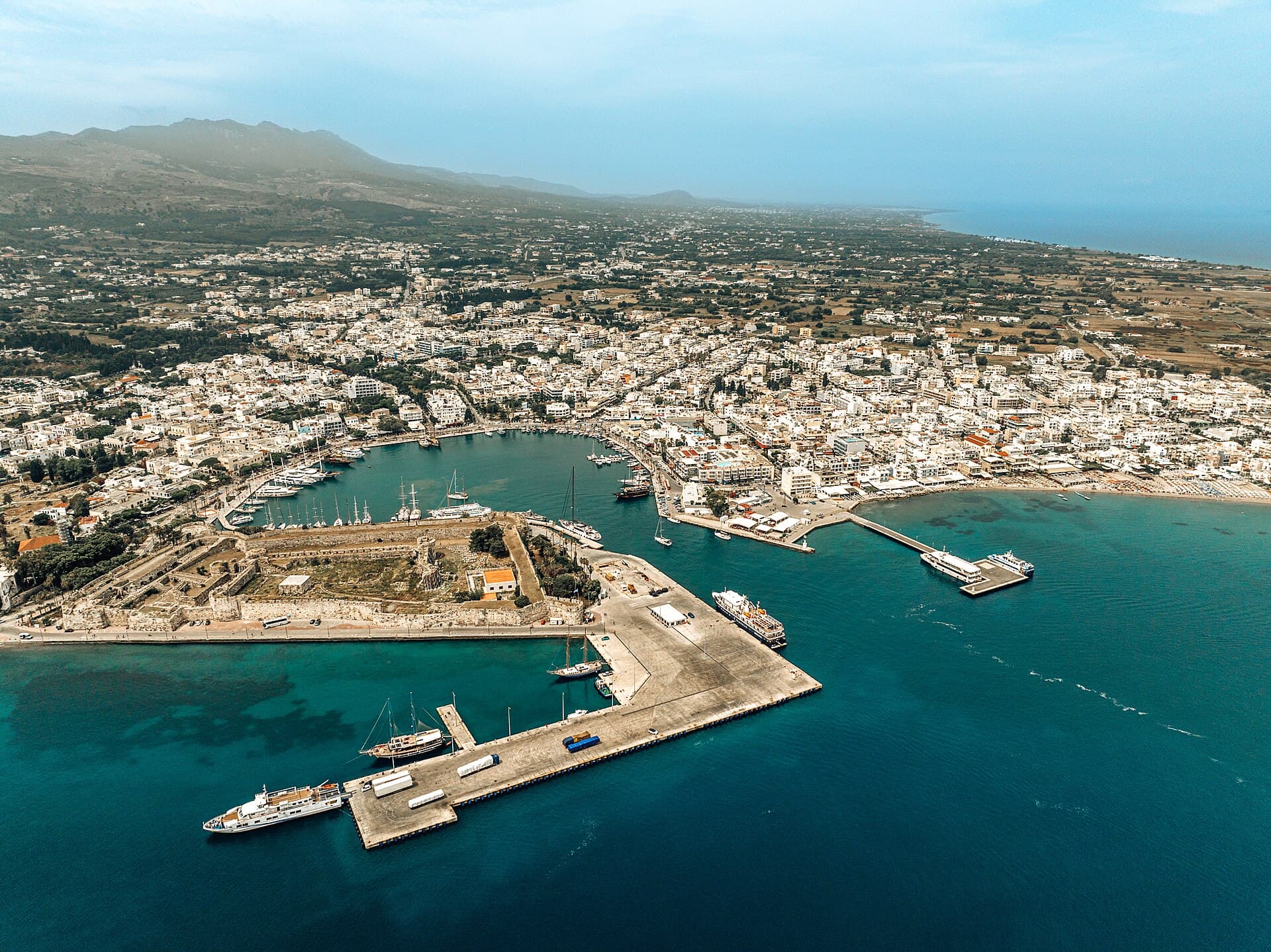 Arne Müseler / CC BY-SA 3.0 de, via Wikimedia Commons
Самостоятельная аудиопрогулка по Кос — GPS-маршрут, офлайн-воспроизведение, увлекательное повествование на 32 языках.
“Где древняя история дышит под средиземноморским солнцем.”
Не открытки. Истории, которые не знают даже местные жители — шепотом в вашем ухе, прямо там, где они произошли.
Говорят, под этим venerable деревом отец медицины учил своих учеников. Но присмотритесь, и вы обнаружите удивительную правду о его возрасте.
Прогуляйтесь по руинам древнего рынка Коса, и вы обнаружите, что он гораздо обширнее, чем кажется на первый взгляд.
Этот внушительный средневековый форт, охраняющий гавань, хранит секрет о своих строительных материалах.
Откройте для себя каждый секрет Кос
Каждый адрес, каждое полное раскрытие — в вашем ухе, прямо там, где это произошло.
Вы выбираете остановки. Вы гуляете. Голос раскрывает то, что упускают другие.

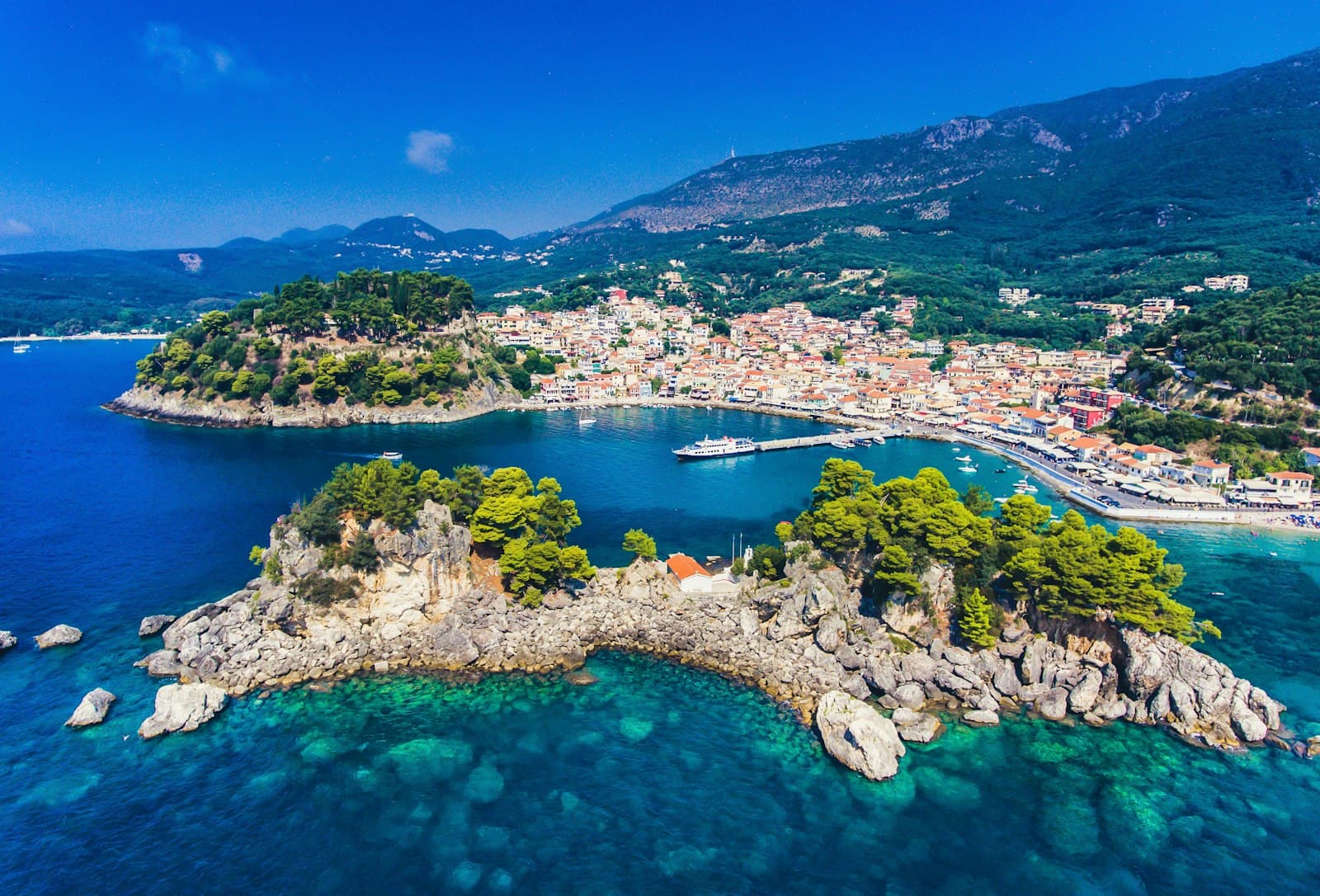
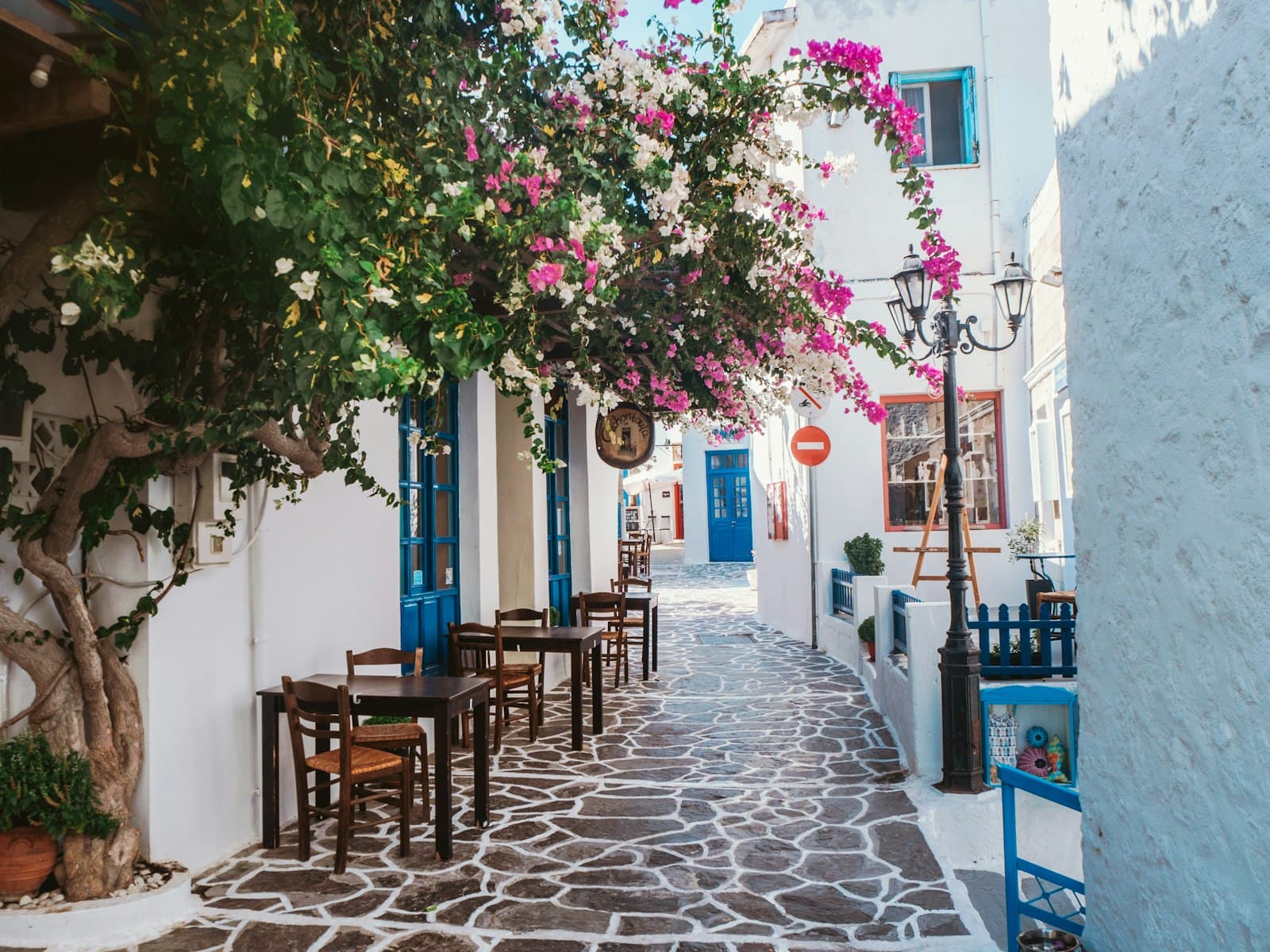
Ваш самостоятельный аудиотур по Кос готов — выберите свои достопримечательности, выберите свой язык и начните в момент прибытия.
КупитьВ Lume встроен гид дополненной реальности. Поднимите телефон: камера показывает улицу перед вами, а поверх реального изображения светится стрелка, всегда указывающая на вашу следующую остановку — не нужно разбираться с картой и сворачивать не туда. Как и всё в Lume, это работает полностью офлайн.
Кос, третий по величине остров в группе Додеканесских островов Греции, предлагает захватывающее сочетание залитых солнцем берегов, богатой истории и увлекательной культуры. Известный как место рождения Гиппократа, почитаемого отца медицины, остров функционирует как музей под открытым небом, демонстрируя слои истории различных цивилизаций. От плодородной вулканической почвы до живописных деревень и оживленного города Кос, остров представляет разнообразный ландшафт для исследования.
Компактные размеры острова делают его идеальным для сочетания расслабляющих дней у моря с культурными открытиями. Независимо от того, интересуетесь ли вы исследованием древних руин, катанием на велосипеде по прибрежным тропам или наслаждением аутентичной греческой кухней, Кос предлагает гостеприимный и запоминающийся отдых.
История Коса восходит к первому доисторическому бронзовому веку (2900–2100 гг. до н. э.), археологические находки свидетельствуют о ранних обитателях. Изначально остров был колонизирован карийцами, а затем, в XI веке до н. э., прибыли дорийцы, принеся с собой культ Асклепия и основав санатории, которые принесли Косу известность. В VII и VI веках до н. э. Кос стал членом Дорической гексаполиса, процветая с основанием семи городских поселений.
В V веке до н. э. Кос стал родиной Гиппократа, знаменитого врача, основавшего на острове школу медицины. Этот период ознаменовался значительным политическим и культурным расцветом, Кос стал известен своими винными экспортами и собственной чеканкой монет. После периода персидского и афинского контроля Кос восстановил независимость и установил демократическое правительство в эллинистическую эпоху, став союзником династии Птолемеев. Стратегическое расположение острова на торговых путях между Египтом, Сирией, Кипром и Анатолией способствовало его процветанию.
Кос в целом поддерживал дружеские отношения с римлянами, став свободным городом в 53 г. н. э. После падения Римской империи он перешел под византийское правление, хотя и подвергался постоянным набегам пиратов. В 1315 году остров был продан госпитальерам Родоса (рыцарям Святого Иоанна), которые построили впечатляющие укрепления, такие как замок Нерадзиа. Рыцари контролировали остров до 1523 года, когда Османская империя захватила его на 400 лет. В 1912 году Италию оккупировала Кос, проводя инфраструктурные проекты и археологические раскопки. Во время Второй мировой войны остров был оккупирован итальянскими, а затем немецкими войсками, прежде чем стать британским протекторатом и, наконец, быть переданным Греции в 1947 году. Сегодня современный город Кос построен на месте древнего города, создавая уникальную атмосферу, где венецианские особняки, традиционные дома и археологические памятники сосуществуют.
Город Кос — это динамичный центр со смешением венецианской и османской архитектуры и многочисленными историческими достопримечательностями. Археологический музей на площади Элефтериас — отличное место для начала культурного тура. Неподалеку находится Древняя Агора, датируемая V веком до н. э., которая была административным и торговым центром античности, где сохранились мозаики, храмы и статуи. В Агоре можно увидеть остатки храмов, посвященных Афродите и Геркулесу.
Рядом с Древней Агорой стоит Платан Гиппократа, символическое дерево, которое, как полагают, является потомком того, под которым учил Гиппократ. Внушительный Замок рыцарей (Замок Нерадзиа) охраняет гавань, предлагая взглянуть на средневековое величие. Среди других заметных мест — Римский Одеон, хорошо сохранившийся амфитеатр, и Каса Романа, реконструированная римская вилла с впечатляющими мозаиками. Недалеко от города Кос, на холме с живописными видами, находится Асклепион, древний лечебный центр, посвященный богу Асклепию.
Помимо города, стоит посетить Зию, горную деревню, известную своими видами на закат. Чтобы ощутить атмосферу традиционной греческой рыбацкой деревни, отправляйтесь в Мастихари, где подают свежую рыбу и царит расслабленная атмосфера. На острове также есть прекрасные пляжи, такие как Парадайз-Бич, Тигаки-Бич и Мастихари-Бич, а также уникальный пляж Терма с его природными горячими источниками.
Лучшее время для посещения Коса — с мая по октябрь, когда температура комфортная, осадков мало, а условия идеальны для исследования. Июнь и сентябрь часто считаются лучшими месяцами, предлагая баланс приятной погоды, теплой морской воды и меньшего количества туристов по сравнению с пиковыми летними месяцами июлем и августом. Для тех, кто ценит историю и культуру, апрель и октябрь предлагают мягкие температуры и более спокойную атмосферу.
Кос доступен прямыми рейсами из многих европейских городов или паромом из материковой Греции и других греческих островов. На острове действует надежная и недорогая сеть общественного автобусного сообщения, соединяющая крупные города и пляжи. Однако аренда автомобиля, скутера, квадроцикла или электровелосипеда предлагает большую гибкость для исследования отдаленных берегов и горных деревень в удобном для вас темпе. Велоспорт особенно популярен, с выделенными дорожками вдоль северного побережья.
Хотя кредитные карты широко принимаются, рекомендуется иметь при себе наличные для небольших таверн, местных магазинов и достопримечательностей с более низкой платой за вход. Чаевые не обязательны, но приветствуются. Варианты размещения варьируются от роскошных отелей в городе Кос до семейных апартаментов и бюджетного жилья по всему острову.
Кос: корейский, китайский, иврит и ещё 29 языков — каждую остановку озвучивает носитель языка. Самый широкий выбор языков среди аудиоэкскурсий без гида.
Доступные языки: