Weg zum Kotohira-gu Schrein
Entlang des Aufstiegs zum Konpira-san könnten Sie seltsame Hundestatuen entdecken. Sie sind nicht nur zur Dekoration.
Die ganze Geschichte wird in der Tour freigeschaltet
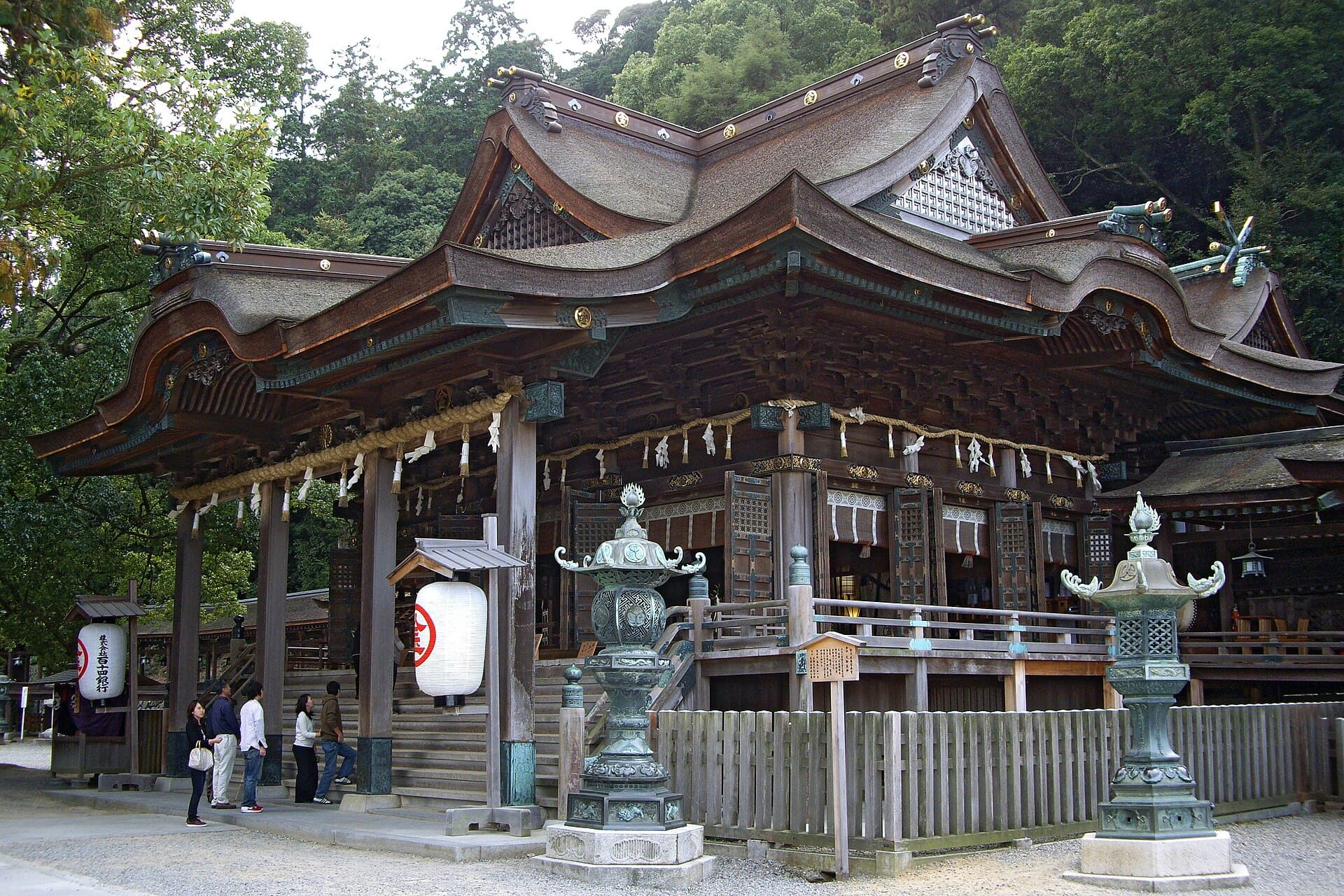 Toto-tarou / cc by-sa 3.0, via Wikimedia Commons
Selbstgeführte Audio-Walking-Tour durch Kotohira — GPS-Route, Offline-Wiedergabe, erzählerische Narration in 32 Sprachen.
“Erklimmen Sie alte Stufen zu einem heiligen Gipfel, wo maritime Legenden und Kabuki-Echos verweilen.”
Nicht die Postkarten. Die Geschichten, die selbst Einheimische nicht kennen – dir ins Ohr geflüstert, genau dort, wo sie geschahen.
Entlang des Aufstiegs zum Konpira-san könnten Sie seltsame Hundestatuen entdecken. Sie sind nicht nur zur Dekoration.
Japans ältestes Kabuki-Theater, das Kanamaru-za, birgt Geheimnisse unter seiner Bühne.
Bevor Kotohira-gu ausschließlich Shinto wurde, spiegelte seine Architektur eine faszinierende Mischung von Glaubensrichtungen wider.
Entdecke jedes Geheimnis von Kotohira
Jede Adresse, jede Enthüllung vollständig – in deinem Ohr, genau dort, wo es geschah.
Du wählst deine Stationen. Du gehst. Die Stimme enthüllt, was andere übersehen.


Deine selbstgeführte Audio-Tour durch Kotohira ist bereit – wähle deine Sehenswürdigkeiten, deine Sprache und starte, sobald du ankommst.
KaufenLume enthält einen integrierten Augmented-Reality-Guide. Halten Sie Ihr Handy hoch: Die Kamera zeigt die Straße vor Ihnen, mit einem leuchtenden Pfeil über dem echten Bild, der immer auf Ihren nächsten Stopp zeigt — keine Karte zum Rätseln, keine falschen Abzweigungen. Wie alles bei Lume funktioniert es komplett offline.
Kotohira, eine kompakte Stadt in der Präfektur Kagawa auf der Insel Shikoku, ist hauptsächlich für den Kotohira-gu-Schrein bekannt, der liebevoll 'Konpira-san' genannt wird. Dieser heilige Shinto-Schrein, der den Schutzgottheiten des Meeres, der Fruchtbarkeit und der Medizin gewidmet ist, ist seit Jahrhunderten ein bedeutender Wallfahrtsort. Die Atmosphäre der Stadt ist von Tradition durchdrungen, und der Weg zum Schrein ist gesäumt von Souvenirläden und Restaurants, die einen Einblick in seine anhaltende Rolle als spirituelles Reiseziel geben.
Jenseits des ikonischen Schreins bietet Kotohira eine Mischung aus kulturellen Erlebnissen. Hier können Sie im ältesten Kabuki-Theater des Landes in traditionelle japanische darstellende Künste eintauchen, lokale Museen erkunden und die regionale Spezialität Sanuki Udon genießen. Das milde Klima und die reichen natürlichen Ressourcen der Stadt machen sie das ganze Jahr über zu einem attraktiven Reiseziel, insbesondere für diejenigen, die ein authentisches Erlebnis in Shikoku suchen.
Die Geschichte von Kotohira ist untrennbar mit dem Kotohira-gu-Schrein, oder Konpira-san, verbunden, der seit über einem Jahrtausend Pilger anzieht. Der im 1. Jahrhundert gegründete Schrein ruht an den bewaldeten Hängen des Berges Zozu. Seine Hauptgottheit, Ōmononushi-no-Kami, wird weithin als Gott der maritimen Sicherheit, der Fischerei, des geschäftlichen Wohlstands und des Lernens verehrt, was ihn zu einem wichtigen spirituellen Ort für Seefahrer macht.
Während der Heian-Zeit kam es zu einer faszinierenden Verschmelzung von Shinto- und buddhistischen Glaubensvorstellungen, was dazu führte, dass der Schrein in 'Konpira Daigongen' umbenannt wurde. Dieser Synkretismus bedeutete, dass der Schrein sowohl als Shinto- als auch als buddhistischer Kultort diente, eine Praxis, die bis zur Meiji-Restauration üblich war. Ende des 19. Jahrhunderts erklärten staatliche Bemühungen zur Trennung der beiden Religionen ihn offiziell zu einem Shinto-Schrein. Die architektonischen Elemente spiegeln jedoch immer noch diese frühere Symbiose wider.
Die Pilgerfahrt nach Konpira-san gewann im 14. Jahrhundert, insbesondere während der Edo-Zeit, an Bedeutung. Gemeinen, denen freies Reisen im Allgemeinen untersagt war, wurde die Wallfahrt zum Kotohira-Schrein gestattet, was für viele eine wichtige jährliche Reise darstellte. Die Stadt selbst entwickelte sich zu einem Monzenmachi, einer Marktgemeinde vor den Toren des Schreins, die vom Strom der Gläubigen lebte.
Ein weiteres bedeutendes historisches Wahrzeichen in Kotohira ist das Kanamaru-za Kabuki Theater. Erbaut im Jahr 1835, ist es das älteste erhaltene Kabuki-Theater Japans und als wichtiges nationales Kulturgut ausgewiesen. Dieses wunderschön erhaltene Theater bietet eine greifbare Verbindung zur traditionellen japanischen darstellenden Kunst, mit seinen originalen Mechanismen aus der Edo-Zeit, die noch intakt sind.
Die Hauptattraktion von Kotohira ist der Kotohira-gu-Schrein, oder Konpira-san. Der Aufstieg zum Hauptschrein beinhaltet das Erklimmen von 785 Steinstufen, weitere 583 Stufen führen zum inneren Schrein, dem Izutama-Schrein, was insgesamt 1.368 Stufen ergibt. Entlang des Weges finden Sie Souvenirläden, Restaurants und kleinere Schreine. Bemerkenswerte Stopps sind das Omote Shoin, ein wichtiges Kulturgut, das Kunst beherbergt, und der wunderschön dekorierte Asahisha-Schrein. Vom Hauptschrein aus entfalten sich weite Ausblicke auf die Sanuki-Ebene.
Erkunden Sie jenseits des Schreins das Kanamaru-za Kabuki Theater, Japans ältestes Kabuki-Theater. Besucher können das Theater besichtigen, seine einzigartigen Bühnenmechanismen bestaunen und sogar einen Blick in die Garderoben werfen. Für einen Einblick in die lokale Kultur besuchen Sie das Kinryo Sake Museum (Kinryo no Sato), das den Sake-Herstellungsprozess erklärt und Verkostungen anbietet. Eine weitere interessante Sehenswürdigkeit ist der Takadoro Laternen-Turm, ein 27 Meter hoher Holzlaternen-Turm, der einst Schiffe auf dem Seto-Binnenmeer beleuchtete. Verpassen Sie nicht die Gelegenheit, Sanuki Udon, eine regionale Spezialität, in einem der vielen lokalen Restaurants zu probieren.
Kotohira ist ein Reiseziel, das das ganze Jahr über genossen werden kann, wobei jede Jahreszeit einen besonderen Charme bietet. Der Frühling (März–Mai) ist besonders beliebt wegen der Kirschblüten, die den Schreinweg schmücken, normalerweise von Ende März bis Anfang April. Der Herbst (Oktober–November) bringt leuchtendes Laub auf das Gelände des Kotohira-gu, was eine malerische Kulisse für den Aufstieg schafft. Während der Sommer (Juni–August) heiß und feucht sein kann, wird ein Aufstieg zum Schrein am frühen Morgen oder späten Nachmittag empfohlen. Der Winter bietet ein friedliches Erlebnis, ideal, um die lokalen heißen Quellen zu genießen und Menschenmassen zu vermeiden. Die angenehmsten Temperaturen für Erkundungen sind typischerweise im April, Mai und Oktober.
Kotohira ist mit dem Zug leicht erreichbar. Von Takamatsu aus können Sie entweder die JR Yosan- oder Dosan-Linie zum JR Kotohira Bahnhof (45–75 Minuten) oder die Kotoden Kotohira Linie zum Kotoden-Kotohira Bahnhof (ca. 1 Stunde) nehmen. Von Okayama aus verbinden stündliche JR Nanpu Limited Express Züge in etwa einer Stunde direkt mit Kotohira. Der Flughafen Takamatsu bietet auch Direktbusse zu den Bahnhöfen JR Kotohira und Kotoden Kotohira an, eine Fahrt von etwa 50 Minuten.
Zu Fuß erkundet man die zentralen Attraktionen von Kotohira am besten. Die Steinstufen zum Konpira-san beginnen etwa zehn Gehminuten südwestlich der Bahnhöfe. Für Erkundungen weiter entfernt oder wenn Sie nicht die gesamte Schrein-Aufstieg zu Fuß zurücklegen möchten, steht gegen Gebühr ein Sänftendienst zur Verfügung. Alternativ verkehrt ein KI-gestützter On-Demand-Transportservice namens 'Kotohira mobi' in der ganzen Stadt und bietet erschwingliche Fahrten per App oder Telefon an. Viele Unterkünfte in Kotohira bieten traditionelle Ryokan-Erlebnisse mit Onsen-Bädern, die nach einem Erkundungstag einen entspannenden Aufenthalt ermöglichen.
Kotohira — Koreanisch, Chinesisch, Hebräisch und 29 weitere Sprachen, jede Station von einer muttersprachlichen Stimme erzählt. Die größte Sprachauswahl aller selbstgeführten Audiotouren.
Verfügbar auf: