Torre Shukhov, Krasnodar
Muitas cidades possuem uma torre como marco, mas a estrutura de Krasnodar guarda um segredo, conectando-a a uma conquista de engenharia fundamental do início do século XX.
História completa desbloqueada no tour
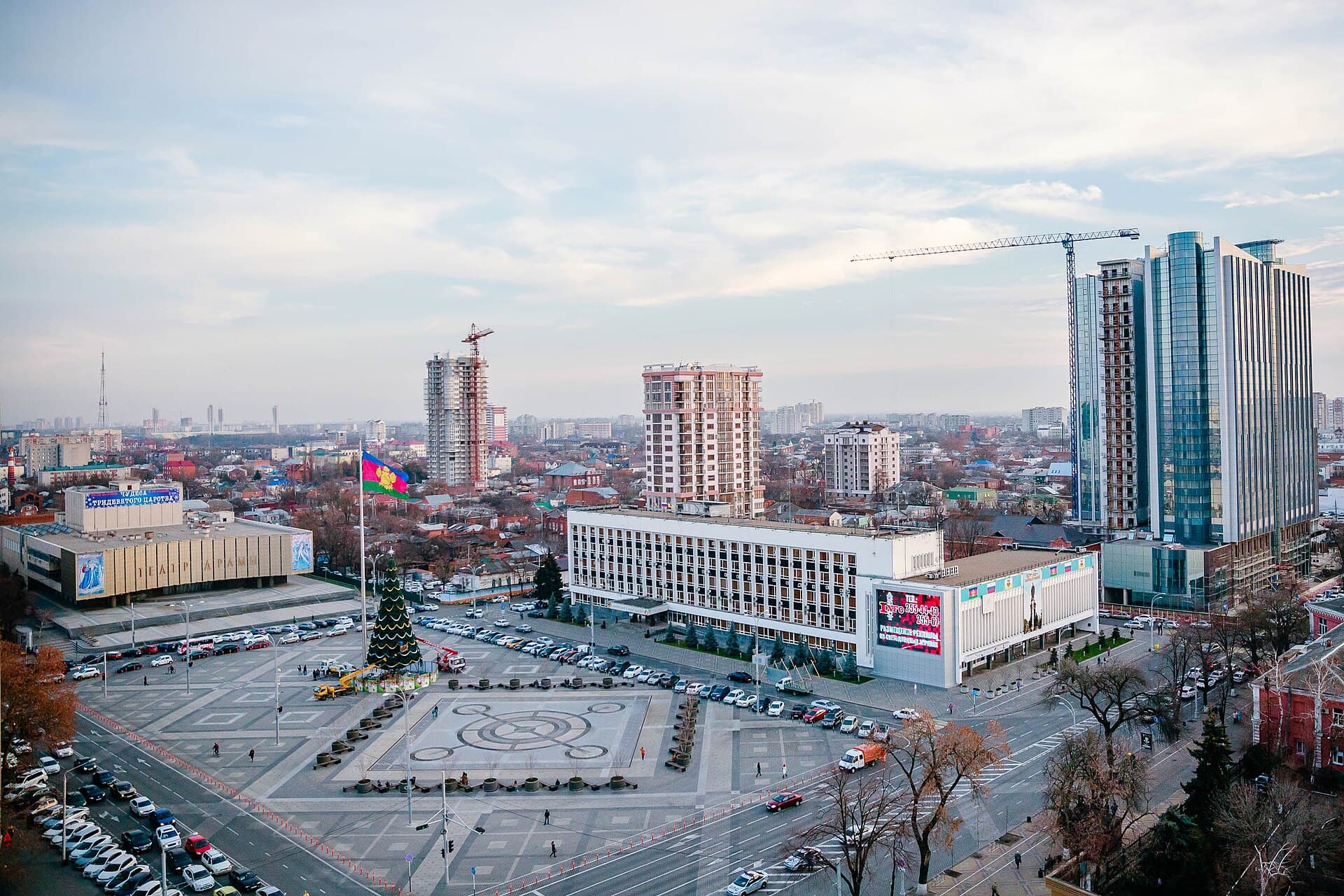 Maska999 / CC BY-SA 4.0, via Wikimedia Commons
Tour de áudio autoguiado por Krasnodar — rota GPS a pé, reprodução offline, narração envolvente em 32 idiomas.
“Onde o Rio Kuban carrega histórias de Cossacos e cultura.”
Não os postais. As histórias que nem os locais conhecem — sussurradas ao seu ouvido, exatamente onde aconteceram.
Muitas cidades possuem uma torre como marco, mas a estrutura de Krasnodar guarda um segredo, conectando-a a uma conquista de engenharia fundamental do início do século XX.
Este museu de arte guarda uma coleção notável que viajou uma distância considerável antes de encontrar seu lar permanente em Krasnodar.
Este parque amado possui uma característica única que o liga diretamente à expansão inicial da cidade e a um tipo específico de árvore.
Descubra cada segredo de Krasnodar
Cada endereço, cada revelação na íntegra — no seu ouvido, exatamente onde aconteceu.
Você escolhe as suas paragens. Você caminha. A voz revela o que os outros perdem.


O seu tour áudio autoguiado de Krasnodar está pronto — escolha os seus pontos de interesse, selecione o seu idioma e comece no momento em que chegar.
ComprarA Lume inclui um guia de realidade aumentada. Levante o telemóvel: a câmara mostra a rua à sua frente, com uma seta luminosa sobreposta à imagem real que aponta sempre para a sua próxima paragem — sem mapa para decifrar, sem voltas erradas. Como tudo na Lume, funciona totalmente offline.
Krasnodar, frequentemente conhecida como a 'Capital do Sul da Rússia', é uma cidade que prospera às margens do rio Kuban, um curso d'água fundamental para sua identidade. É um lugar onde amplas avenidas, sombreadas por árvores, abrem-se para grandiosas praças e parques, refletindo um design urbano pensado que emergiu de suas origens como um posto militar. A energia da cidade é palpável, uma fusão de ecos históricos e existência contemporânea, com uma paisagem cultural que abrange teatros e salas de concerto, galerias de arte e museus.
A vida aqui se desenrola em um ritmo que incentiva a descoberta, seja através de um passeio tranquilo por seus muitos espaços verdes ou de uma noite saboreando a culinária local. Krasnodar serve como um portal para a costa do Mar Negro e as Montanhas do Cáucaso, mas mantém seu próprio caráter distinto, oferecendo um senso de lugar único moldado por seu clima, seu povo e seu vínculo duradouro com a fértil região de Kuban.
## Da Fortaleza à Cidade As origens de Krasnodar remontam a 1793, quando foi estabelecida como um acampamento militar chamado Ekaterinodar, que significa 'Presente de Catarina'. Este nome homenageava a Imperatriz Catarina, a Grande, que concedeu as terras de Kuban aos cossacos do Mar Negro. Os cossacos, encarregados de defender as fronteiras sul do Império Russo, desempenharam um papel central no desenvolvimento inicial da região. O assentamento cresceu rapidamente de um acampamento fortificado para um centro administrativo e militar cossaco.
## Uma Identidade em Mudança Ao longo do século XIX, Ekaterinodar transformou-se em um importante centro de comércio e cultura no Cáucaso do Norte. A chegada da ferrovia em 1870 estimulou ainda mais seu crescimento, conectando-a às principais artérias econômicas. A cidade testemunhou a construção de edifícios impressionantes, instituições educacionais e estabelecimentos culturais, refletindo sua crescente importância.
## A Era Soviética e Além Após a Revolução Russa, em 1920, Ekaterinodar foi renomeada para Krasnodar, significando 'Presente Vermelho', alinhando-se com a nova ideologia soviética. O século XX trouxe tanto imensos desafios quanto períodos de rápido desenvolvimento. Durante a Segunda Guerra Mundial, a cidade sofreu danos consideráveis sob ocupação alemã, mas foi subsequentemente reconstruída. Na era pós-guerra, Krasnodar ressurgiu como um importante centro industrial e agrícola, utilizando os abundantes recursos da região de Kuban. Hoje, Krasnodar continua a ser um vital coração econômico e cultural do sul da Rússia, equilibrando seu legado histórico com aspirações modernas.
Comece sua jornada pela Rua Krasnaya, a principal via da cidade, onde residem inúmeros marcos significativos. Aqui, você encontrará o Arco do Triunfo, uma recriação fiel do original construído no século XIX para comemorar uma visita do Imperador Alexandre III. Uma curta caminhada leva ao Museu de Arte Regional de Krasnodar Kovalenko, lar de uma impressionante coleção de arte russa e europeia ocidental. Para entender o passado da região, visite o Museu-Reserva Histórico e Arqueológico Estatal de Krasnodar nomeado em homenagem a E.D. Felitsyn, que exibe artefatos que abrangem desde tempos antigos até os dias atuais. Não deixe de ver a Torre Shukhov, uma elegante estrutura hiperboloide que é um testemunho da engenharia do início do século XX. Para um refúgio tranquilo, o Parque Chistyakovskaya Grove oferece abundante vegetação e caminhos sinuosos, enquanto o Parque Galitsky (Parque Krasnodar), adjacente ao Estádio de Krasnodar, representa uma maravilha moderna de design paisagístico com instalações de arte distintas e jogos de água.
As épocas mais agradáveis para visitar Krasnodar são durante a primavera (abril a maio) ou o início do outono (setembro a outubro). Na primavera, os muitos parques e jardins da cidade estão em plena floração, e o clima é agradavelmente ameno. O início do outono oferece temperaturas confortáveis e céus limpos, perfeitos para explorar a pé. Os verões podem ser bastante quentes, com temperaturas frequentemente ultrapassando os 30°C, enquanto os invernos são geralmente amenos, mas podem apresentar ondas de frio ocasionais e alguma neve.
Krasnodar é servida pelo Aeroporto Internacional de Krasnodar (Aeroporto Pashkovsky), oferecendo conexões para várias cidades russas e alguns destinos internacionais. Dentro da cidade, o transporte público inclui ônibus, trólebus e bondes, formando uma extensa rede. Táxis e serviços de compartilhamento de caronas também estão prontamente disponíveis. A moeda local é o Rublo Russo (RUB). Embora o russo seja o idioma principal, você pode encontrar algum inglês falado em estabelecimentos que atendem a visitantes. É aconselhável carregar algum dinheiro para pequenas compras.
Krasnodar — coreano, chinês, hebraico e mais 29 idiomas, cada parada narrada por uma voz nativa. A maior variedade de idiomas entre os passeios de áudio autoguiados.
Disponível em: