Toren van de Piaristenkerk
De Piaristenkerk in Krems is een van de oudste en meest prominente bouwwerken van de stad, maar de oostelijke toren herbergt een uniek stedelijk geheim.
Volledig verhaal ontgrendeld in de tour
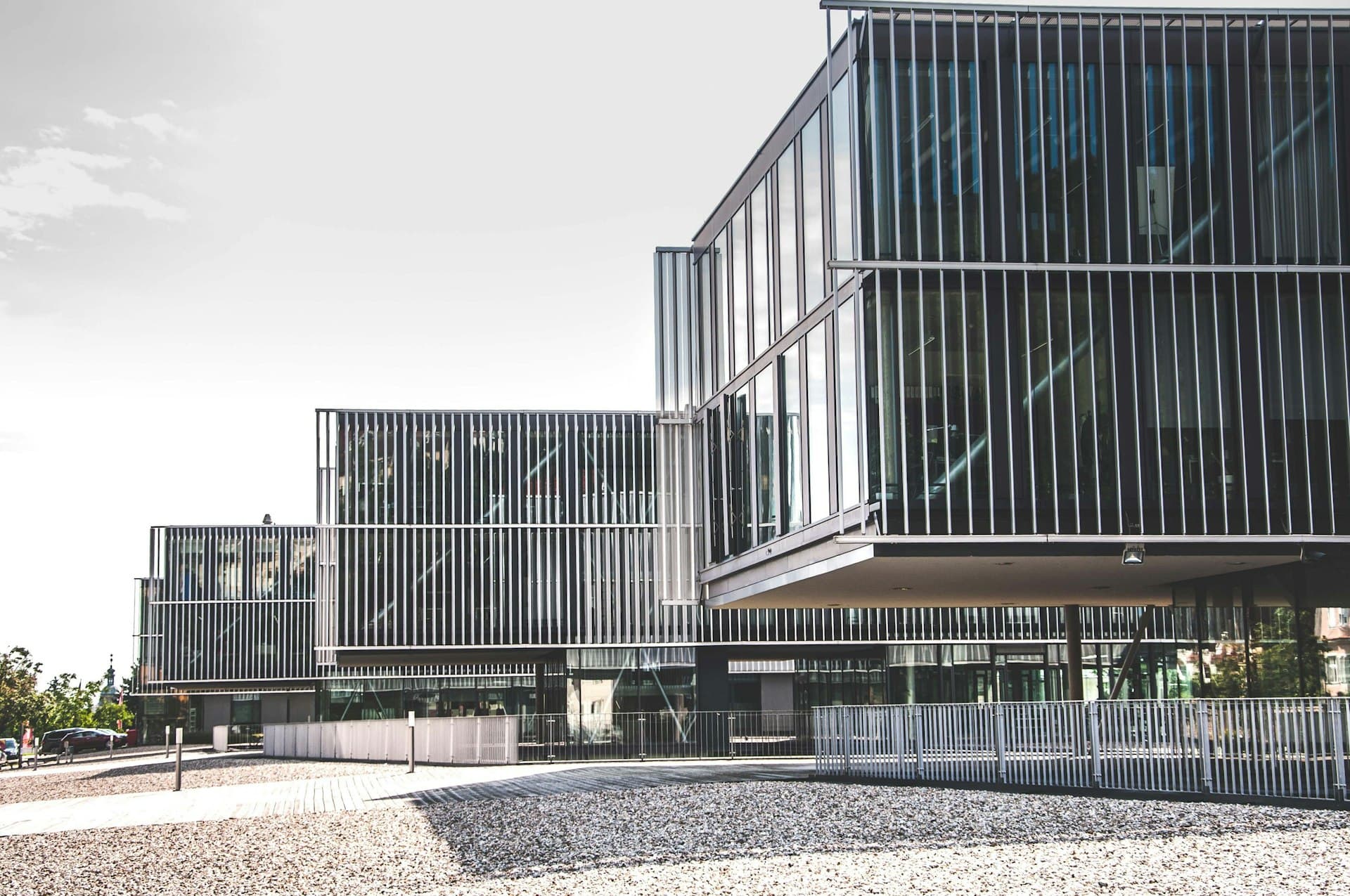 Photo: Aneta Pawlik / Unsplash
Zelfgeleide audiowandeling door Krems — GPS-route, offline afspelen, meeslepende vertelling in 32 talen.
“Waar oude stenen de stroom van de Donau ontmoeten, en abrikozen verhalen van de zon vertellen.”
Niet de ansichtkaarten. De verhalen die zelfs locals niet kennen — gefluisterd in je oor, precies waar ze gebeurden.
De Piaristenkerk in Krems is een van de oudste en meest prominente bouwwerken van de stad, maar de oostelijke toren herbergt een uniek stedelijk geheim.
Het centrale plein van Krems, omlijst door historische gebouwen en de sierlijke Drievuldigheidszuil, was getuige van een moment in de geschiedenis dat de stad niet graag benadrukt.
Het oudste bekende kunstwerk van Oostenrijk werd niet gevonden in een groots museum, maar in de aarde nabij Krems.
Ontdek elk geheim van Krems
Elk adres, elke onthulling volledig — in je oor, precies waar het gebeurde.
Jij kiest je stops. Jij wandelt. De stem onthult wat de anderen missen.


Je zelfgeleide audiotour van Krems is klaar — kies je bezienswaardigheden, kies je taal en start zodra je aankomt.
KopenLume heeft een ingebouwde augmented-reality-gids. Houd je telefoon omhoog: de camera toont de straat voor je, met een oplichtende pijl over het echte beeld die altijd naar je volgende stop wijst — geen kaart om uit te puzzelen, geen verkeerde afslagen. Zoals alles in Lume werkt het volledig offline.
Krems an der Donau, vaak de oostelijke toegangspoort tot de Wachau-vallei genoemd, biedt een mix van oude geschiedenis en moderne culturele levendigheid. Deze Oostenrijkse stad, gelegen op de samenvloeiing van de Krems en de Donau, is een UNESCO Werelderfgoed, erkend voor zijn unieke schoonheid en authentieke culturele landschap. Met een geschiedenis die meer dan duizend jaar teruggaat, getuige de middeleeuwse architectuur en stenen paden, is Krems al lang een belangrijk handelscentrum.
De naam van de stad, 'Krems', is vermoedelijk afgeleid van een Slavisch woord dat 'vuursteen' of 'steen' betekent, mogelijk verwijzend naar de stenen oevers van de Krems-rivier. Het werd voor het eerst vermeld in een document uit 995, wat het de oudste stad van Neder-Oostenrijk maakt. Krems is geëvolueerd tot een bloeiend economisch, cultureel en educatief centrum, erkend voor zijn wijnproductie, die dateert uit de Romeinse tijd. Bezoekers kunnen het historische centrum, kunstinstellingen en talrijke wijn tavernes verkennen en een stad ervaren die zijn roemrijke verleden harmonieus combineert met een hedendaagse puls.
Het gebied rond Krems vertoont sporen van menselijke bewoning die teruggaan tot het Paleolithicum. De ontdekking van een kinderlijk graf, meer dan 27.000 jaar oud, markeert het als de oudste bekende begraafplaats in Oostenrijk. Nog ouder is de 'Venus van Galgenberg', een vrouwelijke beeldje van meer dan 32.000 jaar oud, gevonden nabij Krems-Rehberg, wat het oudste bekende kunstwerk van Oostenrijk vertegenwoordigt.
Krems werd voor het eerst gedocumenteerd in 995 na Christus als 'Chremisa', een keizerlijke vesting, wat het de oudste stad van Neder-Oostenrijk maakt. In de 11e en 12e eeuw kon de nederzetting, toen bekend als Chremis, wedijveren met Wenen qua grootte. In de 12e eeuw verkreeg Krems stadsrechten en vestigde een munt, die enkele van de vroegste Oostenrijkse munten produceerde. De stad vormde in de 13e eeuw samen met het aangrenzende stadje Stein een gemeenschap en bloeide op als centrum voor handel en wijnbouw. De strategische ligging op de samenvloeiing van de Krems en de Donau maakte het tot een vitale hub voor scheepvaart en landtransport, en overtrof op een gegeven moment zelfs Wenen in belang.
Gedurende de Middeleeuwen trok Krems talrijke kunstenaars en ambachtslieden aan, wat bijdroeg aan de culturele ontwikkeling. De koopmansburgers hechtten veel waarde aan onderwijs en zorgden voor degelijke scholing en universitaire studies voor hun kinderen. De middeleeuwse vestingwerken van de stad, waaronder de Steiner Tor, de Pulverturm (Poedertoren) en de Gozzoburg, staan nog steeds als getuigenissen van het verleden. In 1645, tijdens de Dertigjarige Oorlog, veroverden Zweedse troepen Krems, hoewel het het jaar daarop werd heroverd door keizerlijke troepen.
Vandaag de dag maakt Krems an der Donau, inclusief de historische centra van Krems en Stein, deel uit van het Cultuurlandschap Wachau, dat in 2000 werd aangewezen als UNESCO Werelderfgoed, ter erkenning van zijn architectonische en agrarische erfgoed. De stad zet zijn nalatenschap voort als een prominent wijncentrum, met wijngaarden die sinds de Romeinse tijd worden gecultiveerd en wijnen zoals Grüner Veltliner en Riesling die internationale erkenning krijgen.
Begin uw verkenning bij de Steiner Tor, de laatst overgebleven middeleeuwse stadspoort en een herkenningspunt van Krems. Dwaal vervolgens langs de Landstrasse, de voetgangerszone, waar historische gebouwen winkels en cafés herbergen. De Gozzoburg, een burgerlijk gebouw uit de 13e eeuw, toont enkele van de vroegst bekende fresco's van Midden-Europa.
De Piaristenkerk (Piaristenkirche), ook bekend als de Kremser Frauenbergkirche, wordt beschouwd als de oudste kerk van Krems. De laatgotische architectuur ervan is verbonden met de Stephansdom in Wenen, wat het de bijnaam 'kleine zus van de Stephansdom' opleverde. Bewonder binnen het barokke hoogaltaar en werken van de Oostenrijkse barokschilder Martin Johann Schmidt, bekend als 'Kremser Schmidt.'
Voor kunstliefhebbers biedt de Kunstmeile Krems een verzameling culturele instellingen, waaronder de Kunsthalle Krems, met 19e-eeuwse, moderne en hedendaagse kunst, en het Karikaturmuseum Krems, gewijd aan karikaturen en cartoons. De Landesgalerie Niederösterreich is een ander belangrijk onderdeel van de Kunstmeile. Mis de Sandgrube13 niet, een wijnmuseum en proeflokaal, om dieper in te gaan op de viticultuurgeschiedenis van de regio. Net buiten de stad biedt de magnifieke Abdij van Göttweig, een barok Benedictijner klooster, indrukwekkende uitzichten en inzichten in het monastieke leven.
Krems biedt het hele jaar door unieke charmes. Voor aangenaam weer en buitenactiviteiten is de beste tijd om te bezoeken van half juni tot begin september, waarbij juli de warmste maand is met een gemiddelde temperatuur van 26°C (79°F). Als u zich aangetrokken voelt tot natuurlijke schoonheid, overweeg dan de lente (begin tot half april) om de abrikozenbloesems de Wachau-vallei te zien transformeren in tinten roze en wit. De herfst (september en oktober) brengt frisse lucht en gouden herfstkleuren, ideaal om te wandelen en de wijn oogst mee te maken, een belangrijk evenement in deze erkende wijnregio. De stad organiseert ook het 'Alles Marille!' abrikozenfestival in juli, waarbij de voetgangerszone verandert in een viering van alles wat met abrikozen te maken heeft, met culinaire hoogstandjes en traditionele festiviteiten.
Krems ligt ongeveer 70 kilometer (43 mijl) ten westen van Wenen, waardoor het een ideale dagtrip of langer verblijf is. De stad is goed verbonden per trein, met het hoofdstation als knooppunt voor lijnen naar Wenen, St. Pölten en andere regionale bestemmingen. Het is ook bereikbaar via belangrijke wegen. Hoewel over het algemeen veilig, is het raadzaam om op te letten in drukke gebieden zoals de Hauptplatz, waar zakkenrollers actief kunnen zijn. Bij het verkennen na donker, blijf op goed verlichte straten. Het historische centrum is beloopbaar, met veel bezienswaardigheden, cafés en winkels gemakkelijk te voet bereikbaar. Overweeg de aanschaf van de Niederösterreich-CARD voor korting op de toegang tot veel bezienswaardigheden in Krems en in heel Neder-Oostenrijk. Voor lokale gerechten, zoek naar traditionele Oostenrijkse restaurants en wijn tavernes. Mis de Wachauer Laberl niet, een lokaal brood, en abrikozen-gebaseerde delicatessen zoals knoedels, strudel en brandewijn.
Krems — Koreaans, Chinees, Hebreeuws en nog 29 talen, elke stop verteld door een moedertaalspreker. Het grootste taalaanbod van alle zelfgeleide audiotours.
Beschikbaar in: