Torres Petronas
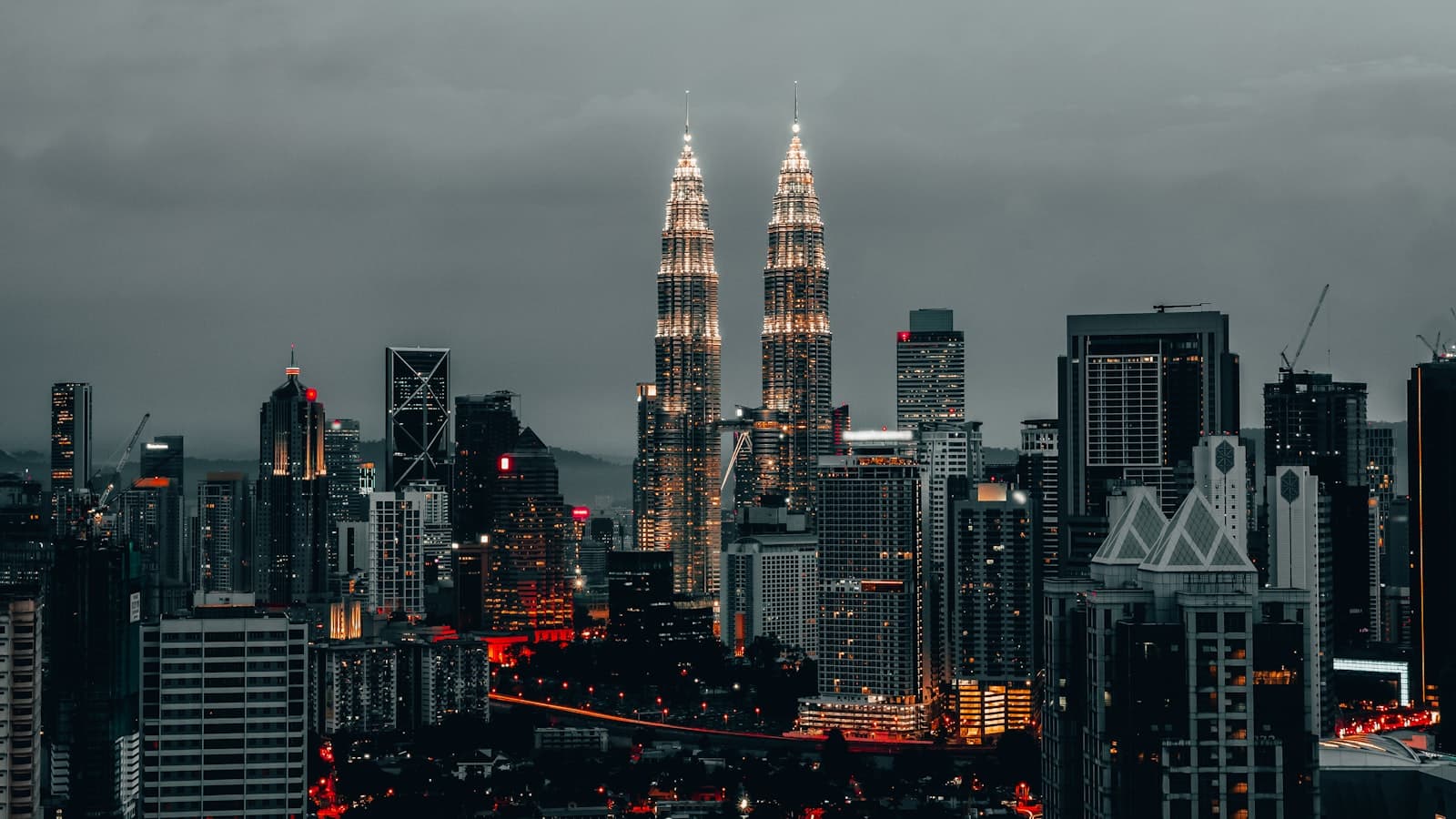
Las Torres Petronas alguna vez ostentaron el título de los edificios más altos del mundo, pero su construcción presentó un inusual rompecabezas de ingeniería.
La historia completa se desbloquea en el tour
 Renek78 / CC0, via Wikimedia Commons
Tour de audio autoguiado de Kuala Lumpur — ruta GPS a pie, reproducción offline, narración en 32 idiomas.
“Donde las torres modernas se encuentran con antiguas selvas tropicales y diversas culturas se entrelazan.”
No las postales. Las historias que ni los locales conocen — al oído, justo donde ocurrieron.
Las Torres Petronas alguna vez ostentaron el título de los edificios más altos del mundo, pero su construcción presentó un inusual rompecabezas de ingeniería.
La impactante estatua dorada de Lord Murugan en las Cuevas de Batu es una adición relativamente reciente, sin embargo, su creación involucró una sorprendente escala de materiales.
Este gran templo chino de seis niveles, con su fachada tradicional, posee un origen notablemente moderno y una mezcla única de influencias espirituales.
Descubre todos los secretos de Kuala Lumpur
Cada dirección, cada revelación al completo — a tu oído, justo donde ocurrió.
Eliges tus paradas. Caminas. La voz te revela lo que los demás ignoran.
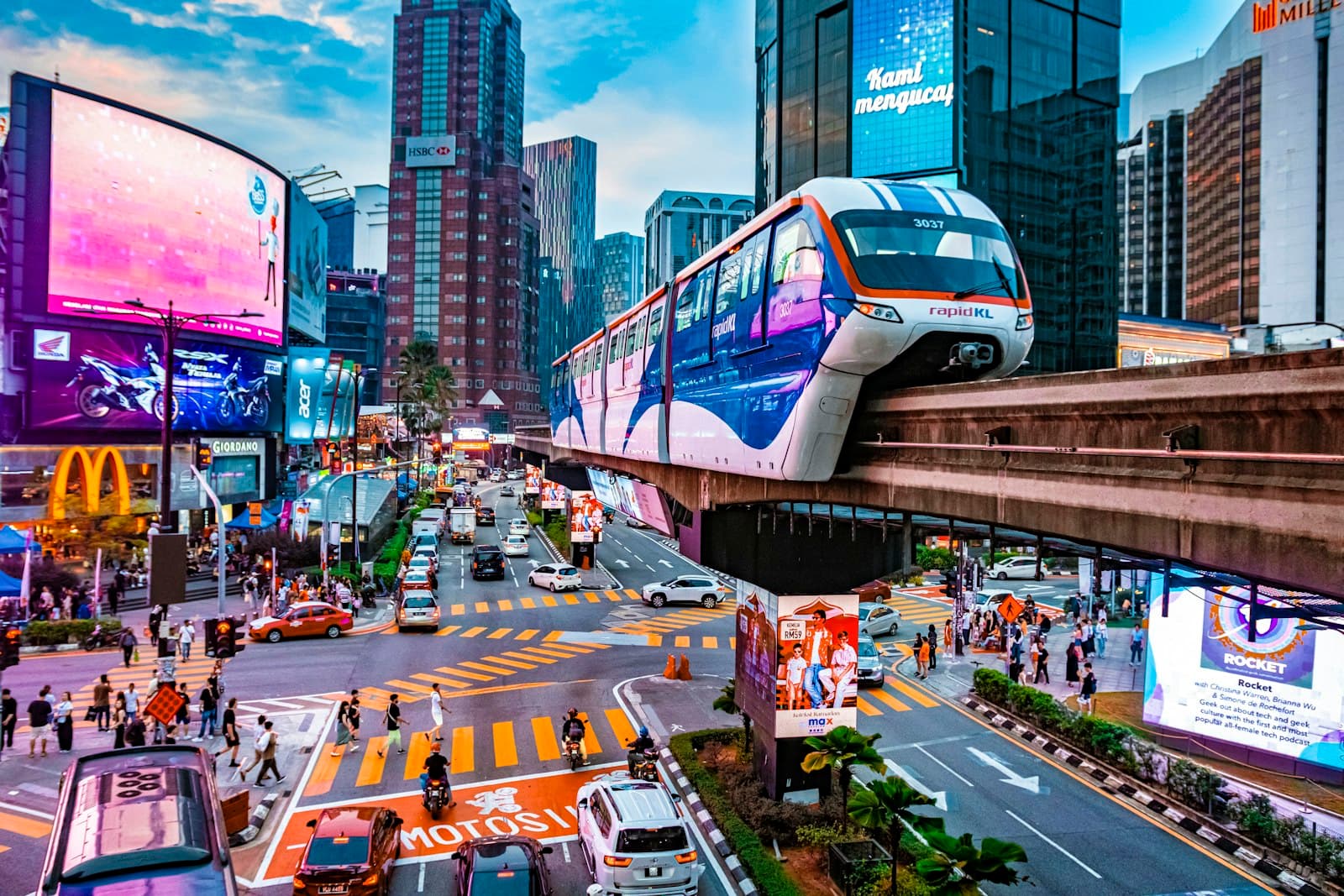
Lume incluye una guía de realidad aumentada. Levanta el móvil y su cámara muestra la calle que tienes delante, con una flecha luminosa sobre la imagen real que siempre apunta a tu próxima parada — sin mapas que descifrar, sin giros equivocados. Como todo en Lume, funciona completamente sin conexión.
Kuala Lumpur, frecuentemente abreviada como KL, sirve como la capital de Malasia y un territorio federal. Su nombre, que significa "confluencia fangosa" en malayo, refleja sus inicios en el punto de encuentro de los ríos Klang y Gombak. Hoy, KL se despliega como una vasta extensión urbana, una animada convergencia de culturas, idiomas y religiones malayas, chinas e indias.
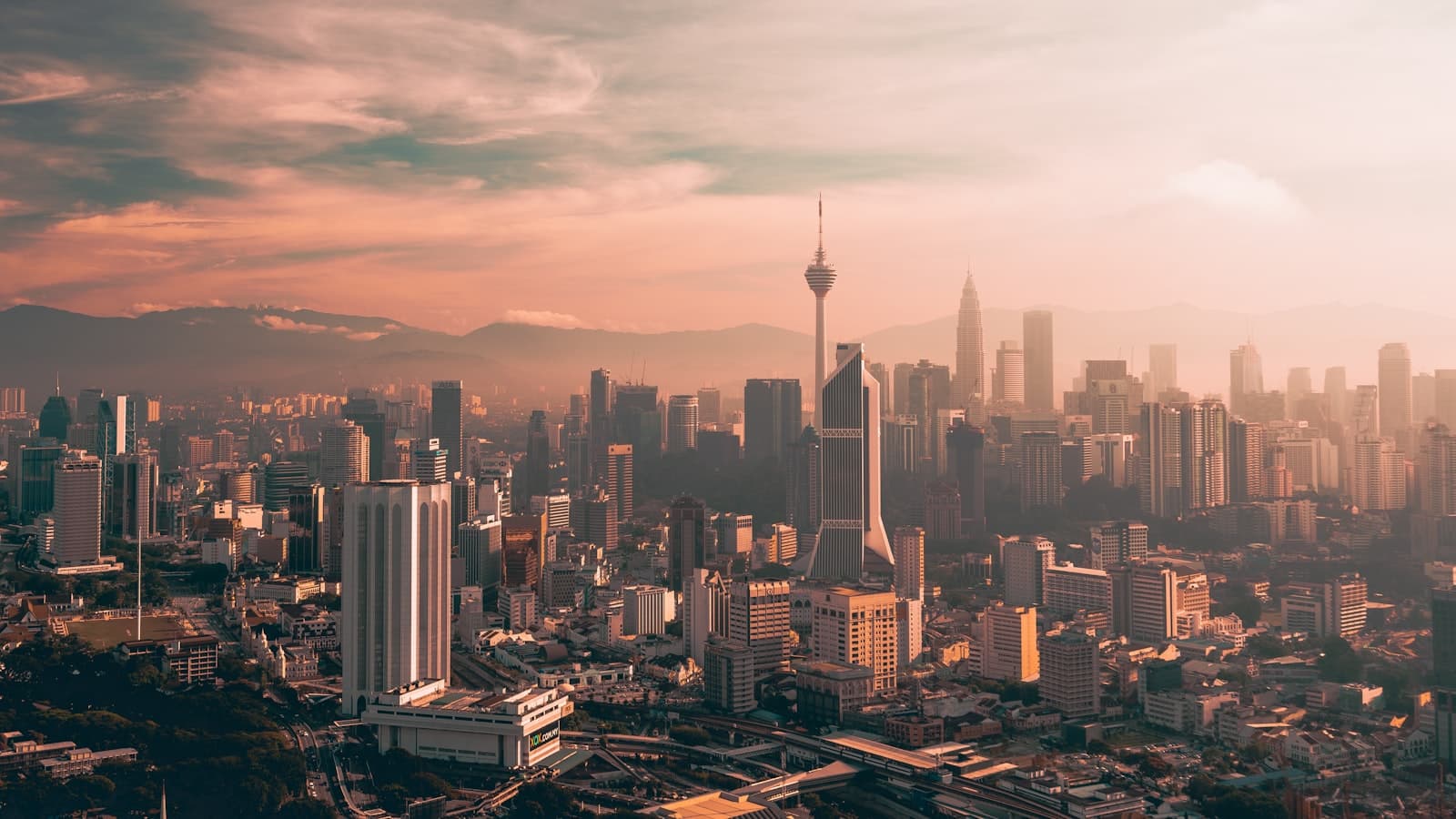
La ciudad funciona como un centro dinámico en el sudeste asiático, reconocida por su rápido progreso, distintivos rascacielos y variado panorama culinario. Desde las ascendentes Torres Petronas hasta antiguas cuevas de piedra caliza y bulliciosos mercados callejeros, Kuala Lumpur presenta una atractiva fusión de vida contemporánea y prácticas duraderas, donde estructuras antiguas conviven con arquitectura moderna.
La historia de Kuala Lumpur comenzó en 1857 como un modesto asentamiento que servía a las crecientes minas de estaño de la región. Mineros chinos, enviados por el Jefe Malayo de Klang, Raja Abdullah, establecieron la comunidad inicial donde se encuentran los ríos Gombak y Klang. A pesar de su ubicación en una jungla propensa a la malaria, el asentamiento floreció como un centro de recolección de estaño.
Para 1880, Kuala Lumpur había superado a Klang como capital estatal de Selangor, un cambio atribuido a Sir Frank Swettenham, el Residente Británico. Su posición central consolidó aún más su importancia, lo que llevó a su designación como capital de los Estados Federados Malayos en 1895. La ciudad experimentó una considerable expansión durante esta era, con los británicos construyendo un robusto sistema de carreteras, ferrocarriles y otra infraestructura, junto con la erección de edificios coloniales. El crecimiento de la industria del caucho en Selangor a principios del siglo XX impulsó aún más la expansión de la ciudad, con un aumento drástico de su población.
Durante la Segunda Guerra Mundial, las fuerzas japonesas ocuparon Kuala Lumpur de 1942 a 1945. Después de la guerra, la población de la ciudad aumentó, y se convirtió en la capital de la Federación de Malaya independiente en 1957. En 1963, continuó como la capital de la Federación de Malasia ampliada. Kuala Lumpur alcanzó oficialmente el estatus de ciudad en 1972, convirtiéndose en el primer asentamiento en Malasia en recibir este estatus después de la independencia. En 1974, Kuala Lumpur se convirtió en un Territorio Federal, separándose de Selangor y quedando bajo el control directo del gobierno federal. Aunque la capital administrativa federal se trasladó a Putrajaya en 1999, Kuala Lumpur sigue siendo el corazón cultural, financiero, turístico, político y económico de Malasia.
Comience su exploración en las Torres Petronas, los rascacielos gemelos más altos del mundo, donde podrá admirar su arquitectura de inspiración islámica y el SkyBridge que las conecta. Para vistas panorámicas de la ciudad, visite la cercana Torre de Kuala Lumpur. Sumérjase en la grandeza espiritual de las Cuevas de Batu, un importante sitio de peregrinación hindú con una imponente estatua dorada de Lord Murugan y 272 coloridos escalones que conducen a templos en cuevas.
Descubra la intrincada belleza del Templo Thean Hou, uno de los templos chinos más grandes del sudeste asiático, conocido por su estructura de seis niveles, tallas ornamentadas y cientos de linternas. Explore el centro histórico de la ciudad alrededor de la Plaza Merdeka, hogar del Edificio Sultan Abdul Samad con su influencia morisca y cúpula de cobre. Pasee por la calle Petaling de Chinatown para una animada experiencia de mercado y visite el Templo Sri Mahamariamman, el templo hindú más antiguo de Kuala Lumpur. Para un toque de naturaleza dentro de la ciudad, pasee por el KL Forest Eco Park, una de las reservas forestales permanentes más antiguas de Malasia, que ofrece pasarelas elevadas y diversa flora y fauna.
Kuala Lumpur recibe visitantes durante todo el año debido a su clima tropical, que trae calidez y humedad constantes. Los períodos de diciembre a febrero, y nuevamente de junio a agosto, generalmente se consideran ideales para visitar, ofreciendo menos lluvia y temperaturas agradables. Julio a menudo presenta el clima más seco. Sin embargo, estas épocas también marcan las temporadas turísticas más concurridas, así que anticipe precios de hoteles más altos y mayores multitudes. Para aquellos que buscan menos multitudes y potencialmente mejores ofertas, las temporadas intermedias de febrero a abril y de septiembre a octubre pueden ser buenas opciones. Los entusiastas de la cultura podrían disfrutar de enero y mayo para festivales como Thaipusam y el Día de Wesak.
La moneda oficial en Kuala Lumpur, y en toda Malasia, es el Ringgit Malayo (MYR), simbolizado como RM. Los billetes están disponibles en denominaciones de RM1, RM5, RM10, RM20, RM50 y RM100, mientras que las monedas vienen en 1, 5, 10 y 50 Sen. Aunque las tarjetas de crédito y débito son ampliamente aceptadas en hoteles, restaurantes y centros comerciales, es aconsejable llevar efectivo para vendedores ambulantes de comida, mercados locales y establecimientos más pequeños. Kuala Lumpur se considera generalmente segura para los turistas, pero es prudente estar atento a delitos menores como carteristas y robos por arrebato, especialmente en áreas concurridas. Se recomienda caminar en sentido contrario al tráfico para disuadir los robos y mantener los objetos de valor seguros. Para el transporte, se recomiendan servicios de transporte compartido de buena reputación como Grab en lugar de parar taxis en la calle, especialmente a altas horas de la noche. La línea de emergencia en Malasia es el 999.
Kuala Lumpur en coreano, en chino o en hebreo — y 29 idiomas más, cada parada narrada por una voz nativa. La mayor variedad de idiomas de cualquier audioguía autoguiada.
Disponible en: