Kumamoto Castle
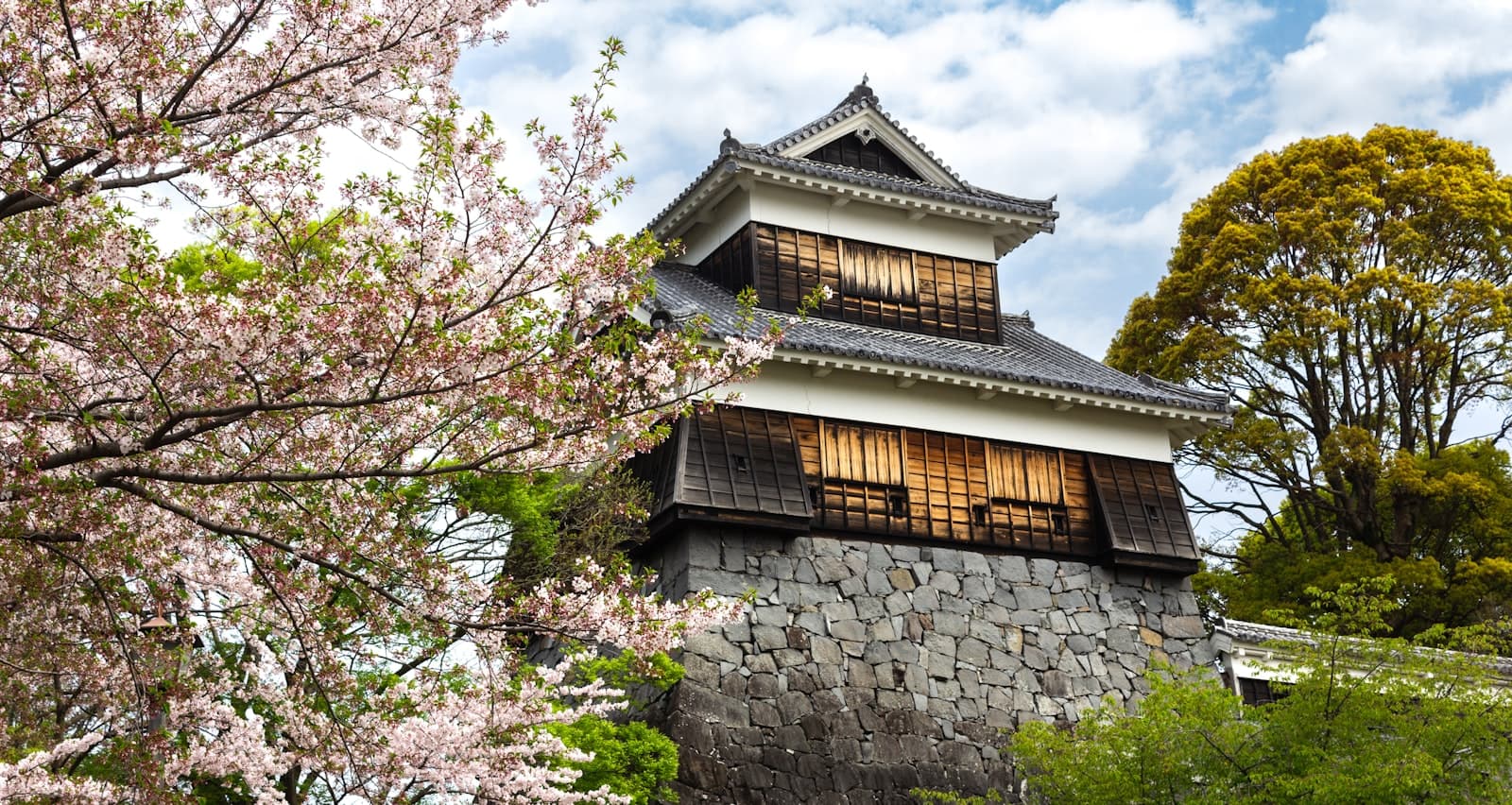
Die imposanten Steinmauern der Festung, bekannt als 'musha-gaeshi', wurden mit einer cleveren, fast unüberwindbaren Wölbung gefertigt.
Die ganze Geschichte wird in der Tour freigeschaltet
 MK Products / CC BY-SA 3.0, via Wikimedia Commons
Selbstgeführte Audio-Walking-Tour durch Kumamoto — GPS-Route, Offline-Wiedergabe, erzählerische Narration in 32 Sprachen.
“Wo alte Festungen auf den feurigen Atem der Erde und einen unerschütterlichen Geist treffen.”
Nicht die Postkarten. Die Geschichten, die selbst Einheimische nicht kennen – dir ins Ohr geflüstert, genau dort, wo sie geschahen.
Die imposanten Steinmauern der Festung, bekannt als 'musha-gaeshi', wurden mit einer cleveren, fast unüberwindbaren Wölbung gefertigt.
Japans sagenumwobenster Schwertkämpfer, Miyamoto Musashi, verbrachte seine letzten Jahre in Kumamoto, nicht in einem prächtigen Anwesen, sondern in einer bescheidenen Grotte.
Vor Kumamotos Westküste liegt ein Archipel mit einem überraschenden spirituellen Erbe.
Entdecke jedes Geheimnis von Kumamoto
Jede Adresse, jede Enthüllung vollständig – in deinem Ohr, genau dort, wo es geschah.
Du wählst deine Stationen. Du gehst. Die Stimme enthüllt, was andere übersehen.
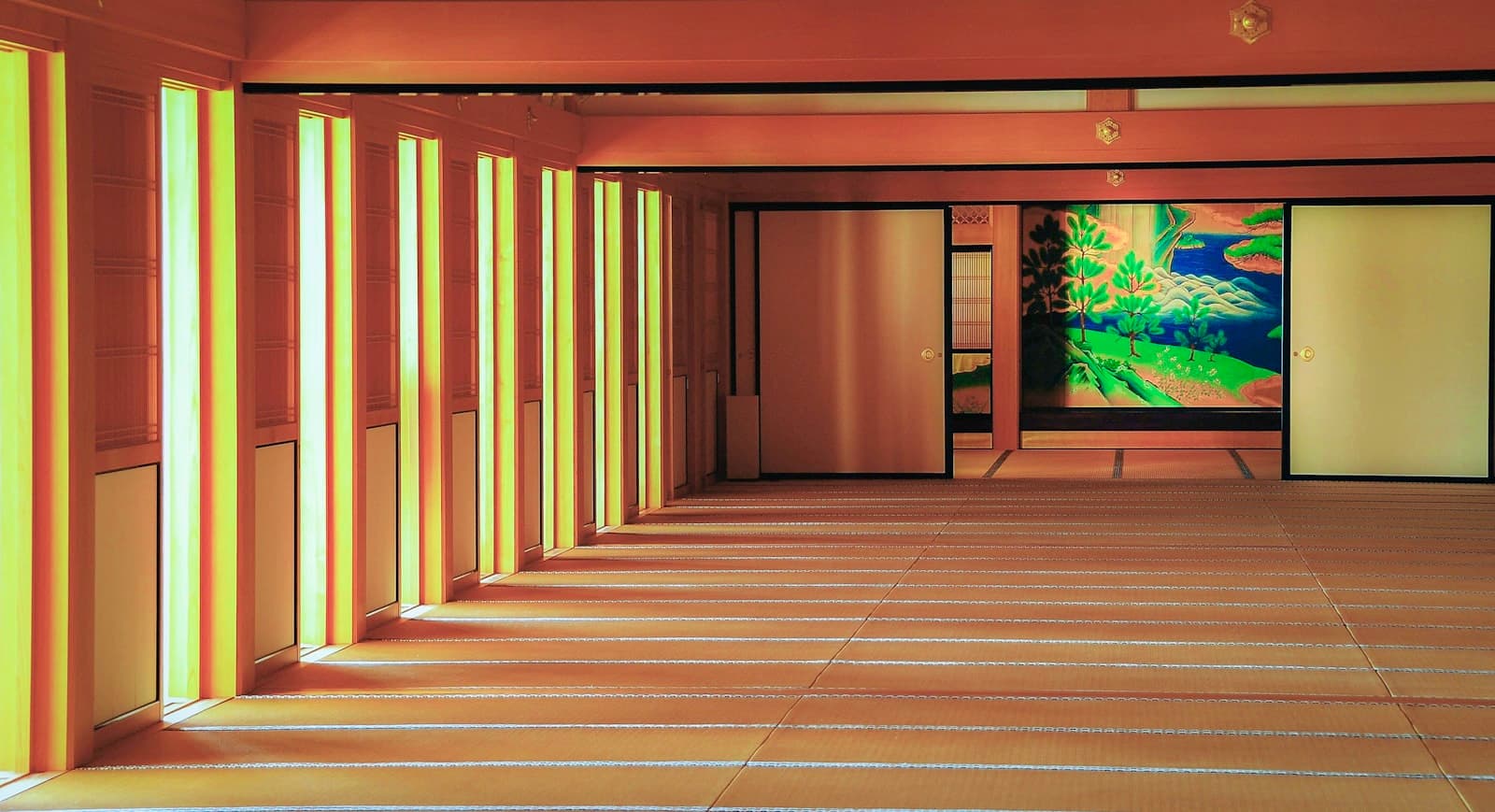
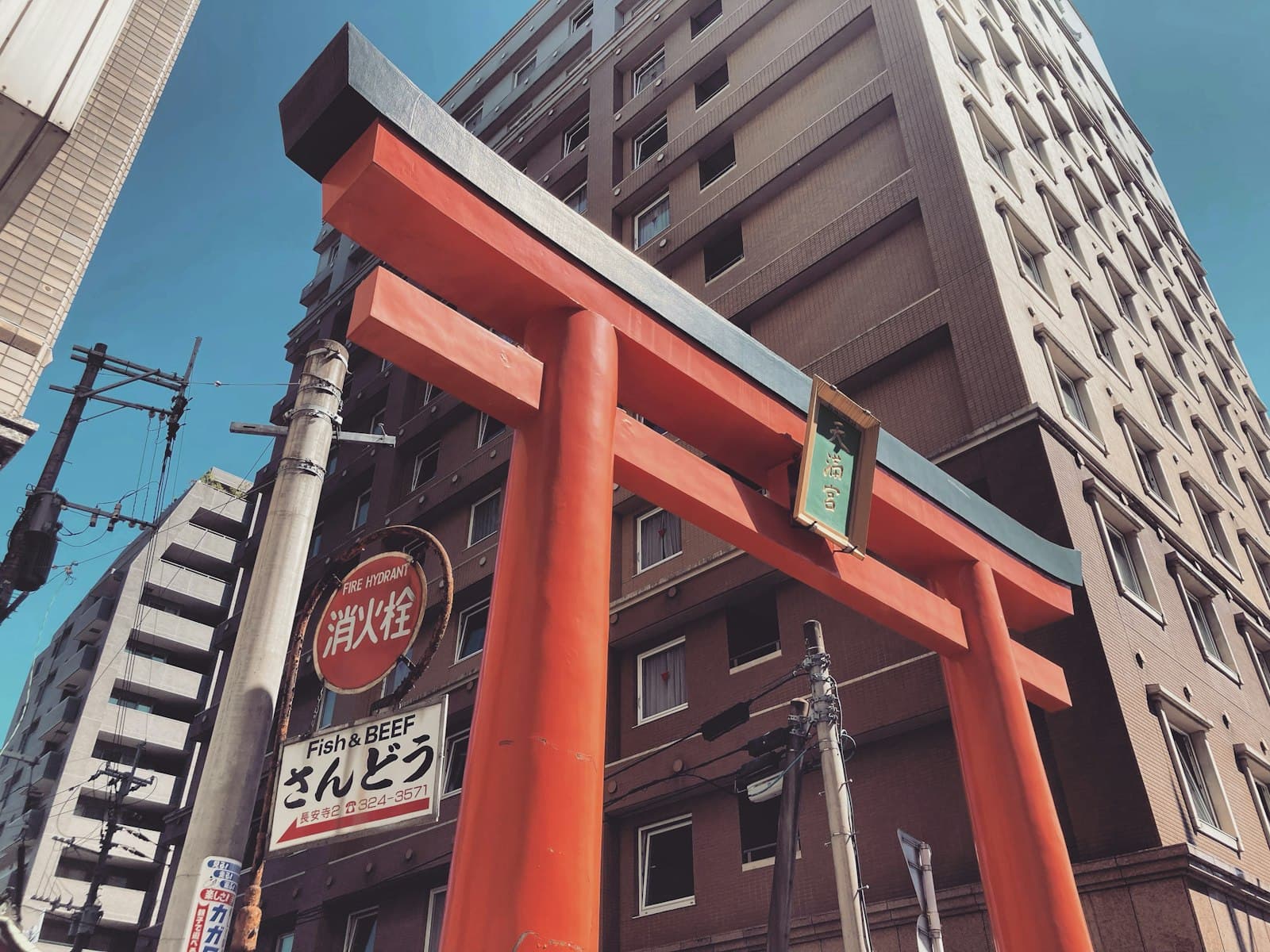
Deine selbstgeführte Audio-Tour durch Kumamoto ist bereit – wähle deine Sehenswürdigkeiten, deine Sprache und starte, sobald du ankommst.
KaufenLume enthält einen integrierten Augmented-Reality-Guide. Halten Sie Ihr Handy hoch: Die Kamera zeigt die Straße vor Ihnen, mit einem leuchtenden Pfeil über dem echten Bild, der immer auf Ihren nächsten Stopp zeigt — keine Karte zum Rätseln, keine falschen Abzweigungen. Wie alles bei Lume funktioniert es komplett offline.
Kumamoto, im Herzen Kyushus, Japan, ist eine Stadt, die ein tiefes Samurai-Erbe mit markanten vulkanischen Landschaften verbindet. Bekannt als das 'Land des Feuers' wegen der aktiven Vulkane des Mount Aso und als das 'Land des Wassers' für seine reichen, von Quellen gespeisten Ressourcen, bietet Kumamoto ein einzigartiges Reiseerlebnis. Die Stadt hat bemerkenswerte Widerstandsfähigkeit bewiesen, indem sie sich nach dem Erdbeben von 2016 entschlossen wiederaufgebaut hat und nun Besucher mit restaurierten Wahrzeichen und einer lebendigen Atmosphäre empfängt.
Über seine berühmte Burg hinaus bietet Kumamoto bequemen Zugang zur weitläufigen Caldera des Mount Aso, einer der größten der Welt, und zu den malerischen Amakusa-Inseln. Von traditionellen Gärten über eine blühende kulinarische Szene bis hin zum allgegenwärtigen, beliebten Maskottchen Kumamon fesselt Kumamoto die Besucher mit seinem unverwechselbaren Charakter und einer Verschmelzung von Geschichte, Natur und lokaler Kultur.
Die Geschichte Kumamotos reicht bis in die Antike zurück, mit Mythen und Legenden, die in seinen frühen Siedlungen verwurzelt sind. Die Region, einst als Provinz Higo bekannt, wurde jahrhundertelang von verschiedenen Samurai-Clans geprägt.
Das bedeutendste Kapitel in Kumamotos Geschichte begann mit der Ankunft von Katō Kiyomasa im späten 16. Jahrhundert. Als erfahrener Krieger und versierter Burgarchitekt verwandelte Kiyomasa bestehende Befestigungsanlagen in die beeindruckende Kumamoto-Burg, die 1607 fertiggestellt wurde. Sein Design enthielt innovative Verteidigungsmerkmale wie die steil geschwungenen 'musha-gaeshi'-Steinmauern, was sie zu einer der beeindruckendsten Burgen Japans machte. Die Burgstadt entwickelte sich um diese Festung herum, mit Samurai-Residenzen, die die Burg umgaben, und ausgewiesenen Gebieten für die Stadtbewohner.
1632 folgte der Hosokawa-Clan dem Katō-Clan als Herrscher von Kumamoto. Unter der Schirmherrschaft von Hosokawa Tadatoshi verbrachte Miyamoto Musashi, Japans legendärer Schwertkämpfer, seine letzten Jahre in Kumamoto von 1640 bis zu seinem Tod 1645. Während dieser Zeit verfeinerte Musashi nicht nur seinen Niten Ichiryu-Schwertkampfstil, sondern verfasste auch 'Das Buch der Fünf Ringe' in der Reigando-Höhle.
Das späte 19. Jahrhundert brachte mit der Meiji-Restauration 1868 bedeutende Umwälzungen, die zur Abschaffung der Samurai-Klasse führten. Kumamoto war auch Schauplatz von Konflikten während der Satsuma-Rebellion im Jahr 1877. In jüngerer Geschichte sah sich Kumamoto mit den Erdbeben von 2016 einer großen Herausforderung gegenüber, die der Stadt, einschließlich ihrer berühmten Burg, erhebliche Schäden zufügten. Die Stadt hat jedoch außergewöhnliche Widerstandsfähigkeit gezeigt, umfangreiche Restaurierungsarbeiten durchgeführt und ist mit neuer Kraft und Attraktionen wiederauferstanden.
Beginnen Sie Ihre Erkundung bei der Kumamoto Castle, einer beeindruckenden schwarzen Festung, die als eine der berühmtesten Burgen Japans gilt. Während die Restaurierung nach dem Erdbeben von 2016 noch andauert, ist der Hauptturm wieder für die Öffentlichkeit zugänglich, und erhöhte Gehwege bieten einzigartige Ausblicke auf die laufenden Reparaturen an den beeindruckenden Steinmauern. Neben der Burg befindet sich Sakura-no-baba Josaien, eine Einkaufsstraße im Stil der Edo-Zeit, in der Sie lokale Snacks und Souvenirs entdecken können.
Tauchen Sie anschließend in die Ruhe des Suizenji Jojuen Garden ein, eines sorgfältig angelegten japanischen Gartens, der um einen von Quellen gespeisten Teich angelegt wurde. Er verfügt über einen Miniatur-Mount Fuji und ein traditionelles Teehaus, das eine friedliche Oase bietet. Für einen weiten Blick über die Stadt und den fernen Mount Aso können Sie einen kurzen Aufstieg auf den Hanaokayama in Erwägung ziehen.
Kein Besuch in Kumamoto ist vollständig, ohne Kumamon Square zu besuchen, wo Sie möglicherweise eine Live-Tanzshow des beliebten schwarzen Bärenmaskottchens Kumamotos miterleben können. Für einen tieferen Einblick in die lokale Kultur zeigt das Kumamoto Prefectural Traditional Crafts Centre eine Reihe regionaler Kunsthandwerke, darunter Metallarbeiten, Keramik und traditionelles Spielzeug.
Erwägen Sie einen Tagesausflug zum Mount Aso, einer der größten aktiven Vulkan-Calderen der Welt. Wenn die Bedingungen es zulassen, können Sie Aussichtspunkte mit Blick auf den Krater erreichen und Graslandschaften wie Kusasenrigahama erkunden. Für die Erkundung der Aso-Region wird ein Mietwagen empfohlen.
Die günstigsten Reisezeiten für Kumamoto sind Frühling (März bis Mai) und Herbst (September bis November). Der Frühling, besonders Ende März bis Anfang April, ist ideal, um die Kirschblüten rund um die Kumamoto-Burg zu beobachten. Der Herbst, von Mitte Oktober bis Mitte November, bietet angenehme Temperaturen, klarere Tage für die Sicht auf den Mount Aso und leuchtende Herbstfarben in Gärten wie Suizenji. Die Sommer (Juni bis August) sind heiß und feucht, wobei Juni und Juli die regenreichsten Monate sind. Taifune können die Region von August bis Anfang Oktober beeinträchtigen.
Kumamoto ist gut angebunden und leicht zu bereisen. Der schnellste Weg in die Stadt führt über den Kyushu Shinkansen vom Bahnhof Hakata in Fukuoka, eine Fahrt von 40 bis 50 Minuten. Kumamoto verfügt auch über einen eigenen Flughafen mit Direktflügen von großen japanischen Städten wie Tokio und Osaka sowie einigen internationalen Routen.
Innerhalb von Kumamoto City ist das Straßenbahnsystem eine bequeme und preisgünstige Möglichkeit, die meisten Sehenswürdigkeiten zu erreichen, darunter die Kumamoto-Burg und den Suizenji-Garten. Es gilt ein Einheitspreis, und Tageskarten sind erhältlich. Für die Erkundung der Mount Aso-Region ist ein Mietwagen aufgrund des eingeschränkten öffentlichen Nahverkehrs die praktischste Wahl. Taxis sind ebenfalls leicht verfügbar und akzeptieren die meisten gängigen Kreditkarten. Für Reisende mit viel Gepäck empfiehlt es sich, Plätze im Übergepäckbereich des Shinkansen zu reservieren.
Kumamoto — Koreanisch, Chinesisch, Hebräisch und 29 weitere Sprachen, jede Station von einer muttersprachlichen Stimme erzählt. Die größte Sprachauswahl aller selbstgeführten Audiotouren.
Verfügbar auf: