Художественный музей Охара
Этот музей с его неожиданным фасадом греческого храма хранит секрет своего основания, выходящий за рамки простого пожертвования.
Полная история открывается в туре
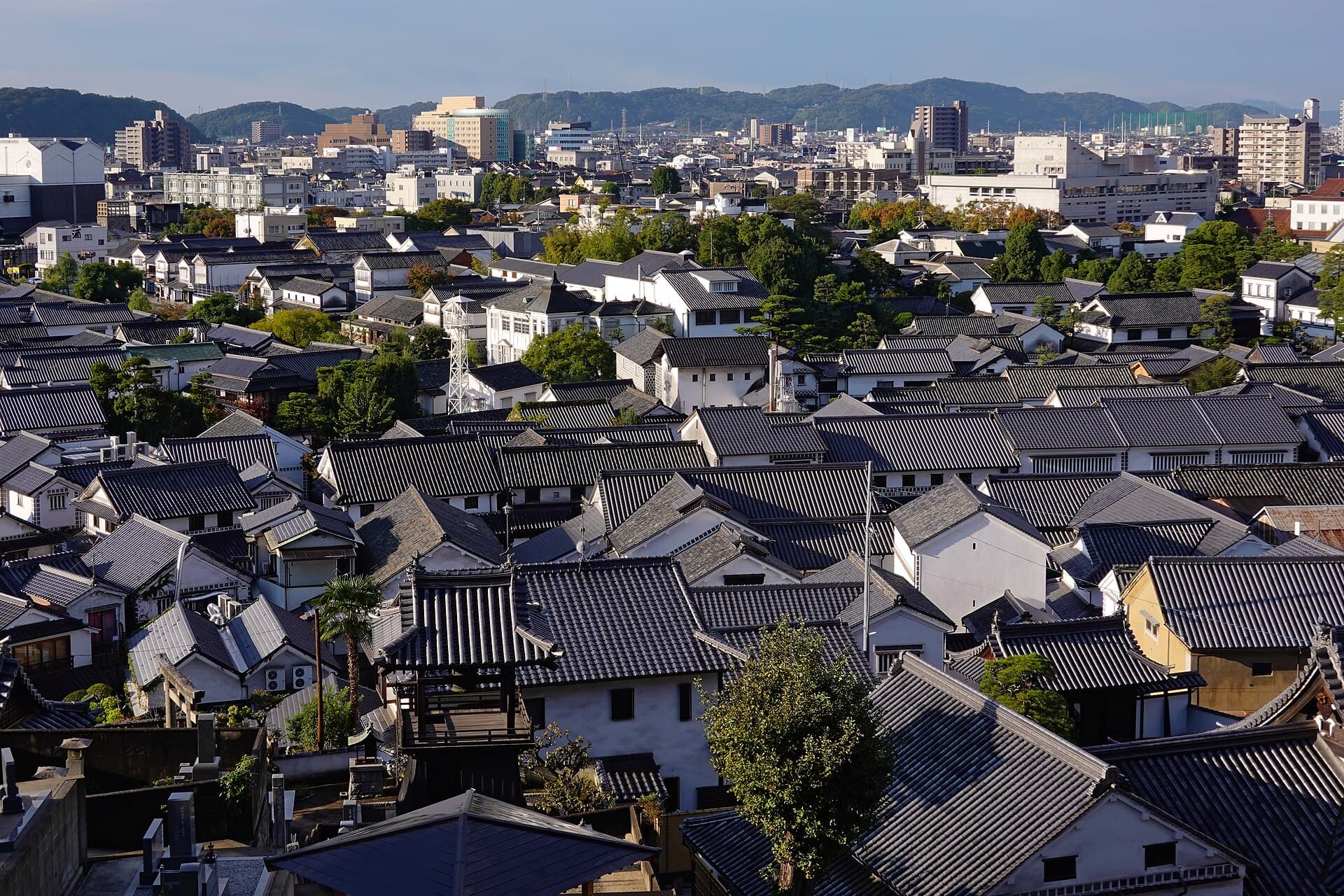 663highland / CC BY-SA 4.0, via Wikimedia Commons
Самостоятельная аудиопрогулка по Курасики — GPS-маршрут, офлайн-воспроизведение, увлекательное повествование на 32 языках.
“Где каналы периода Эдо встречаются с искусством мирового класса и джинсовым сердцем Японии.”
Не открытки. Истории, которые не знают даже местные жители — шепотом в вашем ухе, прямо там, где они произошли.
Этот музей с его неожиданным фасадом греческого храма хранит секрет своего основания, выходящий за рамки простого пожертвования.
Живописные лодки, скользящие по историческому району Курасики, предлагают больше, чем просто живописную поездку.
Курасики известен как родина японского денима, но связь между этим историческим купеческим городом и его современной текстильной славой глубже, чем кажется.
Откройте для себя каждый секрет Курасики
Каждый адрес, каждое полное раскрытие — в вашем ухе, прямо там, где это произошло.
Вы выбираете остановки. Вы гуляете. Голос раскрывает то, что упускают другие.


Ваш самостоятельный аудиотур по Курасики готов — выберите свои достопримечательности, выберите свой язык и начните в момент прибытия.
КупитьВ Lume встроен гид дополненной реальности. Поднимите телефон: камера показывает улицу перед вами, а поверх реального изображения светится стрелка, всегда указывающая на вашу следующую остановку — не нужно разбираться с картой и сворачивать не туда. Как и всё в Lume, это работает полностью офлайн.
Курасики, расположенный в префектуре Окаяма, предлагает сохранившийся взгляд на периоды Эдо и Мэйдзи в Японии, известный своим историческим кварталом Бикан. Этот район отличается складами с белыми стенами, каналами, обсаженными ивами, и каменными мостами, создавая спокойную атмосферу, которую часто сравнивают с Венецией. Когда-то являясь жизненно важным центром распределения риса, эти традиционные склады теперь вмещают множество музеев, художественных галерей, бутиков и кафе. Город предлагает уникальные впечатления, более тихие и интимные, чем крупные исторические достопримечательности, такие как Киото, что делает его привлекательным местом для тех, кто ищет более размеренный темп.
Помимо своего канального района, Курасики также известен своим значительным вкладом в современную культуру, особенно как родина японского денима. Это сочетание исторического сохранения и современного мастерства делает Курасики многогранным направлением, приглашая посетителей исследовать многовековые традиции наряду с инновационными местными отраслями. Компактная и удобная для пеших прогулок планировка города гарантирует легкий доступ к его основным достопримечательностям, что делает его идеальным для однодневной поездки или неспешного ночного пребывания.
История Курасики тесно связана с его водными путями и его ролью как торгового центра. В период Эдо (1603–1867) город находился под прямым контролем сёгуната Токугава и процветал как значительный торговый центр и центр распределения риса. Река Курасики была оживленной артерией, по которой многочисленные лодки перевозили товары, особенно рис, в Внутреннее Японское море и обратно. В эту эпоху вдоль берегов реки были построены многие матия (городские дома) и склады с белыми стенами, известные как кура, которые дали городу его название, означающее «город складов».
По мере того как Япония переходила в период Мэйдзи (1868–1912), Курасики превратился в выдающийся текстильный город. Промышленник города Охара Косиро основал прядильную фабрику Курасики, способствуя экономическому развитию региона. В 1930 году его сын, Охара Магосабуро, основал Художественный музей Охара, который стал первым частным музеем Японии, посвященным западному искусству, демонстрируя коллекцию, включающую шедевры европейских художников. Это учреждение с его экстерьером, напоминающим греческий храм, было новаторской попыткой представить западному искусству Японию и остается центральным культурным ориентиром.
Признавая уникальную красоту и историческое значение своей центральной части, город Курасики в 1969 году объявил исторический квартал Бикан зоной сохранения. В 1979 году он был дополнительно признан Национальным важным районом сохранения групп традиционных зданий. Сегодня район сохраняет свою многовековую атмосферу, без современных линий электропередач, которые могли бы нарушить сохранившиеся уличные пейзажи периодов Эдо и Мэйдзи. Традиционные склады были переоборудованы под различные магазины, кафе и музеи, позволяя посетителям окунуться в живой исторический район.
Исторический квартал Курасики Бикан — главная достопримечательность города, пешеходная зона с купеческими домами с белыми стенами, черными черепичными крышами и ивами, растущими вдоль живописного канала. Прогулка на лодке по каналу предлагает уникальный взгляд на историческую архитектуру. Билеты приобретаются в день посещения в туристическом информационном центре Курасикикан, и их количество может быстро закончиться.
Художественный музей Охара — основное место назначения, где хранится первая в Японии коллекция западного искусства с работами Эль Греко, Моне и Пикассо, а также современное японское искусство и азиатские древности. Неподалеку находится Курасики Айви Сквер — комплекс кирпичных зданий, покрытых плющом, который изначально был первой прядильной фабрикой в Японии, а теперь включает в себя отель, магазины, рестораны и музей.
Для другого культурного опыта посетите Улицу джинсов Кодзима, расположенную в районе Кодзима, известном как родина японского денима. Здесь вы найдете высококачественные японские джинсовые изделия и даже лакомства на тему денима. Другие музеи в историческом квартале Бикан включают Музей народных ремесел Курасики, Музей японских деревенских игрушек и Археологический музей Курасики. Чтобы полюбоваться панорамными видами города, поднимитесь по каменным ступеням к Святилищу Ати.
Курасики приятен для посещения круглый год, но весна (конец марта — начало апреля) особенно красива благодаря цветущей сакуре вдоль каналов. Поздняя весна (конец апреля — начало мая) также предлагает зрелище цветущей глицинии у Святилища Ати. Осень (октябрь — ноябрь) отличается мягкой погодой и красочной листвой, идеальной для прогулок. Лето (июль и август) может быть жарким и влажным, со средними температурами выше 28°C (82°F) и увеличением количества осадков. Зима (декабрь — февраль) прохладная, но в целом мягкая, со средними температурами около 5-7°C (41-45°F) и меньшим количеством осадков, а вечерние иллюминации добавляют романтический штрих.
До Курасики легко добраться на поезде. От станции Окаяма поездка на линии JR Sanyo займет 15 минут до станции Курасики. От станции Син-Осака сядьте на поезд Sanyo Shinkansen до станции Окаяма (45-60 минут), затем пересядьте на линию JR Sanyo до станции Курасики, общее время в пути составит около 1,5 часов. Из Киото поездка займет примерно 1 час 45 минут, также с пересадкой на Синкансэн до Окаямы и пересадкой. Исторический квартал Бикан находится в 10-15 минутах ходьбы от южного выхода станции Курасики.
Район в основном свободен от автомобилей и лучше всего исследуется пешком. Информационные центры для туристов расположены на станции Курасики (второй этаж отеля Terminal Hotel) и в Курасикикан, здании в западном стиле на берегу канала в историческом районе. Эти офисы предоставляют карты и брошюры. Многие музеи и достопримечательности закрыты по понедельникам, поэтому планируйте соответственно.
Курасики: корейский, китайский, иврит и ещё 29 языков — каждую остановку озвучивает носитель языка. Самый широкий выбор языков среди аудиоэкскурсий без гида.
Доступные языки: