Седлецкая костница
Жуткое искусство Седлецкой костницы всемирно известно, но легенда, стоящая за ее «святой землей», предлагает удивительную причину ее переполненности костями.
Полная история открывается в туре
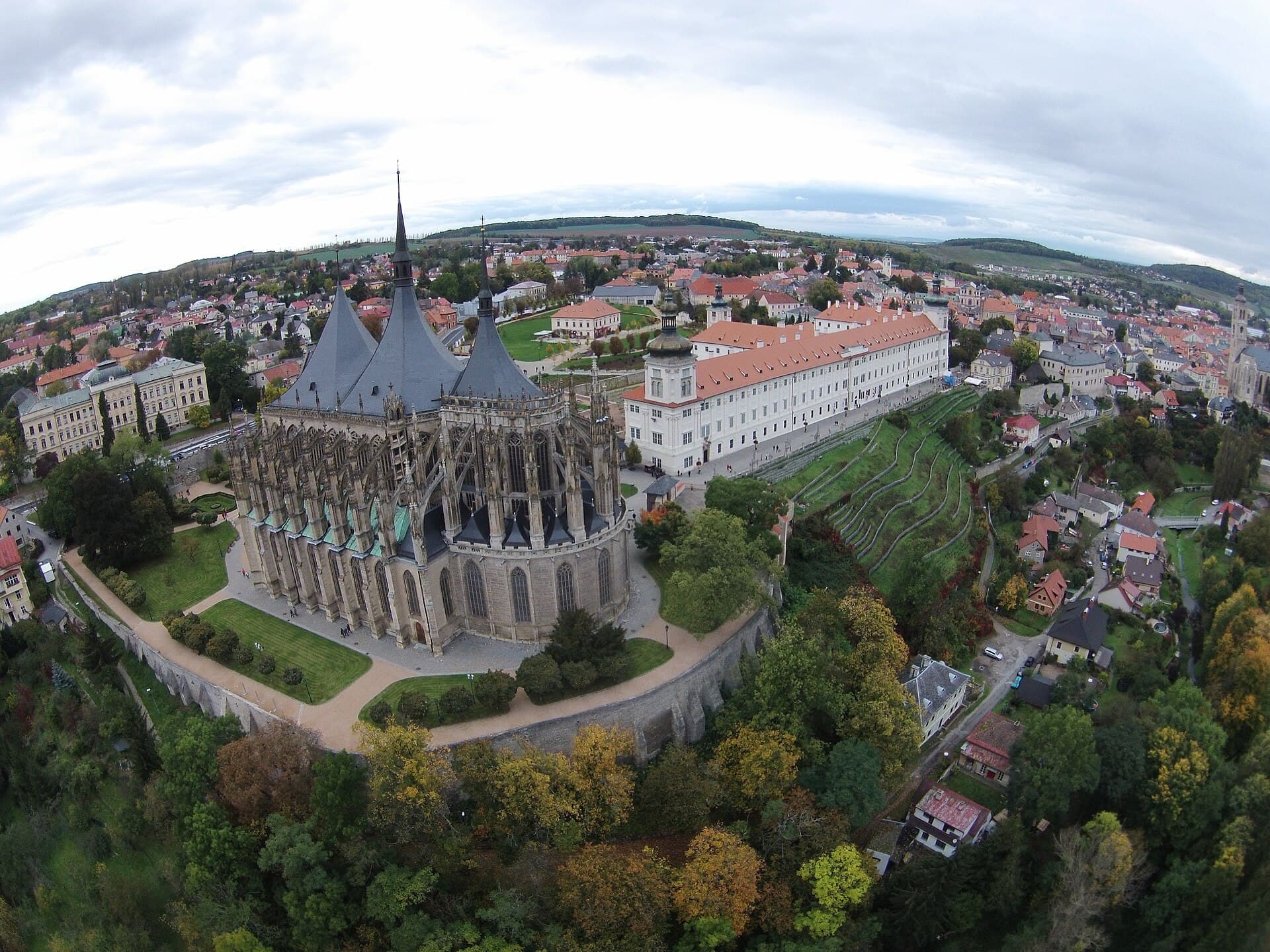 al.trcka / CC BY-SA 3.0, via Wikimedia Commons
Самостоятельная аудиопрогулка по Кутна-Гора — GPS-маршрут, офлайн-воспроизведение, увлекательное повествование на 32 языках.
“Где серебро строило соборы, а смерть стала искусством.”
Не открытки. Истории, которые не знают даже местные жители — шепотом в вашем ухе, прямо там, где они произошли.
Жуткое искусство Седлецкой костницы всемирно известно, но легенда, стоящая за ее «святой землей», предлагает удивительную причину ее переполненности костями.
Этот величественный готический собор, посвященный покровителю шахтеров, имеет на потолке едва заметную деталь, которая говорит о более глубокой, почти мистической цели, выходящей за рамки его религиозной функции.
Богатство Кутна Горы было построено на серебре, и при исследовании ее средневековых шахт вы можете заметить странные ниши, вырезанные в каменных стенах. Они не служили для поддержки конструкции или хранения инструментов.
Откройте для себя каждый секрет Кутна-Гора
Каждый адрес, каждое полное раскрытие — в вашем ухе, прямо там, где это произошло.
Вы выбираете остановки. Вы гуляете. Голос раскрывает то, что упускают другие.

Ваш самостоятельный аудиотур по Кутна-Гора готов — выберите свои достопримечательности, выберите свой язык и начните в момент прибытия.
КупитьВ Lume встроен гид дополненной реальности. Поднимите телефон: камера показывает улицу перед вами, а поверх реального изображения светится стрелка, всегда указывающая на вашу следующую остановку — не нужно разбираться с картой и сворачивать не туда. Как и всё в Lume, это работает полностью офлайн.
Кутна Гора, объект Всемирного наследия ЮНЕСКО в Чешской Республике, — это город, где отголоски процветающего прошлого звучат в его готической архитектуре и извилистых улочках. Когда-то второй по значимости город в Королевстве Богемия, его богатство проистекало из обильных серебряных рудников, которые поставляли значительную часть европейского серебра в Средние века. Эта глубокая история ощутима повсюду: от возвышающихся шпилей собора Святой Варвары до жутко уникальной Седлецкой костницы.
Помимо своих известных достопримечательностей, Кутна Гора предлагает очаровательный центральноевропейский колорит. Прогулка по Старому городу открывает коллекцию средневековых, готических, ренессансных и барочных зданий, приглашая посетителей открыть для себя тихие дворы и живописные уголки. Это место, которое захватывает воображение, предлагая яркое представление о минувшей эпохе, когда серебро было королем, а ремесла процветали.
Примерно в 70 километрах к востоку от Праги Кутна Гора является популярным местом для однодневной поездки, но она обладает достаточным характером и убедительными видами, чтобы заслужить более длительное пребывание. Город с населением около 22 000 человек сохраняет уникальную средневековую атмосферу, поддерживая свою историческую целостность, несмотря на современные разработки.
История Кутна Горы начинается в X веке с ранних признаков серебряных месторождений, но настоящий бум начался в XIII веке. Открытие обильной серебряной руды на поверхности земли вызвало серебряную лихорадку, привлекая в этот район поселенцев, особенно немецких шахтеров. Это хаотичное, пограничное поселение быстро превратилось в крупный экономический и политический центр, соперничающий с Прагой по важности.
К концу XIII века Кутна Гора добывала примерно треть европейского серебра. В 1300 году чешский король Вацлав II основал Королевский монетный двор в Итальянском дворе, где до 1547 года чеканились влиятельные пражские гроши. В этот период были построены многие выдающиеся готические памятники города, включая собор Святой Варвары, Каменный фонтан и церковь Святого Якуба.
Однако процветание города начало угасать в XVI веке по мере истощения серебряных месторождений. Самая глубокая шахта «Осел» была закрыта, а чеканка пражских грошей прекратилась. Кутна Гора понесла дальнейшие потери во время гуситских войн в XV веке: Седлецкий монастырь был сожжен, а горные работы нарушены. Тридцатилетняя война и последующие эпидемии чумы в XVII веке еще больше способствовали ее упадку, а крупный пожар в 1770 году уничтожил большую часть города. Шахты были официально закрыты в конце XVIII века.
Несмотря на эти трудности, Кутна Гора сохранила свой уникальный средневековый характер. В 1995 году ее исторический центр, включая Седлецкий аббатство и костницу, а также собор Святой Варвары, был внесен в список Всемирного наследия ЮНЕСКО, признавая его выдающуюся архитектуру и историческое значение. Сегодня он является свидетельством его непреходящего прошлого, предлагая посетителям глубокое путешествие по векам чешской истории.
Кутна Гора предлагает впечатляющий набор достопримечательностей, каждая из которых рассказывает часть ее истории, выкованной серебром. Седлецкая костница, часто называемая «Костяной церковью», — это небольшая римско-католическая часовня, украшенная скелетами от 40 000 до 70 000 человек, искусно расположенными в жутких, но художественных композициях, включая люстру и герб Шварценбергов.
Доминирует над городским пейзажем собор Святой Варвары, великолепный готический собор, посвященный покровителю шахтеров. Его строительство, охватывающее более 500 лет, демонстрирует различные архитектурные стили, от готики до витражей в стиле модерн. Внутри полюбуйтесь редкими готическими фресками, изображающими шахтерскую жизнь, и замысловатой резьбой по дереву.
Итальянский двор (Vlašský dvůr), первоначально королевский монетный двор и резиденция, является еще одной ключевой достопримечательностью. Здесь чеканились знаменитые пражские гроши. Сегодня здесь находится музей, где вы можете узнать о производстве монет.
Чтобы глубже погрузиться в горнодобывающее наследие города, посетите Градек, где находится Чешский музей серебра. Музей предлагает экскурсии, в том числе «Путешествие серебра», которое ведет вас в настоящую средневековую серебряную шахту. Прогуляйтесь по Старому городу, чтобы открыть для себя очаровательные переулки, готический Каменный фонтан XV века и барочную Чуму.
Кутна Гора — это круглогодичное направление, каждый сезон предлагает разную атмосферу. Самое популярное время для посещения — с апреля по октябрь, когда погода мягкая и приятная для прогулок, а все музеи и достопримечательности имеют продленные часы работы. Весна приносит цветущие парки, а лето — оживленные фестивали, такие как «Королевское серебрение Кутна Горы» в конце июня, историческое празднование, которое возвращает город на 600 лет назад. Осень предлагает более прохладную погоду, теплые цвета и меньше толп. Зима тише и более бюджетна, с особой атмосферой вокруг Рождества, хотя часы работы некоторых достопримечательностей могут быть сокращены, а экскурсия по средневековой шахте может быть закрыта. Чтобы избежать больших толп, особенно однодневных туристов из Праги, рассмотрите возможность посещения в будние дни или прибытия рано утром.
Кутна Гора легко доступна из Праги, что делает ее популярным местом для однодневной поездки. Поезда отправляются с главного железнодорожного вокзала Праги (Praha hlavní nádraží), время в пути занимает примерно от 1 до 1,5 часов. Для удобства купите билет до «Kutná Hora město», который находится ближе к центру города и требует короткой пересадки на станции Kutná Hora hl.n. Автобусы также являются вариантом, время в пути от станции Прага Хайе составляет около 1 часа 40 минут.
Находясь в Кутна Горе, основные достопримечательности находятся в пешей доступности друг от друга, хотя Седлецкая костница находится примерно в километре от главного железнодорожного вокзала. Местные автобусы или такси могут соединить разные части города. Планируйте не менее половины дня, хотя полный день позволяет более спокойно исследовать город. Рекомендуется носить удобную обувь из-за мощеных и иногда холмистых улиц. Рассмотрите возможность покупки комбинированного билета для основных достопримечательностей, чтобы сэкономить деньги. В туристических районах широко говорят по-английски. Всегда проверяйте часы работы заранее, особенно в межсезонье.
Кутна-Гора: корейский, китайский, иврит и ещё 29 языков — каждую остановку озвучивает носитель языка. Самый широкий выбор языков среди аудиоэкскурсий без гида.
Доступные языки: