Bodega Brew Pub
Este pub histórico no centro da cidade é supostamente frequentado por um residente espectral permanente.
História completa desbloqueada no tour
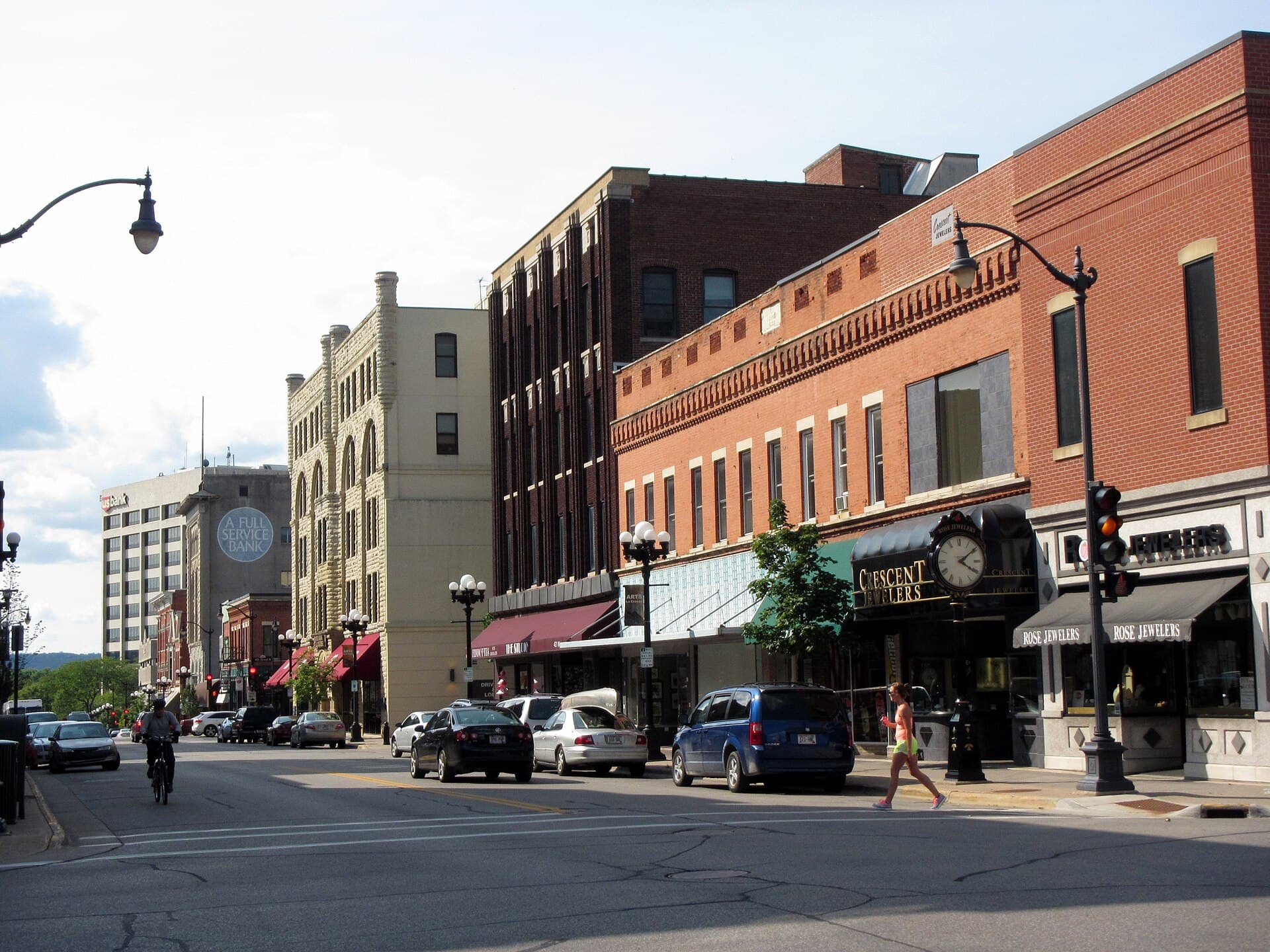 Bohao Zhao / CC BY 3.0, via Wikimedia Commons
Tour de áudio autoguiado por La Crosse — rota GPS a pé, reprodução offline, narração envolvente em 32 idiomas.
“Onde as falésias encontram o Mississippi, as histórias fluem tão livremente quanto o rio.”
Não os postais. As histórias que nem os locais conhecem — sussurradas ao seu ouvido, exatamente onde aconteceram.
Este pub histórico no centro da cidade é supostamente frequentado por um residente espectral permanente.
Sob este parque tranquilo no centro da cidade, jaz uma história comovente de remoção forçada.
Deste mirante conhecido, você pode observar não apenas um, mas três estados ao mesmo tempo.
Descubra cada segredo de La Crosse
Cada endereço, cada revelação na íntegra — no seu ouvido, exatamente onde aconteceu.
Você escolhe as suas paragens. Você caminha. A voz revela o que os outros perdem.
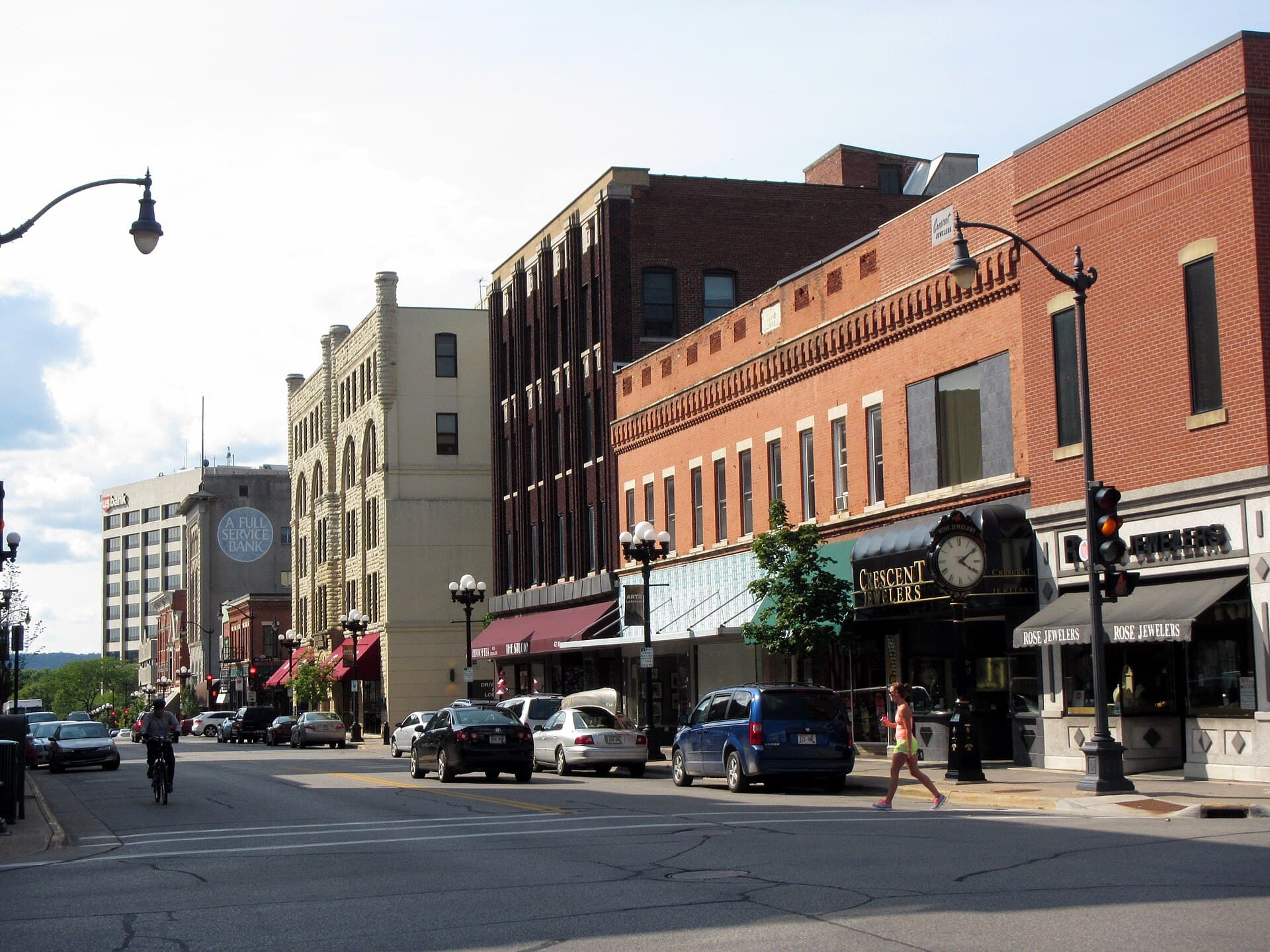
O seu tour áudio autoguiado de La Crosse está pronto — escolha os seus pontos de interesse, selecione o seu idioma e comece no momento em que chegar.
ComprarA Lume inclui um guia de realidade aumentada. Levante o telemóvel: a câmara mostra a rua à sua frente, com uma seta luminosa sobreposta à imagem real que aponta sempre para a sua próxima paragem — sem mapa para decifrar, sem voltas erradas. Como tudo na Lume, funciona totalmente offline.
La Crosse, Wisconsin, é uma cidade definida por seu cenário natural dramático, onde penhascos imponentes se erguem abruptamente do Vale do Rio Mississippi. Essa topografia única faz parte da Região Driftless, uma área intocada pelo último avanço glacial, resultando em uma paisagem de vales profundos e colinas íngremes. A própria cidade fica na confluência dos rios Mississippi, Black e La Crosse, oferecendo uma mistura de beleza ribeirinha e formações geológicas impressionantes.
Mais do que apenas uma parada cênica, La Crosse é um centro dinâmico no oeste de Wisconsin. Serve como um centro regional para educação, medicina, manufatura e transporte, com uma população de mais de 52.000 residentes em 2020. A economia da cidade é impulsionada por seu status de cidade universitária, lar de quase 20.000 estudantes na University of Wisconsin–La Crosse, Viterbo University e Western Technical College. O Condado de La Crosse também é reconhecido como um dos dez principais destinos turísticos de Wisconsin, gerando gastos significativos relacionados a viagens.
A terra hoje conhecida como La Crosse era originalmente uma pradaria de areia aberta, habitada pelo povo Ho-Chunk por milênios. Eles chamavam essa área de Hįnųkwas (hee-nook-was aja), nomeada pela forma de duas colinas próximas. Os Ho-Chunk, juntamente com os Ojibwe e Sioux, frequentaram a área de La Crosse por mais de 1.000 anos, principalmente como caçadores, agricultores e pescadores. Exploradores franceses em 1673 foram os primeiros europeus a documentar a área, observando povos indígenas jogando um jogo de bola com raquetes de cabo longo, o que os lembrou de seu próprio jogo, la crosse. Essa observação levou a área a ser chamada de "Prairie à la Crosse", um nome posteriormente encurtado para La Crosse.
O assentamento europeu permanente começou em 1841 com Nathan Myrick, um jovem de 19 anos de Nova York, que estabeleceu um posto de comércio de peles. Myrick foi recebido pelos Ho-Chunk, e seu posto de comércio ficava inicialmente na Ilha Barron (agora Pettibone Park) antes de se mudar para o continente. A cidade cresceu rapidamente, com uma agência postal estabelecida em 1844 e uma loja geral em 1846. Em 1853, a população atingiu 543, e a vila foi legalmente incorporada como cidade em 1856.
A metade do século XIX viu La Crosse se transformar em um importante centro industrial e comercial. A extração de madeira tornou-se a primeira grande indústria, impulsionada pelas extensas florestas de pinho branco de Wisconsin. Mais de 4.000 pessoas foram empregadas na indústria madeireira, com árvores derrubadas flutuando pelo Rio Black até as 33 serrarias da área. Barcos a vapor também foram cruciais, trazendo milhares de imigrantes e transportando mercadorias, com 1857 marcando um ano de pico para desembarques de barcos a vapor em La Crosse. No entanto, em 1880, as ferrovias começaram a suplantar o comércio de barcos a vapor.
A fabricação de cerveja também se tornou uma indústria proeminente, com imigrantes europeus estabelecendo cervejarias na década de 1850. Em 1884, La Crosse produzia mais cerveja do que qualquer outra cidade em Wisconsin. A G. Heileman Brewing Company, com sede em La Crosse, até criou a La Croix Sparkling Water. O crescimento da cidade foi ainda mais solidificado com o estabelecimento de três faculdades e universidades por volta do início do século XX, cimentando seu papel como um centro educacional.
Comece sua exploração de La Crosse com uma visita a Grandad Bluff, que oferece vistas panorâmicas da cidade, do Rio Mississippi e até mesmo de partes de Minnesota e Iowa em um dia claro. Várias trilhas estão disponíveis no penhasco para caminhadas. Para uma perspectiva diferente do Mississippi, considere um cruzeiro a bordo do La Crosse Queen, uma réplica de barcos a vapor do século XIX, ou um ecoturismo pelas águas secundárias do rio.
O centro de La Crosse oferece uma variedade de lojas e restaurantes, e você pode passear pelo Riverside Park, um favorito local de longa data para caminhar, correr ou simplesmente observar o tráfego fluvial. Os Riverside International Friendship Gardens também são um local agradável para uma caminhada. Para aqueles interessados em história e cultura local, a cidade sedia vários festivais ao longo do ano, incluindo uma das maiores celebrações de Oktoberfest da América do Norte. O World's Largest Six-Pack, uma atração rodoviária distinta na City Brewing Company, também vale a pena ver.
La Crosse oferece experiências distintas ao longo do ano. Para atividades ao ar livre em clima quente, a melhor época para visitar é de meados de junho a início de setembro, quando as temperaturas médias são confortáveis e a umidade é gerenciável. Julho é tipicamente o mês mais quente, com máximas médias em torno de 29°C (84°F). A primavera traz flores, enquanto o outono exibe folhagens brilhantes nos penhascos, tornando essas temporadas de transição visualmente atraentes. O inverno oferece oportunidades para passeios de snowmobile, esqui cross-country e pesca no gelo.
La Crosse é acessível por ônibus, carro ou trem, e o Aeroporto Regional de La Crosse (LSE) está localizado na French Island, conectada ao continente por uma ponte. O sistema de transporte público da cidade, La Crosse MTU, oferece serviços de ônibus em toda a cidade. Para se locomover, caminhar e andar de bicicleta são opções populares, com extensas redes de trilhas como a La Crosse River State Trail e trilhas em Hixon Forest. Táxis e serviços de transporte por aplicativo também estão disponíveis. Ao jantar, certifique-se de experimentar os favoritos locais como queijo coalho (cheese curds) e bratwurst. A cidade é um local popular para trivia de pub, com vários locais sediando eventos durante a semana.
La Crosse — coreano, chinês, hebraico e mais 29 idiomas, cada parada narrada por uma voz nativa. A maior variedade de idiomas entre os passeios de áudio autoguiados.
Disponível em: