Fort de la Goulette (Karraka)
La designación 'Karraka' para el fuerte es más que una etiqueta histórica; es una palabra que resuena diariamente en el habla tunecina.
La historia completa se desbloquea en el tour
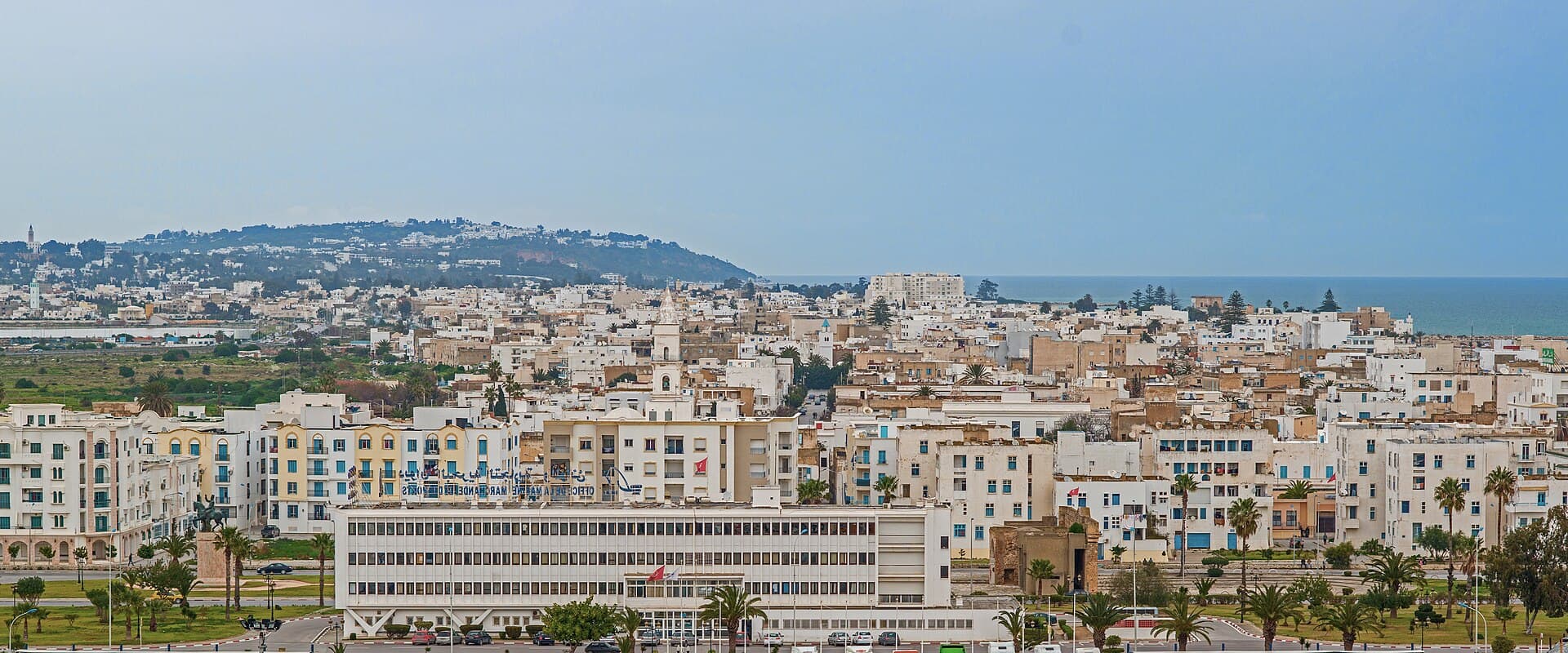 Bengt Nyman / CC BY 2.0, via Wikimedia Commons
Tour de audio autoguiado de La Goleta — ruta GPS a pie, reproducción offline, narración en 32 idiomas.
“Donde el Mediterráneo susurra imperios y las capturas frescas del día.”
No las postales. Las historias que ni los locales conocen — al oído, justo donde ocurrieron.
La designación 'Karraka' para el fuerte es más que una etiqueta histórica; es una palabra que resuena diariamente en el habla tunecina.
La Goulette fue una vez reconocida como 'La Petite Sicile', un testimonio de una comunidad floreciente que moldeó su carácter.
Localizar la Sinagoga Bet Mordechai puede resultar un desafío, incluso para los residentes, sin embargo, alberga una profunda narrativa de resistencia.
Descubre todos los secretos de La Goleta
Cada dirección, cada revelación al completo — a tu oído, justo donde ocurrió.
Eliges tus paradas. Caminas. La voz te revela lo que los demás ignoran.


Tu tour de audioguía por La Goleta te espera — elige tus lugares, tu idioma y empieza al llegar.
ComprarLume incluye una guía de realidad aumentada. Levanta el móvil y su cámara muestra la calle que tienes delante, con una flecha luminosa sobre la imagen real que siempre apunta a tu próxima parada — sin mapas que descifrar, sin giros equivocados. Como todo en Lume, funciona completamente sin conexión.
La Goulette, o Halq al-Wadi en árabe, funciona como el puerto activo de Túnez, situado en una barra de arena entre el lago de Túnez y el golfo de Túnez. Su nombre, derivado del español 'garganta', describe precisamente su ubicación en el estrecho canal que conecta el lago con el mar Mediterráneo. Más allá de su papel como entrada funcional, La Goulette presenta una mezcla de encanto costero, profundidad histórica y una atmósfera animada, lo que la convierte en una parada atractiva para quienes exploran Túnez.
Aunque principalmente es una ciudad portuaria, La Goulette ha evolucionado hasta convertirse en un lugar reconocido por sus mariscos frescos, sus animadas interacciones locales y su cómodo acceso a algunos de los sitios más perdurables de Túnez. Es un lugar donde los sonidos rítmicos del puerto se mezclan con las conversaciones diarias de cafés y mercados. La esencia de la ciudad está moldeada por su legado marítimo y las diversas comunidades que la han habitado durante siglos.
Para muchos, La Goulette actúa como un punto de partida práctico para viajes a los antiguos vestigios de Cartago, el pintoresco pueblo de Sidi Bou Said y la histórica Medina de Túnez, todos a poca distancia. Sin embargo, la ciudad misma invita al descubrimiento, prometiendo auténticas experiencias tunecinas lejos de las zonas más explícitamente turísticas.
La historia de La Goulette está profundamente conectada con su posición estratégica en la entrada del lago de Túnez. La ciudad ha servido como un puerto crucial y una fortaleza defensiva durante siglos, una importancia reconocida por varios imperios que competían por el control regional.
La primera fortificación sustancial, el Fuerte de la Goulette, también conocido como la Karraka, fue erigida por los españoles en 1535. Esta construcción siguió a la conquista de Túnez por Carlos V, con la intención de asegurar el paso a la ciudad y su laguna. El fuerte español original era una estructura abaluartada cuadrada con cuatro torres en las esquinas. Bajo Felipe II a mediados del siglo XVI, estas defensas se ampliaron para incluir un recinto de seis baluartes, que abarcaba un nuevo asentamiento denominado "Nueva Goulette".
Sin embargo, la autoridad española no fue absoluta. En 1534, Hayreddin Barbarroja, un comandante de la flota otomana, había tomado brevemente La Goulette y Túnez en nombre del sultán otomano Solimán I. Más tarde, en 1574, los otomanos, liderados por Koca Sinan Pacha, recuperaron La Goulette, restaurando partes de las defensas y manteniendo una pequeña guarnición. Esto marcó la conclusión de la influencia española y el inicio del período otomano husainí.
Durante el siglo XIX, el propósito del fuerte se transformó considerablemente al ser convertido en prisión. Esta época también fue testigo del surgimiento de La Goulette como un retiro de verano favorito, particularmente para la comunidad europea en Túnez. El área conocida como "La Petite Sicile" refleja la considerable presencia de comunidades judías, italianas y maltesas que contribuyeron al variado tejido cultural de la ciudad.
En los primeros años del protectorado francés, el puerto de Túnez, incluida La Goulette, experimentó un fuerte aumento del tráfico. Más allá de su papel como puerto pesquero, La Goulette se convirtió en un centro industrial con la construcción de una central eléctrica. Hoy en día, La Goulette sigue siendo un importante puerto comercial, gestionando una parte sustancial de las importaciones y exportaciones de Túnez, incluidos automóviles, cereales a granel, fosfatos, mineral de hierro y frutas y verduras. Hay planes en curso para que el puerto se especialice exclusivamente en el tráfico de pasajeros y turistas.
Comience su exploración en el Fuerte de la Goulette (Karraka), una histórica fortaleza construida por los españoles que más tarde pasó a control otomano. Pasee por sus muros para imaginar siglos de defensa marítima y disfrute de las vistas del mar Mediterráneo y el puerto activo. El fuerte ocasionalmente alberga eventos culturales.
Camine por la Rue de la Marine, la animada calle principal de la ciudad, donde podrá observar la vida diaria, explorar tiendas y descubrir cafés y restaurantes. Esta zona, junto con la Avenida Franklin Roosevelt, es conocida por sus establecimientos de mariscos. Para echar un vistazo al diverso pasado de la ciudad, busque La Petite Sicile, un distrito que una vez albergó importantes comunidades sicilianas y maltesas.
Aunque La Goulette tiene su propia playa de arena, es principalmente una zona portuaria de trabajo y algunos visitantes encuentran la infraestructura limitada. Sin embargo, ofrece una visión de la vida costera local. Para una experiencia de playa más tradicional, Sidi Bou Said o otras playas regionales cercanas podrían ser preferibles.
La Goulette también sirve como un conveniente punto de partida para explorar atracciones cercanas. El antiguo Sitio Arqueológico de Cartago, declarado Patrimonio de la Humanidad por la UNESCO, está a poca distancia en coche. El pintoresco pueblo de Sidi Bou Said, con su icónica arquitectura blanca y azul y sus amplias vistas de la bahía de Túnez, también es de fácil acceso. La animada Medina de Túnez, otro sitio de la UNESCO, ofrece una profunda inmersión en la cultura e historia tunecinas.
El momento ideal para visitar La Goulette es durante la primavera (abril a junio) o el otoño (septiembre a octubre). Durante estos meses, el clima es cálido y soleado, con temperaturas que oscilan entre 20°C y 25°C (68°F y 77°F), lo que lo hace adecuado para hacer turismo y explorar los mercados locales. Los cielos suelen estar despejados, perfectos para la fotografía.
Los meses de verano (junio a agosto) son animados, con festivales y eventos al aire libre, pero las temperaturas pueden superar los 30°C (86°F) y la ciudad puede estar concurrida. Para actividades de clima cálido como nadar y relajarse en la playa, se recomienda de mediados de junio a mediados de septiembre.
La moneda oficial en La Goulette es el dinar tunecino (TND). Hay cajeros automáticos disponibles y se aceptan tarjetas de crédito en la mayoría de los hoteles y restaurantes, aunque los mercados más pequeños a menudo prefieren efectivo. El árabe es el idioma oficial, pero el francés se habla ampliamente debido a las influencias históricas, y el inglés se entiende comúnmente en las zonas turísticas.
La Goulette es compacta y fácilmente transitable a pie. Para viajar a Túnez o Sidi Bou Said, los taxis son una opción fiable; siempre pida al conductor que use el taxímetro o acuerde un precio de antemano. La línea de tren ligero TGM (Túnez-Goulette-Marsa) también conecta La Goulette con Túnez y sus suburbios del norte, incluidos Cartago y Sidi Bou Said, proporcionando una experiencia más local. Sin embargo, la estación TGM podría no ser fácilmente accesible a pie desde el puerto de cruceros para los visitantes primerizos.
La Goulette se considera generalmente segura para los visitantes. Es aconsejable estar atento a su entorno, especialmente en áreas concurridas, y asegurar sus pertenencias. Al visitar sitios religiosos o barrios tradicionales, es respetuoso mantener los hombros y las rodillas cubiertos.
La Goleta en coreano, en chino o en hebreo — y 29 idiomas más, cada parada narrada por una voz nativa. La mayor variedad de idiomas de cualquier audioguía autoguiada.
Disponible en: