Plaza del Ayuntamiento
Каждый год центральная площадь Ла Оротавы превращается в эфемерное произведение искусства.
Полная история открывается в туре
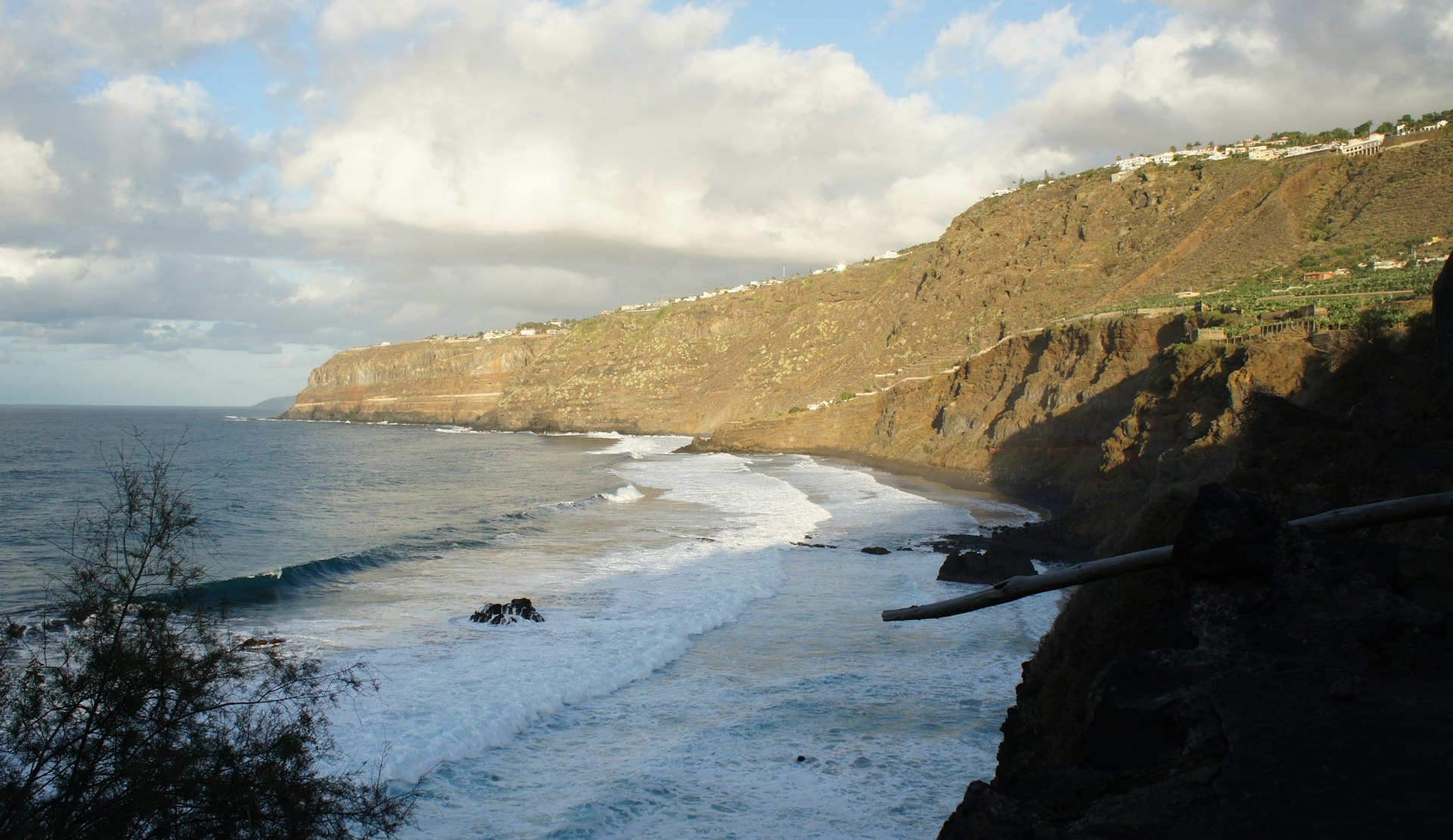 Photo: Boris Busorgin / Unsplash
Самостоятельная аудиопрогулка по Ла-Оротава — GPS-маршрут, офлайн-воспроизведение, увлекательное повествование на 32 языках.
“Прогуляйтесь по живой картине канарского барокко и вечных традиций.”
Не открытки. Истории, которые не знают даже местные жители — шепотом в вашем ухе, прямо там, где они произошли.
Каждый год центральная площадь Ла Оротавы превращается в эфемерное произведение искусства.
Эти террасные сады были построены с единственной, тихой целью, бросая вызов религиозным обычаям XIX века.
Помимо знаменитых деревянных балконов, этот исторический дом имеет тихую связь с поворотным моментом в самом знаменитом фестивале города.
Откройте для себя каждый секрет Ла-Оротава
Каждый адрес, каждое полное раскрытие — в вашем ухе, прямо там, где это произошло.
Вы выбираете остановки. Вы гуляете. Голос раскрывает то, что упускают другие.


Ваш самостоятельный аудиотур по Ла-Оротава готов — выберите свои достопримечательности, выберите свой язык и начните в момент прибытия.
КупитьВ Lume встроен гид дополненной реальности. Поднимите телефон: камера показывает улицу перед вами, а поверх реального изображения светится стрелка, всегда указывающая на вашу следующую остановку — не нужно разбираться с картой и сворачивать не туда. Как и всё в Lume, это работает полностью офлайн.
Ла Оротава, исторический город на севере Тенерифе, предлагает окно в колониальное прошлое острова, тихое противостояние более активным прибрежным курортам. Расположенный в зеленой долине, с внушительным силуэтом вулкана Тейде на горизонте, городские крутые мощеные улочки выложены тщательно сохранившейся испанской архитектурой XVII века. Это место, где история переплетается с местной культурой, что делает его привлекательным местом для тех, кто ищет подлинный канарский опыт.
Помимо своей архитектурной изящности, Ла Оротава известна своими уникальными традициями, особенно изысканными коврами из цветов и песка, созданными для фестиваля Тела Христова. Расположение города также служит воротами в Национальный парк Тейде, высочайшую вершину Испании, открывая разнообразный ландшафт, меняющийся от вулканических берегов до сосновых лесов. Независимо от того, являетесь ли вы энтузиастом истории, любителем природы или просто хотите погрузиться в местные обычаи, Ла Оротава предлагает увлекательное путешествие по культурному и природному наследию Тенерифе.
Территория, ныне известная как Ла Оротава, когда-то была центром Менсеято Таоро, одного из самых процветающих и влиятельных королевств гуанчей, коренных жителей Тенерифе, до испанского завоевания. Плодородная вулканическая почва долины Оротава делала ее продуктивным регионом для сельского хозяйства и животноводства. Испанское завоевание Тенерифе завершилось в 1496 году, а город Ла Оротава начал формироваться в начале XVI века после распределения земель поселенцам.
В течение XVI и XVII веков Ла Оротава превратилась в жизненно важный сельскохозяйственный и коммерческий центр. Склоны долины изначально были отведены под выращивание сахарного тростника, очень востребованного продукта, который принес значительное процветание и привел к строительству элегантных особняков. По мере изменения сахарного рынка экономика переключилась на производство вина, особенно знаменитых вин Мальвазия и Канарский Сак. Этот период также ознаменовался значительным художественным и архитектурным развитием, строительством церквей в стиле барокко, монастырей и дворцов. Церковь Ла Консепсьон, яркий пример канарского барокко, была перестроена между 1768 и 1788 годами после того, как землетрясение повредило ее предшественницу.
В 1648 году король Филипп IV предоставил Ла Оротаве титул "Villa Exenta", освободив ее от административного влияния Ла Лагуны и позволив ей управлять собственным бюджетом на городские улучшения. Отличительная система акведуков и водяных мельниц города, которые обеспечивали мукой, а затем и электричеством, играла решающую роль в его экономике до XX века. К XIX веку выращивание кошенили и бананов еще больше способствовало процветанию города. Исторический центр Ла Оротавы был объявлен Conjunto Histórico в 1976 году и признан в Инвентаре европейской защиты культурного наследия. Сегодня город сохраняет свой аристократический дух и непреходящее наследие, приглашая посетителей вернуться в прошлое.
Начните свое исследование в историческом центре, объявленном Историко-художественным памятником, где многие здания имеют таблички с описанием их прошлого. Каса де лос Бальконес (Дом балконов) — это впечатляющая остановка, особняк XVII века, демонстрирующий традиционную канарскую архитектуру с ее характерными резными деревянными балконами и внутренним двором. Внутри он функционирует как музей и исследовательский центр европейских и американских ремесел, предлагая представление о местных ремеслах.
Всего в нескольких минутах ходьбы вы найдете Хардинес дель Маркесадо де ла Кинта Роха, также известные как Сады Виктории. Эти террасные сады, спроектированные в XIX веке, предлагают прекрасные виды на Ла Оротаву и окрестности, с дорожками, фонтанами и разнообразными растениями. Впечатляющая Церковь Нуэстра Сеньора де ла Консепсьон считается шедевром канарской барочной архитектуры, с ее величественным фасадом, оригинальными башнями и великолепным куполом, видимым из разных точек города.
Не пропустите Пласа де ла Конститусьон, оживленную площадь с киоском в нео-мудехарском стиле, окруженную кафе и историческими зданиями. Чтобы прикоснуться к местной истории, исследуйте оставшиеся водяные мельницы (Молинос де Гофио), некоторые из которых до сих пор продают традиционный канарский гофио. Муниципалитет также включает значительную часть Национального парка Тейде, предлагая возможности для пеших прогулок и знакомства с вулканическими ландшафтами.
Ла Оротава наслаждается мягким климатом круглый год, что делает ее приятным местом в любое время. Весна (март-май) предлагает комфортную температуру, цветущую флору и меньше туристов, что идеально подходит для изучения садов и активного отдыха. Лето теплое и сухое, подходит для посещения культурных мероприятий и фестивалей. Самые теплые месяцы — июль и август, со средней температурой около 21-22°C. Осень приносит немного более прохладные температуры и меньшее количество туристов, что делает ее отличным временем для пеших прогулок и посещения исторических мест. Самое знаковое время для посещения — фестиваль Тела Христова, обычно в июне, когда улицы украшены зрелищными коврами из цветов и вулканического песка.
Ла Оротава расположена примерно в 28 км к юго-западу от Санта-Крус-де-Тенерифе, столицы острова. Если вы прибываете на машине, воспользуйтесь автомагистралью TF-5; парковку рекомендуется искать на подземной парковке на Пласа де ла Конститусьон, чтобы избежать узких улиц с односторонним движением в историческом центре. Общественные автобусы (гуагуас) соединяют Ла Оротаву с Пуэрто-де-ла-Крус (10-15 минут езды), Санта-Крус и Ла Лагуной. Автобусы в Национальный парк Тейде ходят один раз в день, поэтому рекомендуется заранее проверять расписание.
Хотя в туристических зонах говорят по-английски, знание нескольких испанских фраз обогатит общение с местными жителями. Уважайте местную традицию сиесты, так как некоторые небольшие магазины могут закрываться с 14:00 до 17:00. Носите удобную обувь, так как улицы города крутые и лучше всего их исследовать пешком. Климат на севере Тенерифе может быть прохладнее, чем на юге, поэтому рекомендуется легкая куртка или свитер.
Ла-Оротава: корейский, китайский, иврит и ещё 29 языков — каждую остановку озвучивает носитель языка. Самый широкий выбор языков среди аудиоэкскурсий без гида.
Доступные языки: