Tour de la Lanterne
Dit is niet zomaar een vuurtoren; het is een bibliotheek met een duister verleden.
Volledig verhaal ontgrendeld in de tour
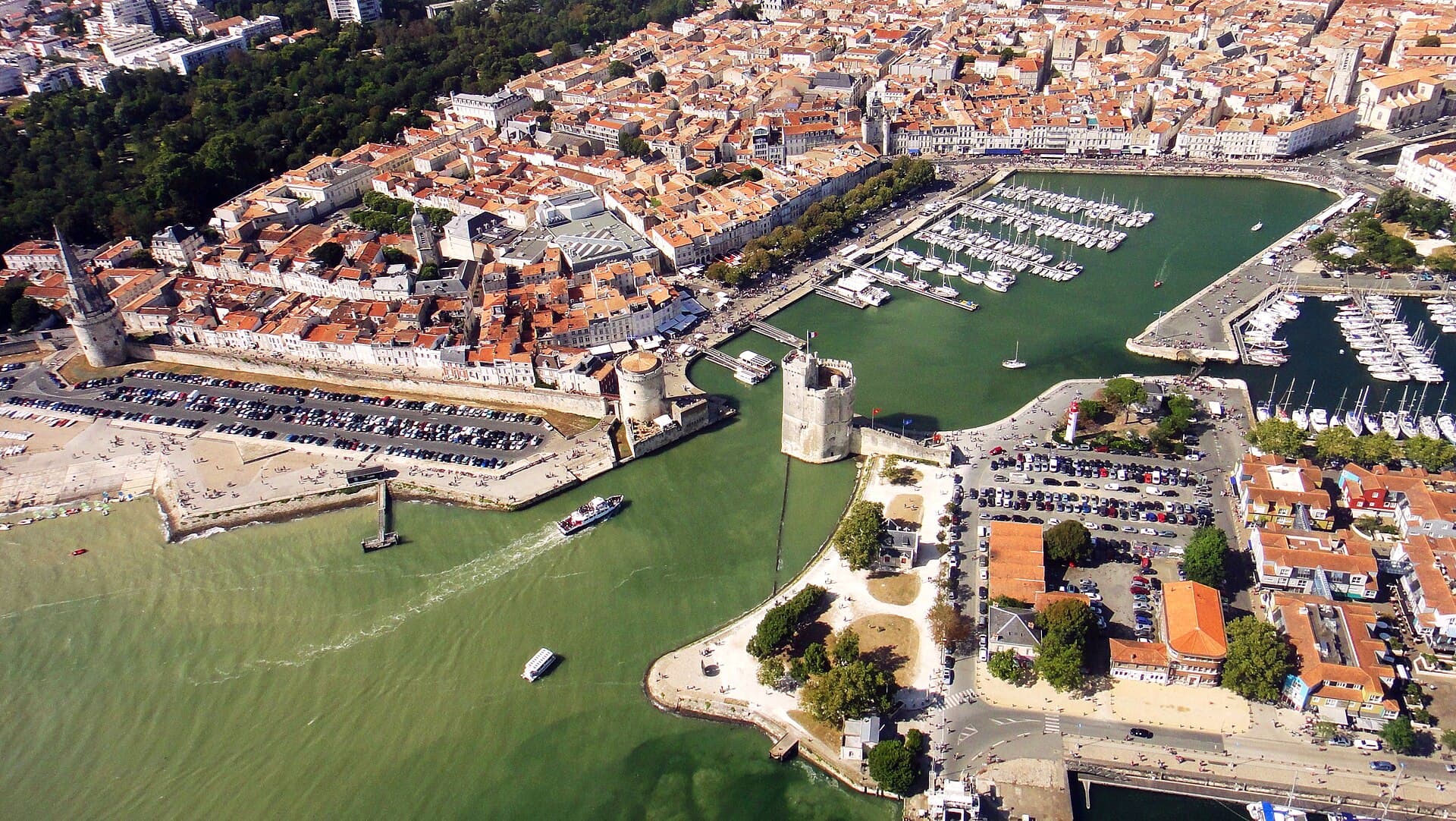 Mister Brown / CC BY-SA 3.0, via Wikimedia Commons
Zelfgeleide audiowandeling door La Rochelle — GPS-route, offline afspelen, meeslepende vertelling in 32 talen.
“Zoutige lucht, oude torens en de blijvende geest van een rebelse haven.”
Niet de ansichtkaarten. De verhalen die zelfs locals niet kennen — gefluisterd in je oor, precies waar ze gebeurden.
Dit is niet zomaar een vuurtoren; het is een bibliotheek met een duister verleden.
Loop door deze straat en je loopt op een stukje Canada.
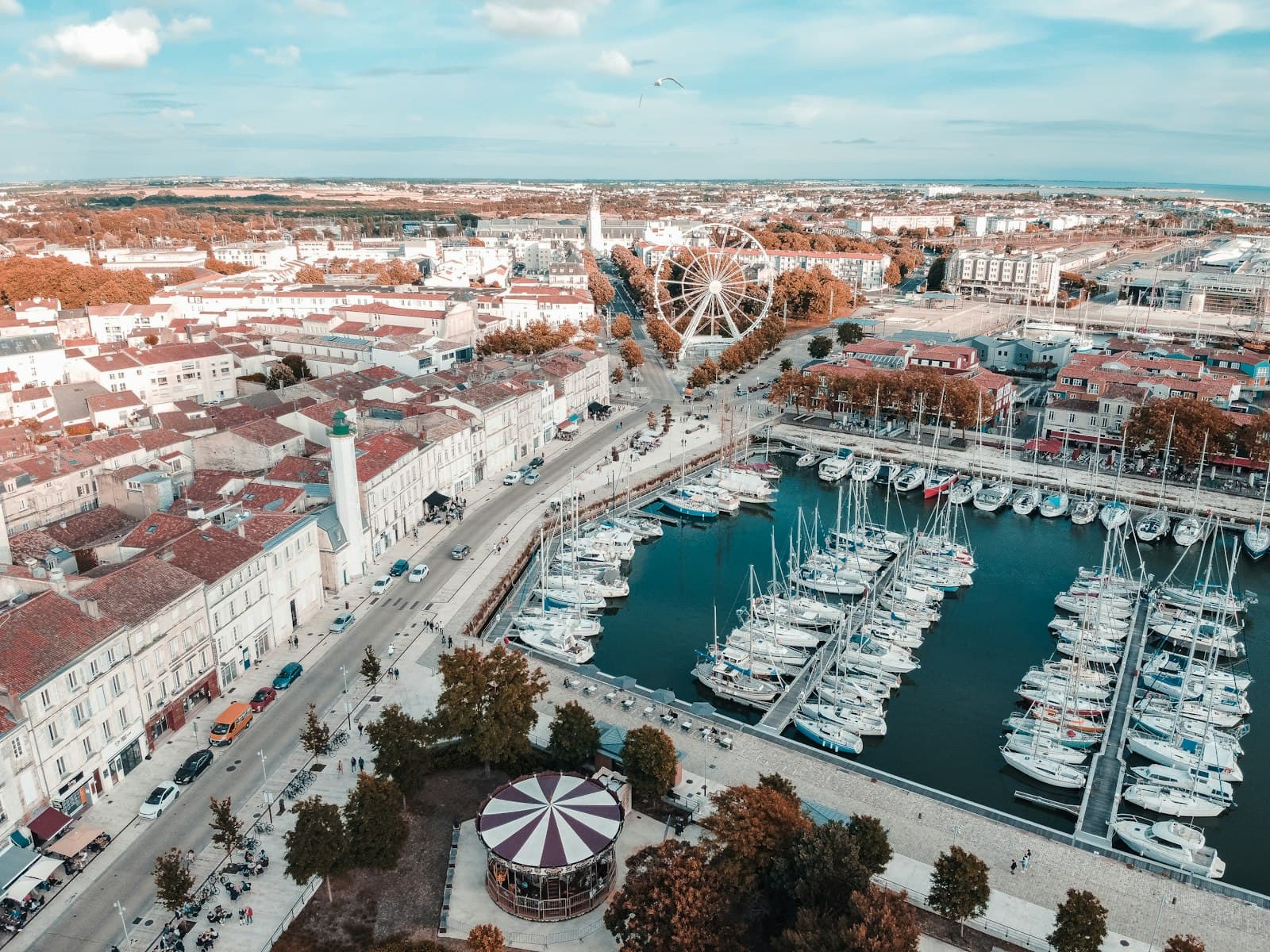
De hedendaagse jachthaven van La Rochelle heeft een opmerkelijk onderscheid.
Ontdek elk geheim van La Rochelle
Elk adres, elke onthulling volledig — in je oor, precies waar het gebeurde.
Jij kiest je stops. Jij wandelt. De stem onthult wat de anderen missen.


Je zelfgeleide audiotour van La Rochelle is klaar — kies je bezienswaardigheden, kies je taal en start zodra je aankomt.
KopenLume heeft een ingebouwde augmented-reality-gids. Houd je telefoon omhoog: de camera toont de straat voor je, met een oplichtende pijl over het echte beeld die altijd naar je volgende stop wijst — geen kaart om uit te puzzelen, geen verkeerde afslagen. Zoals alles in Lume werkt het volledig offline.
La Rochelle, een stad aan de Franse Atlantische kust, wordt gekenmerkt door zijn sterke maritieme identiteit. De Vieux Port, bewaakt door drie middeleeuwse torens, blijft het hart van de stad, waar vissersboten en pleziervaartuigen zachtjes op en neer bewegen met het getij. De kalkstenen gebouwen van de stad, de arcades en de levendige markten creëren een sfeer die zowel historisch als actueel aanvoelt. De band van La Rochelle met de zee is niet louter schilderachtig; het is verweven in het weefsel van de stad, van zijn verleden als belangrijke handelshaven tot zijn huidige rol als centrum voor zeilen en maritiem onderzoek.
Het bijzondere licht van de stad, weerkaatst op de witte steen en het Atlantische water, trekt al lang kunstenaars en bezoekers aan. Voorbij de haven nodigt een netwerk van voetgangersstraten uit tot verkenning, met verborgen binnenplaatsen en onafhankelijke boetiekjes. Er is hier een voelbare geschiedenis, maar het is een levende geschiedenis, die voortdurend evolueert met de ritmes van de oceaan en het leven van zijn inwoners.
## Een protestants bolwerk en een belegering De geschiedenis van La Rochelle wordt gevormd door zijn strategische ligging en zijn fel onafhankelijke geest. In de 16e en 17e eeuw ontwikkelde het zich tot een prominent bolwerk van het protestantisme in het grotendeels katholieke Frankrijk. Deze religieuze identiteit, gecombineerd met zijn economische macht als belangrijke haven, plaatste het vaak in oppositie met de Franse kroon. De protestantse sympathieën van de stad leidden tot een van de belangrijkste belegeringen in de Franse geschiedenis.
Van 1627 tot 1628 belegerde kardinaal Richelieu, de eerste minister van koning Lodewijk XIII, La Rochelle. De stad, gesteund door Engeland, doorstond een brute blokkade van 14 maanden. De troepen van Richelieu bouwden een massieve zeewering om de aanvoer af te snijden, wat uiteindelijk leidde tot de overgave van de stad. De belegering had verwoestende gevolgen voor La Rochelle, verminderde drastisch de bevolking en trok veel van zijn privileges in.
## Trans-Atlantische handel en kapers Ondanks de tegenslag van de belegering, herstelde La Rochelle geleidelijk zijn fortuin, grotendeels door maritieme handel. Tegen de 18e eeuw was het een belangrijke speler geworden in de trans-Atlantische handel, met name met Nieuw-Frankrijk (Canada) en de Franse Antillen. Schepen uit La Rochelle vervoerden goederen zoals zout, wijn en textiel, en keerden terug met bont, suiker en andere koloniale producten. Deze periode zag ook de opkomst van de kaperij, waarbij schepen uit La Rochelle deelnamen aan door de staat gesanctioneerde piraterij tegen vijandelijke schepen tijdens oorlogstijd.
## Moderne transformatie De 19e en 20e eeuw brachten nieuwe uitdagingen en transformaties. Hoewel de commerciële haven bleef opereren, leidde de opkomst van grotere, diepere havens elders tot een achteruitgang in sommige traditionele scheepvaartactiviteiten. La Rochelle paste zich echter aan, ontwikkelde zijn visserij-industrie en omarmde uiteindelijk toerisme en maritieme recreatie. De bouw van de Port des Minimes in de jaren 1970, een van Europa's grootste jachthavens, verstevigde zijn reputatie als een toonaangevende zeilbestemming. Vandaag de dag balanceert La Rochelle zijn rijke historische erfgoed met een toekomstgerichte aanpak, investeert in hernieuwbare energie en duurzaam toerisme, terwijl het zijn diepe band met de zee eert.
Begin bij de Vieux Port, omlijst door de middeleeuwse Torens van La Rochelle. De Tour Saint-Nicolas en de Tour de la Chaîne bewaken de ingang van de haven, ooit verbonden door een verdedigingsketting. Beklim de Tour Saint-Nicolas voor een weids uitzicht over de stad en de Atlantische Oceaan. Net aan de overkant staat de Tour de la Lanterne, onderscheidend door zijn vroegere rol als vuurtoren en gevangenis, met muren bekrast met eeuwenoude graffiti van gevangenen. Dwaal door de arcades van de oude stad, zoals de Rue du Palais en Rue des Merciers, waar onafhankelijke winkels en cafés floreren. Het Hôtel de Ville, een renaissance meesterwerk, presenteert een indrukwekkende façade. Voor een diepere duik in de maritieme geschiedenis biedt het Musée Maritime tentoonstellingen over scheepsbouw en zeevaart, gehuisvest op verschillende schepen. Het Aquarium La Rochelle toont zeeleven van over de hele wereld, een populaire attractie voor alle leeftijden. Mis de dagelijkse markt in Les Halles niet, een levendig vertoon van lokale producten en regionale specialiteiten.
De meest geschikte tijd om La Rochelle te bezoeken is in de late lente (mei-juni) of vroege herfst (september-oktober). Het weer is over het algemeen mild en aangenaam, ideaal om te wandelen en te verkennen, met minder drukte dan in de zomermaanden. De zomer (juli-augustus) biedt warme temperaturen en een levendige sfeer, maar de stad kan erg druk zijn. De winters zijn over het algemeen mild, maar kunnen vochtig en winderig zijn, met sommige attracties die op verminderde schema's werken.
La Rochelle is goed bereikbaar per trein, met directe TGV-verbindingen vanuit Parijs. Het stadscentrum is compact en gemakkelijk te voet te verkennen. Voor vervoer verder weg is er een goed netwerk van lokale bussen. Overweeg de aanschaf van een La Rochelle Océan Pass voor kortingen op attracties en openbaar vervoer. Veel hotels en restaurants bevinden zich in de oude stad of nabij de Vieux Port. Houd er rekening mee dat parkeren in het historische centrum uitdagend kan zijn, vooral tijdens het hoogseizoen; maak gebruik van de aangewezen parkeerplaatsen buiten het directe centrum. De lokale valuta is de Euro en creditcards worden breed geaccepteerd. Frans is de primaire taal, hoewel Engels vaak wordt gesproken in gebieden die gericht zijn op toeristen.
La Rochelle — Koreaans, Chinees, Hebreeuws en nog 29 talen, elke stop verteld door een moedertaalspreker. Het grootste taalaanbod van alle zelfgeleide audiotours.
Beschikbaar in: