Museo de la Ciudad de Labin
Bajo la elegancia barroca del Palacio Battiala-Lazzarini, un mundo secreto espera.
La historia completa se desbloquea en el tour
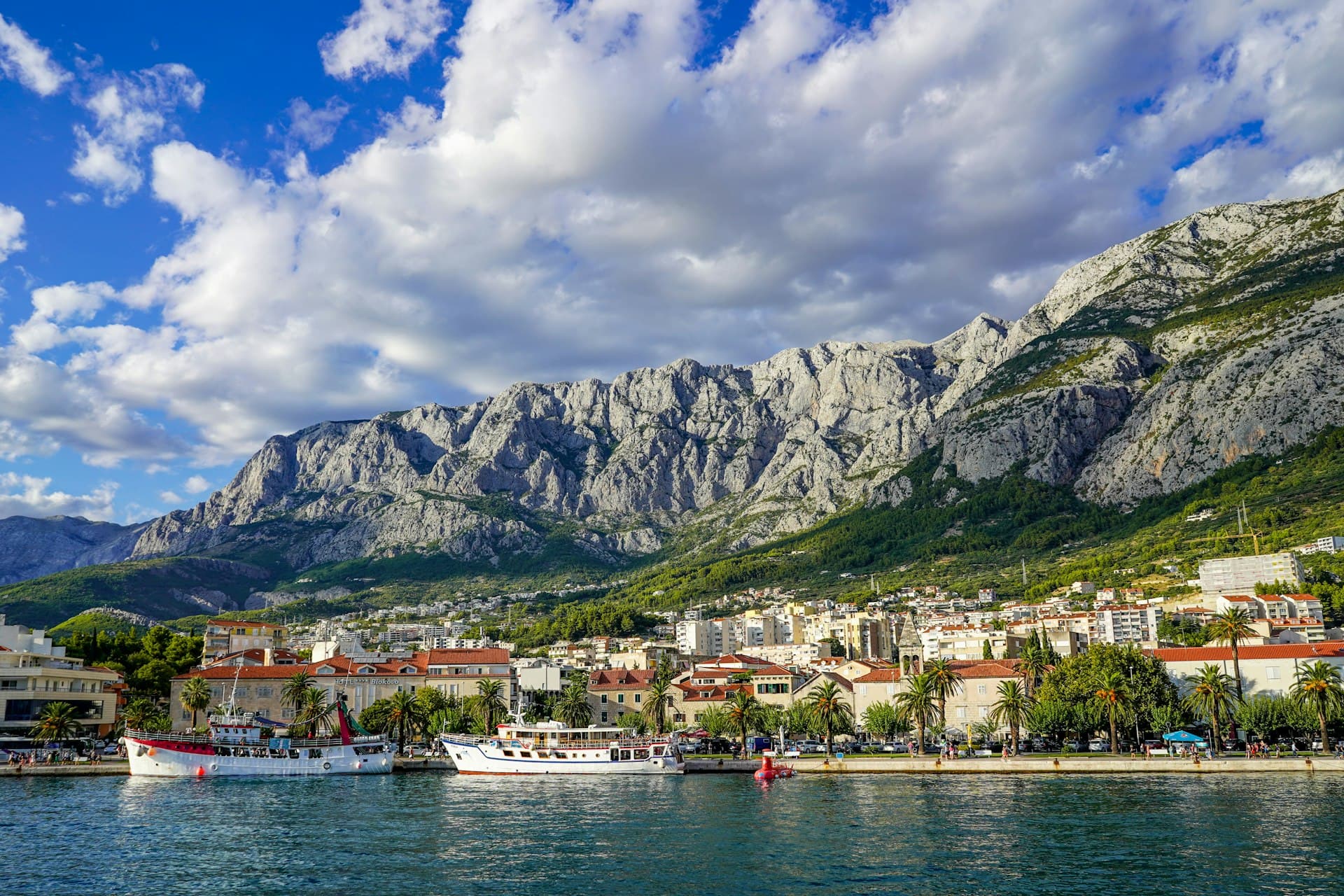 Photo: Tom Wheatley / Unsplash
Tour de audio autoguiado de Labin — ruta GPS a pie, reproducción offline, narración en 32 idiomas.
“Donde la piedra medieval se encuentra con un espíritu desafiante.”
No las postales. Las historias que ni los locales conocen — al oído, justo donde ocurrieron.
Bajo la elegancia barroca del Palacio Battiala-Lazzarini, un mundo secreto espera.
Mira de cerca la puerta principal de la ciudad de Labin, y encontrarás un detalle que dice mucho sobre sus lealtades pasadas.
Recorre las antiguas piedras y podrías notar un símbolo inusual y recurrente.
Descubre todos los secretos de Labin
Cada dirección, cada revelación al completo — a tu oído, justo donde ocurrió.
Eliges tus paradas. Caminas. La voz te revela lo que los demás ignoran.

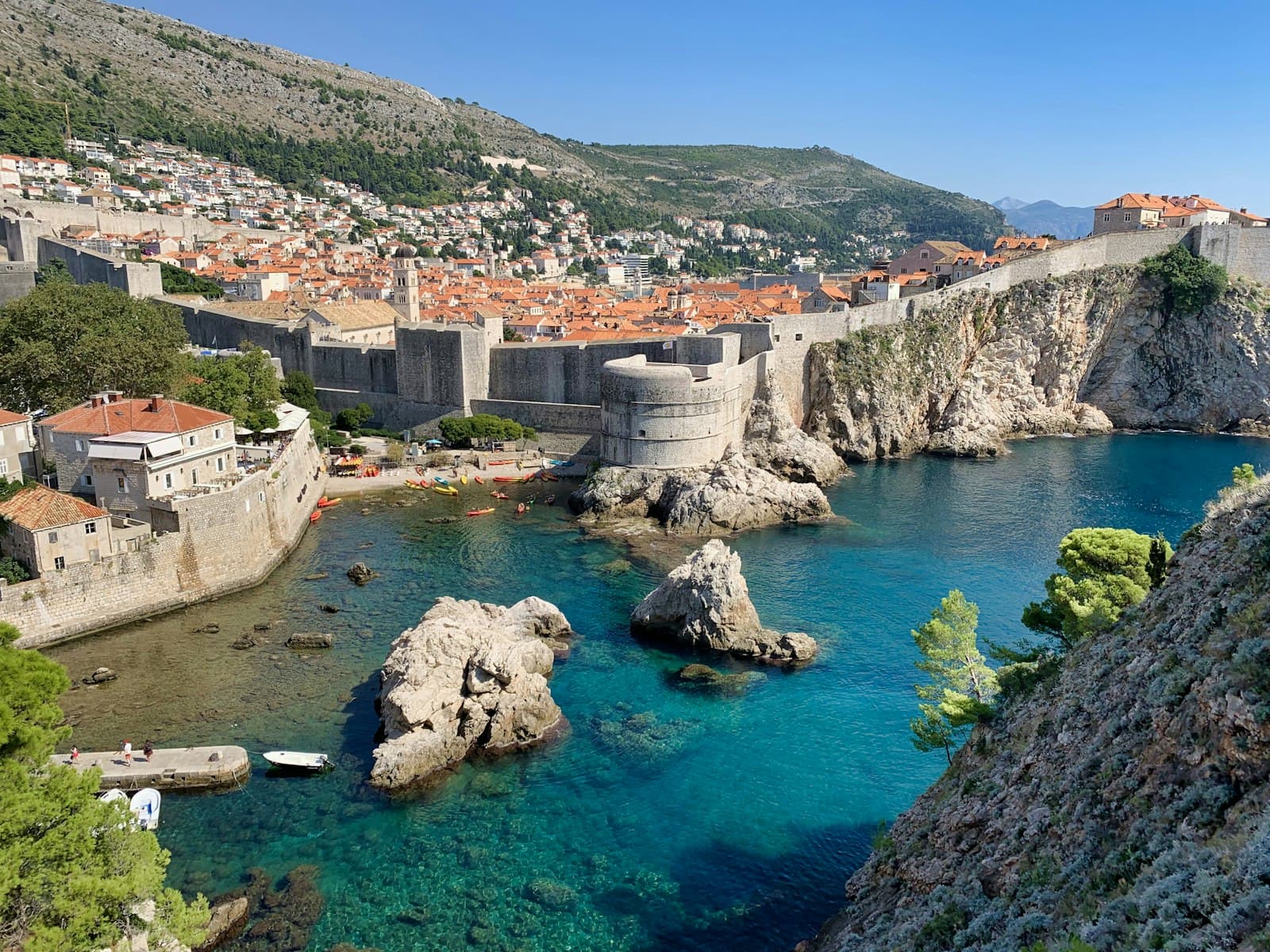
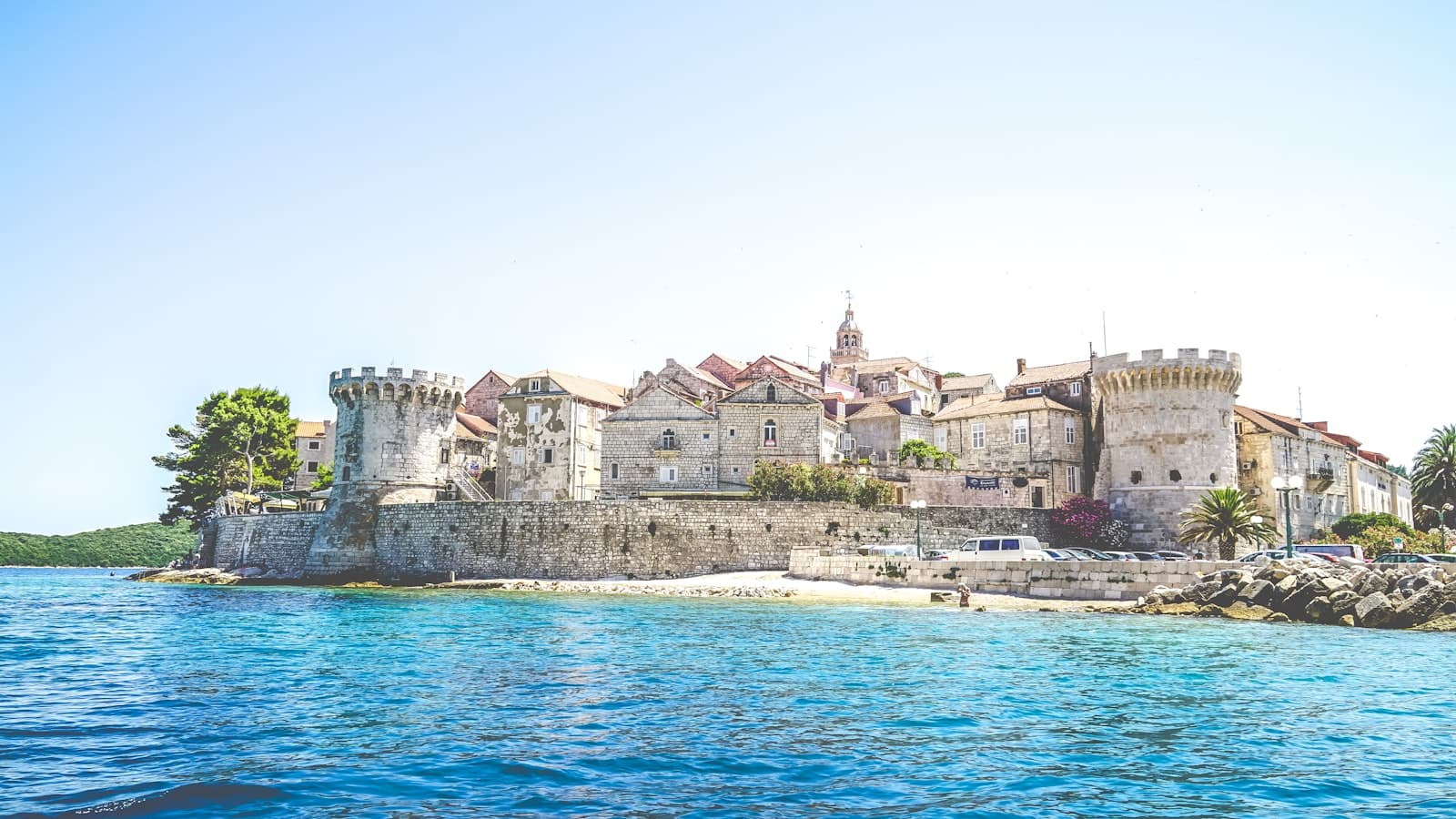
Tu tour de audioguía por Labin te espera — elige tus lugares, tu idioma y empieza al llegar.
ComprarLume incluye una guía de realidad aumentada. Levanta el móvil y su cámara muestra la calle que tienes delante, con una flecha luminosa sobre la imagen real que siempre apunta a tu próxima parada — sin mapas que descifrar, sin giros equivocados. Como todo en Lume, funciona completamente sin conexión.
Labin, una ciudad croata, se eleva 320 metros sobre el mar Adriático, ofreciendo una fusión singular de encanto medieval y un fascinante patrimonio industrial. A solo tres kilómetros tierra adentro del balneario costero de Rabac, el casco antiguo de Labin se despliega como un laberinto de callejones antiguos, fachadas coloridas y palacios venerables. Su sección más nueva, Podlabin, refleja el legado minero de la ciudad.
La narrativa de Labin se extiende por más de dos milenios, con evidencia de habitación que data del 2000 a.C. Originalmente un asentamiento ilirio-celta conocido como Albona, se convirtió en una importante comuna romana. Hoy en día, Labin sirve como centro cultural y administrativo, reconocido por su activa comunidad artística, con numerosas galerías y estudios de arte en todo el casco antiguo. Es un lugar donde la historia no solo se conserva en piedra, sino que también se revitaliza con un espíritu creativo contemporáneo.
## De Asentamiento Antiguo a República Las raíces de Labin se hunden profundamente, con la zona habitada desde el 2000 a.C. Su antiguo nombre ilirio-celta, Albona, posiblemente significa 'una ciudad en la colina' o 'un asentamiento elevado'. Los romanos colonizaron la zona en el 177 a.C., y un relieve del siglo III lleva la inscripción 'RES PUBLICA ALBONESSIUM', indicando su estatus de república incluso en tiempos romanos. A lo largo de los siglos, Labin pasó por las manos de varias potencias, incluyendo los ostrogodos, bizantinos, lombardos, francos y, finalmente, la República de Venecia desde 1420 hasta 1797. Esta influencia veneciana sigue siendo visible en la arquitectura de la ciudad, con muchos palacios renacentistas y barrocos construidos durante este período.
Tras el dominio veneciano, Labin pasó a formar parte del Imperio Austríaco hasta 1918, cuando fue anexada al Reino de Italia después de la Primera Guerra Mundial. Fue durante este turbulento siglo XX que Labin grabó un capítulo particularmente único en su historia: la República de Labin. Labin había sido durante mucho tiempo un importante centro de extracción de carbón, con operaciones activas durante casi 400 años y empleando a más de 10,000 trabajadores en su apogeo después de la Primera Guerra Mundial. En marzo de 1921, una huelga de mineros, impulsada por quejas sobre las condiciones laborales y un ataque a un líder sindical por parte de fascistas italianos, escaló dramáticamente. El 7 de marzo de 1921, los mineros, junto con los campesinos locales, declararon la 'República de Labin' independiente con el lema 'Kova je naša' ('La mina es nuestra'). Organizaron su propio gobierno y fuerza de seguridad, los Guardias Rojos, e incluso comenzaron a administrar las minas ellos mismos. Esta república de corta duración, que duró 37 días, es ampliamente reconocida como uno de los primeros levantamientos antifascistas del mundo. La intervención militar italiana suprimió el levantamiento el 8 de abril de 1921, lo que llevó a arrestos, aunque los mineros fueron liberados más tarde debido al apoyo local y su negativa a testificar unos contra otros. El legado de la República de Labin todavía se celebra hoy, con una exposición multimedia creada en 2021 para conmemorar su centenario.
El desarrollo industrial de Labin continuó bajo el dominio italiano, con la construcción de la parte moderna de Labin, Podlabin (originalmente Pozzo Littorio), entre 1938 y 1942. Esta ciudad planificada fue construida en estilo racionalista italiano para acomodar la expansión de la industria minera. Después de la Segunda Guerra Mundial, Labin pasó a formar parte de Croacia dentro de Yugoslavia, y aunque las minas desempeñaron un papel crucial en la reconstrucción de posguerra, la mayoría cerraron en la década de 1980 debido a la falta de rentabilidad, cerrando la última mina en 1999.
El casco antiguo de Labin, situado en una colina, es un lugar cautivador para explorar. Comienza tu viaje a través de Porta Sanfior, la puerta principal de la ciudad del siglo XVI adornada con el escudo de armas de Labin y un león veneciano. Recorre las estrechas y antiguas calles, admirando los coloridos edificios antiguos y los elementos arquitectónicos barrocos, renacentistas y góticos. Encontrarás grandes palacios como el Palacio Scampicchio del siglo XV, con su escudo familiar, y el Palacio Battiala-Lazzarini del siglo XVII.
Para disfrutar de amplias vistas de Rabac, el mar y la isla de Cres, dirígete al Mirador de Fortica o sube al Campanario de San Justo. El Museo de la Ciudad de Labin, ubicado en el Palacio Battiala-Lazzarini, ofrece colecciones arqueológicas y etnológicas, junto con una réplica subterránea única de una mina de carbón que proporciona una visión del pasado industrial de la ciudad. Otra parada importante es la Iglesia del Nacimiento de la Santísima Virgen María, una iglesia de tres naves construida en 1336 en el sitio de una predecesora del siglo XI, que presenta un rosetón gótico y seis altares de mármol.
Más allá del casco antiguo, el Parque de Esculturas de Dubrova, ubicado a pocos kilómetros al norte, es una galería de arte al aire libre que presenta más de 70 esculturas de piedra creadas durante el Simposio Mediterráneo de Escultura anual. Da un tranquilo paseo por el 'Camino Blanco' dentro del parque, una obra espacial y artística única.
Para aquellos interesados en la República de Labin, se ofrecen visitas guiadas nocturnas gratuitas durante el verano, con guías vestidos como Sentona, la patrona de los viajeros, y un caballero con uniforme de minero que relata la historia del levantamiento.
La mejor época para visitar Labin para disfrutar de un clima agradable y menos multitudes es durante los meses intermedios de primavera y otoño. Mayo, junio y septiembre ofrecen temperaturas suaves adecuadas para explorar, con temperaturas del mar lo suficientemente cálidas para nadar. Julio y agosto son los meses más cálidos, con máximas diarias promedio superiores a 24°C (75°F) y temperaturas máximas que alcanzan los 28°C (83°F), ideales para actividades de playa en el cercano Rabac, pero también los más concurridos. Los inviernos son suaves y húmedos, ofreciendo la oportunidad de experimentar el auténtico estilo de vida de Istria sin las multitudes del verano.
Para llegar a Labin desde fuera de Croacia, vuela al Aeropuerto de Pula (PUY), que está aproximadamente a 40 kilómetros al suroeste de la ciudad. Los servicios de autobús lanzadera operados por Brioni y FILS conectan el aeropuerto con Rabac, con una parada en Labin. Alternativamente, toma un autobús lanzadera frecuente desde el Aeropuerto de Pula hasta la estación principal de autobuses de Pula, luego transborda a un autobús con destino a Labin; el viaje de Pula a Labin dura unos 55 minutos. Los servicios de autobús también conectan Labin con otras ciudades de Istria como Rovinj.
Las opciones de alojamiento en Labin incluyen apartamentos, casas de vacaciones y villas, con opciones adicionales disponibles en la cercana ciudad costera de Rabac, a solo 5 kilómetros de distancia. Mientras estés en Labin, explora la cocina local en restaurantes como 'Bella Vista', 'Dubrova' o 'Due Fratelli', y disfruta de pausas para el café en 'Velo Kafe'.
Labin se divide en un casco antiguo en la colina y el asentamiento más nuevo de Podlabin en su base. El casco antiguo es peatonal, perfecto para caminar y descubrir sus sitios históricos.
Labin en coreano, en chino o en hebreo — y 29 idiomas más, cada parada narrada por una voz nativa. La mayor variedad de idiomas de cualquier audioguía autoguiada.
Disponible en: