Main Beach Park
Je ziet hier misschien een beroemd gezicht volleyballen, maar er is een minder bekende reden waarom dit strand het hart van de kunstscene van Laguna werd.
Volledig verhaal ontgrendeld in de tour
 Don Ramey Logan, Diosthenese, User:CactusWriter / CC BY 3.0, via Wikimedia Commons
Zelfgeleide audiowandeling door Laguna Beach — GPS-route, offline afspelen, meeslepende vertelling in 32 talen.
“Waar kunst de oceaan ontmoet, en het tij meer dan alleen schelpen onthult.”
Niet de ansichtkaarten. De verhalen die zelfs locals niet kennen — gefluisterd in je oor, precies waar ze gebeurden.
Je ziet hier misschien een beroemd gezicht volleyballen, maar er is een minder bekende reden waarom dit strand het hart van de kunstscene van Laguna werd.
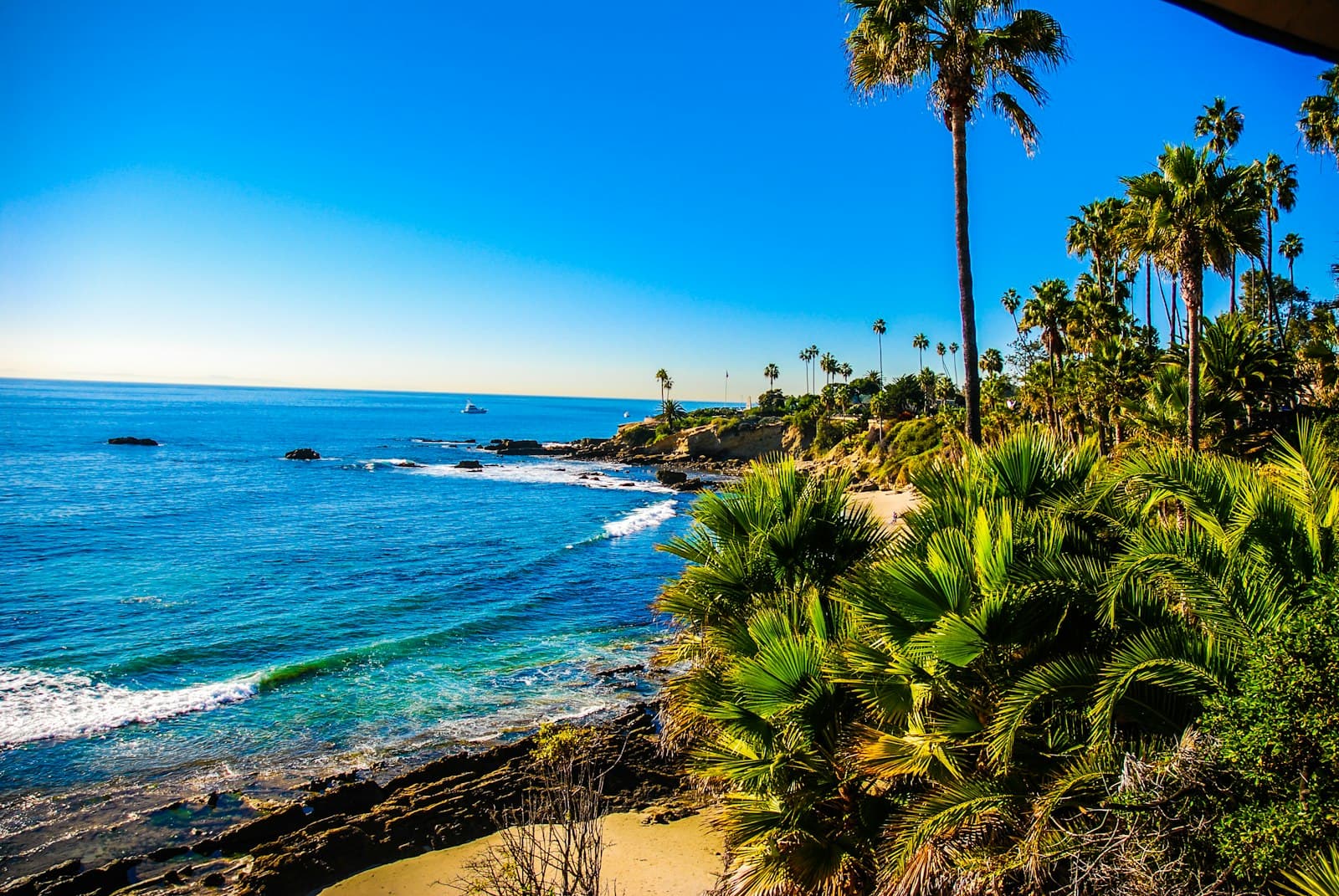
De dramatische kliffen en getijdenpoelen van Heisler Park zijn onmiskenbaar mooi, maar ze herbergen ook een geheim over de toewijding van de stad aan het zeeleven.
Als je door Laguna Canyon rijdt, is het gemakkelijk om je te concentreren op de kronkelende weg en de heuvels, maar deze canyon heeft een verrassende erfenis die verbonden is met de essentie van de artistieke geest van Laguna Beach.
Ontdek elk geheim van Laguna Beach
Elk adres, elke onthulling volledig — in je oor, precies waar het gebeurde.
Jij kiest je stops. Jij wandelt. De stem onthult wat de anderen missen.
Je zelfgeleide audiotour van Laguna Beach is klaar — kies je bezienswaardigheden, kies je taal en start zodra je aankomt.
KopenLume heeft een ingebouwde augmented-reality-gids. Houd je telefoon omhoog: de camera toont de straat voor je, met een oplichtende pijl over het echte beeld die altijd naar je volgende stop wijst — geen kaart om uit te puzzelen, geen verkeerde afslagen. Zoals alles in Lume werkt het volledig offline.
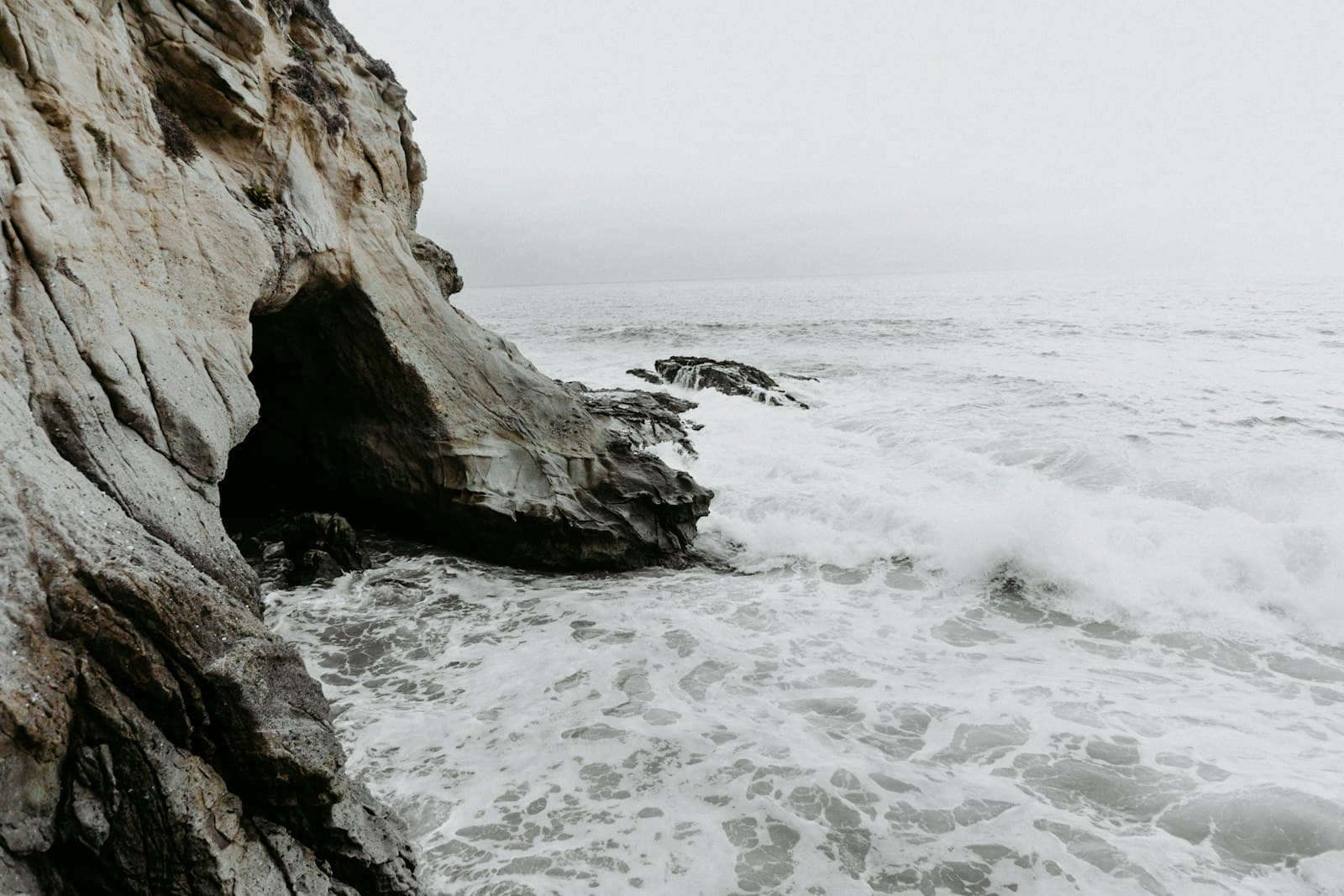
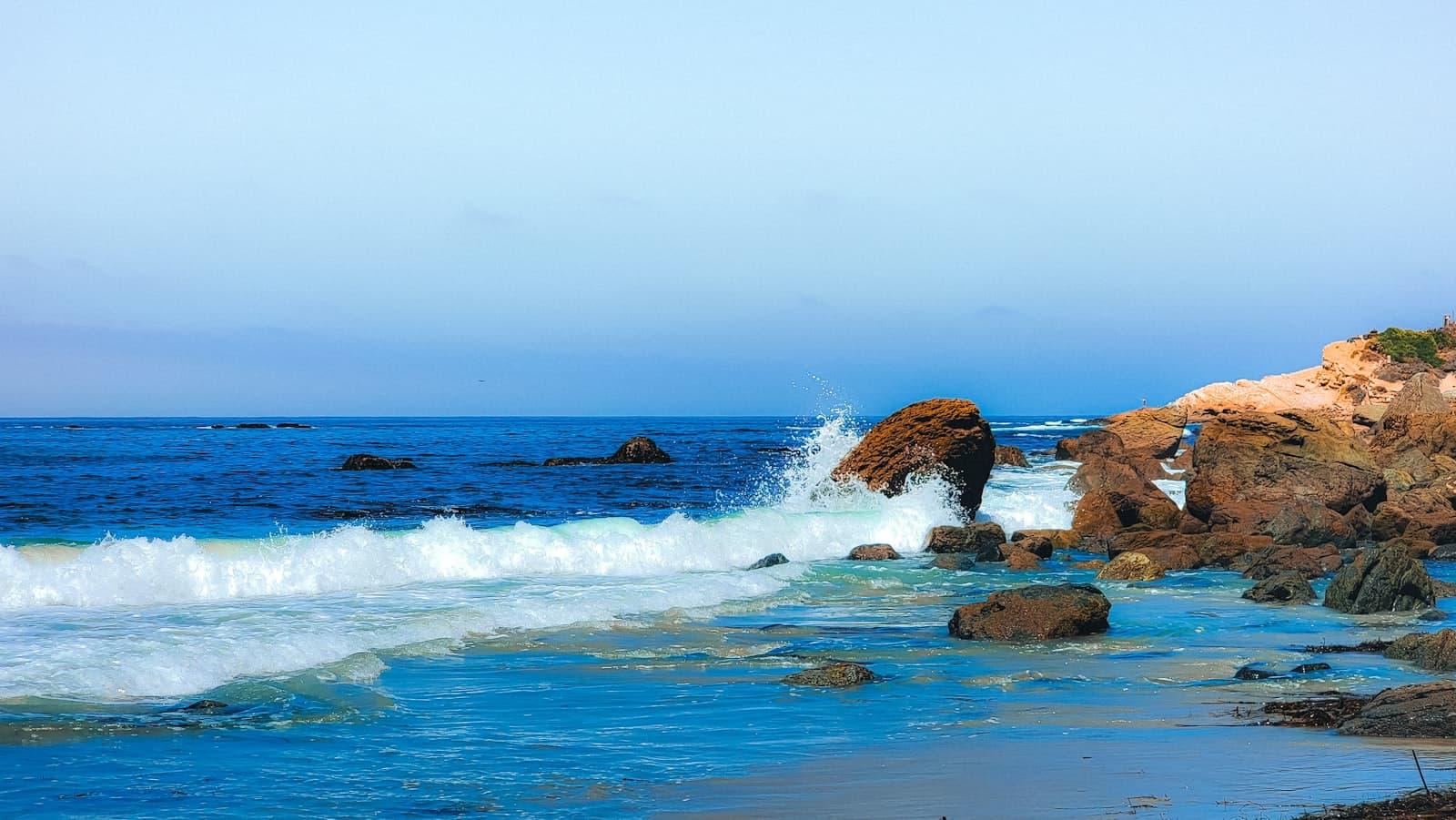
Laguna Beach, Californië, is een kuststad die gevierd wordt om zijn artistieke gemeenschap, milieubescherming en zeven mijl aan baaien en stranden. De unieke topografie van de stad, met heuvels die direct afdalen naar de Stille Oceaan, creëert een dramatische kustlijn bezaaid met getijdenpoelen en zeegrotten. Naast zijn natuurlijke aantrekkingskracht heeft Laguna Beach een reputatie opgebouwd als een bloeiende kunstbestemming, met tal van galeries, buitenkunstinstallaties en wereldberoemde festivals.
Dit enclaves in Zuid-Californië biedt een onderscheidende mix van natuurlijke schoonheid en culturele verfijning. Bezoekers kunnen hun ochtenden doorbrengen met het verkennen van het zeeleven in beschermde getijdenpoelen en hun middagen doorbrengen met dwalen door kunststudio's of genieten van een optreden in de Pageant of the Masters. De toewijding van de stad aan het behoud van haar natuurlijke omgeving en het bevorderen van een levendige kunstscene maakt het een boeiende bestemming voor wie op zoek is naar zowel ontspanning als inspiratie.
Het gebied dat nu bekend staat als Laguna Beach werd oorspronkelijk bewoond door het Tongva-volk, dat duizenden jaren langs de kust leefde en gebruik maakte van de rijke mariene hulpbronnen. Bewijs van hun aanwezigheid, waaronder schelpenhopen, is nog steeds te vinden in de regio.
Europese vestiging begon in de late 19e eeuw, met de eerste permanente Amerikaanse kolonist, George Thurston, die arriveerde in 1871. De gemeenschap groeide langzaam en trok aanvankelijk boeren en pioniers aan. De naam 'Laguna Beach' zelf komt van het Spaanse woord 'laguna', verwijzend naar de zoetwaterlagunes die ooit in de canyons bestonden.
Begin 20e eeuw markeerde een cruciale verschuiving voor Laguna Beach, aangezien kunstenaars de unieke lichtval en dramatische kustlandschappen begonnen te ontdekken. Kunstenaars als Norman St. Clair en Edgar Payne behoorden tot de eersten die studio's vestigden en en plein air (buiten) schilderden, waarbij ze de essentie van de kust van Zuid-Californië vastlegden.
In 1918 werd de Laguna Beach Art Association opgericht, wat de identiteit van de stad als kunstkolonie verstevigde. Deze organisatie vestigde in 1920 de eerste kunstgalerie in Orange County, die uiteindelijk evolueerde tot het Laguna Art Museum. De artistieke gemeenschap bleef floreren en trok meer kunstenaars en kunstliefhebbers naar het gebied.
De Grote Depressie bracht nieuwe uitdagingen met zich mee, maar stimuleerde ook innovatie binnen de kunstgemeenschap. In 1932 werd het eerste Festival of Arts gehouden, waaronder de nu beroemde Pageant of the Masters. Dit unieke evenement, waarbij klassieke en hedendaagse kunstwerken worden nagebootst met echte mensen die als modellen poseren, kreeg al snel internationale erkenning en werd een hoeksteen van de culturele identiteit van Laguna Beach.
Gedurende het midden van de 20e eeuw bleef Laguna Beach groeien, waarbij de ontwikkeling werd gebalanceerd met een sterke toewijding aan het behoud van haar natuurlijke omgeving. De inwoners van de stad zijn historisch gezien actief geweest in natuurbeschermingsinspanningen, wat leidde tot de oprichting van mariene beschermde gebieden en het behoud van open ruimte in Laguna Canyon. Vandaag de dag blijft Laguna Beach een levendige mix van artistieke expressie, milieubewustzijn en kustcharme.
Laguna Beach biedt een divers scala aan bezienswaardigheden, van artistieke ondernemingen tot natuurlijke wonderen. Begin uw verkenning bij Main Beach Park, vaak 'de woonkamer van Laguna' genoemd, met zijn promenade, getijdenpoelen en iconische reddingswachttoren. Net ten noorden biedt Heisler Park schilderachtige wandelpaden langs de kliffen, met panoramisch uitzicht op de oceaan en toegang tot meer getijdenpoelen en kleine baaien.
Voor kunstliefhebbers is een bezoek aan het Laguna Art Museum essentieel, dat Californische kunst toont met een focus op regionale kunstenaars. Tijdens de zomermaanden transformeren het Festival of Arts en het Sawdust Art Festival Laguna Canyon in bruisende centra van creativiteit, met de Pageant of the Masters als hoogtepunt.
Verken de talrijke kunstgaleries langs Forest Avenue en Coast Highway, waarvan vele lokale kunstenaars vertegenwoordigen. Mis de kans niet om baaien en stranden zoals Victoria Beach met zijn middeleeuws ogende 'Pirate Tower', of het afgelegen Thousand Steps Beach (bereid je voor op de trappen!) te ontdekken. Overweeg voor een ander perspectief een wandeling of trektocht in het Laguna Coast Wilderness Park, met paden met uitzicht op de canyons en de oceaan.
Laguna Beach geniet het hele jaar door van een mild, mediterraan klimaat. De populairste tijd om te bezoeken is tijdens de zomer (juni tot augustus) voor de kunstfestivals en warmere oceaantemperaturen, hoewel dit ook het drukste en duurste seizoen is. Lente (maart tot mei) en Herfst (september tot november) bieden aangenaam weer, minder drukte en comfortabele omstandigheden om de stranden en wandelpaden te verkennen. Winter (december tot februari) is het rustigste seizoen, met koelere temperaturen maar nog steeds veel zonnige dagen, ideaal voor walvissen spotten.
Parkeren in Laguna Beach kan een uitdaging zijn, vooral tijdens het hoogseizoen. Parkeren op straat met parkeermeters is beschikbaar, maar is vaak snel vol. Overweeg gebruik te maken van de gratis trolley service van de stad, die seizoensgebonden rijdt en verschillende bezienswaardigheden verbindt, waaronder parkeerplaatsen en stranden. Openbare toiletten zijn beschikbaar bij de meeste grote stranden en parken. Veel gebieden, waaronder Main Beach en delen van Heisler Park, bieden toegankelijke paden. Bij het verkennen van getijdenpoelen, onthoud dat het Mariene Beschermde Gebieden zijn; observeer zeeleven zonder aan te raken of te verzamelen. Draag geschikt schoeisel voor rotsachtige gebieden.
Laguna Beach — Koreaans, Chinees, Hebreeuws en nog 29 talen, elke stop verteld door een moedertaalspreker. Het grootste taalaanbod van alle zelfgeleide audiotours.
Beschikbaar in: