Badshahi-Moschee
Diese ikonische Moschee, ein Symbol Lahores, wurde ursprünglich nicht in ihrer heutigen Form konzipiert.
Die ganze Geschichte wird in der Tour freigeschaltet
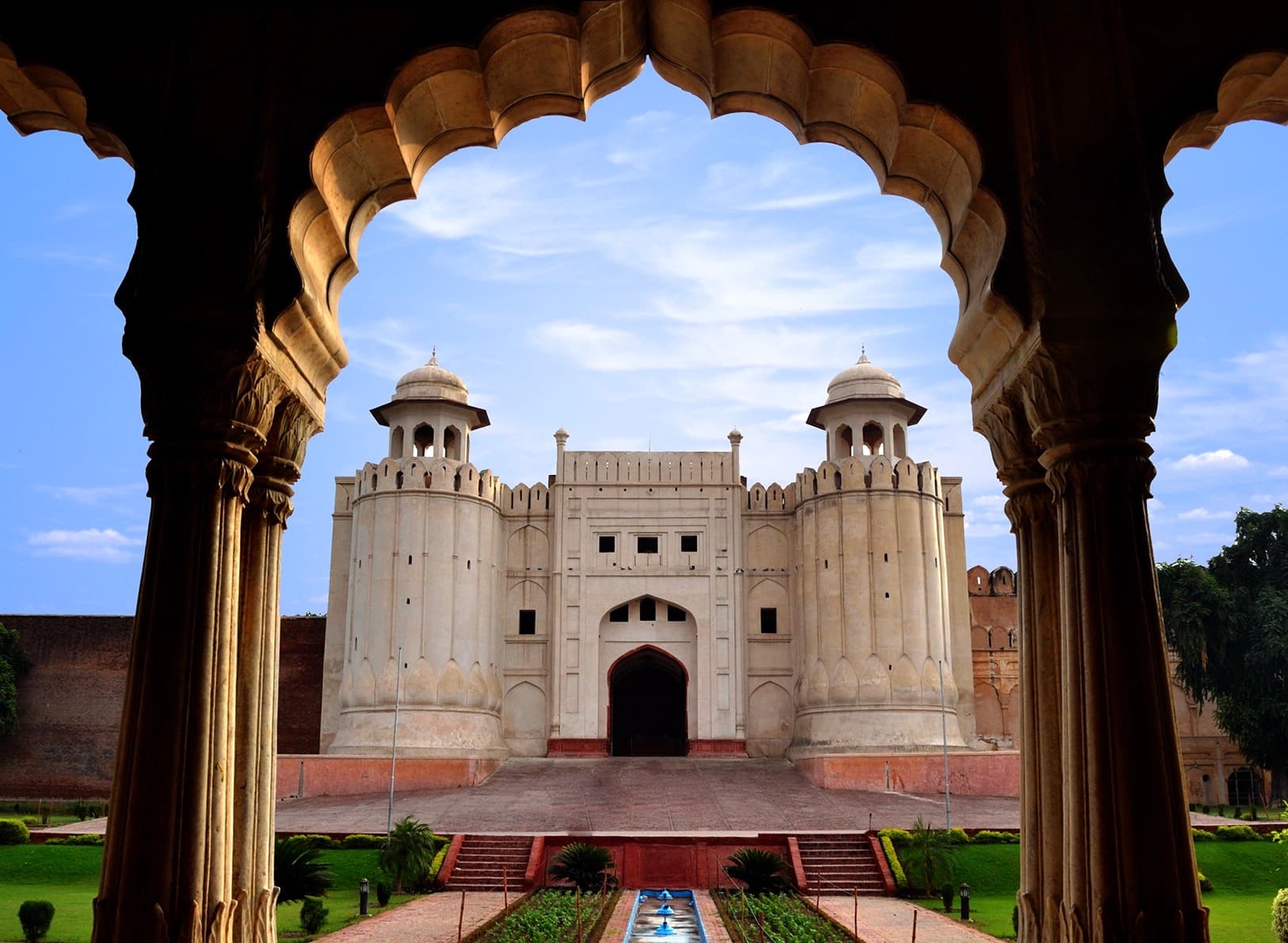 Rohaan Bhatti / CC BY-SA 3.0, via Wikimedia Commons
Selbstgeführte Audio-Walking-Tour durch Lahore — GPS-Route, Offline-Wiedergabe, erzählerische Narration in 32 Sprachen.
“Lahore: Wo jeder Ziegel eine Geschichte erzählt und jede Geschichte zur Legende wird.”
Nicht die Postkarten. Die Geschichten, die selbst Einheimische nicht kennen – dir ins Ohr geflüstert, genau dort, wo sie geschahen.
Diese ikonische Moschee, ein Symbol Lahores, wurde ursprünglich nicht in ihrer heutigen Form konzipiert.
Hinter einer belebten Eisenbahnschiene ruht das wunderschön geflieste Mausoleum einer bedeutenden, aber oft übersehenen Mogul-Figur.
Einst der prächtige Eingang zu einem weitläufigen Garten, steht dieses Tor heute als einsames Überbleibsel mit einer überraschenden Verbindung.
Entdecke jedes Geheimnis von Lahore
Jede Adresse, jede Enthüllung vollständig – in deinem Ohr, genau dort, wo es geschah.
Du wählst deine Stationen. Du gehst. Die Stimme enthüllt, was andere übersehen.
Lume enthält einen integrierten Augmented-Reality-Guide. Halten Sie Ihr Handy hoch: Die Kamera zeigt die Straße vor Ihnen, mit einem leuchtenden Pfeil über dem echten Bild, der immer auf Ihren nächsten Stopp zeigt — keine Karte zum Rätseln, keine falschen Abzweigungen. Wie alles bei Lume funktioniert es komplett offline.
Lahore, die Hauptstadt der pakistanischen Provinz Punjab, ist eine weitläufige Metropole, die vor Leben, Farbe und unbestreitbarer Pracht pulsiert. Oft als das kulturelle Herz Pakistans bezeichnet, ist es eine Stadt, in der alte Mogul-Architektur mit dem geschäftigen modernen Leben koexistiert, wo das Aroma von Gewürzen aus Streetfood mit dem Duft blühender Gärten vermischt ist.
Lahore, das über tausend Jahre Geschichte zurückverfolgt, bietet eine fesselnde Reise durch die Zeit. Vom majestätischen Lahore Fort und der ehrfurchtgebietenden Badshahi-Moschee bis hin zu den ruhigen Shalimar Gardens ist die Stadt ein lebendiges Museum von Imperien und Epochen. Neben seinen Wahrzeichen ist Lahore bekannt für seine lebhaften Festivals, eine blühende Kunstszene und ein kulinarisches Erbe, das ihm den Titel der Food-Hauptstadt Pakistans eingebracht hat.
Lahore wirklich zu erleben bedeutet, seine "zinda dilan-e-Lahore" – die Menschen, deren Herzen lebendig sind – zu umarmen. Ihre Wärme, Gastfreundschaft und ungehemmte Lebensfreude sind ebenso Teil des Charmes der Stadt wie ihre architektonischen Wunder und ihre köstliche Küche.
Die Ursprünge Lahores sind in alten Legenden gehüllt, wobei einige mündliche Überlieferungen seine Gründung etwa 4.000 Jahre zurück auf Lava, den Sohn der hinduistischen Gottheit Rama, zurückführen. Ein Lava gewidmeter Tempel existiert noch im Lahore Fort und deutet auf diese mythischen Anfänge hin. Historische Aufzeichnungen verorten Lahore jedoch fest als wichtige Siedlung im 1. Jahrtausend n. Chr. Der griechische Geograph Ptolemäus erwähnte Ende des 1. Jahrhunderts eine Stadt namens 'Labokla' in seiner Geographia, die als Lahore gilt.
Lahores strategische Lage an wichtigen Handels- und Invasionsrouten bedeutete, dass es häufig zwischen verschiedenen Reichen und Staaten wechselte. Es diente im 9. Jahrhundert als wichtiger Außenposten während der Rajputenzeit und wurde im 11. Jahrhundert zu einem bedeutenden Zentrum unter dem Ghaznawidenreich, wo es kulturell und administrativ aufblühte. Die Stadt erlebte Phasen des Wachstums und der Zerstörung, einschließlich der Plünderung und sogar der Zerstörung durch mongolische Truppen im 13. Jahrhundert.
Das wahre goldene Zeitalter Lahores begann mit dem Mogulreich, das von 1524 bis 1762 herrschte. Kaiser Akbar der Große machte Lahore 14 Jahre lang zu seiner Hauptstadt und ließ das Lahore Fort und die Stadtmauern mit ihren 12 Toren errichten, von denen einige noch heute stehen. Nachfolgende Mogulkaiser, darunter Jahangir, Shah Jahan und Aurangzeb, schmückten die Stadt weiter mit prächtigen Palästen, Gärten, Gräbern und Moscheen und hinterließen ein unvergleichliches architektonisches Erbe. In dieser Ära entstanden Bauwerke wie die Shalimar Gardens, die Badshahi-Moschee und die Gräber von Kaiser Jahangir und seiner Frau Nur Jehan.
Nach dem Niedergang der Moguln wurde Lahore von verschiedenen Mächten beherrscht, darunter die Durrani und die Sikh Misls. Maharaja Ranjit Singh vereinigte die Region und gründete 1799 das Sikh-Reich, dessen Hauptstadt Lahore wurde. Der britische Raj übernahm dann 1849 die Kontrolle und hinterließ seine eigenen Spuren in der Architektur und Infrastruktur der Stadt, mit Gebäuden wie dem High Court und dem Lahore Museum. Lahore spielte eine entscheidende Rolle in der Unabhängigkeitsbewegung, wobei die 'Lahore Resolution' im Jahr 1940 den ersten offiziellen Aufruf zur Gründung Pakistans markierte. Heute ist Lahore ein Zeugnis seiner vielschichtigen Vergangenheit, eine Stadt, die sich mehrmals wie ein Phönix aus der Zerstörung erhoben hat und stets ihren einzigartigen Geist bewahrt hat.
Beginnen Sie Ihre Erkundung in der ummauerten Stadt Lahore, dem historischen Herzen der Metropole. Hier erwartet Sie das majestätische Lahore Fort (Shahi Qila), ein UNESCO-Weltkulturerbe. Sein weitläufiger Komplex zeigt Bauwerke, die von vier Mogulkaisern errichtet wurden, darunter der exquisite Sheesh Mahal (Spiegelpalast). Angrenzend an das Fort befindet sich die kolossale Badshahi-Moschee, ein Meisterwerk der Mogul-Architektur und eine der größten Moscheen der Welt, die 60.000 Gläubige aufnehmen kann.
Nur einen kurzen Spaziergang von der Badshahi-Moschee entfernt befindet sich das Gurdwara Dera Sahib, ein bedeutender Sikh-Tempel, und das Samadhi von Maharaja Ranjit Singh, die Verbrennungsstätte des Gründers des Sikh-Reiches, die das vielfältige religiöse Erbe Lahores unterstreicht. Verpassen Sie nicht die kunstvoll geflieste Wazir Khan Moschee, ein Wunderwerk des 17. Jahrhunderts, das für seine Fresken und Kalligraphien bekannt ist.
Jenseits der ummauerten Stadt entdecken Sie die ruhige Schönheit der Shalimar Gardens, ein weiteres UNESCO-Weltkulturerbe, mit seinem eleganten persisch inspirierten Design, Brunnen und Pavillons. Für einen Einblick in Lahores koloniale Vergangenheit schlendern Sie entlang The Mall, gesäumt von beeindruckender gotisch-viktorianischer Architektur aus der britischen Raj-Zeit. Das Lahore Museum bietet eine umfassende Sammlung von Artefakten, die die reiche Geschichte der Region umspannen. Für eine modernere Perspektive besuchen Sie das Minar-e-Pakistan im Iqbal Park, ein Nationaldenkmal, das an die Lahore Resolution erinnert.
Die ideale Zeit für einen Besuch in Lahore sind die kühleren, trockeneren Monate des Herbstes (Oktober bis November) und Winters (Dezember bis Februar/März). Die Temperaturen in diesen Perioden sind mild und angenehm und reichen von 5°C bis 22°C, perfekt für die Erkundung der Sehenswürdigkeiten im Freien und der belebten Straßen der Stadt. Der Frühling (März bis April) ist ebenfalls angenehm mit blühenden Blumen, obwohl die Temperaturen zu steigen beginnen. Vermeiden Sie die heißen Sommermonate (Mai bis September), wenn die Temperaturen auf 38-42°C steigen können, und die Monsunzeit (Juli-August) mit starken Regenfällen und möglichen Überschwemmungen.
Der Allama Iqbal International Airport (LHE) in Lahore ist das wichtigste Tor und wickelt mehr internationale als nationale Flüge ab. Obwohl Direktflüge nicht immer verfügbar sind, bieten viele Fluggesellschaften bequeme Verbindungen an. Für die meisten Touristen ist ein Visum für die Einreise nach Pakistan erforderlich, das oft online beantragt werden kann.
Die Fortbewegung in Lahore ist ein Abenteuer für sich. Die Stadt bietet eine Reihe von öffentlichen Verkehrsmitteln, darunter den Lahore Metro Bus (Orange Line) für längere Strecken, Speedo Buses für Vorortverbindungen und LTC-Busse für eine breitere Abdeckung. Für ein persönlicheres Erlebnis stehen Fahrdienst-Apps wie Uber und Careem zur Verfügung. Innerhalb der ummauerten Stadt sind zu Fuß oder mit einer Rikscha die besten Möglichkeiten, die engen, belebten Gassen zu navigieren. Rechnen Sie mit Verkehrsstaus, insbesondere während der Hauptverkehrszeiten.
Lahore hat heiße Sommer und kühle Winter, packen Sie also entsprechend. Bei Winterbesuchen (November-Januar) sollten Sie sich des möglichen Smogs bewusst sein und eine Maske mitnehmen. Respektieren Sie lokale Bräuche, insbesondere beim Besuch religiöser Stätten, und beachten Sie die kulturelle Etikette.
Lahore — Koreanisch, Chinesisch, Hebräisch und 29 weitere Sprachen, jede Station von einer muttersprachlichen Stimme erzählt. Die größte Sprachauswahl aller selbstgeführten Audiotouren.
Verfügbar auf: