Tribunal de Calcasieu Parish
Este juzgado aparentemente ordinario guarda un secreto escalofriante, un residente permanente de un capítulo oscuro del pasado de Luisiana.
La historia completa se desbloquea en el tour
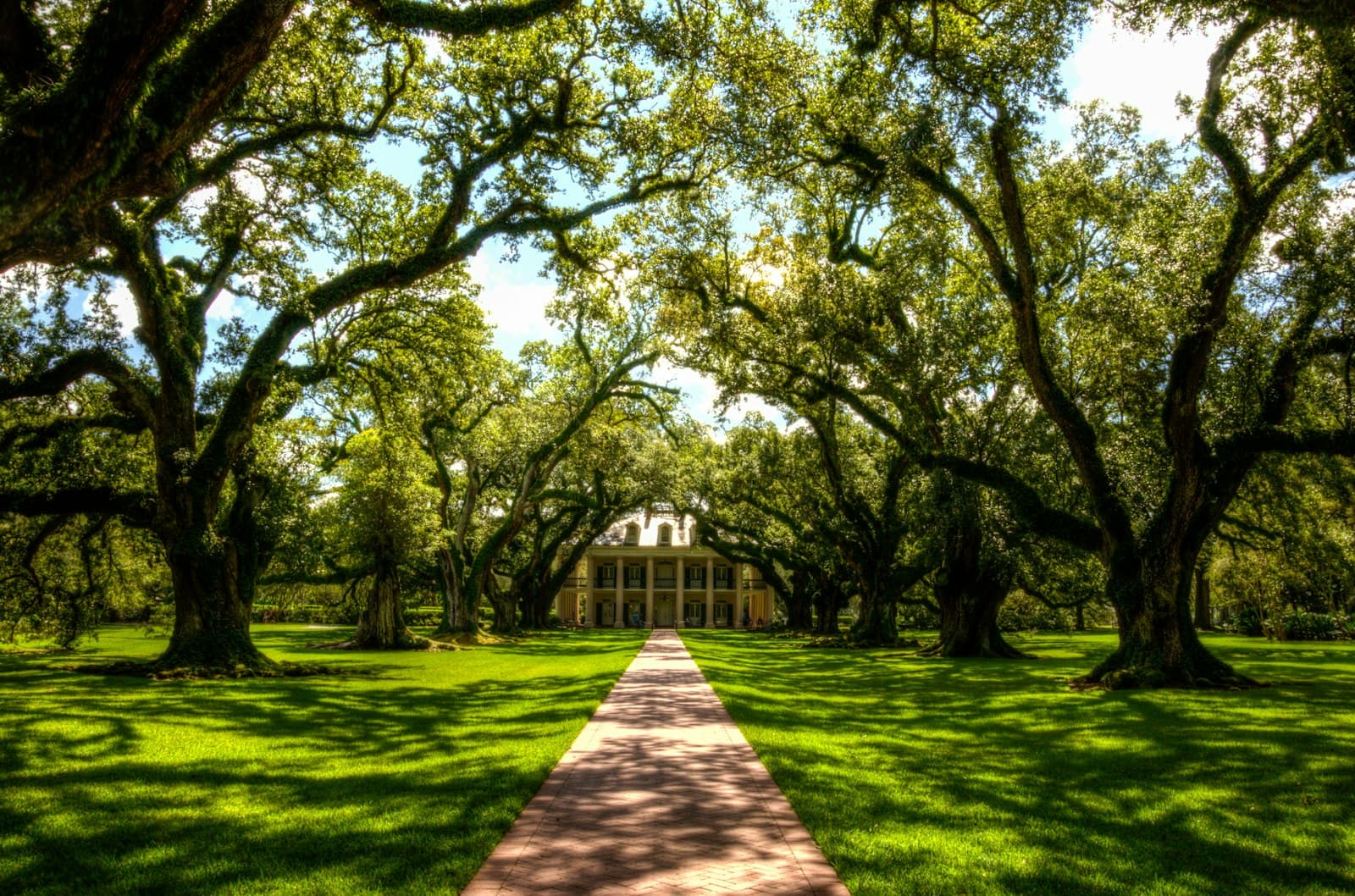 Photo: David Hertle / Unsplash
Tour de audio autoguiado de Lake Charles — ruta GPS a pie, reproducción offline, narración en 32 idiomas.
“Donde el espíritu cajún se encuentra con el abrazo de la Costa del Golfo, y los buenos tiempos se despliegan perpetuamente.”
No las postales. Las historias que ni los locales conocen — al oído, justo donde ocurrieron.
Este juzgado aparentemente ordinario guarda un secreto escalofriante, un residente permanente de un capítulo oscuro del pasado de Luisiana.
El propio nombre de la ciudad está tejido en una dramática historia de afecto, envidia y un notorio corsario.
Antes de convertirse en un icono global, una leyenda de la música country de 13 años hizo su primera grabación en Lake Charles.
Descubre todos los secretos de Lake Charles
Cada dirección, cada revelación al completo — a tu oído, justo donde ocurrió.
Eliges tus paradas. Caminas. La voz te revela lo que los demás ignoran.
Tu tour de audioguía por Lake Charles te espera — elige tus lugares, tu idioma y empieza al llegar.
ComprarLume incluye una guía de realidad aumentada. Levanta el móvil y su cámara muestra la calle que tienes delante, con una flecha luminosa sobre la imagen real que siempre apunta a tu próxima parada — sin mapas que descifrar, sin giros equivocados. Como todo en Lume, funciona completamente sin conexión.
Lake Charles, la quinta ciudad más poblada de Luisiana, es un centro vibrante donde la fuerza industrial converge con arraigadas costumbres culturales. Situada en el río Calcasieu, bordeando Lake Charles y Prien Lake, funciona como un centro principal para la industria, la cultura y la educación en el suroeste de Luisiana. Conocida como 'El patio de recreo de Luisiana', la ciudad presenta una variada mezcla de esplendor natural, entretenimiento animado y una distintiva herencia cajún y criolla.
Desde los extensos humedales del Creole Nature Trail hasta los enérgicos resorts con casino, Lake Charles ofrece una experiencia singular. Es un lugar donde uno puede recorrer pintorescas carreteras, encontrar diversa vida silvestre, saborear una cocina deliciosa y sumergirse en una atmósfera festiva que honra la joie de vivre de Luisiana.
Mucho antes del asentamiento europeo, el área ahora identificada como Lake Charles fue hogar de tribus nativas americanas, principalmente el pueblo Atakapa-Ishak, que prosperó cazando, pescando y comerciando a lo largo del río Calcasieu y la Costa del Golfo. Se cree que el nombre 'Calcasieu' en sí mismo deriva del idioma Atakapa, que significa 'águila que llora'.
El interés europeo en la región creció en el siglo XVIII con exploradores franceses y españoles, aunque su ubicación remota y sus densos humedales la mantuvieron en gran parte sin desarrollar durante la época colonial. La Compra de Luisiana en 1803 puso el área bajo control estadounidense, allanando el camino para un asentamiento más significativo.
La fundación oficial de Lake Charles data de 1861, cuando fue incorporada como la ciudad de Charleston, nombrada en honor al primer colono Charles Sallier. Según la leyenda local, Sallier construyó una casa cerca del lago, que finalmente fue nombrado 'Lake Charles' en su honor, y la ciudad adoptó oficialmente el nombre en 1867. La ciudad creció inicialmente como un pueblo maderero, con la madera y la agricultura impulsando la economía temprana. La llegada del ferrocarril en la década de 1880 aceleró aún más el crecimiento, conectando Lake Charles con mercados más grandes.
Un punto de inflexión significativo llegó con el descubrimiento de petróleo y gas natural a principios del siglo XX, transformando Lake Charles en un importante centro industrial. Hoy en día, alberga una de las refinerías de petróleo crudo más grandes del país, operada por CITGO, que produce una cantidad sustancial de combustibles para el transporte y productos petroquímicos diariamente.
A pesar de su crecimiento industrial, Lake Charles ha mantenido una firme conexión con sus raíces culturales. La resiliencia de la ciudad fue puesta a prueba por el Gran Incendio de 1910, que destruyó gran parte del centro de la ciudad, incluyendo el juzgado y el ayuntamiento. Sin embargo, la ciudad se reconstruyó, resurgiendo de las cenizas, un testimonio de su espíritu perdurable. Lake Charles también tiene un pasado histórico con piratas, particularmente Jean Lafitte, de quien se dice que atracó en la zona, un legado que se celebra anualmente en el Festival Pirata de Luisiana Contraband Days.
Lake Charles presenta una variedad de atracciones que satisfacen diferentes intereses. Para una ventana al patrimonio arquitectónico de la ciudad, explore el Distrito Histórico de Charpentier, reconocido por sus diversos estilos y materiales. Se puede dar un paseo al atardecer o incluso hacer kayak a lo largo de la orilla para admirar las casas.
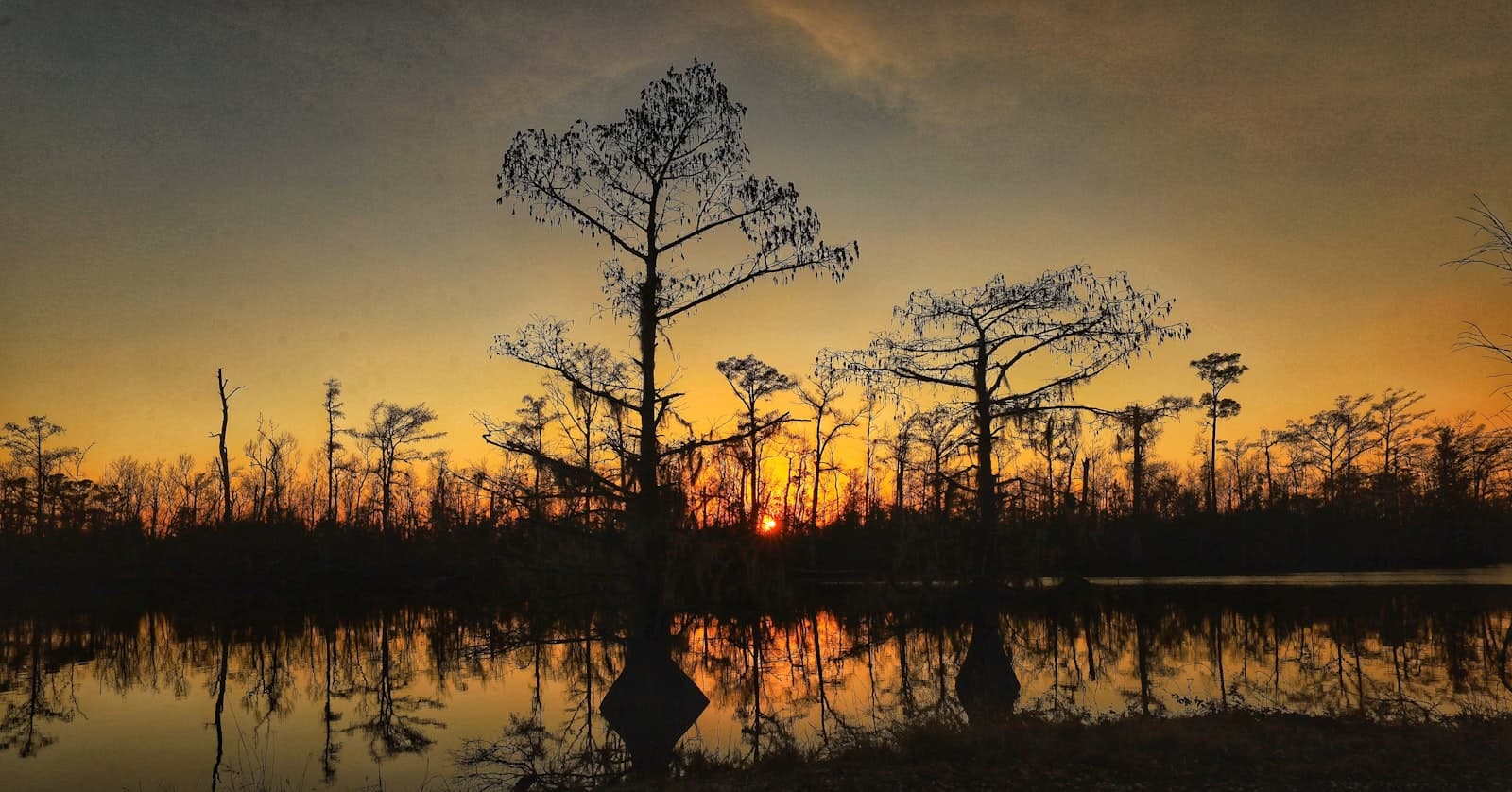
Los entusiastas de la naturaleza encontrarán en el Creole Nature Trail All-American Road una experiencia fascinante. Esta pintoresca carretera de 180 millas atraviesa refugios de vida silvestre, marismas y playas de la Costa del Golfo, ofreciendo oportunidades para avistar vida silvestre, recolectar conchas y hacer senderismo. Caimanes, garcetas níveas y aves migratorias son avistamientos comunes. Adventure Point, a lo largo del sendero, proporciona un excelente punto de partida para aprender sobre las maravillas naturales de la región.
Para aquellos interesados en la cultura e historia local, el Centro de Artes y Cultura del Histórico Ayuntamiento de 1911 alberga exposiciones itinerantes y la Black Heritage Gallery. El Museo Imperial Calcasieu exhibe la historia de Lake Charles y sus parroquias circundantes, y los visitantes pueden disfrutar de un picnic bajo el antiguo Roble Sallier detrás del museo. El Museo del Mardi Gras de Imperial Calcasieu alberga una de las colecciones más grandes de disfraces de Mardi Gras del estado.
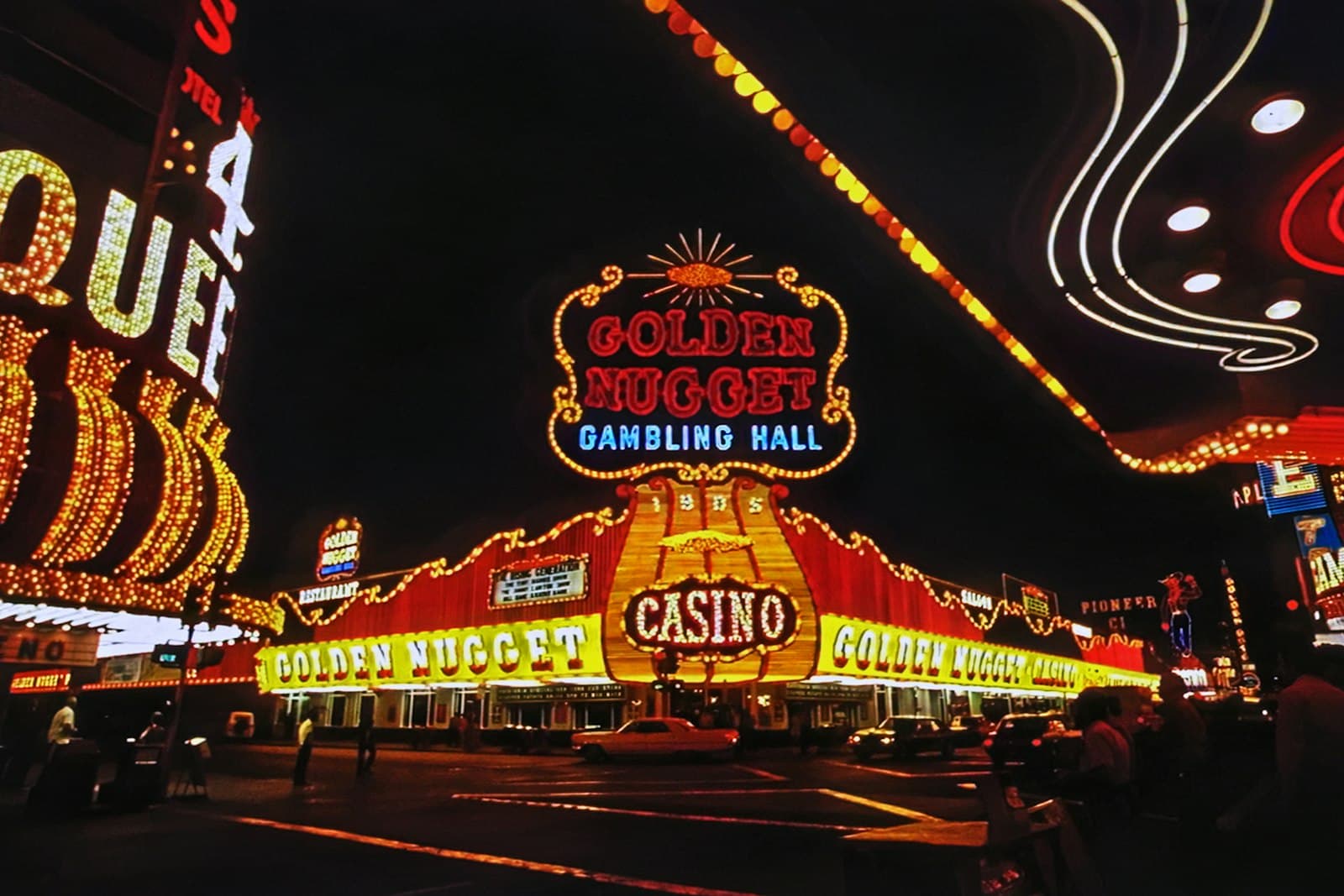
Si lo que se busca es entretenimiento, Lake Charles es conocida por sus resorts con casino como L'Auberge Casino Resort y Golden Nugget Lake Charles, que ofrecen juegos, cenas, golf y actividades junto a la piscina. La ciudad también alberga numerosos festivales durante todo el año, incluyendo el Mardi Gras, el Festival Pirata de Luisiana (Contraband Days) y varios festivales de música y comida.
Los momentos más agradables para visitar Lake Charles para actividades cómodas en clima cálido son desde principios de abril hasta finales de mayo y desde finales de septiembre hasta finales de octubre. Durante estos períodos, las temperaturas son suaves y la humedad es más baja. La primavera (marzo-mayo) trae temperaturas promedio de 15°C a 25°C, y es la temporada de los cangrejos de río. El otoño (septiembre-noviembre) ofrece un clima agradable con máximas alrededor de 27°C y mínimas alrededor de 15°C, marcando el comienzo del 'clima de gumbo' y la temporada alta de ostras. Si bien los veranos son cálidos y húmedos, son ideales para refrescarse en el lago o disfrutar de actividades acuáticas al aire libre. Los inviernos son generalmente suaves, con nevadas raras.
Lake Charles está convenientemente ubicada en la Interestatal 10, aproximadamente a dos horas en coche de Houston y a tres horas en coche de Nueva Orleans. El Aeropuerto Regional de Lake Charles ofrece vuelos directos a Dallas y Houston. Navegar por la ciudad es generalmente mejor en coche, especialmente para explorar el Creole Nature Trail y otras atracciones periféricas. La Oficina de Convenciones y Visitantes de Lake Charles/Suroeste de Luisiana, ubicada en la salida 30A de la I-10, sirve como un valioso centro de recursos, proporcionando mapas, folletos e información sobre actividades. Abren de lunes a viernes de 8 AM a 5 PM y ofrecen servicios como baños limpios y café gratis. Asegúrese de tener en cuenta el clima subtropical de Luisiana, lo que significa veranos cálidos y húmedos y la posibilidad de tormentas eléctricas por la tarde a mediados del verano.
Lake Charles en coreano, en chino o en hebreo — y 29 idiomas más, cada parada narrada por una voz nativa. La mayor variedad de idiomas de cualquier audioguía autoguiada.
Disponible en: