A Vila Olímpica de 1980
As acomodações construídas para os Jogos Olímpicos de Inverno de 1980 encontraram um propósito inesperado após o término dos jogos.
História completa desbloqueada no tour
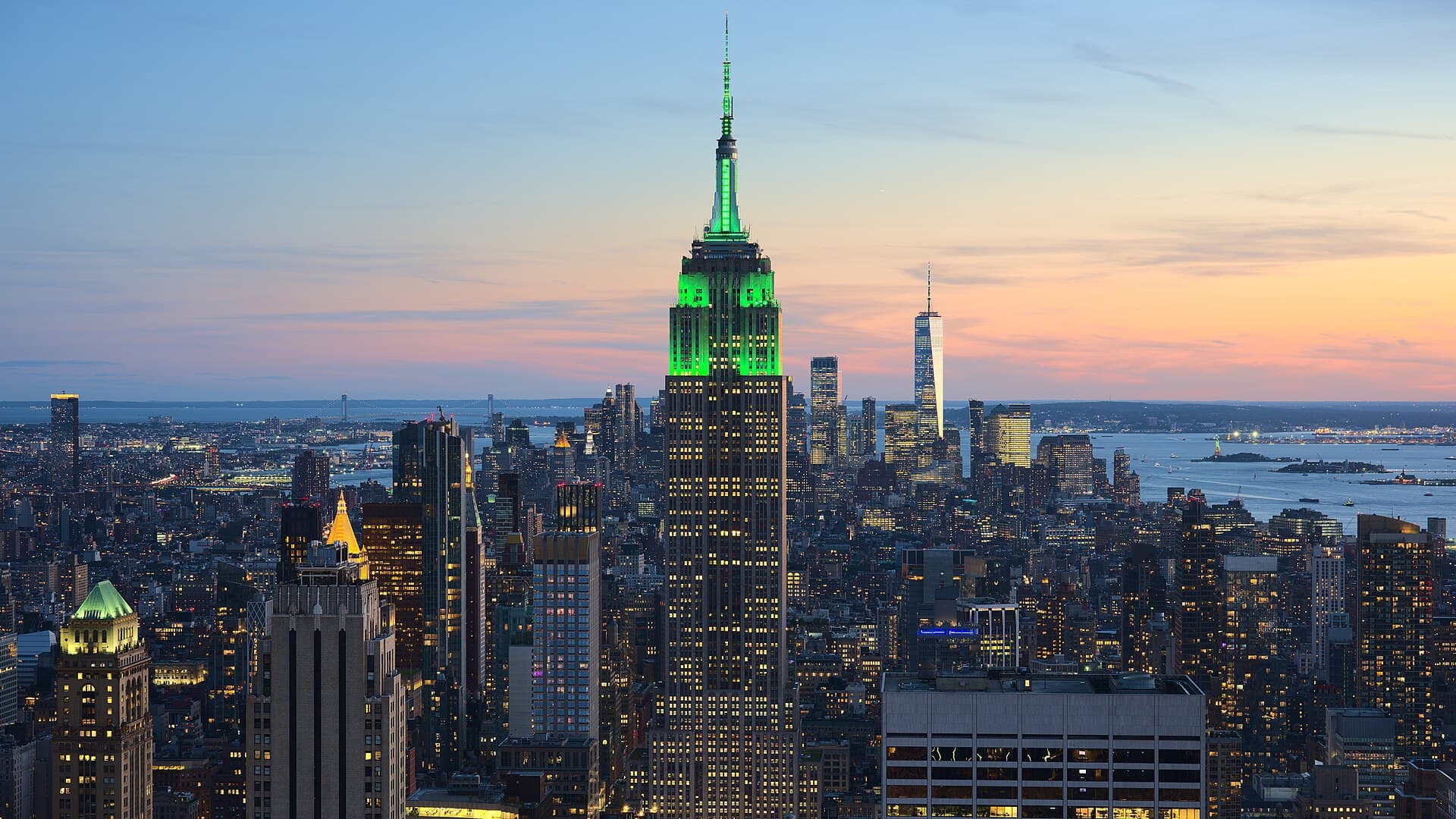 Dllu / cc by-sa 4.0, via Wikimedia Commons
Tour de áudio autoguiado por Lake Placid — rota GPS a pé, reprodução offline, narração envolvente em 32 idiomas.
“Onde o espírito de competição encontra o coração selvagem das Adirondacks.”
Não os postais. As histórias que nem os locais conhecem — sussurradas ao seu ouvido, exatamente onde aconteceram.
As acomodações construídas para os Jogos Olímpicos de Inverno de 1980 encontraram um propósito inesperado após o término dos jogos.
A superfície serena do Mirror Lake permanece intocada pelo rugido de motores de combustão interna.
Os picos imponentes que emolduram Lake Placid possuem um segredo geológico, desafiando sua aparência antiga.
Descubra cada segredo de Lake Placid
Cada endereço, cada revelação na íntegra — no seu ouvido, exatamente onde aconteceu.
Você escolhe as suas paragens. Você caminha. A voz revela o que os outros perdem.
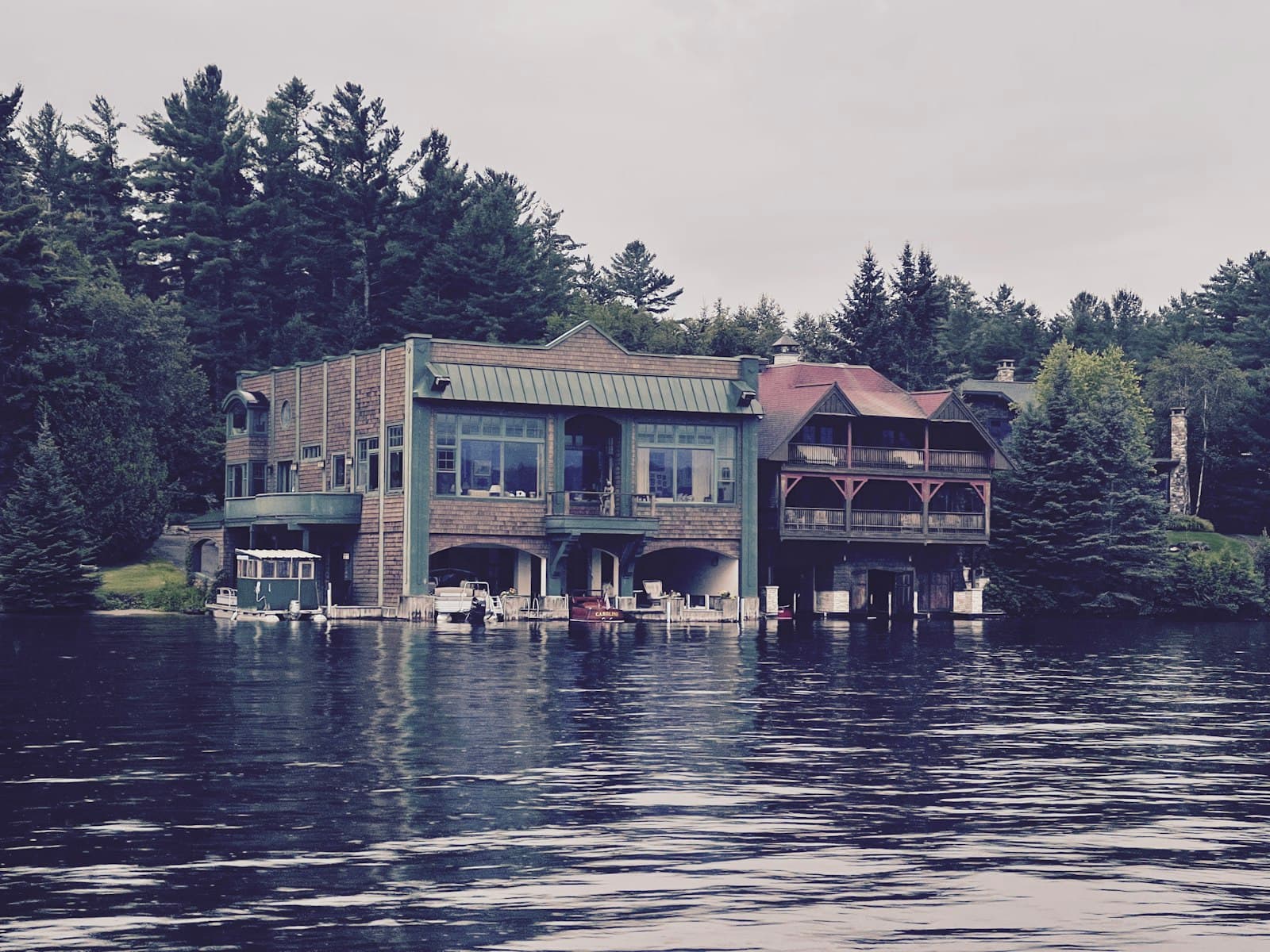
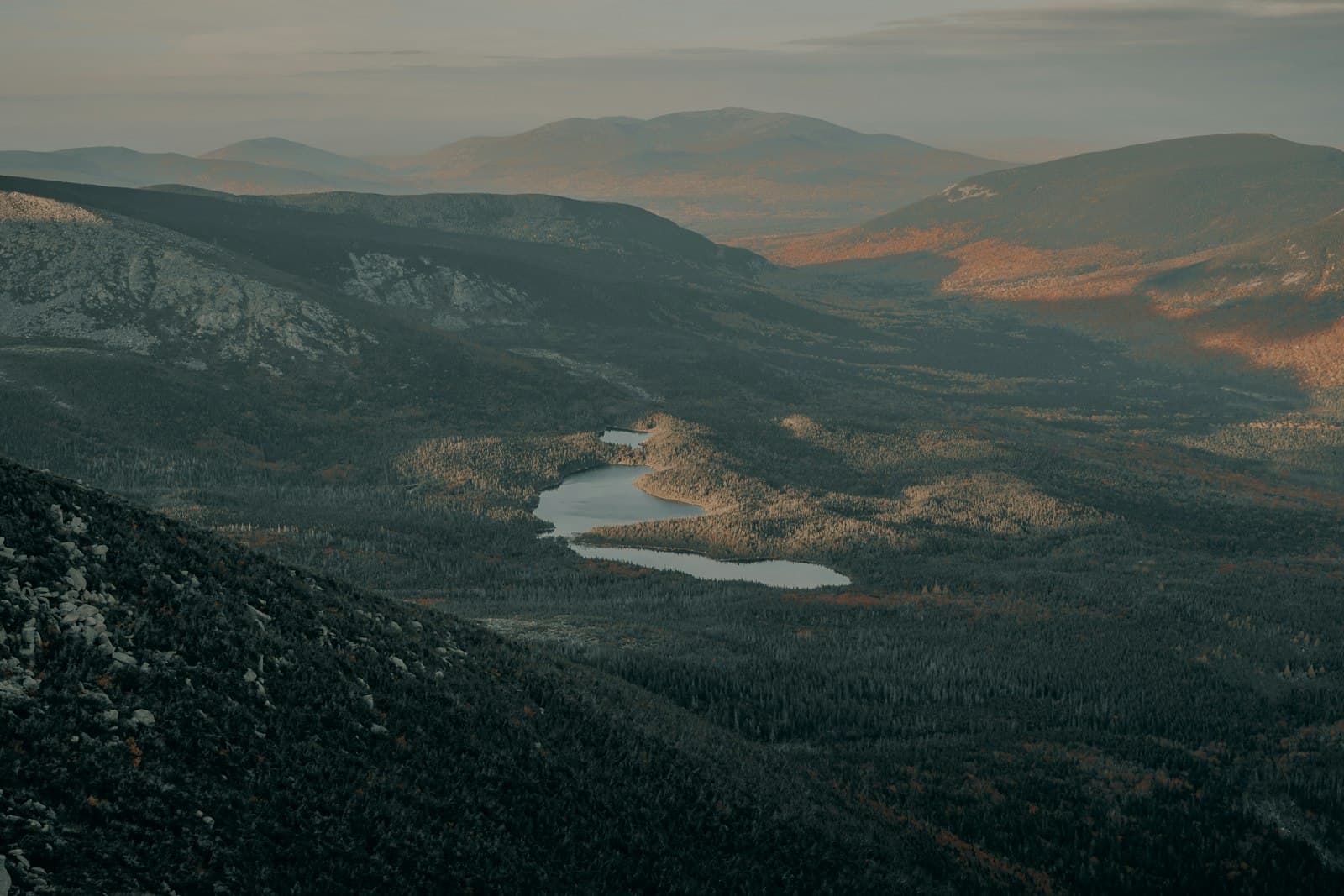
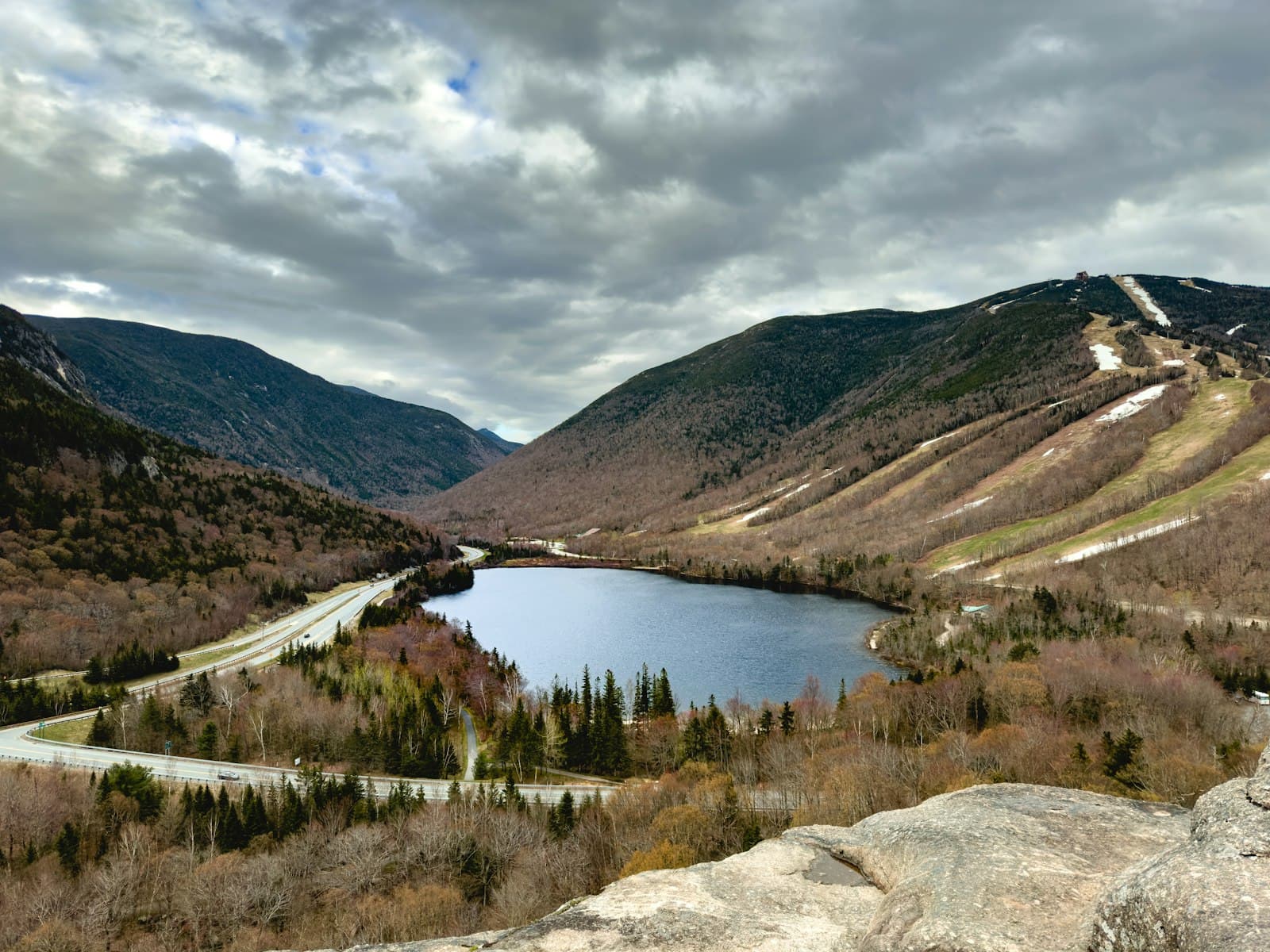
O seu tour áudio autoguiado de Lake Placid está pronto — escolha os seus pontos de interesse, selecione o seu idioma e comece no momento em que chegar.
ComprarA Lume inclui um guia de realidade aumentada. Levante o telemóvel: a câmara mostra a rua à sua frente, com uma seta luminosa sobreposta à imagem real que aponta sempre para a sua próxima paragem — sem mapa para decifrar, sem voltas erradas. Como tudo na Lume, funciona totalmente offline.
Lake Placid, uma vila aninhada nas Montanhas Adirondack de Nova York, é um lugar onde a aspiração atlética e o esplendor natural se entrelaçam. É um destino reconhecido mundialmente por sediar dois Jogos Olímpicos de Inverno, em 1932 e 1980 — uma conquista notável para uma comunidade de pouco mais de 2.200 residentes. Este legado olímpico duplo está profundamente entrelaçado no caráter da vila, com muitas sedes ainda ativas e acessíveis, oferecendo uma conexão tangível com a história esportiva.
Além de sua fama olímpica, Lake Placid serve como um portal para aventuras ao ar livre, situada dentro do extenso Parque Adirondack de 6,1 milhões de acres. A própria vila fica às margens do Mirror Lake, apresentando um centro da cidade caminhável repleto de lojas, restaurantes e vistas das High Peaks circundantes. Se você busca a emoção dos esportes olímpicos, a quietude de um caminho de montanha ou o encanto de uma vila à beira do lago, Lake Placid oferece uma variedade distinta de experiências ao longo do ano.
A história de Lake Placid começa muito antes de sua glória olímpica, enraizada na vasta extensão das Montanhas Adirondack. A cidade de North Elba, que abrange a vila de Lake Placid, foi estabelecida em 1849. No início do século XIX, Lake Placid começou a se desenvolver e, em 1900, a vila foi incorporada. Rapidamente ganhou a reputação de primeiro resort de inverno da América, atraindo visitantes ansiosos para abraçar os meses mais frios.
O ponto de virada para o reconhecimento internacional de Lake Placid chegou com os Jogos Olímpicos de Inverno. Godfrey Dewey, filho do influente bibliotecário Melvil Dewey, foi fundamental para garantir a candidatura para os III Jogos Olímpicos de Inverno. Em 1932, Lake Placid tornou-se o primeiro local fora da Europa a sediar os Jogos Olímpicos de Inverno. Esta primeira hospedagem trouxe desenvolvimentos significativos, incluindo um Estádio Olímpico e uma pista de bobsled, apresentando muitos americanos ao esporte. O herói local Jack Shea, nativo de Lake Placid, conquistou duas medalhas de ouro na patinação de velocidade durante esses jogos, tornando-se uma lenda local.
Décadas depois, Lake Placid mais uma vez subiu ao palco mundial, sediando os XIII Jogos Olímpicos de Inverno em 1980. Esta era, marcada pela Guerra Fria, viu 37 nações e mais de 1.000 atletas convergirem para a pequena vila. Os Jogos de 1980 são talvez mais famosos pelo "Milagre no Gelo", onde a equipe de hóquei masculina dos EUA, azarona, composta por jogadores amadores e universitários, triunfou sobre a equipe soviética, fortemente favorita. Essa virada histórica, narrada pelo locutor Al Michaels, tornou-se um símbolo de orgulho nacional. Outro destaque foi o patinador de velocidade dos EUA Eric Heiden, que conquistou um recorde de cinco medalhas de ouro em todos os seus cinco eventos, estabelecendo recordes olímpicos em cada um e tornando-se o único atleta a alcançar isso em uma única edição dos Jogos de Inverno. As instalações dos Jogos de 1932 e 1980 continuam a ser usadas hoje por atletas e visitantes, mantendo o legado olímpico duradouro de Lake Placid.
Lake Placid oferece uma variedade de atividades, desde explorar seu passado olímpico até abraçar a natureza selvagem de Adirondack. Um bom ponto de partida é o Lake Placid Olympic Museum, localizado no centro da cidade, no Olympic Center, que oferece insights sobre o duplo legado olímpico da vila. Os visitantes também podem experimentar o Olympic Jumping Complex, pegando um elevador até o topo das pistas de salto de esqui para vistas expansivas ou até mesmo um passeio de tirolesa. Para aqueles que buscam uma dose de adrenalina, o Mt. Van Hoevenberg oferece oportunidades para passeios de bobsled, luge e skeleton, juntamente com esqui cross-country e biatlo.
O apelo de Lake Placid reside em sua fusão de herança olímpica e grandiosidade natural. Comece no Olympic Center, sede do Lake Placid Olympic Museum, onde você pode revisitar momentos dos Jogos de Inverno de 1932 e 1980, incluindo a pista do "Milagre no Gelo". A uma curta distância, o Olympic Jumping Complex convida você a subir as pistas de salto de esqui para vistas expansivas de Adirondack. Para uma experiência olímpica direta, visite o Mt. Van Hoevenberg para experimentar bobsled, luge ou esqui cross-country.
Para um passeio mais tranquilo, caminhe ao longo do Mirror Lake Loop, um caminho de 4,2 km que circunda o lago calmo, onde apenas motores elétricos são permitidos. Aqueles interessados na história local podem explorar o John Brown Farm State Historic Site, o local de descanso final do famoso abolicionista. O centro de Lake Placid, na Main Street, oferece uma variedade de lojas distintas, restaurantes e galerias de arte locais. Para vistas amplas sem uma caminhada extenuante, a Cloudsplitter Gondola na Whiteface Mountain oferece uma subida cênica. As oportunidades de caminhada são abundantes, com trilhas como a Cobble Hill Summit Trail oferecendo vistas gratificantes da vila e do Mirror Lake.
Lake Placid recebe visitantes durante todo o ano, com cada estação oferecendo experiências distintas. O Verão (junho-agosto) é o mais procurado, com temperaturas amenas ideais para caminhadas, natação, passeios de barco e exploração. O Outono (final de setembro-meados de outubro) apresenta uma exibição visual espetacular de folhagem de outono e menos multidões, tornando-o perfeito para passeios cênicos e caminhadas. O Inverno (dezembro-março) é excelente para esportes na neve, incluindo esqui na Whiteface Mountain, patinação no gelo e bobsled, com neve confiável e noites aconchegantes. A Primavera (abril-maio), a temporada intermediária, oferece as tarifas mais baixas e menos visitantes, ideal para contemplação tranquila e para desfrutar das paisagens em degelo.
Lake Placid fica a aproximadamente 5,5 a 6 horas de carro da cidade de Nova York, tornando-a acessível para fins de semana prolongados. Embora a área central de Lake Placid seja bastante caminhável, um carro é aconselhável para explorar o Parque Adirondack mais amplo e suas várias sedes olímpicas e trilhas. O estacionamento está disponível, com opções de parquímetros em lotes no centro da cidade. As acomodações variam de resorts sofisticados a opções mais econômicas, com preços variando sazonalmente. Recomenda-se reservar com antecedência, especialmente para o verão e o outono. O Centro de Visitantes de Lake Placid, mesmo com escritórios temporários, fornece mapas e literatura para auxiliar no planejamento de suas atividades. As opções de restaurantes são diversas, desde culinária casual de pub até restaurantes mais refinados, muitos com assentos ao ar livre.
Lake Placid — coreano, chinês, hebraico e mais 29 idiomas, cada parada narrada por uma voz nativa. A maior variedade de idiomas entre os passeios de áudio autoguiados.
Disponível em: