Aldeia de Ambarita
Além das casas tradicionais Batak, um tribunal de pedra conta uma história arrepiante de justiça antiga.
História completa desbloqueada no tour
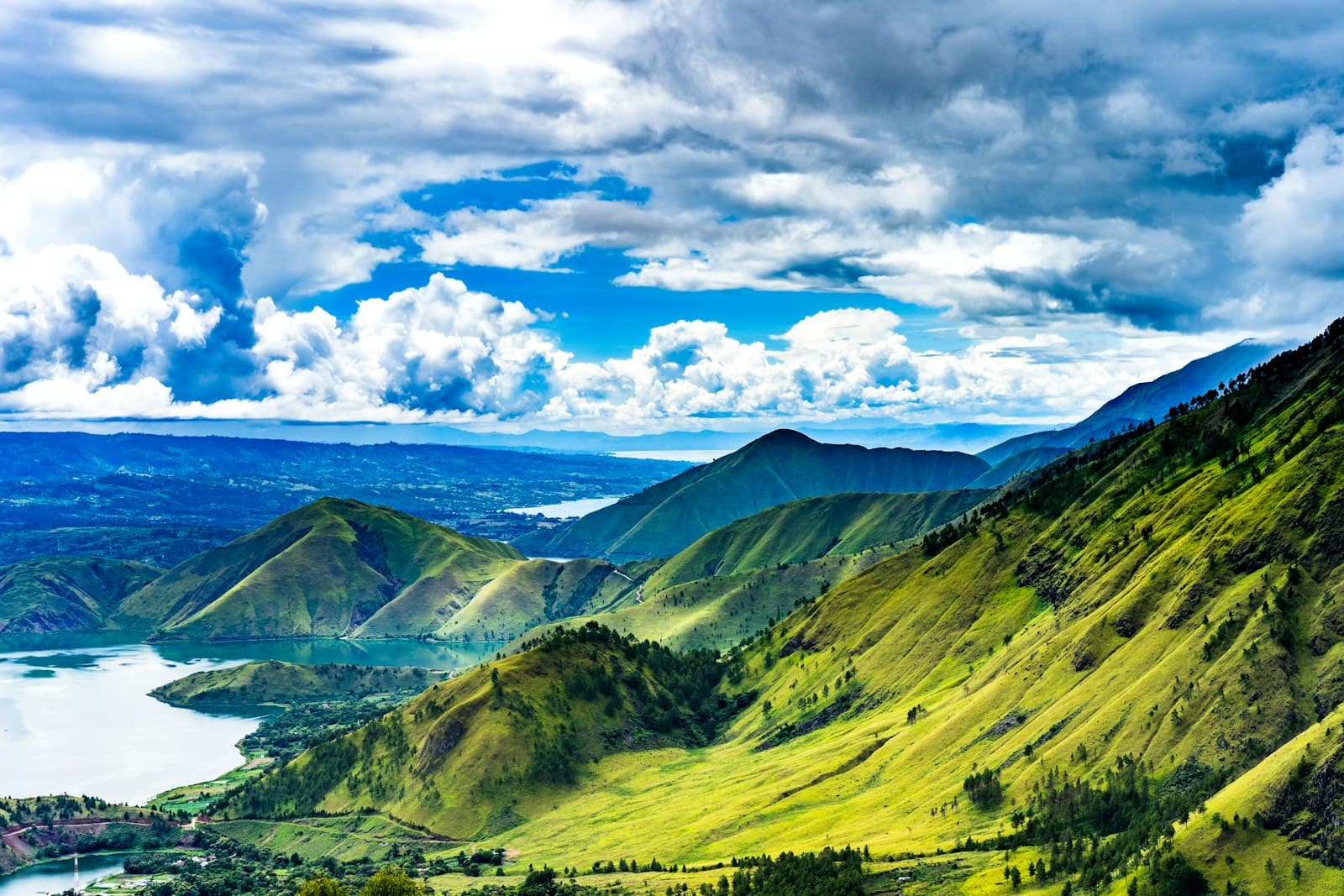 Photo: Marc St / Unsplash
Tour de áudio autoguiado por Lago Toba — rota GPS a pé, reprodução offline, narração envolvente em 32 idiomas.
“Um vasto lago de caldeira, aninhando uma ilha do tamanho de Singapura, onde a cultura antiga encontra o legado de um supervulcão.”
Não os postais. As histórias que nem os locais conhecem — sussurradas ao seu ouvido, exatamente onde aconteceram.
Além das casas tradicionais Batak, um tribunal de pedra conta uma história arrepiante de justiça antiga.
A ilha no meio do Lago Toba não é apenas terra; é um testemunho de imensas forças geológicas ainda em ação.
A pimenta única 'andaliman' na culinária Batak oferece uma sensação raramente encontrada em outros lugares.
Descubra cada segredo de Lago Toba
Cada endereço, cada revelação na íntegra — no seu ouvido, exatamente onde aconteceu.
Você escolhe as suas paragens. Você caminha. A voz revela o que os outros perdem.
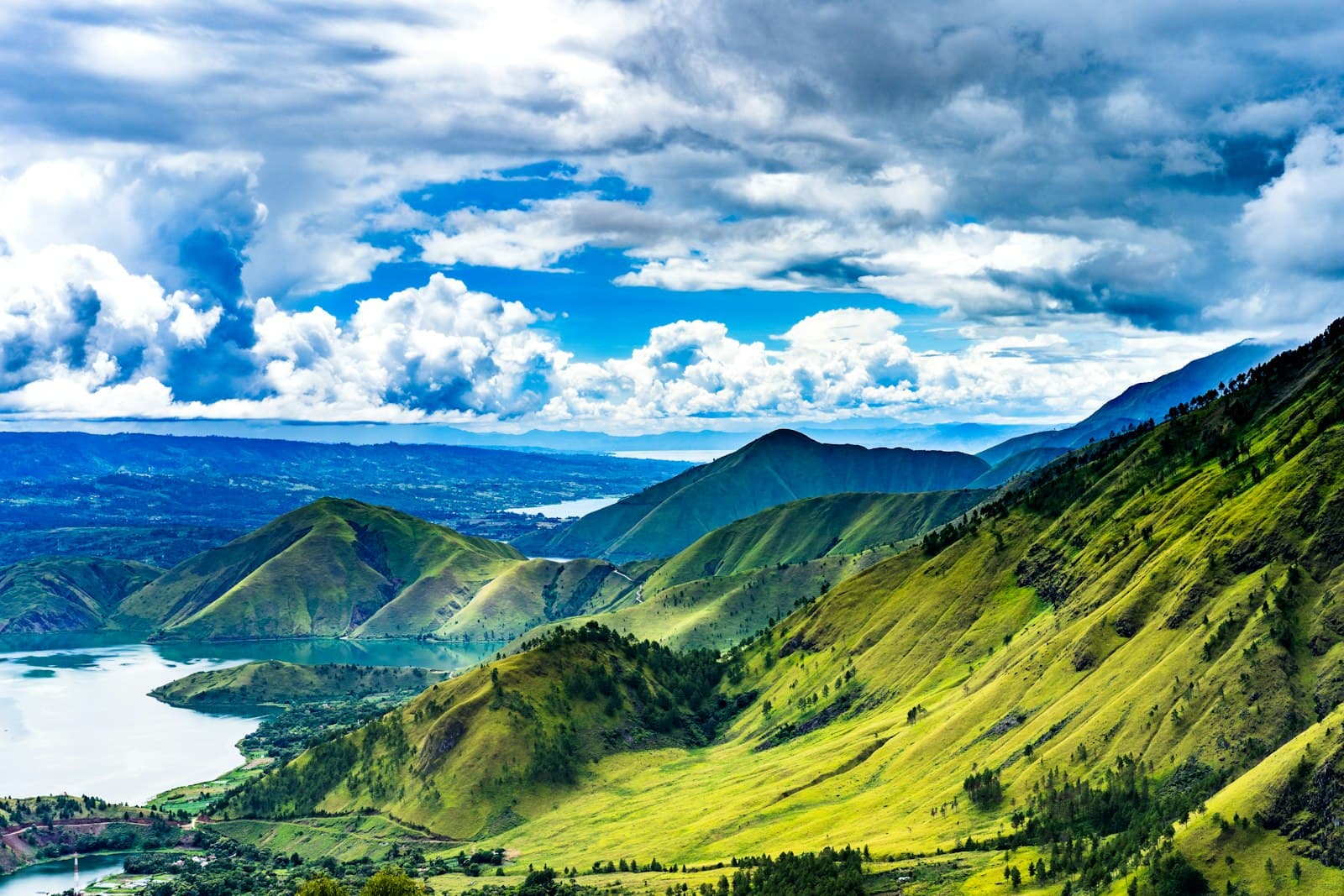


O seu tour áudio autoguiado de Lago Toba está pronto — escolha os seus pontos de interesse, selecione o seu idioma e comece no momento em que chegar.
ComprarA Lume inclui um guia de realidade aumentada. Levante o telemóvel: a câmara mostra a rua à sua frente, com uma seta luminosa sobreposta à imagem real que aponta sempre para a sua próxima paragem — sem mapa para decifrar, sem voltas erradas. Como tudo na Lume, funciona totalmente offline.
O Lago Toba, em Sumatra do Norte, Indonésia, apresenta uma maravilha natural extraordinária, um vasto lago de caldeira que se estende por aproximadamente 100 quilômetros de comprimento e 30 quilômetros de largura, atingindo profundidades de até 505 metros. É o maior lago da Indonésia e o maior lago vulcânico do mundo. Em seu centro reside a Ilha de Samosir, uma extensão quase do tamanho de Singapura, onde a cultura indígena Batak floresce, profundamente conectada ao lago e às terras altas circundantes.
Este imenso corpo d'água é mais do que um destino cênico; marca o local de uma erupção supervulcânica que ocorreu há cerca de 74.000 anos, uma das maiores erupções vulcânicas explosivas conhecidas na história da Terra. A erupção ejetou um volume estimado de 2.800 quilômetros cúbicos de material, alterando temporariamente o clima da Terra e possivelmente levando a um gargalo na população humana. Hoje, o clima ameno, a vegetação exuberante e as águas tranquilas oferecem um refúgio sereno, um forte contraste com suas origens de fogo.
O Lago Toba é reconhecido como um Geoparque Global da UNESCO, um testemunho de sua importância geológica e herança cultural. Oferece uma mistura única de beleza natural, riqueza cultural e oportunidades de aventura ao ar livre, convidando os visitantes a explorar suas paisagens dramáticas e a mergulhar nas tradições do povo Batak.
A história geológica do Lago Toba é dominada pela erupção cataclísmica do supervulcão Toba, que ocorreu há aproximadamente 74.000 anos. Este evento, conhecido como a erupção Toba mais jovem, foi a maior erupção vulcânica explosiva nos últimos 25 milhões de anos, com um Índice de Explosividade Vulcânica (VEI) de 8. A erupção liberou um volume imenso de material piroclástico, estimado em pelo menos 2.800 quilômetros cúbicos, e depositou camadas de cinzas com até 600 metros de espessura perto da chaminé principal. A queda de cinzas cobriu grandes partes do Sudeste Asiático, com depósitos de até 6 metros de espessura em partes da Índia central e 9 metros na Malásia.
O colapso subsequente do vulcão formou a enorme caldeira que agora abriga o Lago Toba. A Ilha de Samosir, no centro do lago, é uma cúpula ressurgente, resultado da pressão ascendente do magma sob a superfície, e subiu pelo menos 450 metros desde a erupção. A caldeira de Toba é a maior caldeira quaternária do mundo, medindo 100 por 30 quilômetros. Embora o supervulcão esteja atualmente dormente, ele ainda é classificado como ativo, com terremotos registrados na vizinhança.
A área ao redor do Lago Toba é habitada há séculos pela tribo Batak, um grupo étnico indígena indonésio com uma herança cultural distinta e duradoura. Os Batak Toba, um dos subgrupos, têm um sistema social organizado baseado em clãs e são historicamente conhecidos como guerreiros resilientes, habilidosos em agricultura, artesanato e música tradicional. Sua cultura está profundamente entrelaçada com o lago e sua paisagem, com casas tradicionais (rumah bolon) frequentemente apresentando telhados altos modelados em barcos.
O folclore e a mitologia local são centrais para a identidade Batak, com lendas explicando a criação do Lago Toba e a origem do povo Batak. Uma lenda proeminente conta a história de um jovem agricultor chamado Toba que se casou com um peixe dourado transformado em princesa, sob a condição de que ele nunca revelasse suas origens. Quando ele quebrou sua promessa, a princesa e seu filho desapareceram, e nascentes emergiram, formando o vasto lago. O ancestral mítico de todas as tribos Batak, Si Raja Batak, acredita-se ter descido no Gunung Pusuk Buhit, um vulcão nas margens ocidentais do Lago Toba.
O povo Batak preservou seus costumes únicos, língua, convenções sociais, danças (como a dança Tor Tor) e têxteis tecidos (ulos). Sua música tradicional, caracterizada por ritmos de guitarra melódicos e coros animados, é um som comum ao redor do lago. Apesar das influências externas e períodos coloniais, os Batak mantiveram um forte senso de independência e identidade cultural. Hoje, sua cultura duradoura continua sendo uma atração significativa, com aldeias tradicionais como Ambarita e Tomok oferecendo insights sobre costumes antigos e uma herança viva.
A Ilha de Samosir, a grande ilha no centro do Lago Toba, serve como o principal centro de exploração. A cidade de Tuktuk Siadong em Samosir oferece uma base animada, porém tranquila, com inúmeras acomodações, cafés e restaurantes. A partir daqui, você pode alugar uma motocicleta para explorar as diversas paisagens e sítios culturais da ilha.
Visite a Aldeia de Ambarita para ver as antigas cadeiras de pedra de Huta Siallagan, onde os reis Batak uma vez realizaram cortes e administraram a justiça. Na Aldeia de Tomok, explore mercados tradicionais, encontre esculturas Batak e têxteis ulos, e visite o túmulo do Rei Sidabutar. Para um mergulho mais profundo na cultura Batak, o Museu Batak de Simanindo oferece apresentações culturais e um museu instalado em uma casa tradicional Batak.
Além da imersão cultural, o Lago Toba oferece beleza natural. Explore cachoeiras como a imponente Sipiso-Piso, com cerca de 120 metros de altura, ou a Cachoeira Binangalom, que deságua diretamente no lago. Relaxe nas fontes termais naturais em Pangururan, especialmente agradáveis durante as noites mais frias. Para vistas amplas, caminhe até o Mirante Tele ou faça uma trilha até o topo do Pusuk Buhit, uma montanha sagrada na mitologia Batak. Andar de caiaque nas águas cristalinas do lago é uma maneira pacífica de experimentar sua vastidão.
A época ideal para visitar o Lago Toba é durante a estação seca, que geralmente vai de abril a outubro. Durante esses meses, o clima é ensolarado e agradável, com temperaturas variando de aproximadamente 17°C a 30°C, tornando-o perfeito para atividades ao ar livre como passeios de barco, caminhadas e exploração de mirantes cênicos. Maio, junho, julho e agosto são frequentemente destacados como os melhores meses para visitar, oferecendo o auge do verão com menos chuva. Os meses intermediários da primavera (março-abril) e do outono (setembro-novembro) também oferecem clima favorável com menos multidões. A estação chuvosa, de novembro a março, pode trazer clima imprevisível, incluindo chuva forte e ventos fortes, que podem interromper os planos de viagem.
Chegar ao Lago Toba geralmente envolve voar para o Aeroporto Internacional de Kualanamu (KNO) em Medan ou para o Aeroporto Internacional de Silangit (DTB), que fica mais perto do lago. De Kualanamu, a rota mais comum é por estrada até Parapat, uma cidade na beira do lago, que leva cerca de 4-7 horas de ônibus ou carro particular. De Parapat, balsas cruzam regularmente para a Ilha de Samosir, com paradas em áreas populares como Tuktuk.
Circular pela Ilha de Samosir é melhor feito alugando uma motocicleta, que a maioria das pousadas oferece por cerca de Rp 50.000 por dia. O transporte público na ilha consiste principalmente em angkots (micro-ônibus) que operam na estrada circular principal. As opções de acomodação variam de pousadas e casas de família econômicas a hotéis de gama média e resorts de luxo, muitos oferecendo vistas para o lago e acesso direto ao lago.
Respeitar a cultura local Batak é importante. Roupas modestas são recomendadas, especialmente ao visitar locais religiosos ou áreas rurais. Um sorriso amigável e uma leve reverência são saudações apreciadas, e 'Horas' é uma saudação Batak comum. Ao ser convidado para a casa de um local, tire seus sapatos e considere trazer um pequeno presente. A culinária local é um destaque, com pratos como Arsik Ikan Mas (peixe temperado), Naniura (peixe cru marinado em cítricos) e Mie Gomak (macarrão Batak).
Lago Toba — coreano, chinês, hebraico e mais 29 idiomas, cada parada narrada por uma voz nativa. A maior variedade de idiomas entre os passeios de áudio autoguiados.
Disponível em: