Wat Phra That Lampang Luang
Questo antico tempio custodisce un segreto che tradizionalmente solo agli uomini è permesso osservare.
La storia completa si sblocca nel tour
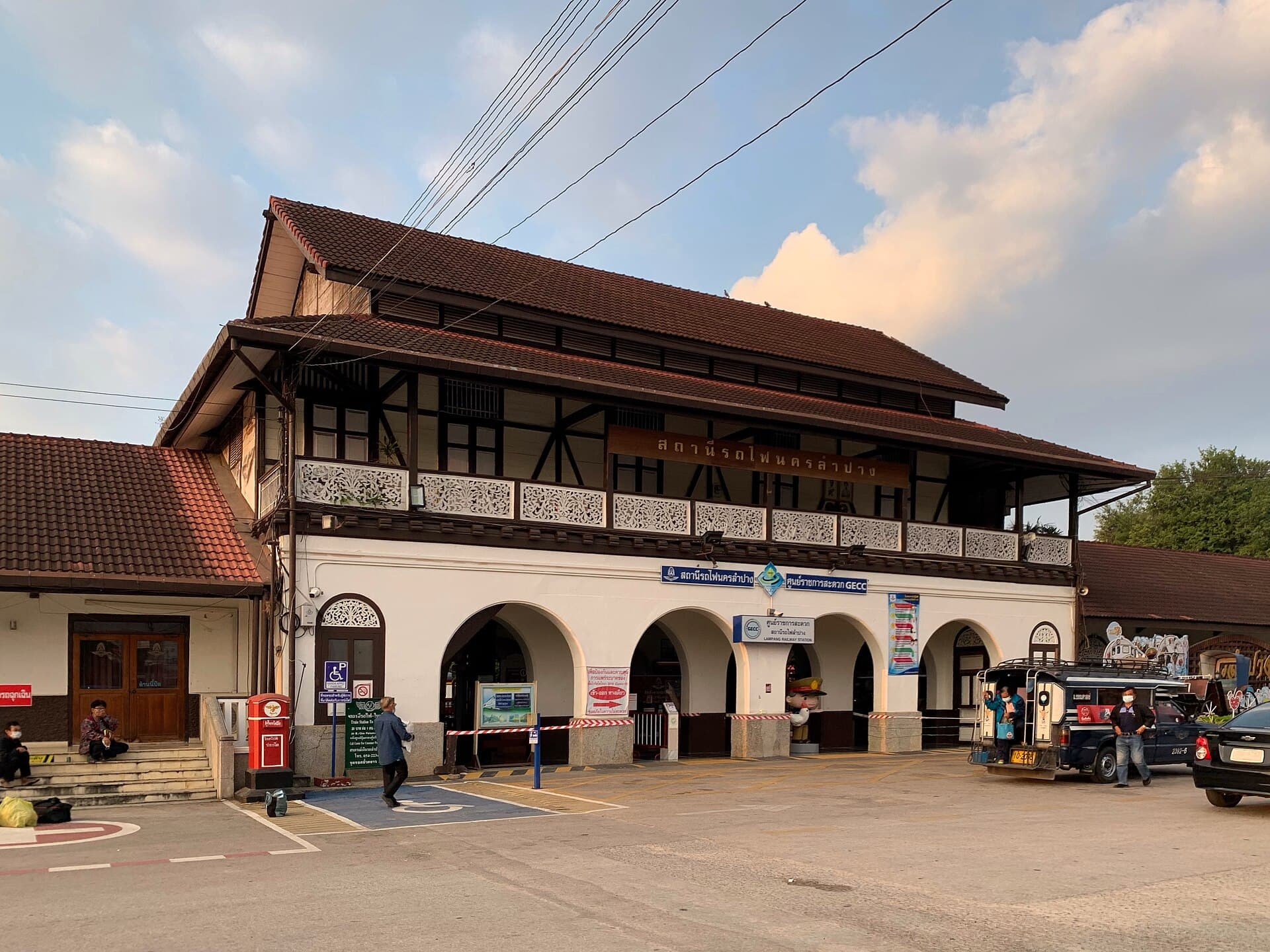 Chainwit. / CC BY-SA 4.0, via Wikimedia Commons
Tour audio autoguidato di Lampang — percorso GPS a piedi, riproduzione offline, narrazione coinvolgente in 32 lingue.
“Lampang: Dove lo zoccolo dei cavalli scandisce il tempo con le tradizioni Lanna.”
Non le cartoline. Le storie che nemmeno i locali conoscono — sussurrate nel tuo orecchio, proprio dove sono accadute.
Questo antico tempio custodisce un segreto che tradizionalmente solo agli uomini è permesso osservare.
Questa vivace via del mercato, oggi piena di attività, deve la sua esistenza a un sorprendente mix di commercianti internazionali.
L'iconico disegno del gallo presente su molte ciotole di ceramica di Lampang non è solo un bel motivo; racconta una storia leggendaria.
Scopri ogni segreto di Lampang
Ogni indirizzo, ogni rivelazione completa — nel tuo orecchio, proprio dove è accaduta.
Scegli le tue tappe. Cammini. La voce rivela ciò che gli altri perdono.
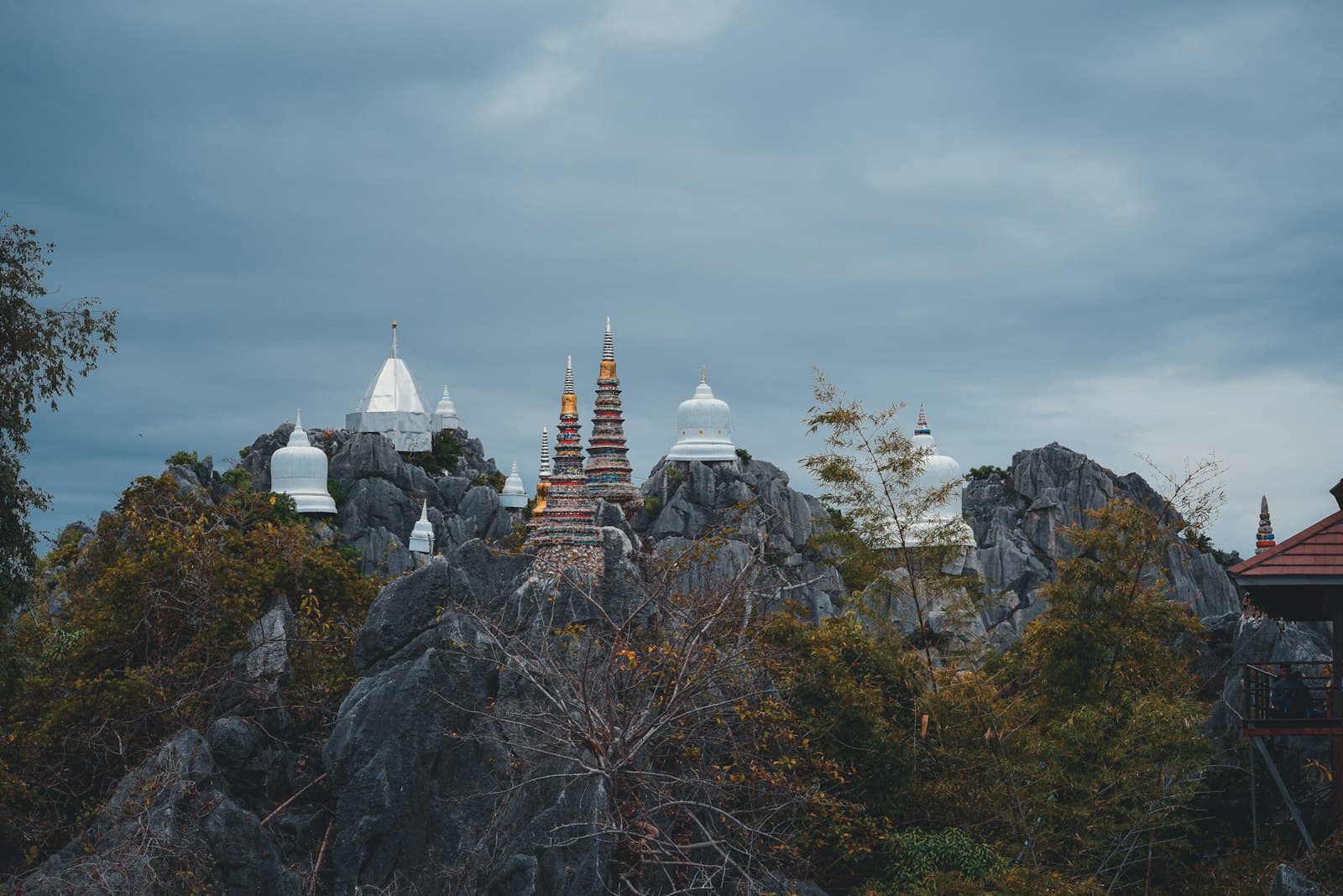
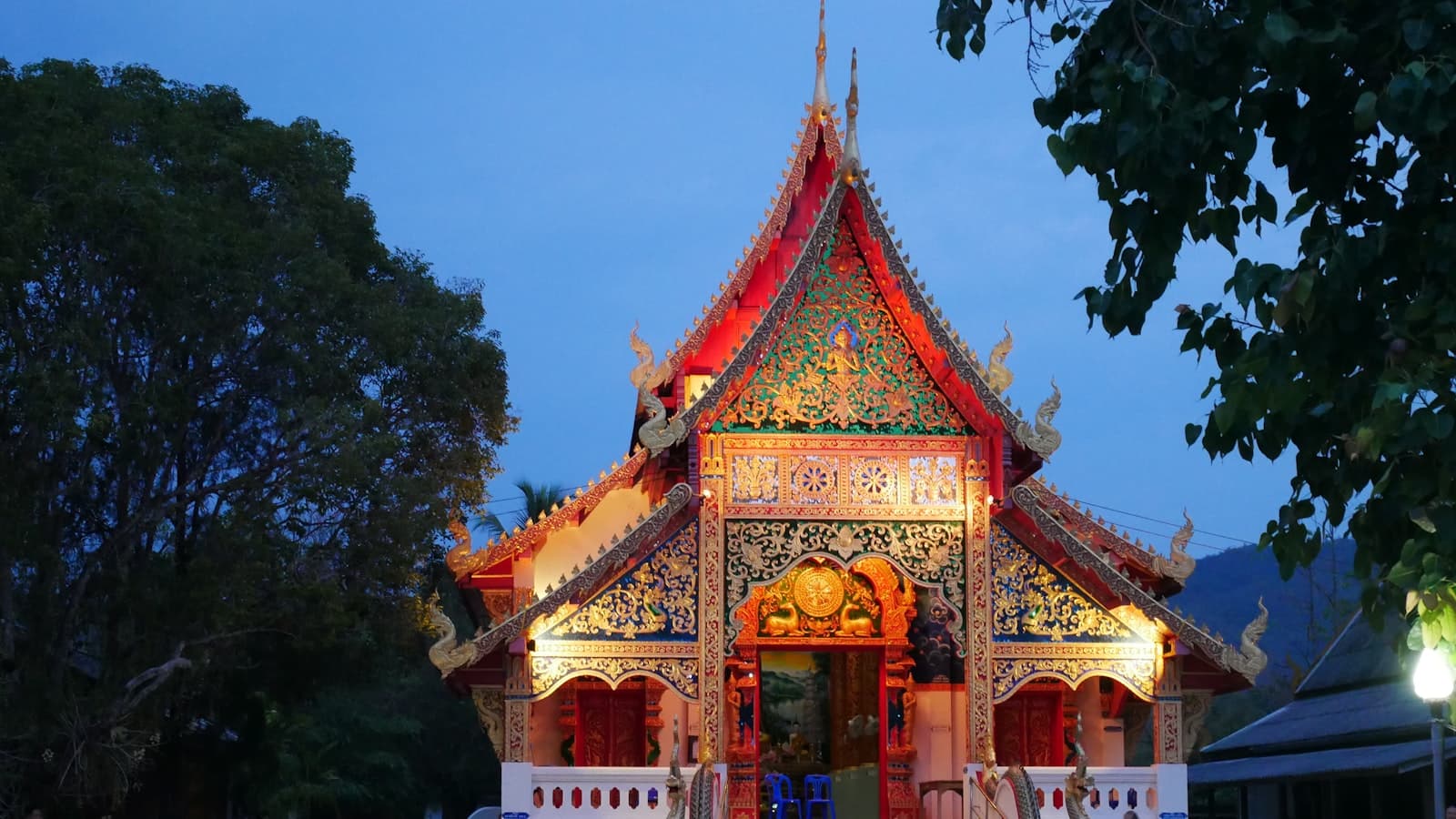
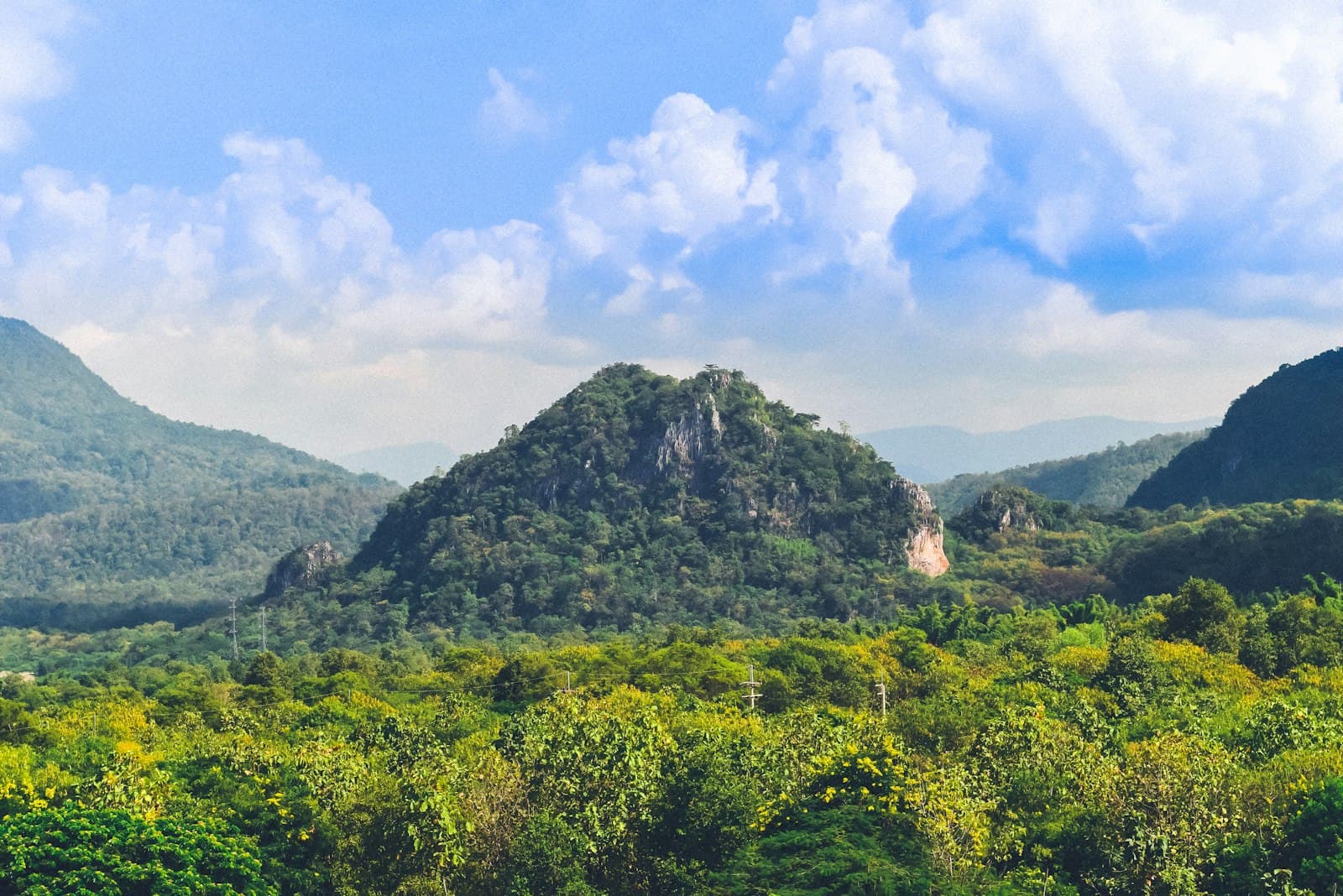
Il tuo tour audio autoguidato di Lampang è pronto — scegli i tuoi punti di interesse, seleziona la tua lingua e inizia nel momento in cui arrivi.
AcquistaLume include una guida in realtà aumentata. Alza il telefono: la fotocamera mostra la strada davanti a te, con una freccia luminosa sovrapposta all'immagine reale che punta sempre verso la tua prossima tappa — nessuna mappa da decifrare, nessuna svolta sbagliata. Come tutto in Lume, funziona completamente offline.
Lampang, spesso chiamata la 'Città delle Carrozze', offre una fuga tranquilla nel nord della Thailandia, distinta dai centri più vivaci di Chiang Mai e Chiang Rai. Questo capoluogo di provincia, conosciuto anche con i suoi nomi tradizionali Wiang Lakon e Khelang Nakhon, invita i visitatori a sperimentare un ritmo di vita più lento dove il patrimonio culturale e la bellezza naturale si intrecciano.
La città è caratterizzata dalla sua miscela unica di stili architettonici Lanna, birmano ed europeo, un retaggio del suo passato come importante centro commerciale. Le carrozze trainate da cavalli, un mezzo di trasporto affascinante e iconico, ancora oggi sferragliano lungo le sue strade, offrendo un modo nostalgico per esplorare i siti storici della città e il fascino fluviale.
Oltre al suo fascino storico, Lampang è anche nota per la sua fiorente industria della ceramica, che produce le caratteristiche ciotole con il marchio del gallo, e per il suo impegno nella conservazione degli elefanti attraverso il rinomato Thai Elephant Conservation Center.
Le origini di Lampang risalgono al VII secolo, quando fu fondata come Khelang Nakhon, un insediamento fortificato dal principe Anantayot, figlio della regina Chamadevi del regno Mon di Hariphunchai. La sua posizione strategica nella fertile valle del fiume Wang, offrendo sia acqua per l'agricoltura che una rotta commerciale naturale, contribuì al suo primo sviluppo come avamposto significativo. La città fiorì come centro spirituale, con il Buddismo Theravada che mise radici, come testimoniano antichi templi che mostrano stili architettonici Mon e Lanna primitivi.
Alla fine del XIII secolo, Lampang divenne parte integrante del Regno Lanna in espansione sotto il re Mengrai, servendo come importante centro amministrativo. La sacra statua del Buddha di Smeraldo fu persino ospitata a Wat Phra Kaew Don Tao per 32 anni, a partire dal 1436.
Dal XVI al XVIII secolo, Lampang, insieme a gran parte della regione Lanna, cadde sotto il dominio birmano. Tuttavia, i movimenti di resistenza locali portarono infine all'espulsione delle forze birmane. Un momento cruciale si verificò nel 1732, quando Nan Thip Chang, un eroe locale, guidò una rivolta a Wat Phra That Lampang Luang, liberando la città dal suo governatore birmano. Nel 1774, un'alleanza con il re Taksin del Siam consolidò l'annessione dei territori settentrionali al Siam, con Lampang governata dalla dinastia dei 'Sette Signori' come stato vassallo.
Successivamente, tra la fine del XIX e l'inizio del XX secolo, Lampang visse un periodo di significativa prosperità economica, trainata dalla fiorente industria del teak. La città divenne un importante snodo di trasporto e commercio, attirando una comunità diversificata di mercanti thailandesi, cinesi, birmani ed europei. I resti di quest'epoca sono ancora visibili nelle ben conservate dimore di teak e negli stili architettonici distinti presenti in tutta la città. L'introduzione delle carrozze trainate da cavalli nel 1916, in coincidenza con l'arrivo della ferrovia, cementò ulteriormente l'identità unica di Lampang come città in cui persistono mezzi di trasporto tradizionali. Dopo il declino dell'industria del legname a causa di preoccupazioni ambientali, la scoperta di argilla caolino di alta qualità spostò l'economia di Lampang, portando alla sua designazione come 'Capitale della Ceramica' della Thailandia.
Inizia la tua esplorazione con un giro in carrozza trainata da cavalli, un'esperienza distintiva di Lampang, per attraversare le strade storiche e ammirare l'architettura coloniale e Lanna. Visita Wat Phra That Lampang Luang, un imponente complesso templare in stile Lanna del XIII secolo, rinomato per il suo chedi dorato e le intricate strutture in legno di teak. Un altro tempio significativo è Wat Phra Kaew Don Tao Suchadaram, che un tempo ospitava il Buddha di Smeraldo. Presenta una miscela di stili architettonici Lanna, birmano e Shan.
Passeggia lungo Kad Kong Ta Walking Street, specialmente la sera nei fine settimana, quando si trasforma in un vivace mercato. Qui potrai ammirare gli edifici secolari che riflettono il passato commerciale della città e assaggiare lo street food locale. Per un'immersione più profonda nell'artigianato locale, il Dhanabadee Ceramic Museum offre spunti sull'industria ceramica di Lampang, comprese dimostrazioni dal vivo e opportunità per creare la tua ceramica.
Gli amanti della natura possono avventurarsi nel Parco Nazionale di Chae Son, noto per le sue sorgenti termali e cascate, dove è persino possibile far bollire le uova nelle acque termali. Il Thai Elephant Conservation Center, a 30 minuti di auto dalla città, offre un santuario per gli elefanti e programmi educativi e opportunità per osservare questi maestosi animali.
Il periodo ideale per visitare Lampang è durante la stagione fresca e secca, da novembre a febbraio. Le temperature durante questo periodo variano da 15°C a 28°C (59°F a 82°F), offrendo un clima piacevole per attività all'aperto e visite turistiche. Questa stagione porta anche cieli sereni e bassa umidità. Mentre la stagione calda (marzo-giugno) può vedere temperature salire oltre i 30°C, significa meno turisti. La stagione delle piogge (luglio-ottobre) porta una vegetazione lussureggiante e frequenti acquazzoni pomeridiani, che possono offrire un'esperienza diversa e più tranquilla.
Lampang è accessibile in aereo, treno e autobus. L'aeroporto di Lampang offre voli domestici giornalieri dall'aeroporto internazionale di Don Mueang a Bangkok. La linea ferroviaria del nord collega Bangkok e Chiang Mai, con Lampang come fermata, offrendo un viaggio panoramico. Autobus pubblici collegano anche Lampang ad altre parti del nord della Thailandia, tra cui Chiang Mai e Chiang Rai.
All'interno della città, le carrozze trainate da cavalli offrono un modo affascinante per esplorare, in particolare la città vecchia e le aree storiche. I Songthaew (camioncini pickup condivisi) sono anche facilmente disponibili per spostarsi, con quelli verdi e gialli per i viaggi in città e quelli blu per le città vicine. I taxi moto sono un'altra opzione e i noleggi auto sono disponibili all'aeroporto di Lampang per coloro che preferiscono guidare. Per le brevi distanze nella città vecchia pianeggiante, i noleggi di biciclette sono spesso disponibili presso le pensioni.
Lampang — coreano, cinese, ebraico e altre 29 lingue, ogni tappa narrata da una voce madrelingua. La più ampia scelta di lingue tra i tour audio autoguidati.
Disponibile in: