Капитолий штата Мичиган
Присмотритесь к интерьеру купола, и вы найдете деталь, рассказывающую о забытой эпохе американской изобретательности.
Полная история открывается в туре
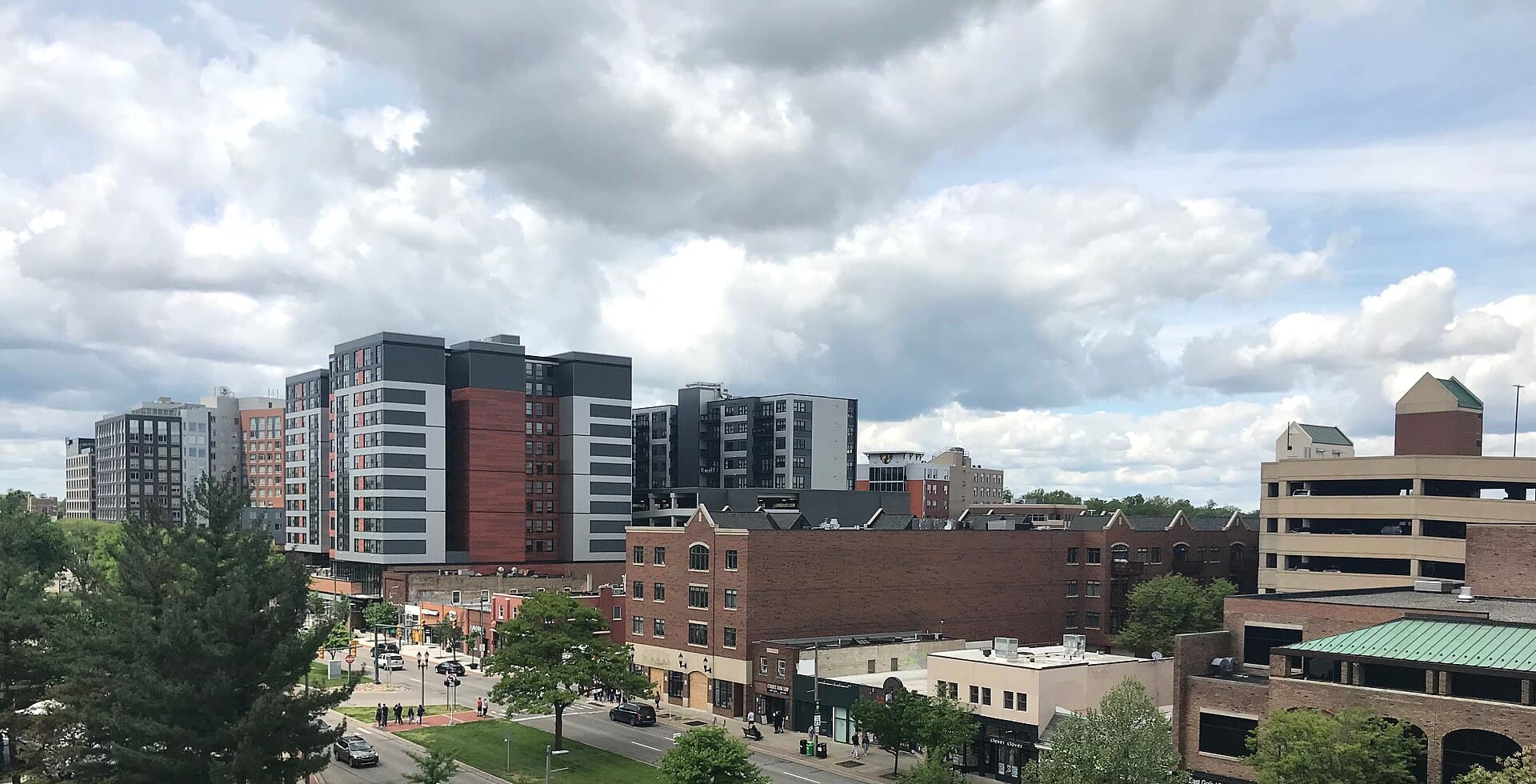 WeaponizingArchitecture / CC BY-SA 4.0, via Wikimedia Commons
Самостоятельная аудиопрогулка по Лансинг — GPS-маршрут, офлайн-воспроизведение, увлекательное повествование на 32 языках.
“Где река Гранд прокладывает путь через историю Мичигана.”
Не открытки. Истории, которые не знают даже местные жители — шепотом в вашем ухе, прямо там, где они произошли.
Присмотритесь к интерьеру купола, и вы найдете деталь, рассказывающую о забытой эпохе американской изобретательности.
Кажущиеся спокойными воды реки Гранд когда-то хранили секрет, который способствовал росту города и привлек внимание всей страны.
Среди очаровательных викторианских зданий одно особое строение имеет удивительную связь с самой тканью американской популярной культуры.
Откройте для себя каждый секрет Лансинг
Каждый адрес, каждое полное раскрытие — в вашем ухе, прямо там, где это произошло.
Вы выбираете остановки. Вы гуляете. Голос раскрывает то, что упускают другие.


Ваш самостоятельный аудиотур по Лансинг готов — выберите свои достопримечательности, выберите свой язык и начните в момент прибытия.
КупитьВ Lume встроен гид дополненной реальности. Поднимите телефон: камера показывает улицу перед вами, а поверх реального изображения светится стрелка, всегда указывающая на вашу следующую остановку — не нужно разбираться с картой и сворачивать не туда. Как и всё в Lume, это работает полностью офлайн.
Лансинг, штат Мичиган, расположен в месте слияния рек Гранд и Ред-Сидар, что географически определило его роль как центра промышленности, образования и правительства. Как столица штата, это город, где законодательные решения эхом разносятся по залам Капитолия штата Мичиган, выдающемуся образцу архитектуры XIX века. Помимо своего политического значения, Лансинг — это место инноваций, в частности, как родина Oldsmobile, наследие которого до сих пор ощущается в его автомобильной истории.
## От речного поселения к столице штата Истоки Лансинга связаны с его стратегическим расположением вдоль реки Гранд. Изначально известный как «Michigan Mill Company», этот район был несколько неожиданно выбран столицей штата в 1847 году. В то время это была в основном неосвоенная дикая местность, компромиссный выбор для урегулирования спора между более устоявшимися городами. Это решение стимулировало быстрый рост, превратив зарождающееся поселение в оживленный правительственный центр. Строительство здания Капитолия штата Мичиган, завершенное в 1879 году, укрепило роль Лансинга как центра государственной власти, а его купол стал культовым символом.
## Промышленная мощь и автомобильные инновации В конце XIX — начале XX веков Лансинг превратился в промышленный центр. Доступ города к водным путям, а затем и к железнодорожным линиям способствовал росту производства. Самое главное, Рэнсом Э. Олдс основал в Лансинге в 1897 году компанию Olds Motor Vehicle Company, став пионером массового производства автомобилей. Oldsmobile Curved Dash, один из первых массово производимых автомобилей, сошел с конвейеров Лансинга, навсегда связав город с автомобильной промышленностью. Это наследие продолжалось более века, и Лансинг оставался жизненно важным центром производства General Motors.
## Образование и культурное развитие Наряду с промышленной и правительственной деятельностью, Лансинг также способствовал развитию сильной образовательной и культурной идентичности. Мичиганский сельскохозяйственный колледж, ныне Мичиганский государственный университет, был основан неподалеку в 1855 году и стал земельным институтом и крупным исследовательским университетом. Эта близость наполнила Лансинг академической атмосферой. Культурный ландшафт города также развивался с созданием таких учреждений, как Художественная галерея Лансинга и Центр исполнительских искусств Уортона, отражая растущую приверженность искусству и развитию сообщества.
Начните свое исследование с Капитолия штата Мичиган, национального исторического памятника, известного своей изысканной викторианской архитектурой и впечатляющим куполом. Бесплатные экскурсии позволяют заглянуть в законодательную историю Мичигана. Затем прогуляйтесь по Лансингской набережной, живописной тропе, идущей вдоль реки Гранд, соединяющей парки, Городской рынок Лансинга и различные достопримечательности. На Городском рынке представлены местные продукты, изделия ремесленников и разнообразные продуктовые лавки.
Погрузитесь в автомобильное прошлое Лансинга в Музее транспорта Р.Э. Олдса, где представлена замечательная коллекция автомобилей Oldsmobile и других автомобилей, произведенных в Мичигане. Для любителей искусства Художественная галерея Лансинга представляет современных художников Мичигана, а расположенный неподалеку Художественный музей Эли и Эдит Брод при Мичиганском государственном университете представляет собой впечатляющее здание, спроектированное Захой Хадид, в котором хранится разнообразная коллекция современного искусства. Наконец, исследуйте Старый город Лансинга, исторический район, характеризующийся сохранившимися викторианскими зданиями, уникальными бутиками, художественными галереями и оживленными развлекательными заведениями.
Лансинг лучше всего посещать поздней весной и ранней осенью. Май и июнь предлагают приятные температуры и цветущие пейзажи, идеально подходящие для прогулок по набережной и осмотра достопримечательностей на свежем воздухе. Сентябрь и октябрь приносят комфортную погоду и красочную осеннюю листву, создавая живописный фон для осмотра достопримечательностей. Летние месяцы могут быть жаркими и влажными, а зимы обычно холодные со значительным снегопадом.
До Лансинга можно добраться через Международный аэропорт столичного региона (LAN), предлагающий региональные рейсы. Для тех, кто путешествует на автомобиле, в Лансинге сходятся основные автомагистрали I-96, I-69 и US-127. Общественный транспорт в городе обеспечивается автобусной системой Capital Area Transportation Authority (CATA) с маршрутами, охватывающими большинство ключевых районов. Многие достопримечательности в центре города находятся в шаговой доступности, а набережная обеспечивает легкий пешеходный доступ к нескольким интересным местам. Варианты размещения варьируются от отелей в центре города до очаровательных пансионов.
Лансинг: корейский, китайский, иврит и ещё 29 языков — каждую остановку озвучивает носитель языка. Самый широкий выбор языков среди аудиоэкскурсий без гида.
Доступные языки: