Der Sinking Bell Tower
Laoags ikonischer Glockenturm hat ein Geheimnis, das ihn buchstäblich zu Fall bringt.
Die ganze Geschichte wird in der Tour freigeschaltet
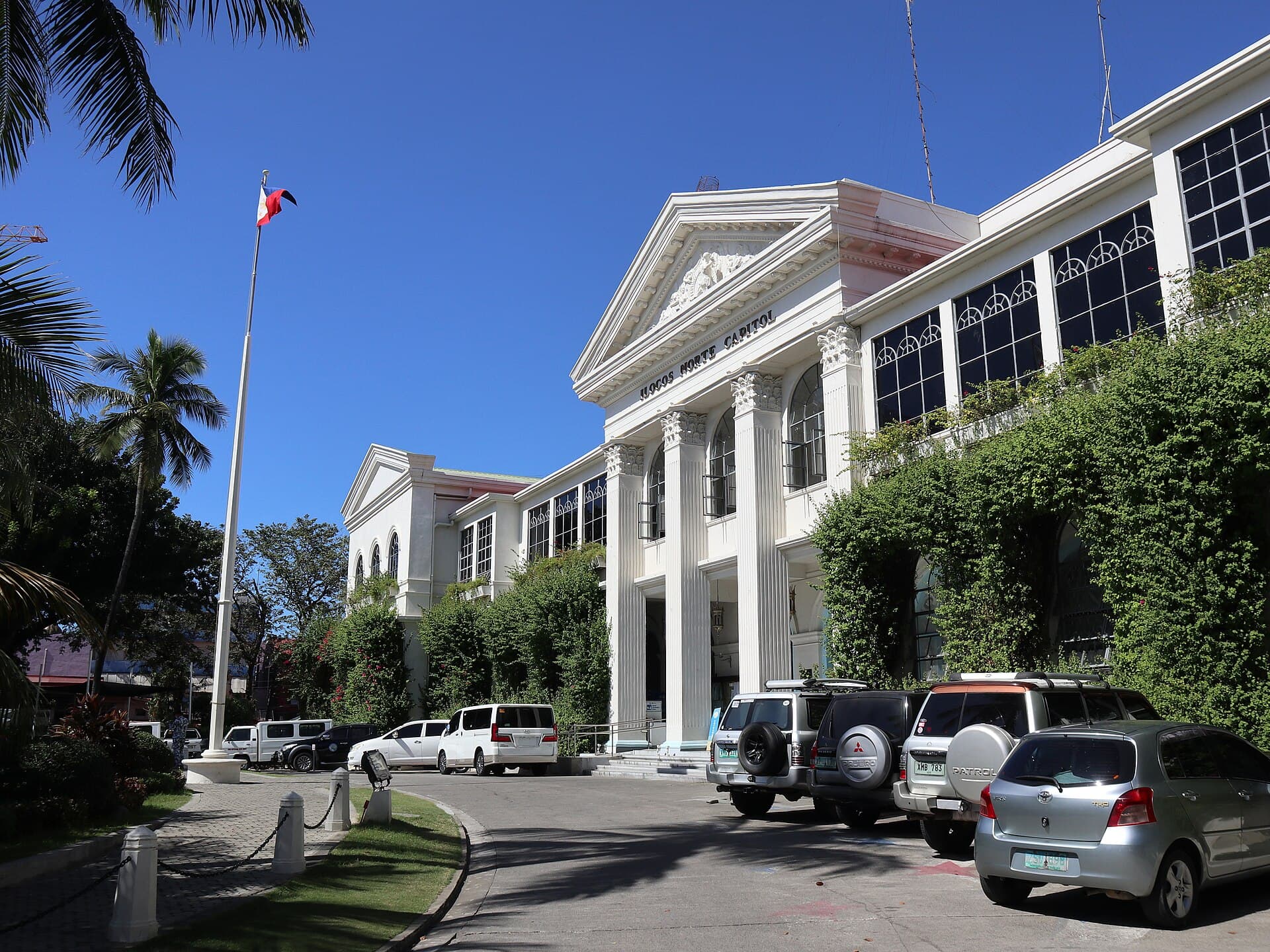 Patrickroque01 / CC BY-SA 4.0, via Wikimedia Commons
Selbstgeführte Audio-Walking-Tour durch Laoag — GPS-Route, Offline-Wiedergabe, erzählerische Narration in 32 Sprachen.
“Wo die Geschichte sich neigt und die Sonne immer scheint.”
Nicht die Postkarten. Die Geschichten, die selbst Einheimische nicht kennen – dir ins Ohr geflüstert, genau dort, wo sie geschahen.
Laoags ikonischer Glockenturm hat ein Geheimnis, das ihn buchstäblich zu Fall bringt.
Dies sind nicht nur irgendwelche Sanddünen; sie spielten eine Hauptrolle in einem Hollywood-Blockbuster.
Die meisten Denkmäler feiern Helden oder Siege, aber dieses markiert das Ende einer unterdrückerischen Ära.
Entdecke jedes Geheimnis von Laoag
Jede Adresse, jede Enthüllung vollständig – in deinem Ohr, genau dort, wo es geschah.
Du wählst deine Stationen. Du gehst. Die Stimme enthüllt, was andere übersehen.

Deine selbstgeführte Audio-Tour durch Laoag ist bereit – wähle deine Sehenswürdigkeiten, deine Sprache und starte, sobald du ankommst.
KaufenLume enthält einen integrierten Augmented-Reality-Guide. Halten Sie Ihr Handy hoch: Die Kamera zeigt die Straße vor Ihnen, mit einem leuchtenden Pfeil über dem echten Bild, der immer auf Ihren nächsten Stopp zeigt — keine Karte zum Rätseln, keine falschen Abzweigungen. Wie alles bei Lume funktioniert es komplett offline.
Laoag, die Hauptstadt von Ilocos Norte, ist eine Stadt, in der spanisches Kolonialerbe, Naturwunder und eine ausgeprägte Ilocano-Identität zusammenlaufen. Bekannt als die "Sonnenschein-Stadt" – ein Name, der vom Ilocano-Wort lawag für "Licht" oder "Helligkeit" abgeleitet ist – macht Laoag seinem Namen alle Ehre mit im Allgemeinen klarem Himmel und warmen Temperaturen das ganze Jahr über. Sie dient als lebendiges Tor zu den nördlichen Philippinen und bietet eine Mischung aus historischer Faszination, aufregenden Abenteuern und einer einladenden Atmosphäre.
An der nordwestlichen Spitze von Luzon gelegen und vom Westphilippinischen Meer begrenzt, hat Laoags strategische Lage seine Geschichte und Kultur geprägt. Mit über 112.000 Einwohnern behält die Stadt eine lebendige und doch überschaubare Umgebung bei, die es den Besuchern ermöglicht, ihre Straßen leicht zu erkunden und mit den gastfreundlichen Einheimischen in Kontakt zu treten. Von architektonischen Wundern, die von vergangenen Jahrhunderten erzählen, bis hin zu einzigartigen kulinarischen Traditionen bietet Laoag ein authentisches philippinisches Erlebnis.
Jenseits seines städtischen Kerns ist Laoag ein Ausgangspunkt für die Erkundung der weiteren Provinz Ilocos Norte, einschließlich der Paoay-Kirche, der La Paz Sanddünen und der Küstenschönheit von Pagudpud. Die unprätentiöse und gemeinschaftsorientierte Esskultur der Stadt, die oft in Open-Air-Restaurants und belebten Märkten zu finden ist, lädt Besucher ein, authentische Ilocano-Aromen zu genießen.
Die Geschichte von Laoag reicht bis in die präkoloniale Zeit zurück, lange bevor europäische Entdecker die Region kartierten. Der Name der Stadt, Laoag, stammt vom Ilocano-Wort für "Licht" oder "Klarheit", eine Anspielung auf den hellen Himmel und Sonnenschein, der diesen Teil von Luzon kennzeichnet. Die Gegend war bereits eine blühende Siedlung, die Handel mit chinesischen und japanischen Kaufleuten trieb und Waren wie Keramik, Seide und Gold austauschte.
Die spanische Kolonialgeschichte begann 1572 mit der Ankunft des Entdeckers Juan de Salcedo. 1580 wurde Laoag offiziell als Missionszentrum des Augustinerordens gegründet, was den Beginn seiner geplanten Entwicklung markierte und es zu einer spanischen Hochburg im Norden der Philippinen machte. Der Bau der St. William's Cathedral, der 1612 begann, zusammen mit dem zentralen Stadtplatz und den Verwaltungsgebäuden, festigte sein kolonialen Grundriss und etablierte es als das religiöse Herz der Region.
Im 17. Jahrhundert wurde der ikonische "Sinking Bell Tower" (sinkender Glockenturm) errichtet, der aufgrund der sandigen Bodenverhältnisse vom Hauptdom getrennt war. Die Wirtschaft der Stadt florierte, insbesondere mit der Einführung eines staatlichen Monopols auf den Tabakanbau, das der Region einen wirtschaftlichen Aufschwung brachte. Die unterdrückerische Natur dieses Monopols führte jedoch schließlich zu seiner Abschaffung im Jahr 1881, ein bedeutendes Ereignis, das durch ein Denkmal auf dem Stadtplatz gewürdigt wird.
Bis 1818 wurde die historische Provinz Ilocos aufgrund des Bevölkerungswachstums und administrativer Herausforderungen in Ilocos Norte und Ilocos Sur aufgeteilt. Laoag, als größte Stadt, wurde zur Hauptstadt der neuen Provinz Ilocos Norte ernannt. Die Stadt wuchs weiter, und am 19. Juni 1965 wurde sie offiziell von einer Gemeinde zu einer Stadt erhoben, eine Veränderung, die vom damaligen Senatspräsidenten Ferdinand Edralin Marcos vorangetrieben wurde.
Laoag und die gesamte Provinz Ilocos Norte sind tief mit dem Erbe der Marcos-Familie verbunden, die aus dem nahegelegenen Batac stammt. Ferdinand Marcos, der von 1965 bis 1986 Präsident der Philippinen war, brachte bedeutende Entwicklungen in die Provinz und machte seinen Namen in den Augen vieler Ilocanos zum Synonym für Fortschritt. Das Malacañang of the North, eine ehemalige Präsidentenresidenz mit Blick auf den Paoay-See, dient heute als Museum und bietet Einblicke in die Ära der Familie.
Laoag bietet eine vielfältige Auswahl an Sehenswürdigkeiten, die historische Architektur mit Naturlandschaften verbinden. Der Sinking Bell Tower ist ein architektonisches Meisterwerk, ein Backsteinbau aus dem 17. Jahrhundert, der allmählich in den sandigen Boden eingesunken ist und ihn zu einem unverwechselbaren Anblick macht. Daneben befindet sich die St. William's Cathedral, ein beeindruckendes Beispiel italienischer Renaissance-Architektur, die 1612 nach ihrer ursprünglichen Holzkokonstruktion wieder aufgebaut wurde.
Für einen Schuss Geschichte und Kultur bietet das Museo Ilocos Norte Einblicke in das Ilocano-Erbe, untergebracht in einem restaurierten Gebäude aus der spanischen Ära. Das Tobacco Monopoly Monument im Aurora Park erinnert an einen entscheidenden Moment in der Wirtschaftsgeschichte der Region. Etwas außerhalb der Stadt bietet das Malacañang of the North in Paoay einen Einblick in das Leben der Marcos-Familie, wobei die zweistöckige Villa mit Blick auf den Paoay-See heute als Museum dient.
Abenteuerlustige finden ihren Nervenkitzel in den La Paz Sanddünen, einer weitläufigen Küstenwüste, die sich perfekt für 4x4-Fahrten und Sandboarding eignet. Eine kurze Fahrt entfernt liegt die Paoay-Kirche (Saint Augustine Parish Church), ein UNESCO-Weltkulturerbe, das für seine ausgeprägte "Earthquake Baroque"-Architektur bekannt ist, die sich durch massive Strebepfeiler auszeichnet, die seismischen Aktivitäten standhalten sollen.
Die ideale Zeit für einen Besuch in Laoag ist während der Trockenzeit, die von November bis April dauert. In diesen Monaten ist das Wetter im Allgemeinen kühler und trockener, was es perfekt für die Erkundung der Sehenswürdigkeiten der Stadt und die Teilnahme an Outdoor-Aktivitäten macht. Die Temperaturen liegen das ganze Jahr über typischerweise zwischen 29°C und 32°C (84°F bis 90°F), wobei Januar und Februar die optimalsten Bedingungen bieten. März bis Mai sind die heißesten Monate, während die Regenzeit von Mai bis Oktober häufige Regenschauer und gelegentliche Taifune mit sich bringt. Wenn Sie eine ruhigere Erfahrung bevorzugen, sollten Sie die Hauptferienzeit um Weihnachten und Neujahr meiden.
Laoag ist auf dem Luft- und Landweg erreichbar. Der Laoag International Airport (LAO) bietet tägliche Flüge von Manila, die weniger als eine Stunde dauern. Alternativ bieten Busse von Manila eine längere, aber landschaftlich reizvolle Fahrt von 8-10 Stunden. Zu den wichtigsten Busunternehmen gehören Partas, Farinas und G.V. Florida.
Innerhalb der Stadt sind Tricycles die gebräuchlichste Transportform, mit Fahrpreisen, die typischerweise zwischen ₱10-50 für kurze Fahrten liegen. Jeepneys bedienen längere Strecken zu Barangays und nahegelegenen Gemeinden, während Calesas (Pferdekutschen) eine charmante Möglichkeit zur Besichtigung bieten, insbesondere im Stadtzentrum. Zu Fuß ist ebenfalls eine gute Option, um eng beieinander liegende Attraktionen zu erkunden.
Ilocanos sind bekannt für ihre Gastfreundschaft und konservativen Werte. Bei der Ansprache von Älteren ist es höflich, "Manong" für Männer und "Manang" für Frauen zu verwenden. Kleiden Sie sich bescheiden, besonders beim Besuch religiöser Stätten, und bitten Sie immer um Erlaubnis, bevor Sie Fotos von Einheimischen machen. Die lokale Währung ist der Philippinische Peso (PHP). Während Kreditkarten in größeren Geschäften akzeptiert werden, ist es ratsam, Bargeld für kleinere Geschäfte und Märkte mitzuführen. Lokale SIM-Karten (Globe oder Smart) sind für die Konnektivität leicht erhältlich.
Laoag — Koreanisch, Chinesisch, Hebräisch und 29 weitere Sprachen, jede Station von einer muttersprachlichen Stimme erzählt. Die größte Sprachauswahl aller selbstgeführten Audiotouren.
Verfügbar auf: