Бассейн Laramie Plains Civic Center
Старый школьный бассейн в Laramie Plains Civic Center имеет репутацию места с привидениями.
Полная история открывается в туре
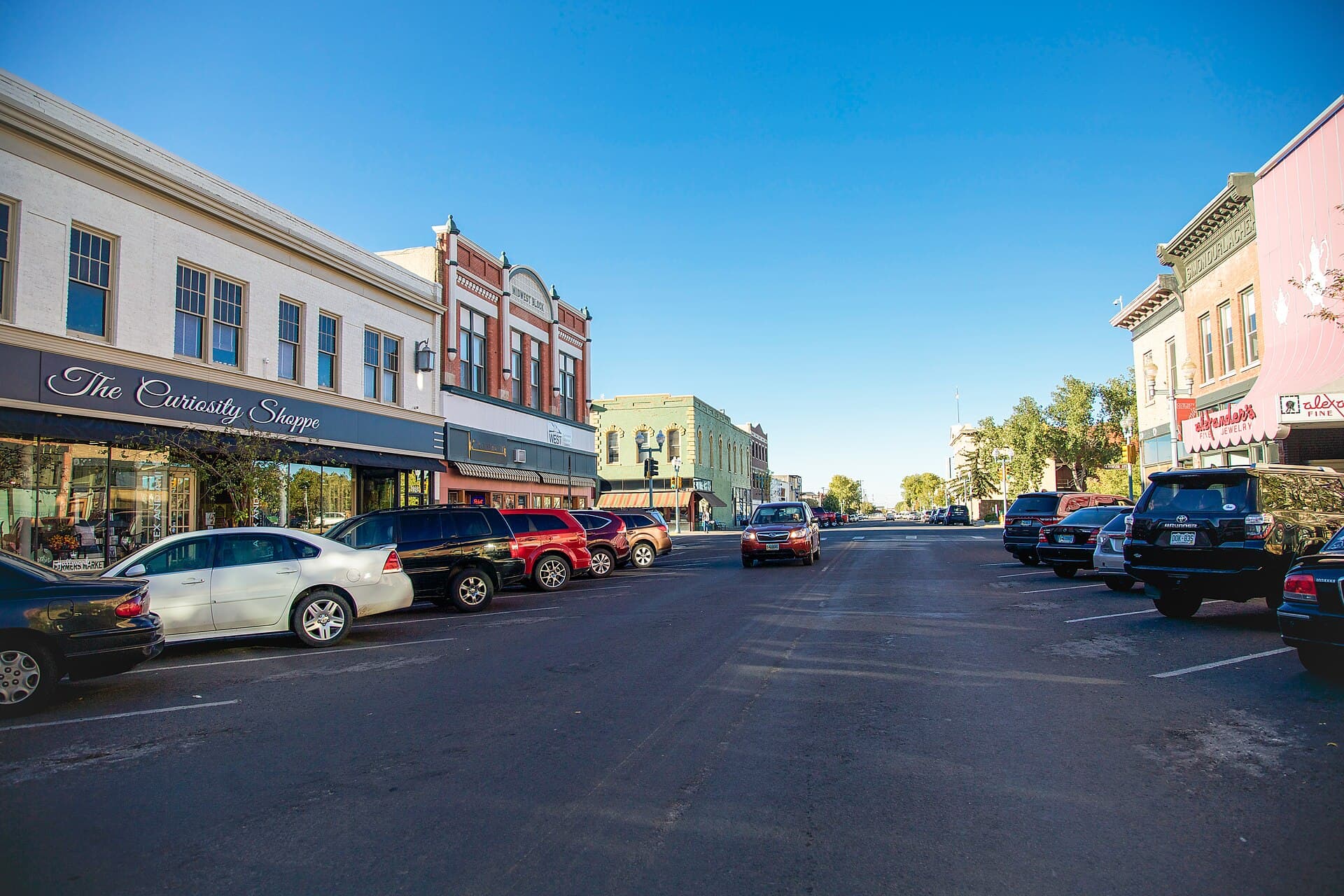
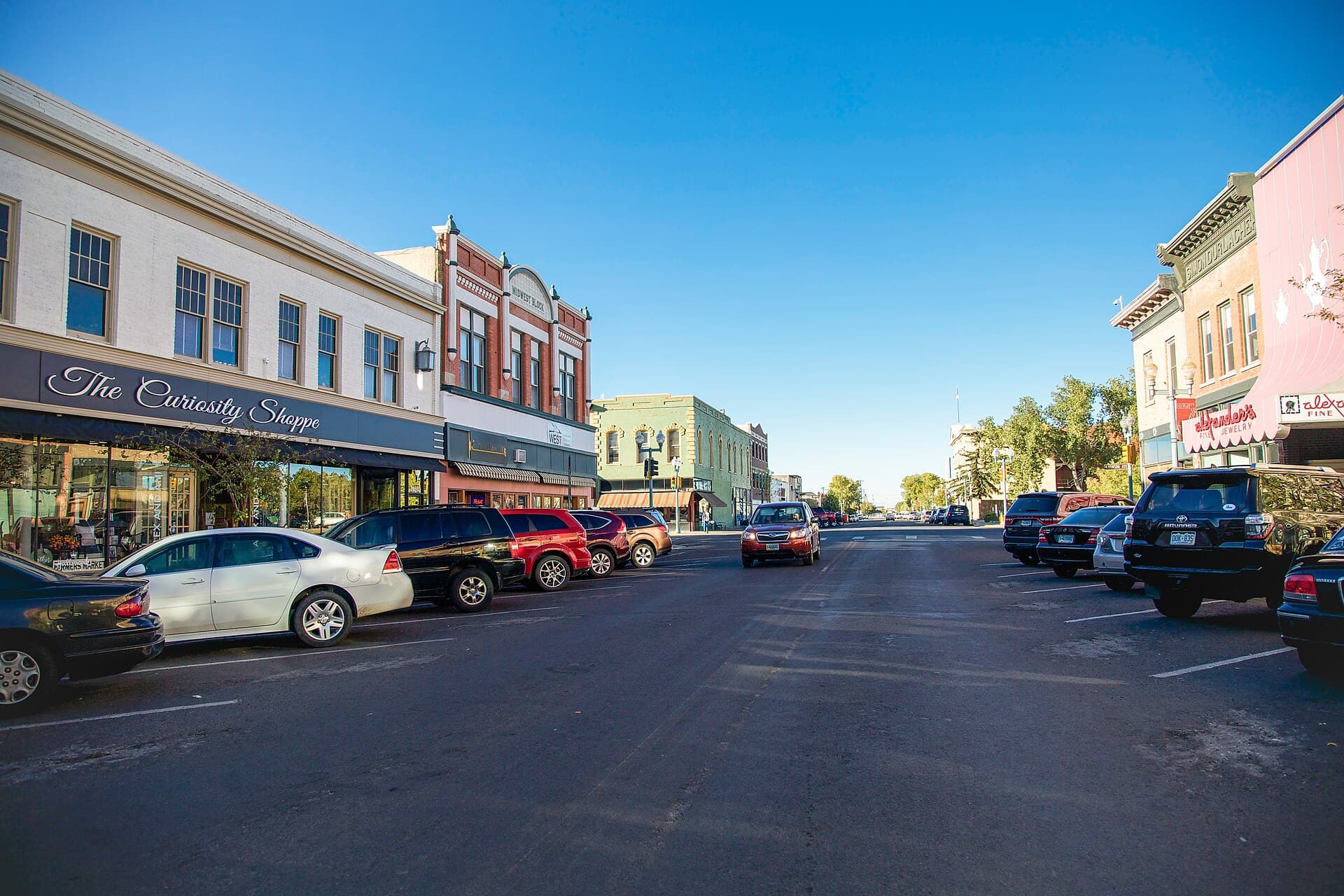 Catlin Mary Ann Miller / CC BY-SA 4.0, via Wikimedia Commons
Самостоятельная аудиопрогулка по Ларами — GPS-маршрут, офлайн-воспроизведение, увлекательное повествование на 32 языках.
“Где высокие равнины встречаются с пионерским духом, и Дикий Запад все еще отзывается эхом.”
Не открытки. Истории, которые не знают даже местные жители — шепотом в вашем ухе, прямо там, где они произошли.
Старый школьный бассейн в Laramie Plains Civic Center имеет репутацию места с привидениями.
Многие исторические здания в центре Ларами имеют тонкую архитектурную деталь, которая когда-то указывала на определенный вид деятельности.
Под улицами центра Ларами сеть туннелей когда-то соединяла множество зданий.
Откройте для себя каждый секрет Ларами
Каждый адрес, каждое полное раскрытие — в вашем ухе, прямо там, где это произошло.
Вы выбираете остановки. Вы гуляете. Голос раскрывает то, что упускают другие.
Ваш самостоятельный аудиотур по Ларами готов — выберите свои достопримечательности, выберите свой язык и начните в момент прибытия.
КупитьВ Lume встроен гид дополненной реальности. Поднимите телефон: камера показывает улицу перед вами, а поверх реального изображения светится стрелка, всегда указывающая на вашу следующую остановку — не нужно разбираться с картой и сворачивать не туда. Как и всё в Lume, это работает полностью офлайн.
Ларами, Вайоминг, город на высоте 7220 футов, сочетает в себе суровые приключения и оживленный культурный ландшафт. Это место, где дух американского Запада остается ощутимым, предлагая уникальное сочетание активного отдыха, исторических мест и процветающего сообщества художников. Будучи единственным университетским городом Вайоминга, Ларами обладает молодой энергией, которая дополняет его пограничное происхождение.
Расположенный на высоких равнинах юго-восточного Вайоминга, Ларами окружен разнообразными ландшафтами, включая Национальный лес Медисин-Боу, горы Сноуи-Рейндж и зону отдыха Ведаву. Эта местность предоставляет природное пространство для любителей активного отдыха, с возможностями для пеших прогулок, скалолазания, катания на лыжах и наблюдения за дикой природой. Сам город предлагает исторический центр с пешеходными улицами, украшенный фресками и местными предприятиями, приглашая посетителей исследовать его прошлое и настоящее.
История Ларами начинается в 1868 году, когда с прибытием железной дороги Юнион-Пасифик он превратился в «палаточный городок». Это стратегическое положение вдоль первой трансконтинентальной железной дороги быстро превратило его в оживленный центр, привлекающий тысячи рабочих, а также игроков, проституток и преступников. Этот бурный период принес Ларами репутацию города «Ада на колесах», отмеченного беззаконием, драками в салунах и перестрелками.
Свое название город получил в честь Жака Ла Раме, французского или франко-канадского охотника за мехами, который пропал без вести в близлежащих горах Ларами в начале 1820-х годов. К осени того же года основания в Ларами была открыта государственная школа, три церкви и национальный банк, что свидетельствовало о движении к более постоянному поселению.
Ларами сыграл центральную роль в том, что Вайоминг получил прозвище «штат равенства». В 1869 году первый законодательный орган Вайоминга принял закон, предоставляющий женщинам равные политические права на территории. Это прогрессивное законодательство привело к знаменательным событиям в Ларами. В марте 1870 года пять жительниц Ларами стали первыми женщинами в мире, вошедшими в состав присяжных. Всего через несколько месяцев, 6 сентября 1870 года, жительница Ларами Луиза Суэйн, 80-летняя пионерка, стала первой женщиной в Соединенных Штатах, законно проголосовавшей на всеобщих выборах.
К тому времени, когда Вайоминг стал 44-м штатом в 1890 году, жилые районы Ларами развивались, сочетая простые дома и elaborate викторианские особняки, многие из которых теперь внесены в Национальный реестр исторических мест. Основание Университета Вайоминга (UW) в 1886 году, единственного четырехлетнего высшего учебного заведения штата, еще больше сформировало идентичность Ларами. Университет открыл свои двери для 40 студентов в 1887 году, ознаменовав новую главу для города. Сегодня Ларами продолжает оставаться оживленным университетским городом, сочетающим свое западное наследие с яркой сценой искусства и культуры.
Начните свое исследование с исторического центра Ларами, внесенного в Национальный реестр исторических мест. Совершите самостоятельную пешеходную экскурсию, начав с железнодорожного вокзала Ларами, который рассказывает об истории железной дороги в этом районе и имеет отреставрированный потолок в стиле ремесленника. Посмотрите на проект фресок Ларами (Laramie Mural Project) — коллекцию масштабных фресок местных художников, которые превращают исторические здания в галерею искусства под открытым небом.
Погрузитесь в прошлое в Государственном историческом месте «Тюрьма Территории Вайоминг» (Wyoming Territorial Prison State Historic Site) — тюрьме 1872 года, где когда-то содержались такие преступники, как Батч Кэссиди. В кампусе Университета Вайоминга посетите Художественный музей Университета Вайоминга (University of Wyoming Art Museum) и Геологический музей (Geological Museum), где хранятся кости динозавров и статуя Т. Рекса. Чтобы заглянуть в пионерское прошлое Ларами, посетите Музей равнин Ларами (Laramie Plains Museum), расположенный в викторианском особняке, внесенном в Национальный реестр, где представлена обширная коллекция антиквариата того периода.
За пределами города окружающая природа предлагает множество возможностей для отдыха. Исследуйте зону отдыха Ведаву (Vedauwoo Recreation Area), известную во всем мире своими уникальными скалолазными маршрутами и тропами, такими как Turtle Rock Loop. Прокатитесь по живописному шоссе Snowy Range Scenic Byway (сезонное закрытие), которое проведет вас мимо ледниковых озер и через второй по высоте горный перевал Вайоминга. Тропа Laramie River Greenbelt Trail предлагает почти шесть миль живописных маршрутов для пеших и велосипедных прогулок с возможностями для наблюдения за дикой природой.
Самое приятное время для посещения Ларами для занятий в теплую погоду — с конца июня до конца августа. Лето предлагает приятные температуры, с дневными максимумами около 80°F (27°C) и прохладными вечерами в 40°F (4°C). Этот период обеспечивает комфортную погоду для активного отдыха, с низкой влажностью и в целом ясным небом. Осень приносит более прохладные температуры и яркую листву, что делает сентябрь хорошим временем для активного отдыха и посещения футбольных матчей Университета Вайоминга. Зимы холодные и снежные, со средними температурами от 9°F до 31°F (-13°C до -0.5°C). Несмотря на холод, в Ларами зимой много солнечных дней, что дает возможность для катания на лыжах, сноуборде и снегоходах в близлежащих горах.
Ларами находится на высоте 7220 футов (2200 метров) над уровнем моря, поэтому посетителям, особенно тем, кто прибывает с более низких высот, следует пить много воды и постепенно привыкать к нагрузкам по прибытии. Погода может быть переменчивой, поэтому всегда рекомендуется брать с собой многослойную одежду, независимо от сезона. Даже летом рекомендуется легкая куртка для вечеров. Также рекомендуется солнцезащитный крем из-за интенсивного солнца на большой высоте.
Хотя собственный автомобиль полезен для исследования районов за пределами Ларами, сам город проходим, и многие жители предпочитают передвигаться на велосипеде. Университет Вайоминга Transit & Parking Services предлагает варианты шаттлов вокруг кампуса и города, а SafeRide предоставляет бесплатный общественный транспорт по вызову. Аэропорт Ларами Риджинал (Laramie Regional Airport) предлагает прямые рейсы, или вы можете прилететь в Международный аэропорт Денвера (DIA) и проехать примерно 2,5–3 часа на север.
Ларами: корейский, китайский, иврит и ещё 29 языков — каждую остановку озвучивает носитель языка. Самый широкий выбор языков среди аудиоэкскурсий без гида.
Доступные языки: