Трасса Сартэ
Культовый «Старт Ле-Мана» когда-то включал хаотичную гонку через трассу к ожидающим машинам.
Полная история открывается в туре
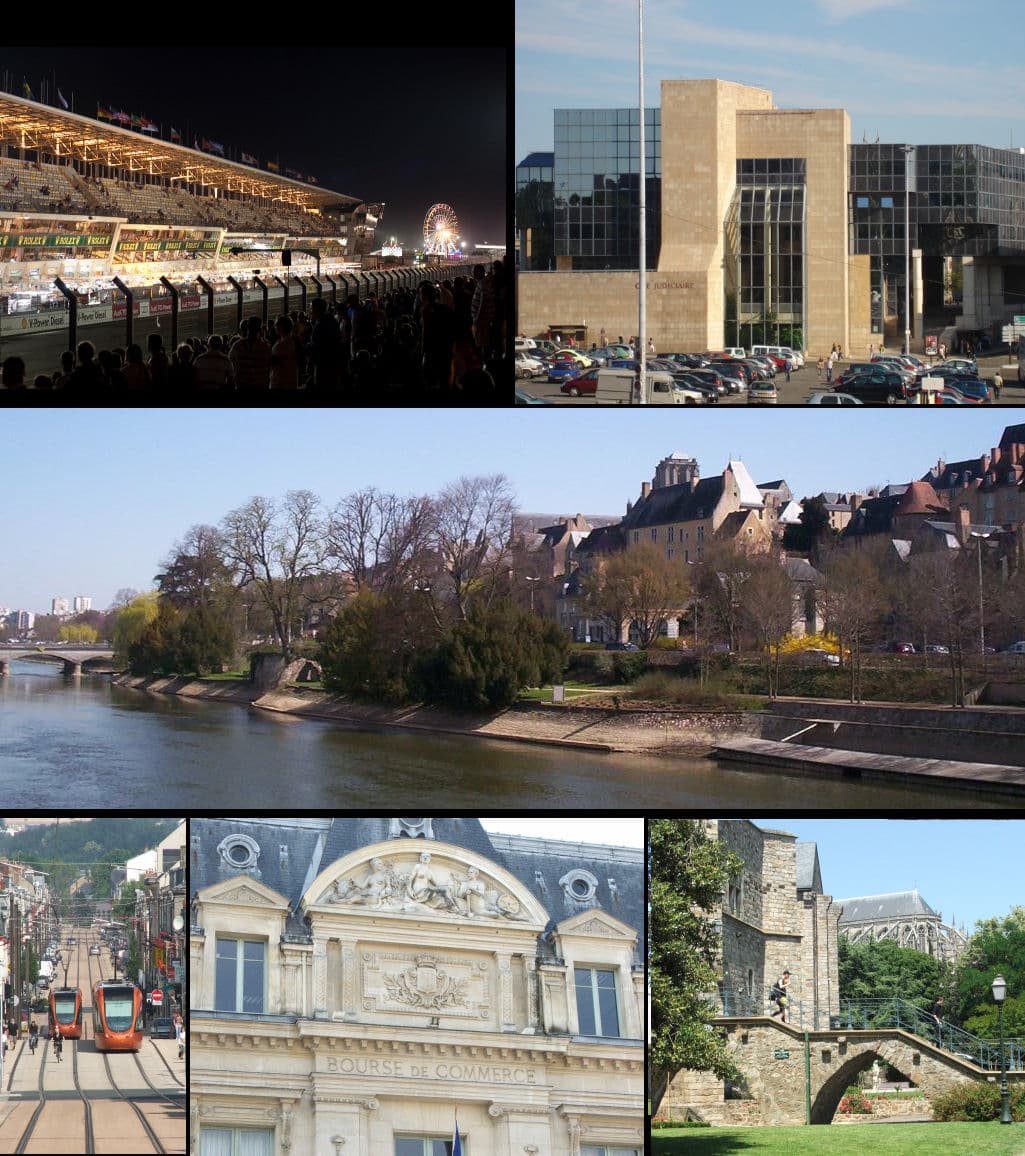 Le Mans / CC BY 3.0, via Wikimedia Commons
Самостоятельная аудиопрогулка по Ле-Ман — GPS-маршрут, офлайн-воспроизведение, увлекательное повествование на 32 языках.
“За ревом моторов в Ле-Мане бьется средневековое сердце.”
Не открытки. Истории, которые не знают даже местные жители — шепотом в вашем ухе, прямо там, где они произошли.
Культовый «Старт Ле-Мана» когда-то включал хаотичную гонку через трассу к ожидающим машинам.
До христианского поклонения это священное место занимал гораздо более древний, таинственный монумент.
Один из победителей якобы участвовал и выиграл гонку в состоянии алкогольного опьянения и со сломанным носом.
Откройте для себя каждый секрет Ле-Ман
Каждый адрес, каждое полное раскрытие — в вашем ухе, прямо там, где это произошло.
Вы выбираете остановки. Вы гуляете. Голос раскрывает то, что упускают другие.
Ваш самостоятельный аудиотур по Ле-Ман готов — выберите свои достопримечательности, выберите свой язык и начните в момент прибытия.
КупитьВ Lume встроен гид дополненной реальности. Поднимите телефон: камера показывает улицу перед вами, а поверх реального изображения светится стрелка, всегда указывающая на вашу следующую остановку — не нужно разбираться с картой и сворачивать не туда. Как и всё в Lume, это работает полностью офлайн.
Ле-Ман, город в регионе Франции Земли Луары, всемирно известен своей легендарной гонкой на выносливость «24 часа Ле-Мана». Однако, помимо острых ощущений на высоких скоростях, город раскрывает захватывающее сочетание истории, искусства и природной красоты. Его прекрасно сохранившийся средневековый центр, известный как Сите Плантаженэ (Cité Plantagenêt), предлагает путешествие во времени с его узкими улочками, фахверковыми домами и впечатляющими галло-римскими стенами.
Расположенный вдоль реки Сарта, Ле-Ман служит стратегическим перекрестком между долиной Луары, Нормандией и Бретанью. Это идеальное место для семей, любителей истории и искусства, предлагающее разнообразные мероприятия: от изучения исторических памятников и музеев до наслаждения креативным уличным искусством и спокойными парками. Уникальное очарование города заключается в его способности сбалансировать свое непреходящее городское наследие с окружающей сельской местностью, что делает его гостеприимным и аутентичным французским опытом.
Ле-Ман, первоначально известный как Виндинум (Vindinium), был столицей аулерков (Aulerci), подплемени эдуев, и был захвачен римлянами в 47 г. до н.э. Город также называли Civitas Cenomanorum. Видимые остатки его римского прошлого включают амфитеатр III века, а древние галло-римские городские стены являются одними из наиболее полных сохранившихся до наших дней. Эти стены, некоторые части которых украшены фризами высотой более 8 метров, защищали средневековый центр в течение 17 веков, выдерживая вторжения варваров и викингов.
В XI веке Ле-Ман стал центром борьбы между графами Анжуйскими и герцогами Нормандскими. Именно здесь Жоффруа V Плантагенет женился на Матильде Английской в 1128 году, а их сын, Генрих II Плантагенет, ставший королем Англии, родился в городе в 1133 году. Жоффруа был похоронен в соборе Ле-Мана в 1151 году. Город перешел под контроль французской короны в XIII веке, но позже был захвачен Англией во время Столетней войны.
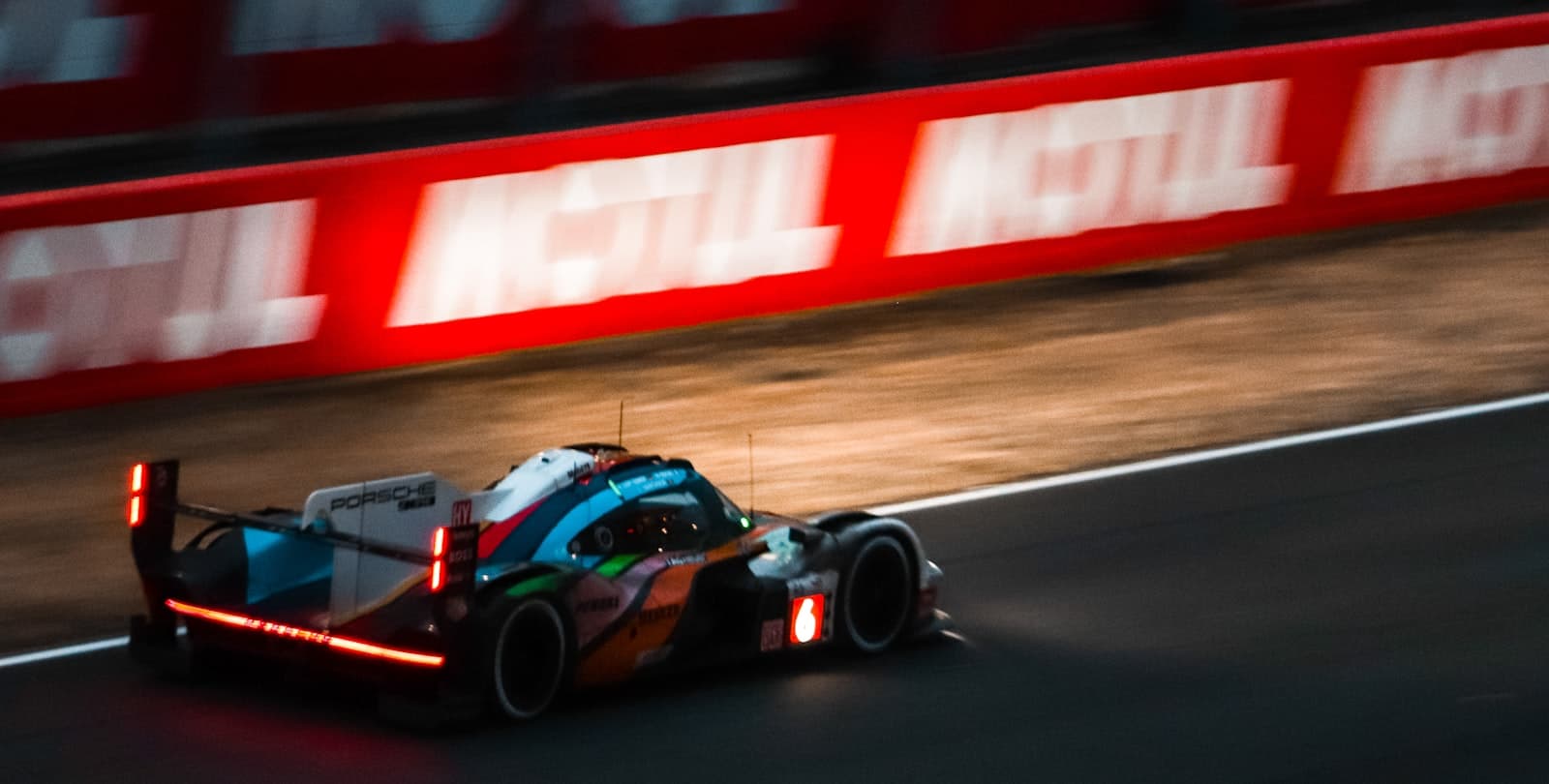
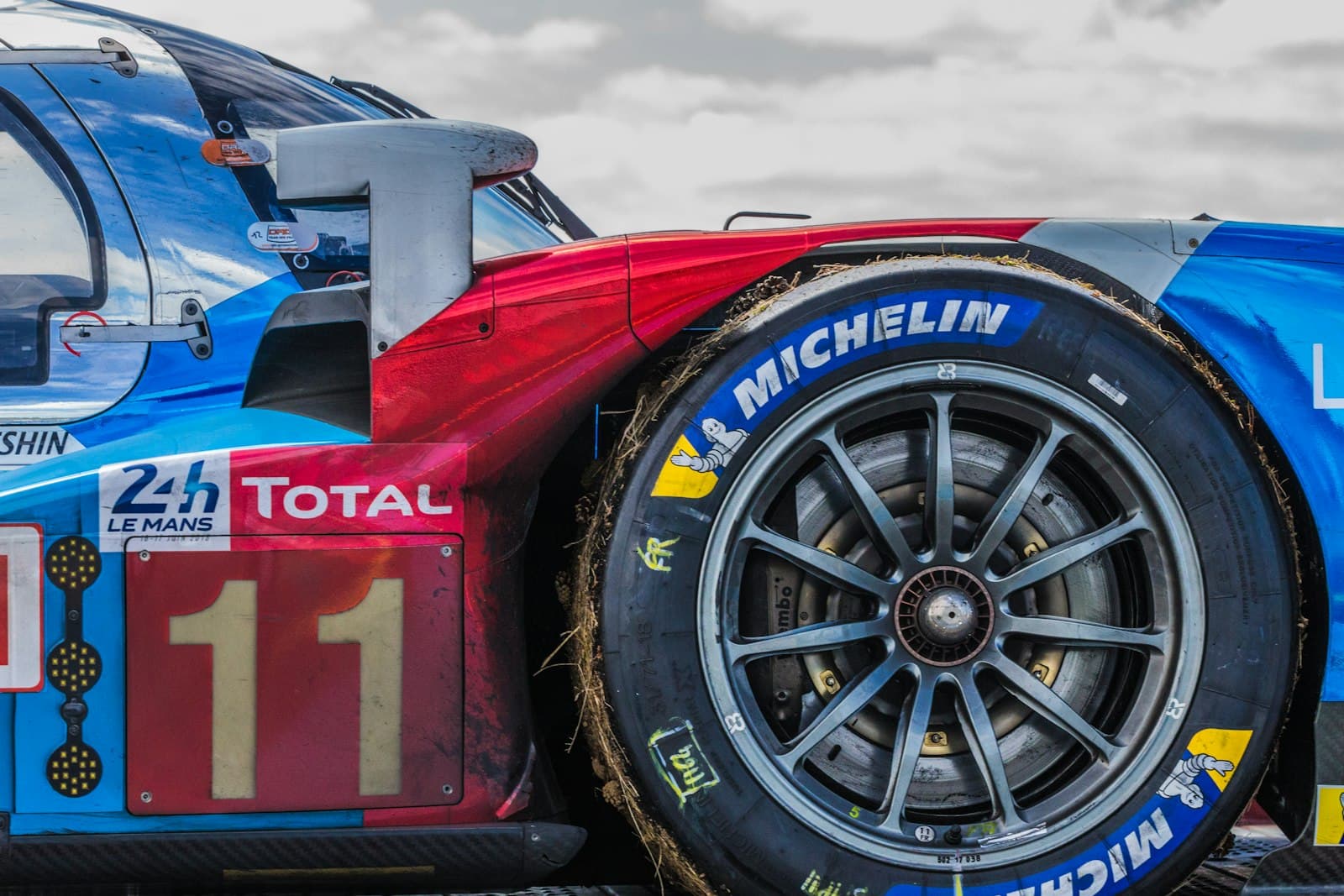
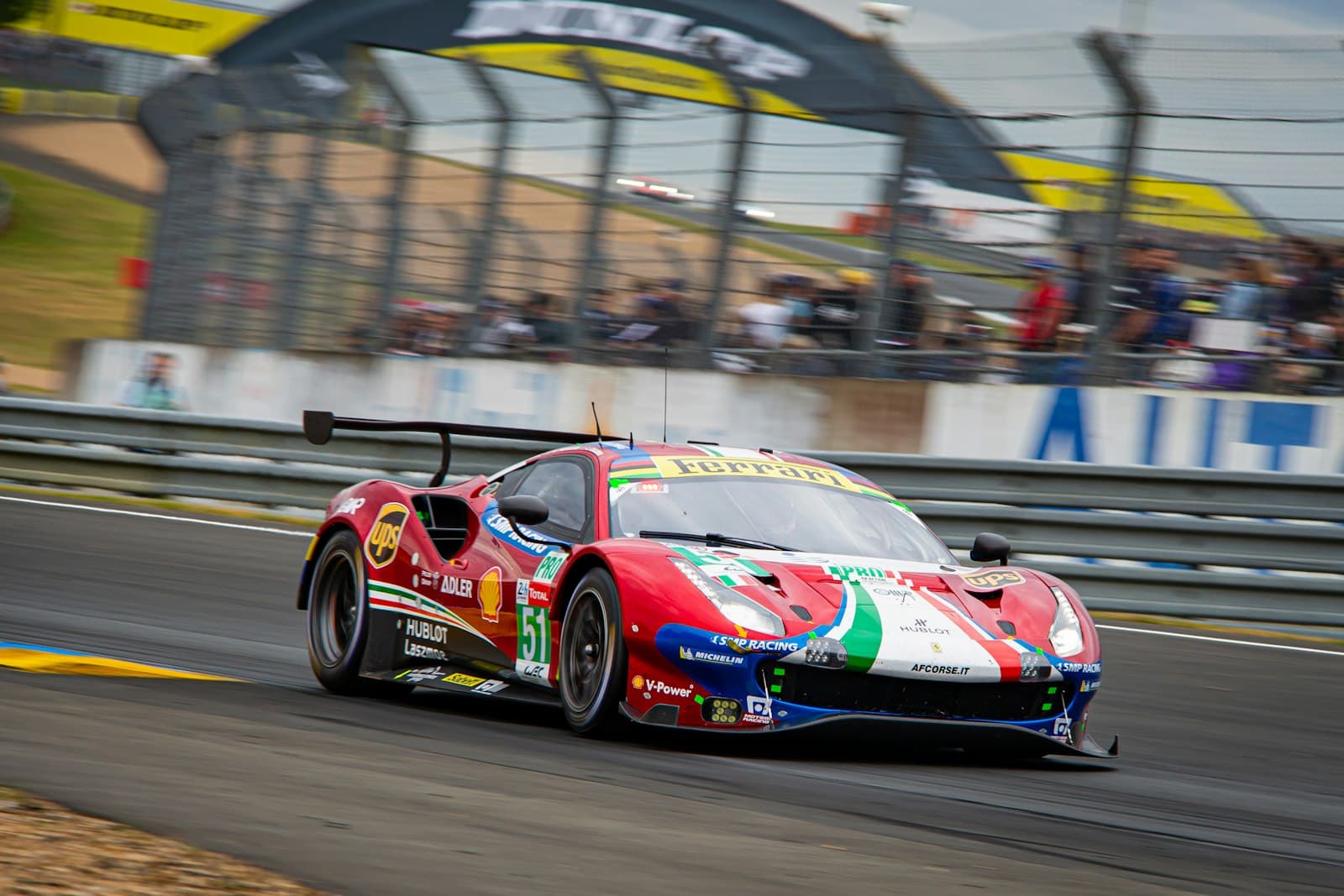
Современная эпоха Ле-Мана во многом определяется гонкой на выносливость «24 часа Ле-Мана», которая впервые прошла в 1923 году. Гонка, изначально задуманная как испытание долговечности и производительности автомобилей, быстро получила международное признание. Трасса Сартэ (Circuit de la Sarthe), сочетающая общественные дороги и специально отведенные участки трассы, стала ареной бесчисленных автомобильных инноваций и легендарных моментов. Гонка прерывалась во время Второй мировой войны и после нее, с 1940 по 1948 год, но возобновилась с новым интересом в 1949 году.
Начните свое исследование с Сите Плантаженэ (Cité Plantagenêt), исторического сердца Ле-Мана. Этот средневековый квартал предлагает узкие улочки и более сотни фахверковых домов, а также особняки эпохи Возрождения. Впечатляющие галло-римские стены, одни из наиболее хорошо сохранившихся в Европе, окружают эту область.
Собор Святого Жюльена (Cathédrale Saint-Julien) является великолепным сочетанием романской и высокой готической архитектуры. Внутри вы можете полюбоваться одним из старейших витражей Франции, датируемым XI веком, и монументальными фресками XIV века с изображением ангелов в своде хора. Прямо за собором доисторический менгир добавляет древней мистики этому месту.
Для любителей автоспорта Музей «24 часа Ле-Мана» (Musée des 24 Heures du Mans) является ключевым местом. Расположенный недалеко от знаменитой трассы Сартэ, этот музей демонстрирует выдающуюся коллекцию гоночных автомобилей и транспортных средств, документируя век автомобильной страсти и историю легендарной гонки.
Помимо исторического центра, посетите Королевское аббатство Эпо (Royal Abbey of Épau), прекрасно отреставрированное цистерцианское аббатство XIII века, основанное королевой Беренгарией Наваррской. Для прикосновения к природе, Арш де ла Натюр (Arche de la Nature) предлагает 500 гектаров троп для пеших прогулок, езды на велосипеде или верховой езды, а также включает объекты экологического образования.
Лучшее время для посещения Ле-Мана для приятной погоды и активного отдыха — с мая по сентябрь. В эти месяцы погода обычно мягкая и приятная, идеально подходит для прогулок по историческим улицам города. Июнь особенно оживлен благодаря гонке «24 часа Ле-Мана», которая привлекает значительную толпу и создает праздничную атмосферу. В июле и августе проходят световые проекции «Ночь химер» (La Nuit des Chimères) на исторических памятниках. Хотя лето — это высокий сезон, и туристов больше, Ле-Ман обычно не переполнен. Поздняя весна или ранняя осень могут предложить хороший баланс приятной погоды и меньшего количества туристов, возможно, с более доступным жильем.
Ле-Ман хорошо связан и доступен. Примерно в 2,5 часах езды от Парижа по автомагистрали A11. Прямые поезда из Парижа и даже из Лондона Сент-Панкрас (около 4,5 часов) делают поезд удобным вариантом.
В Ле-Мане сеть общественного транспорта Setram включает две трамвайные линии (T1 и T2) и многочисленные автобусные маршруты, соединяющие центр города с окрестными населенными пунктами и трассой Сартэ. Трамваи ходят часто, особенно в часы пик и во время гоночной недели. Также доступна услуга аренды велосипедов.
В плане питания Ле-Ман предлагает разнообразные варианты: от традиционной французской кухни до более современных бистро. Обязательно попробуйте местные деликатесы, такие как рильетт дю Ман (rillettes du Mans) — медленно приготовленная свиная паста, и пуле дю Ман (poulet du Mans) — местная порода кур. В городе также есть оживленные рынки, например, на площади Жет д'О (Place du Jet d'Eau), где можно найти местные продукты и деликатесы.
Ле-Ман: корейский, китайский, иврит и ещё 29 языков — каждую остановку озвучивает носитель языка. Самый широкий выбор языков среди аудиоэкскурсий без гида.
Доступные языки: