Capo Lefkada
Le spettacolari scogliere bianche di Capo Lefkada custodiscono una leggenda molto più toccante di una semplice vista panoramica.
La storia completa si sblocca nel tour
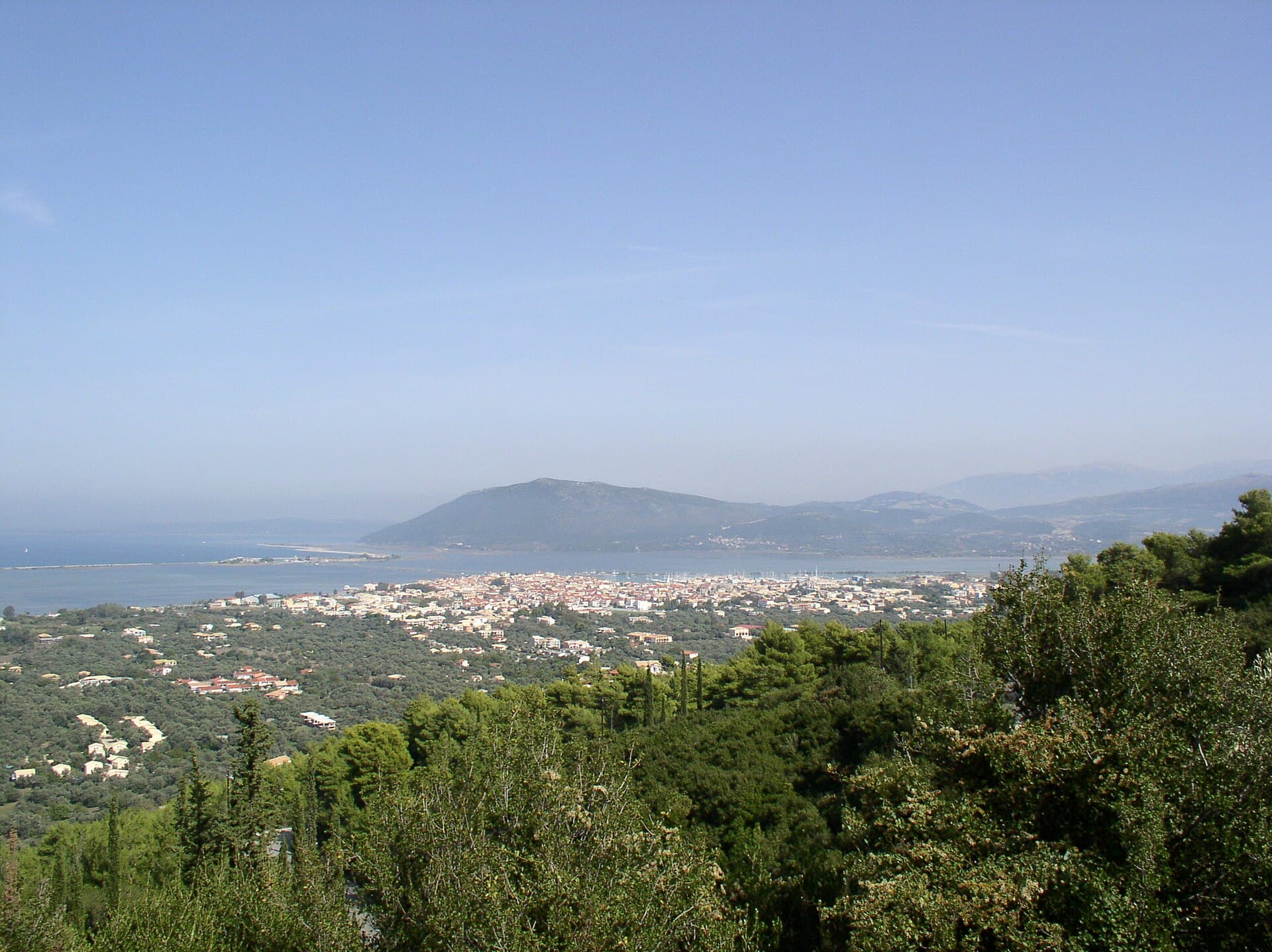 ERWEH / CC BY-SA 2.0 de, via Wikimedia Commons
Tour audio autoguidato di Lefkada — percorso GPS a piedi, riproduzione offline, narrazione coinvolgente in 32 lingue.
“Dove le acque turchesi incontrano un'eredità di mito e ingegno.”
Non le cartoline. Le storie che nemmeno i locali conoscono — sussurrate nel tuo orecchio, proprio dove sono accadute.
Le spettacolari scogliere bianche di Capo Lefkada custodiscono una leggenda molto più toccante di una semplice vista panoramica.
Questo non è il tuo tipico ponte isolano. È una meraviglia ingegneristica con una performance quotidiana.
Oltre le spiagge, un'industria dimenticata ha plasmato il passato di Lefkada e l'ha collegata a una potente repubblica marittima.
Scopri ogni segreto di Lefkada
Ogni indirizzo, ogni rivelazione completa — nel tuo orecchio, proprio dove è accaduta.
Scegli le tue tappe. Cammini. La voce rivela ciò che gli altri perdono.


Il tuo tour audio autoguidato di Lefkada è pronto — scegli i tuoi punti di interesse, seleziona la tua lingua e inizia nel momento in cui arrivi.
AcquistaLume include una guida in realtà aumentata. Alza il telefono: la fotocamera mostra la strada davanti a te, con una freccia luminosa sovrapposta all'immagine reale che punta sempre verso la tua prossima tappa — nessuna mappa da decifrare, nessuna svolta sbagliata. Come tutto in Lume, funziona completamente offline.
Lefkada, un'isola ionica sulla costa occidentale della Grecia, offre un mix unico di accessibilità e autentico carattere isolano. A differenza della maggior parte delle isole greche che richiedono un traghetto, Lefkada è collegata alla terraferma da una strada rialzata e da un distintivo ponte mobile, che la rendono una destinazione ambita per i viaggiatori su strada e per coloro che cercano facilità di viaggio. Nota per le sue sorprendenti scogliere bianche e le brillanti acque turchesi, il nome stesso dell'isola si ritiene derivi dalla parola greca "leukos", che significa bianco, un cenno ai paesaggi drammatici che si trovano a Capo Lefkada.
Oltre alle sue coste celebrate, Lefkada presenta un paesaggio diversificato di terreno montuoso, vegetazione abbondante e villaggi pittoreschi. La posizione strategica dell'isola ha tessuto un ricco tessuto di storia e cultura, influenzato da varie civiltà dall'antica Grecia e Roma ai Bizantini, Ottomani e Veneziani. Questo connubio di splendore naturale e profondità storica assicura che Lefkada sia più di una semplice destinazione per sole e mare; è un luogo che invita all'esplorazione più approfondita.
## Da Penisola a Isola: Una Trasformazione Antica Per migliaia di anni, Lefkada non fu un'isola ma una penisola, collegata alla terraferma dell'Acarnania da un basso e roccioso istmo. Questo ambiente umido attirò i primi cacciatori-raccoglitori, con strumenti dell'età della pietra trovati sull'isola. Intorno al VII secolo a.C., i Corinzi colonizzarono Lefkada, allora conosciuta come Leucas. Iniziarono la costruzione di un canale, approfondendo un canale preesistente per separare Lefkada dalla terraferma, trasformandola di fatto in un'isola per scopi marittimi strategici.
## Un Crocevia di Imperi La posizione strategica di Lefkada la rese un territorio ambito nel corso della storia, portando a una successione di dominatori. Svolse un ruolo nelle Guerre Persiane, contribuendo con navi alla Battaglia di Salamina e uomini alla Battaglia di Platea. L'isola si alleò successivamente con Atene contro i Macedoni prima di cadere sotto il dominio romano nel 198 a.C. I Romani intrapresero progetti significativi, tra cui un ponte di pietra lungo 750 metri che collegava la città alla terraferma - detto il ponte di pietra più lungo dell'antica Grecia - e un teatro da 3.000 posti.
Dopo la divisione dell'Impero Romano, Lefkada entrò a far parte dell'Impero Bizantino, affrontando frequenti attacchi di pirati che richiesero fortificazioni. Nel 1204, dopo la Quarta Crociata, passò sotto il Despotato d'Epiro. Giovanni Orsini, che ricevette Lefkada in dote nel 1294, iniziò la costruzione del Castello di Agia Mavra, una struttura che ancora oggi si erge. L'isola vide poi periodi di dominio ottomano e veneziano, con i Veneziani che influenzarono particolarmente la sua amministrazione e promossero l'agricoltura e il commercio. La caduta di Venezia portò a brevi occupazioni francesi e russo-turche prima che gli inglesi prendessero il controllo nel 1810, incorporando Lefkada negli Stati Uniti delle Isole Ionie. Infine, nel 1864, Lefkada fu unita al Regno di Grecia.
## Echi Moderni e Dibattiti Omerici Il passato dell'isola continua a risuonare nel suo presente. Il famoso archeologo tedesco Wilhelm Dörpfeld sostenne che Lefkada, e non l'odierna Itaca, fosse in realtà l'Itaca di Omero, la leggendaria patria di Ulisse. Suggerì che la descrizione omerica di Itaca raggiungibile a piedi si riferisse all'unico collegamento di Lefkada con la terraferma. Sebbene questa teoria rimanga oggetto di dibattito, aggiunge un ulteriore livello di intrigo alla già ricca narrativa storica di Lefkada.
Inizia la tua esplorazione a Lefkada Città, la capitale dell'isola, dove le influenze veneziane sono evidenti nella sua architettura. Visita il Museo Archeologico di Lefkada per ammirare reperti che vanno dal Paleolitico all'epoca romana. Appena fuori città, l'imponente Castello di Agia Mavra, una fortezza del XIV secolo, sorveglia l'ingresso dell'isola.
Gli amanti della natura dovrebbero cercare le Cascate di Dimosari vicino a Nidri, un'escursione rinfrescante che culmina in piscine naturali. Il tradizionale villaggio montano di Karya offre uno spaccato della vita rurale, noto per i suoi merletti fatti a mano e un museo del folklore. Per ampie vedute, dirigiti al Monastero di Panagia Faneromeni, un importante sito religioso che domina Lefkada Città. Non perderti le spettacolari scogliere bianche di Capo Lefkada nel punto più meridionale dell'isola, piene di miti antichi. La costa occidentale dell'isola è rinomata per le sue splendide spiagge come Porto Katsiki ed Egremni, sebbene l'accesso a Egremni sia ora principalmente via mare a causa dei danni del terremoto.
Lefkada gode di un clima mediterraneo con estati calde e secche e inverni miti e umidi. Il periodo ideale per visitarla è durante le stagioni intermedie: la tarda primavera (maggio-giugno) o l'inizio dell'autunno (settembre). Durante questi mesi, il tempo è caldo e soleggiato, perfetto per nuotare, con temperature dell'aria che vanno dai 25-30°C e temperature del mare intorno ai 22-23°C. La folla è anche minore rispetto ai mesi di punta estivi di luglio e agosto, e i prezzi degli alloggi sono più favorevoli. Luglio e agosto offrono il clima più caldo e il maggior numero di eventi, ma anche i prezzi più alti e la maggiore folla.
Lefkada è unica tra le isole greche per la sua accessibilità in auto, collegata alla terraferma tramite una strada rialzata e un ponte mobile. Se si guida da Atene, il viaggio dura circa 4,5-5,5 ore. L'aeroporto nazionale di Aktion (PVK) è l'aeroporto più vicino, a circa 25 minuti di auto da Lefkada Città. Mentre Lefkada Città offre una vasta gamma di ristoranti e negozi, molte attività commerciali al di fuori delle città principali sono stagionali e chiudono da novembre ad aprile. Il trasporto pubblico è disponibile, ma il noleggio di un'auto o di uno scooter è altamente raccomandato per esplorare i diversi paesaggi e le spiagge appartate dell'isola. Aspettatevi strade di montagna strette in alcune aree.
Quando si attraversa il ponte mobile per entrare a Lefkada Città, tenete presente che ruota ogni ora per 10-15 minuti per consentire il traffico navale, quindi considerate i potenziali tempi di attesa. Molte spiagge popolari, come Porto Katsiki, possono diventare affollate in alta stagione, quindi considerate di arrivare presto o di accedervi via mare per un'esperienza più serena.
Lefkada — coreano, cinese, ebraico e altre 29 lingue, ogni tappa narrata da una voce madrelingua. La più ampia scelta di lingue tra i tour audio autoguidati.
Disponibile in: