Memorial do Garimpeiro
Lençóis was once the heart of a diamond rush, but the miners, known as *garimpeiros*, faced an industry with a darker side.
Full story unlocks in the tour
 Julius Dadalti / CC BY-SA 4.0, via Wikimedia Commons
Self-guided audio walking tour of Lençóis — GPS route, offline playback, story-driven narration in 32 languages.
“Where emerald lagoons meet shifting sands.”
Not the postcards. The stories even locals don't know — whispered in your ear, right where they happened.
Lençóis was once the heart of a diamond rush, but the miners, known as *garimpeiros*, faced an industry with a darker side.
Beneath the sun-drenched landscapes of Chapada Diamantina lies a subterranean world.
The iconic 'sheets' of Maranhão are not what they seem.
Discover every secret of Lençóis
Every address, every reveal in full — in your ear, right where it happened.
You pick your stops. You walk. The voice reveals what the others miss.


Your self-guided audio tour of Lençóis is ready — pick your landmarks, choose your language, and start the moment you arrive.
BuyLume has a built-in augmented-reality guide. Hold your phone up and its camera shows the street ahead of you, with a glowing arrow laid over the real view that always points to your next stop — no map to puzzle over, no wrong turns. Like everything in Lume, it works fully offline.
Lençóis, a colonial town in Brazil's Bahia state, serves as the primary entrance to the expansive wilderness of Chapada Diamantina National Park. Its stone streets and colorful historic buildings reflect a past shaped by a 19th-century diamond boom. The town's name, meaning 'sheets' in Portuguese, is said to have originated from the early prospectors' tent camps, which resembled white linens spread out to dry on the hillsides.
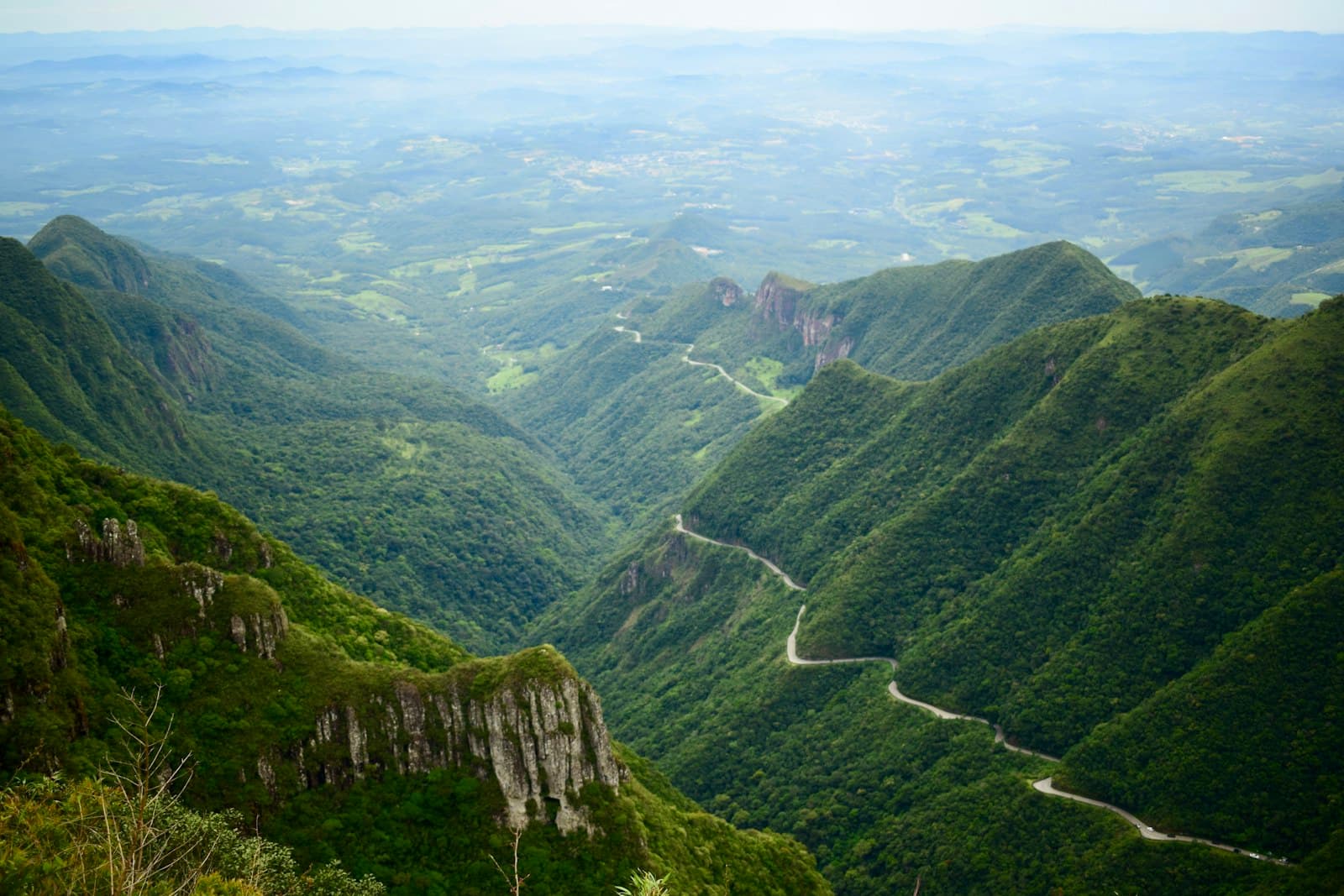
Today, Lençóis offers a relaxed atmosphere, a stark contrast to Brazil's bustling cities. It's a place where the rhythm of life is slower, with small shops, inviting restaurants, and evenings filled with music and conversation in the street bars and alleys. Beyond the town's cultural appeal, the surrounding Chapada Diamantina National Park is a natural paradise, presenting diverse landscapes from rainforests to savannahs, complete with waterfalls, natural pools, and dramatic table mountains.
While Lençóis itself is a destination, it is also a launching point for exploring the wider Chapada Diamantina. The region offers a unique blend of natural beauty and a compelling past, making it an ideal spot for those seeking both adventure and a glimpse into Brazil's history.
## The Diamond Rush and the Birth of a City Lençóis' history is deeply intertwined with the mid-19th century diamond rush that swept through the Chapada Diamantina mountains. The town was founded around 1844, following the discovery of plentiful diamond deposits. The news quickly attracted thousands of prospectors, known as garimpeiros, all hoping to find their fortune.
The improvised tent camps of these early settlers, scattered across the rocky slopes, looked like white sheets drying in the sun, giving the city its name, Lençóis. By 1856, the rapidly growing settlement gained administrative autonomy, and by 1864, it officially became a city, rising to become the third most important settlement in the state of Bahia during that era.
## European Influence and Economic Prosperity The exceptional quality and quantity of the diamonds mined fueled an economic boom, attracting foreign capital and goods. This prosperity allowed for the creation of a sophisticated European-influenced society in the heart of the Brazilian interior. Lençóis became known as the 'Capital of Diamonds,' with a local elite that embraced French fashion and culture. A French vice-consulate was even established in the city to facilitate the trade of gemstones with Europe. Shops in Lençóis sold Parisian perfumes, fine textiles, and imported goods, while wealthy homes were adorned with imported furniture and pianos.
## Decline and Reinvention The urban planning of Lençóis during this diamond cycle was unique, with streets winding along the Lençóis River and climbing steep slopes, organically fitting into the mountainous terrain. The city's colonial mansions and cobbled streets, paved with large rough stones known as 'pé-de-moleque,' still preserve the architectural legacy of this prosperous era. However, by the late 19th century, the diamond boom began to wane, leading to a period of economic stagnation.
Lençóis eventually reinvented itself, transitioning from a mining hub to a prominent tourist destination. In 1973, its architectural ensemble was recognized as a National Historic and Artistic Heritage site (IPHAN), protecting its ancient buildings. The creation of the Chapada Diamantina National Park in 1985 further cemented its new identity as an entrance for ecological tourism, a transition solidified by the official ban on mechanized diamond mining in 1996.
Lençóis itself is a captivating town to explore on foot, with its colonial architecture and stone streets. The Memorial do Garimpeiro offers a deep dive into the region's diamond mining history. For natural attractions, a trail from the bridge in Lençóis leads to the Serrano swimming hole and Primavera Falls along the Lençóis River. An hour's walk south of town brings you to the Ribeirão de Meio rock slide, a natural waterslide surrounded by swimming holes.
Further afield in Chapada Diamantina National Park, highlights include the Cachoeira da Fumaça (Waterfall of Smoke), one of Brazil's tallest waterfalls, where water often turns to mist before reaching the ground. The park also features striking mesa-like mountains such as Morro do Pai Inácio, Morro do Camelo, and Monte Tabor, all offering trails to expansive viewpoints. The region is also home to fascinating caves, including Gruta de Lapão, a sandstone-and-quartzite cave over a kilometer long, and Gruta da Lapa Doce, known for its rock formations. Nearby, Gruta da Pratinha features an underground river emerging into a pool for swimming, and the Gruta Azul is famous for its cobalt blue waters when the sun shines in.
The best time to visit Lençóis and the Chapada Diamantina National Park is generally during the dry season, from May to September. This period offers sunny days and cooler nights, with temperatures ranging between 15°C and 25°C. It's also when the waterfalls and rivers are full, providing lush landscapes. While it's considered high season, the vastness of the park allows for opportunities to avoid crowds, especially with a local guide. The rainy season, from October to April, brings more intense rains and higher temperatures, but still offers attractive landscapes.
Lençóis is easily accessible by bus from Salvador, with the journey taking approximately 6-7 hours. For exploring the Chapada Diamantina National Park, it's advisable to book tours upon arrival in Lençóis. Numerous local tour agencies operate in town, and the Associação dos Guias de Lençóis (ACVL) offers tours with local guides, many of whom are descendants of garimpeiros. While some guides speak English, it's always good to inquire about language availability.
Accommodation options in Lençóis range from boutique hotels to quaint bed & breakfasts, and it's recommended to book lodging in advance. Most lodging includes breakfast, as many restaurants are not open for breakfast or lunch, with visitors typically out on tours during the day. For dining, Lençóis offers a variety of restaurants, particularly for dinner. The town also has souvenir shops selling local crafts and jewelry made from semiprecious stones.
Lençóis in Korean, in Chinese or in Hebrew — and 29 more languages, every stop narrated by a native voice. The widest language range of any self-guided audio tour.
Available in: