Sistema de Drenagem do Buda Gigante de Leshan
O maior Buda de pedra do mundo contém uma rede precisa que o manteve intacto por mais de um milênio.
História completa desbloqueada no tour
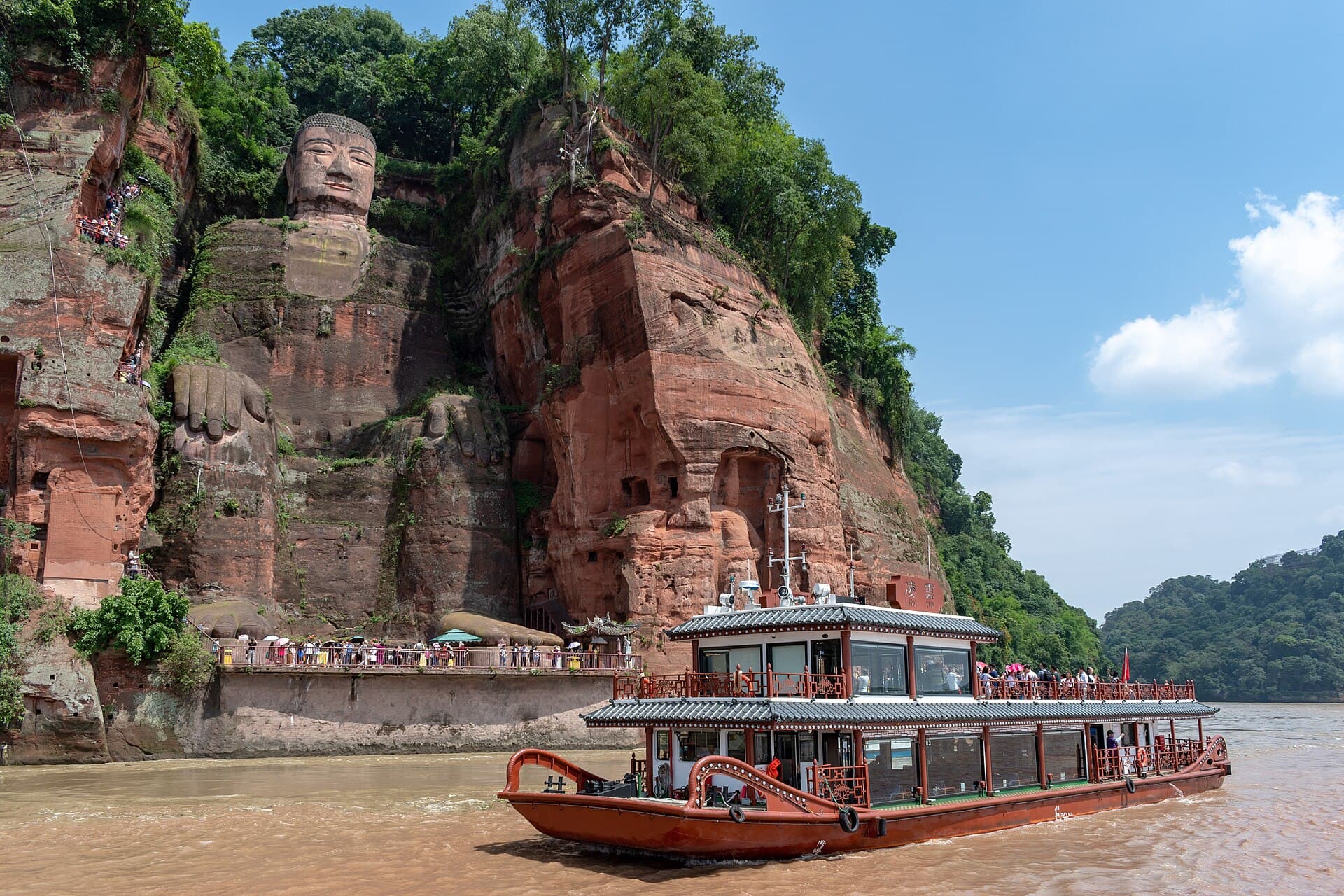 xiquinhosilva / CC BY 2.0, via Wikimedia Commons
Tour de áudio autoguiado por Leshan — rota GPS a pé, reprodução offline, narração envolvente em 32 idiomas.
“Onde a pedra colossal encontra rios tranquilos e sabores picantes.”
Não os postais. As histórias que nem os locais conhecem — sussurradas ao seu ouvido, exatamente onde aconteceram.
O maior Buda de pedra do mundo contém uma rede precisa que o manteve intacto por mais de um milênio.
Lendas locais relatam o Buda chorando em tempos de tristeza nacional.
O nome do prato de carne de Leshan se traduz literalmente como 'carne de levantar o pé'.
Descubra cada segredo de Leshan
Cada endereço, cada revelação na íntegra — no seu ouvido, exatamente onde aconteceu.
Você escolhe as suas paragens. Você caminha. A voz revela o que os outros perdem.


O seu tour áudio autoguiado de Leshan está pronto — escolha os seus pontos de interesse, selecione o seu idioma e comece no momento em que chegar.
ComprarA Lume inclui um guia de realidade aumentada. Levante o telemóvel: a câmara mostra a rua à sua frente, com uma seta luminosa sobreposta à imagem real que aponta sempre para a sua próxima paragem — sem mapa para decifrar, sem voltas erradas. Como tudo na Lume, funciona totalmente offline.
Leshan, uma cidade na província de Sichuan, China, é um lugar onde a história antiga, a espiritualidade profunda e a cultura local vibrante convergem. Situada na confluência dos rios Min, Dadu e Qingyi, Leshan tem sido um centro significativo por mais de 3.000 anos, reconhecida por sua localização estratégica, abundantes recursos e profunda conexão com as tradições budistas. Embora seu residente mais famoso, o colossal Buda Gigante de Leshan, atraia visitantes de todo o mundo, a cidade oferece mais do que apenas esta maravilha monumental.
O nome da cidade, que significa "Montanha Feliz", reflete seu esplendor natural e importância cultural duradoura. Além do icônico Buda, Leshan convida à exploração de templos serenos, ruas de comida movimentadas e paisagens pitorescas. De suas origens como um centro tribal durante o Reino Shu ao seu papel como um ponto chave na rede da Rota da Seda durante a Dinastia Tang, o passado de Leshan está entrelaçado em seu presente, oferecendo uma jornada cativante através do tempo e da tradição.
As origens de Leshan remontam a cerca de 700 a.C., durante a dinastia Kai Ming do Reino Shu, quando o povo Ba se estabeleceu na confluência estratégica dos rios Dadu, Min e Qingyi. Essa localização a tornou um centro natural de transporte e comércio, promovendo seu crescimento como um centro de agricultura e comércio. Através das dinastias Qin e Han, o estabelecimento do Condado de Nan'an lançou as bases administrativas para a região.
A identidade espiritual da cidade começou a florescer durante a Dinastia Tang (618–907 d.C.), um período de crescimento significativo na importância budista. Monges e estudiosos estabeleceram templos e comunidades monásticas, transformando Leshan em um refúgio espiritual. Foi durante essa era, em 713 d.C., que o projeto mais definidor começou: a escultura do Buda Gigante de Leshan. Iniciada pelo monge Haitong, a colossal estátua foi concebida para acalmar as turbulentas correntes do rio que colocavam em perigo os barqueiros locais. O projeto foi uma tarefa monumental, levando 90 anos para ser concluído, e refletindo o artesanato avançado e o conhecimento de engenharia da época, incluindo um sofisticado sistema de drenagem.
O status de Leshan continuou a evoluir através das dinastias subsequentes. Durante o reinado de Chongning da Dinastia Song do Norte, tornou-se parte da Prefeitura de Jiading. A Dinastia Song do Sul viu Jiazhou ser elevada a prefeitura e renomeada Jiading, marcando o primeiro uso do nome. Pelas dinastias Song e Yuan, Leshan havia crescido para se tornar a terceira maior cidade de Sichuan, depois de Chengdu e Chongqing. Embora seu foco comercial tenha mudado nas dinastias Ming e Qing, Leshan manteve sua estabilidade econômica e serviu como um posto avançado militar durante períodos de conflito. Em 1996, o Buda Gigante de Leshan, juntamente com o Monte Emei, foi reconhecido globalmente com sua inscrição como Patrimônio Cultural e Natural Mundial da UNESCO.
A peça central inegável de Leshan é o Buda Gigante de Leshan. Esta estátua de Maitreya Buda de 71 metros (233 pés) de altura, esculpida diretamente em uma face de penhasco na confluência de três rios, é o maior e mais alto Buda de pedra do mundo. Os visitantes podem vivenciar o Buda de duas maneiras principais: descendo a estreita escada à beira do penhasco para uma visão de perto, da cabeça aos pés, ou fazendo um cruzeiro de barco no rio para uma perspectiva panorâmica. O passeio de barco oferece uma visão de corpo inteiro e geralmente é mais rápido, enquanto a escada proporciona uma experiência mais imersiva, embora potencialmente lotada.
Adjacente ao Buda Gigante, explore o Templo Lingyun, também conhecido como Templo do Grande Buda, situado na Montanha Lingyun. Outro local tranquilo é o Templo Wuyou, localizado em uma pequena ilha, oferecendo um retiro pacífico e refeições vegetarianas durante o almoço. A área cênica também abrange a Pagoda Lingbao e a Capital do Buda Oriental, um parque com inúmeras estátuas de Buda menores. Para aqueles interessados na vida e culinária local, um passeio pela Rua de Comida Zhanggongqiao revela uma variedade de barracas de comida únicas e lojas de artesanato, particularmente animada à noite.
As épocas mais agradáveis para visitar Leshan são durante a primavera (março a maio) e o outono (setembro a novembro). Essas estações oferecem temperaturas amenas, tornando confortável a exploração das atrações ao ar livre. A primavera traz flores desabrochando, enquanto o outono exibe folhagens coloridas. Os verões (junho a setembro) podem ser quentes, opressivos e úmidos, com alta umidade e chuva significativa, especialmente em julho e agosto. Os invernos (dezembro a fevereiro) são frios e úmidos, com janeiro sendo o mês mais frio. Para evitar multidões, mire nas manhãs de dias de semana e evite feriados públicos chineses.
Leshan fica a aproximadamente duas horas de carro de Chengdu, tornando-se um destino popular para viagens de um dia. A maneira mais rápida de chegar a Leshan de Chengdu é de trem de alta velocidade, levando cerca de 45-60 minutos da Estação Leste ou Sul de Chengdu para a Estação Ferroviária de Leshan. Da Estação Ferroviária de Leshan, ônibus locais (como o ônibus nº 3 ou 13) ou táxis podem levá-lo à Área Cênica do Buda Gigante de Leshan em cerca de 20-40 minutos. Não há aeroporto em Leshan; os visitantes geralmente voam para o Aeroporto Internacional de Chengdu Shuangliu (CTU) ou para o Aeroporto Internacional de Chengdu Tianfu (TFU) e, em seguida, transferem para um trem de alta velocidade.
Dentro de Leshan, ônibus públicos oferecem uma maneira acessível de se locomover, com tarifas variando de um a quatro yuans. Táxis também estão prontamente disponíveis, com uma tarifa inicial de cerca de 5 yuans. Para aqueles que visitam o Buda Gigante, considere chegar cedo para minimizar os tempos de espera, especialmente para as escadas à beira do penhasco. Os ingressos para a Área Cênica do Buda Gigante de Leshan geralmente custam entre 80-100 CNY, com passeios de barco com preços separados em cerca de 70-150 CNY. Sempre carregue seu passaporte, pois ele é frequentemente exigido para a compra de ingressos nas principais atrações.
Leshan — coreano, chinês, hebraico e mais 29 idiomas, cada parada narrada por uma voz nativa. A maior variedade de idiomas entre os passeios de áudio autoguiados.
Disponível em: