La Ermita de la Agonía
Deze historische kerk heeft een verrassende connectie met de bijnaam van Liberia uit het verleden.
Volledig verhaal ontgrendeld in de tour
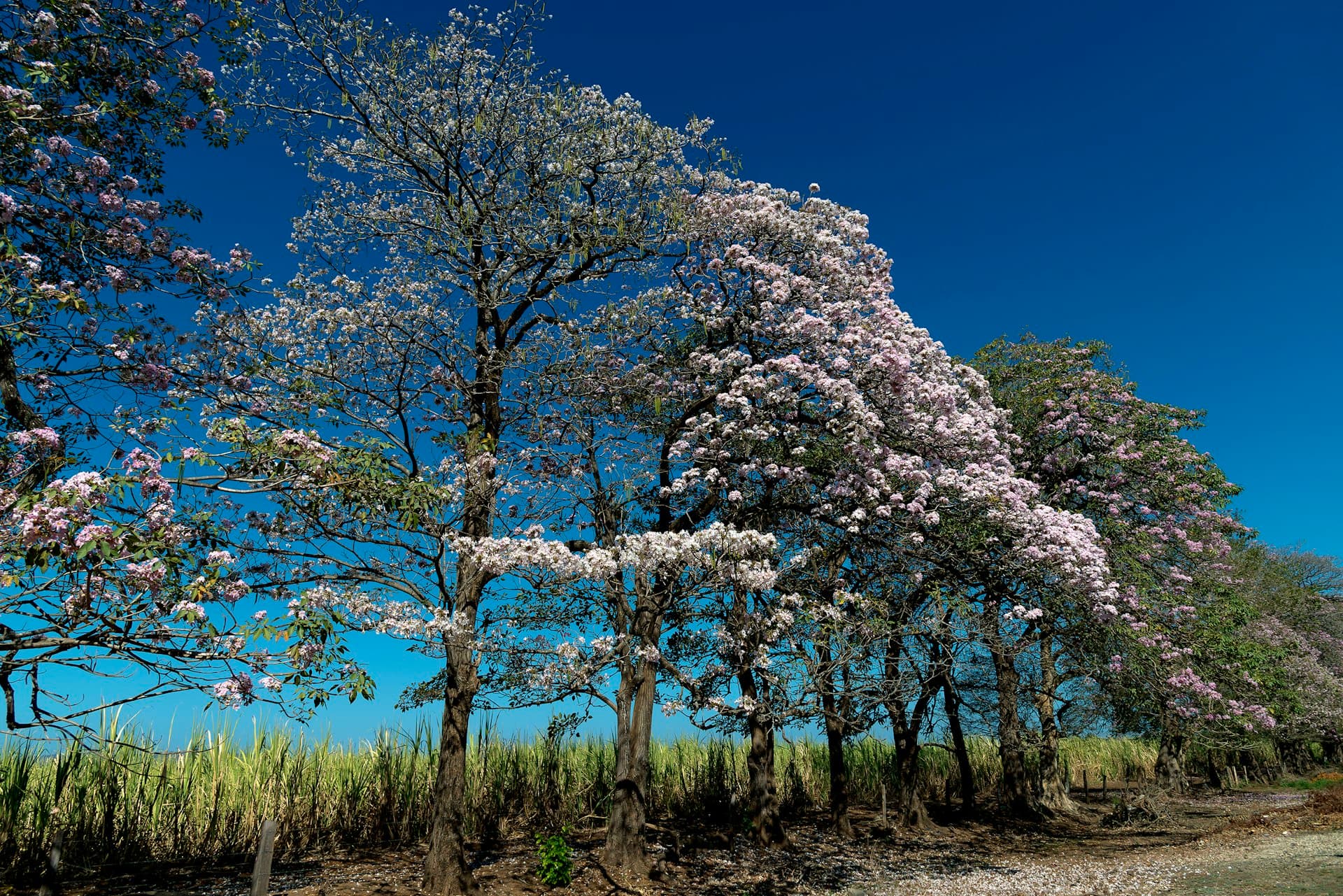 Photo: Roberto Brambilla / Unsplash
Zelfgeleide audiowandeling door Liberia — GPS-route, offline afspelen, meeslepende vertelling in 32 talen.
“Waar de 'Witte Stad' het wilde Guanacaste ontmoet.”
Niet de ansichtkaarten. De verhalen die zelfs locals niet kennen — gefluisterd in je oor, precies waar ze gebeurden.
Deze historische kerk heeft een verrassende connectie met de bijnaam van Liberia uit het verleden.
Naast zijn ecologische belang, beschermt dit nationale park een cruciaal moment in de geschiedenis van Costa Rica.
Deze schijnbaar rustige openbare ruimte speelde ooit een vitale rol in de vroege ontwikkeling van de stad.
Ontdek elk geheim van Liberia
Elk adres, elke onthulling volledig — in je oor, precies waar het gebeurde.
Jij kiest je stops. Jij wandelt. De stem onthult wat de anderen missen.

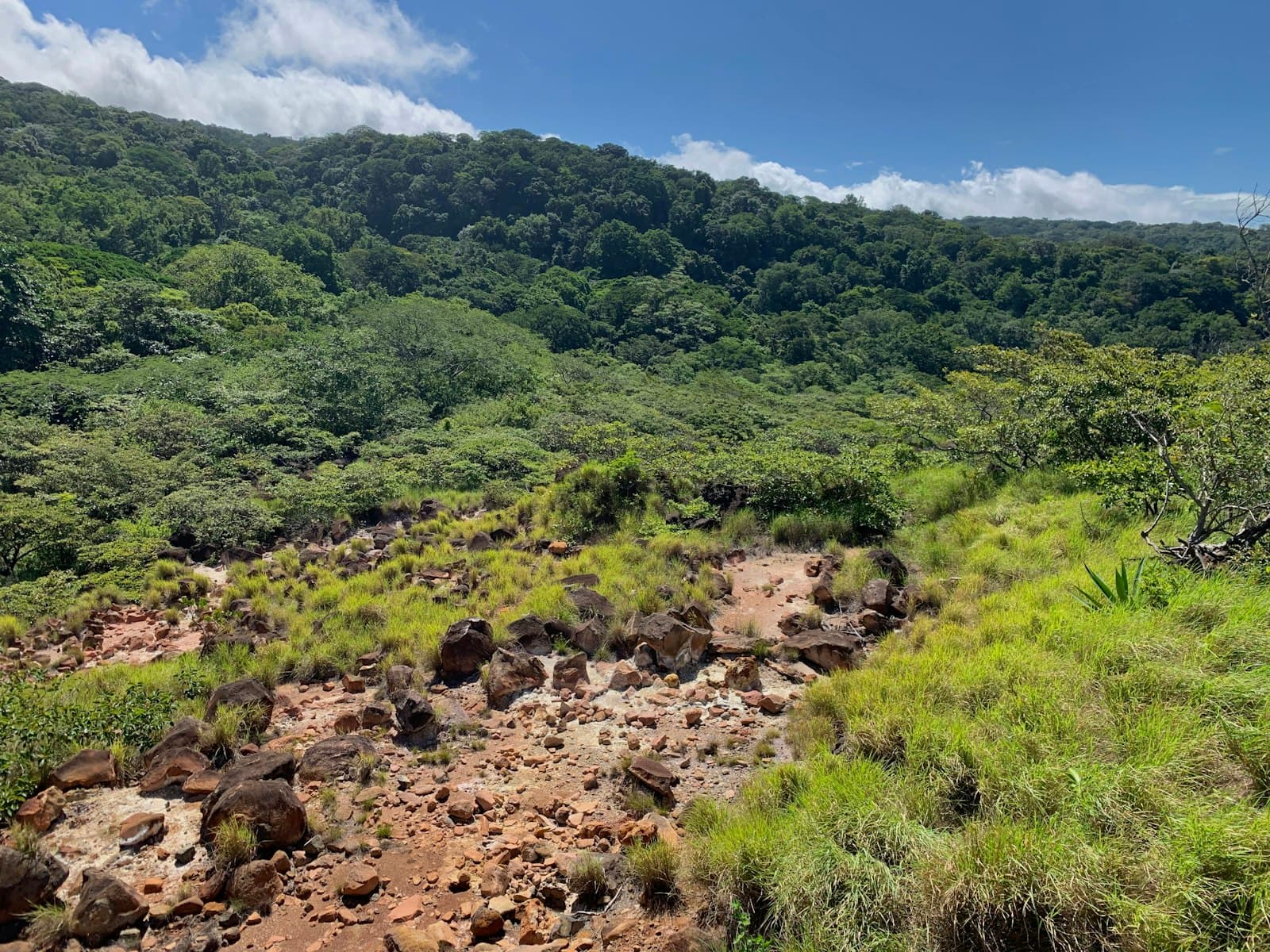

Je zelfgeleide audiotour van Liberia is klaar — kies je bezienswaardigheden, kies je taal en start zodra je aankomt.
KopenLume heeft een ingebouwde augmented-reality-gids. Houd je telefoon omhoog: de camera toont de straat voor je, met een oplichtende pijl over het echte beeld die altijd naar je volgende stop wijst — geen kaart om uit te puzzelen, geen verkeerde afslagen. Zoals alles in Lume werkt het volledig offline.
Liberia, de hoofdstad van de provincie Guanacaste in Costa Rica, wordt vaak 'La Ciudad Blanca' of de 'Witte Stad' genoemd vanwege de koloniale architectuur en het witte grind dat vroeger de straten bedekte. Liberia is meer dan alleen een doorvoerhaven voor de internationale luchthaven (LIR); het biedt een mix van moderne gemakken en authentieke Guanacastecaanse cultuur. Het fungeert als toegangspoort tot de diverse landschappen van de regio, van vulkanische nationale parken tot stranden aan de Stille Oceaan.
Veel reizigers komen aan op Daniel Oduber Quirós International Airport (LIR) om snel kustresorts of natuurlijke attracties te bereiken, maar de stad zelf beloont degenen die langer blijven. Men kan historische bezienswaardigheden en lokale markten verkennen en het ontspannen tempo van het leven ervaren dat dit deel van Costa Rica kenmerkt. De strategische ligging van Liberia maakt het een ideale uitvalsbasis voor het verkennen van de biodiversiteit en de cowboy-erfenis van Guanacaste.
Het huidige Liberia begon als een informele kluis op 4 september 1769, strategisch gelegen waar wegen vanuit Rivas, Bagaces en Nicoya samenkwamen. Dit maakte het een cruciaal rustpunt voor reizigers, waarbij de grote guanacaste-bomen in de omgeving schaduw boden aan zowel mensen als vee. Na verloop van tijd werd de nederzetting bekend als Guanacaste. De vroege economie was geworteld in een haciënda-systeem, gespecialiseerd in veeteelt, wat de onderscheidende 'sabanero' (cowboy) cultuur bevorderde die vandaag de dag nog steeds een bron van regionale trots is.
In 1812 stichtten de Cortes van Cádiz één autonome provincie die Nicaragua en Costa Rica omvatte. Hoewel Nicoya en Santa Cruz in 1824 stemden om zich bij Costa Rica aan te sluiten, kozen de inwoners van Guanacaste (het huidige Liberia) er aanvankelijk voor om deel van Nicaragua te blijven. Echter, na jaren van geschil, voegde het congres van de Federale Republiek Midden-Amerika Guanacaste in 1826 toe aan Costa Rica. De nederzetting groeide in belang en overtrof Nicoya als het belangrijkste centrum van de regio. Het werd officieel hernoemd tot Villa de Guanacaste in 1831 en vervolgens tot Ciudad de Guanacaste in 1836.
Costa Rica verdeelde zijn grondgebied op 7 december 1848 in provincies, kantons en districten, waarbij de provincie Guanacaste werd opgericht. Op 30 mei 1854 veranderde een overheidsdecreet de naam van Ciudad de Guanacaste in Ciudad de Liberia. De provincie zelf werd kortstondig hernoemd tot Moracia ter ere van president Juan Rafael Mora Porras, hoewel deze na zijn omverwerping in 1859 terugkeerde naar Guanacaste. De groei van de stad zette zich voort in de 20e eeuw, verstevigd door de oprichting van Daniel Oduber Quirós International Airport (LIR) in de jaren 1970, wat Liberia transformeerde tot een belangrijke toegangspoort voor toerisme.
Begin uw verkenning in Parque Central, het schaduwrijke centrale plein van Liberia, waar families samenkomen en lokale muzikanten soms spelen. Bewonder in de buurt La Ermita de la Agonía, de oudste kerk van de stad, gebouwd in 1865, die klassieke koloniale architectuur toont. Duik in de regionale geschiedenis en kunst in het Guanacaste Museum, gevestigd in voormalige militaire kazernes. Voor een voorproefje van het lokale leven, dwaal door de Liberia Public Market.
Buiten de stad is Liberia een startpunt voor diverse avonturen. Op slechts 30 minuten afstand biedt Rincón de la Vieja National Park vulkanische warmwaterbronnen, modderbaden, watervallen en wandelpaden. U kunt ook Santa Rosa National Park bezoeken, het eerste nationale park van Costa Rica, belangrijk vanwege zijn historische slagveld en diverse ecosystemen. Voor het spotten van wilde dieren kunt u een safari boottocht maken in Palo Verde National Park. De stranden aan de Stille Oceaan, zoals Playas del Coco en Playa Hermosa, liggen op minder dan een uur rijden en bieden mogelijkheden om te zwemmen, zonnebaden en watersporten. Voor een unieke ervaring, Ponderosa Adventure Park beschikt over Afrikaanse dieren zoals zebra's en giraffen, naast ziplining en paardrijden.
Liberia heeft een tropisch klimaat met duidelijke droge en regenachtige seizoenen. Het droge seizoen, van december tot april, wordt over het algemeen beschouwd als de beste tijd om te bezoeken, met veel zonneschijn en ideale omstandigheden voor buitenactiviteiten en strandtrips. De temperaturen zijn constant warm, vaak boven de 32°C (90°F) in de heetste maanden van februari tot april. Het regenseizoen, of 'groene seizoen', loopt van mei tot november. Hoewel er meer regen valt, vooral in de middag, zijn de ochtenden vaak helder en is het landschap weelderig. September en oktober zijn doorgaans de natste maanden.
De lokale munteenheid in Liberia is de Costa Ricaanse Colón (CRC), hoewel Amerikaanse dollars in veel hotels en grotere etablissementen breed worden geaccepteerd. Het is raadzaam om Colones bij u te hebben voor kleinere aankopen bij lokale eetgelegenheden (sodas) of straatverkopers. Geldautomaten zijn gemakkelijk beschikbaar en creditcards worden over het algemeen geaccepteerd, maar het is altijd goed om dit van tevoren te bevestigen.
Spaans is de officiële taal. Hoewel Engels wordt gesproken in de toeristische sector, zal het leren van enkele basis Spaanse zinnen, zoals 'Pura Vida', uw interacties met de lokale bevolking verbeteren. Liberia is over het algemeen veilig, maar algemene voorzorgsmaatregelen tegen kleine diefstallen, vooral in drukke gebieden zoals busstations, worden aanbevolen. Vermijd alleen lopen in slecht verlichte gebieden 's nachts. Voor transport is Daniel Oduber Quirós International Airport (LIR) slechts 11 kilometer ten westen van de stad. Taxi's zijn beschikbaar, maar vooraf geboekte transfers of erkende shuttles worden aanbevolen voor betrouwbaarheid en veiligheid. Het huren van een auto biedt flexibiliteit om de regio te verkennen, hoewel een 4x4 nuttig kan zijn voor sommige onverharde wegen.
Liberia — Koreaans, Chinees, Hebreeuws en nog 29 talen, elke stop verteld door een moedertaalspreker. Het grootste taalaanbod van alle zelfgeleide audiotours.
Beschikbaar in: