Montagne de Bueren
Diese monumentale Treppe wurde nicht nur zum Trainieren oder für die Aussicht gebaut.
Die ganze Geschichte wird in der Tour freigeschaltet
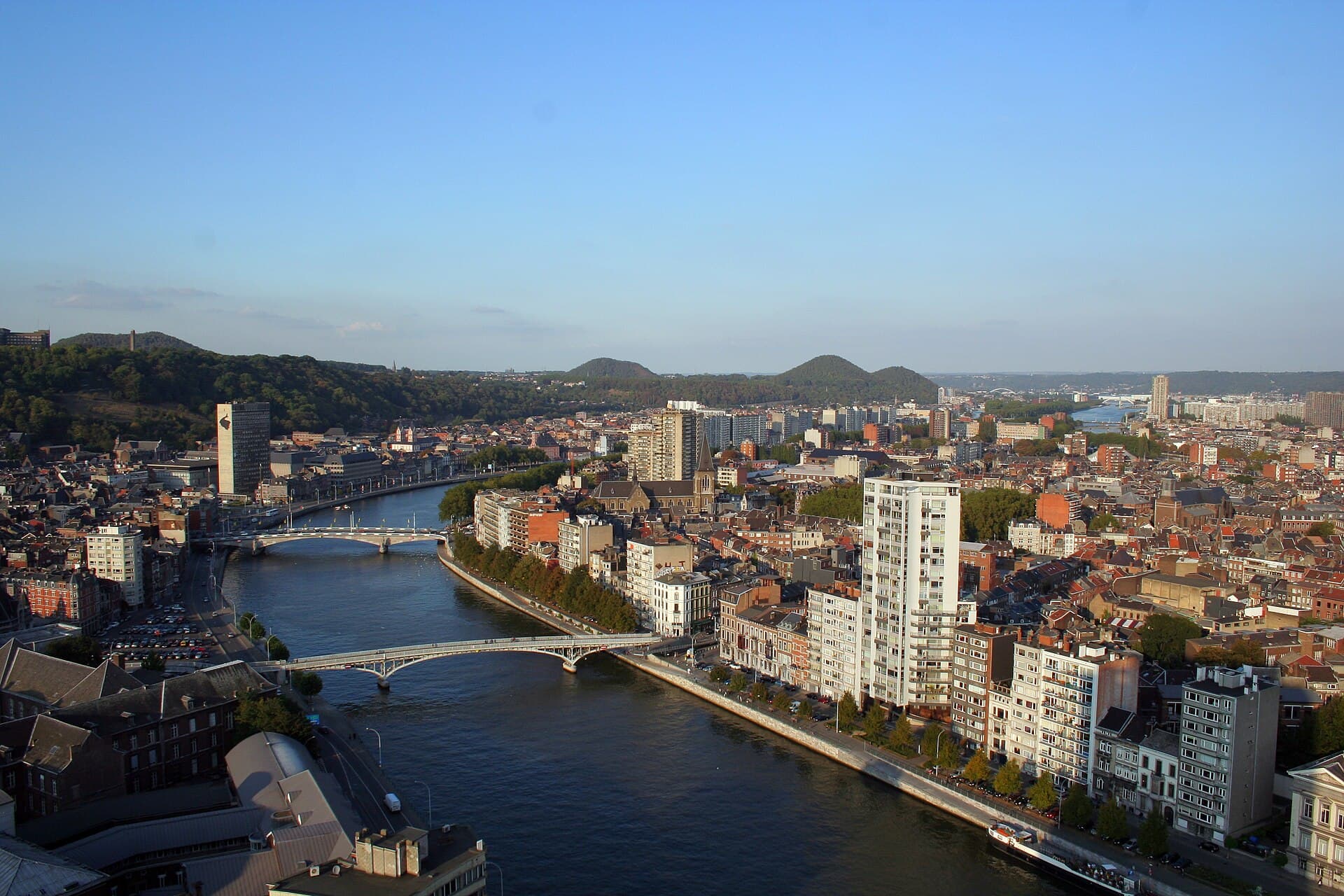 A.Savin / CC BY-SA 3.0, via Wikimedia Commons
Selbstgeführte Audio-Walking-Tour durch Lüttich — GPS-Route, Offline-Wiedergabe, erzählerische Narration in 32 Sprachen.
“Jenseits der Waffeln summt Lüttich mit einem trotzigen Geist und unerwarteter Schönheit.”
Nicht die Postkarten. Die Geschichten, die selbst Einheimische nicht kennen – dir ins Ohr geflüstert, genau dort, wo sie geschahen.
Diese monumentale Treppe wurde nicht nur zum Trainieren oder für die Aussicht gebaut.
Hinter der Kanzel der Hauptkathedrale von Lüttich lauert eine überraschende Figur.
Inmitten der städtischen Landschaft steht unerwartet eine Burg.
Entdecke jedes Geheimnis von Lüttich
Jede Adresse, jede Enthüllung vollständig – in deinem Ohr, genau dort, wo es geschah.
Du wählst deine Stationen. Du gehst. Die Stimme enthüllt, was andere übersehen.


Deine selbstgeführte Audio-Tour durch Lüttich ist bereit – wähle deine Sehenswürdigkeiten, deine Sprache und starte, sobald du ankommst.
KaufenLume enthält einen integrierten Augmented-Reality-Guide. Halten Sie Ihr Handy hoch: Die Kamera zeigt die Straße vor Ihnen, mit einem leuchtenden Pfeil über dem echten Bild, der immer auf Ihren nächsten Stopp zeigt — keine Karte zum Rätseln, keine falschen Abzweigungen. Wie alles bei Lume funktioniert es komplett offline.
Lüttich, oft als „La Cité Ardente“ oder „Die feurige Stadt“ bezeichnet, ist ein bedeutendes Kultur- und Wirtschaftszentrum in Wallonien, Belgien. An der Maas gelegen, wo sie mit der Ourthe zusammenfließt, bietet die Stadt eine Mischung aus beständigen Wahrzeichen, zeitgenössischer Architektur und einer lebendigen Atmosphäre. Sie hat sich von alten Siedlungen zu einem industriellen Kraftzentrum und nun zu einem modernen Knotenpunkt entwickelt, der unauslöschliche Spuren seiner geschichtsträchtigen Vergangenheit in seiner Anlage und seinen Monumenten trägt.
Obwohl vielleicht weniger bekannt als einige seiner belgischen Pendants, bietet Lüttich ein besonderes Erlebnis. Hier kann man jahrhundertealte Gebäude und alte Pfade erkunden und dann auf beeindruckende moderne Designs wie den Bahnhof Lüttich-Guillemins stoßen. Die Stadt ist berühmt für ihre kulinarischen Spezialitäten, darunter die berühmten Lütticher Waffeln, und eine lokale Kultur, die Tradition und modernes Leben vereint.
## Vom römischen Außenposten zum Fürstbistum Die Ursprünge Lüttichs reichen bis in die Römerzeit zurück, mit kleinen Siedlungen auf diesem Land. Die eigentliche Entstehung der Stadt ist mit dem Martyrium des Bischofs Lambert von Maastricht um 705 n. Chr. verbunden. An der Stelle seines Todes wurde eine Kapelle errichtet, die schnell zu einem Wallfahrtsort wurde. Lamberts Nachfolger, der Heilige Hubertus, verlegte den Bischofssitz im frühen 8. Jahrhundert von Maastricht nach Lüttich und verwandelte die kleine Siedlung in ein regionales religiöses Zentrum.
Bis zum späten 10. Jahrhundert wurde Lüttich unter Bischof Notger zur Hauptstadt eines unabhängigen Fürstbistums im Heiligen Römischen Reich, ein Status, den es über acht Jahrhunderte beibehielt. Diese Periode sah Lüttich als intellektuelles und kulturelles Zentrum aufblühen und brachte ihm im 11. Jahrhundert dank seiner florierenden Domschulen und des regen Baus von Tempeln und Klöstern den Beinamen „Athen des Nordens“ ein.
## Industrielle Revolution und Moderne Das 18. Jahrhundert brachte mit der Lütticher Revolution von 1789 bedeutende Veränderungen, die zur Auflösung des Fürstbistums und zur Annexion durch Frankreich im Jahr 1795 führten. Nach dem Wiener Kongress 1815 wurde Lüttich Teil des Vereinigten Königreichs der Niederlande, bevor es 1830 dem neu unabhängigen Königreich Belgien beitrat. Das 19. Jahrhundert markierte die Umwandlung Lüttichs in ein wichtiges Industriezentrum, bekannt für seinen Kohlebergbau und die Stahlproduktion. Dieser industrielle Aufschwung führte zu einer bedeutenden städtischen Entwicklung, einschließlich des Aufkommens der Eisenbahnen.
Lüttich spielte in beiden Weltkriegen eine entscheidende strategische Rolle und erlitt die Besetzung durch deutsche Truppen. In jüngerer Zeit hat die Stadt eine Modernisierung erfahren, die sich im beeindruckenden Bahnhof Lüttich-Guillemins zeigt, der 2009 eröffnet und von Santiago Calatrava entworfen wurde. Heute entwickelt sich Lüttich weiter und verbindet seinen beständigen historischen Charakter mit einer dynamischen zeitgenössischen Identität.
Beginnen Sie Ihre Erkundung auf dem Place Saint-Lambert, dem historischen Herzen von Lüttich, wo das Archéoforum die alten römischen und mittelalterlichen Fundamente der Stadt offenbart. Von dort führt ein kurzer Spaziergang zum Palast der Fürstbischöfe, einem ikonischen Wahrzeichen, das einst die Herrscher des Fürstbistums beherbergte.
Erwägen Sie den Aufstieg auf den Montagne de Bueren, eine anspruchsvolle Treppe mit 374 Stufen, die einen atemberaubenden Blick über die Stadt bietet. Für eine weniger anstrengende, aber ebenso lohnende Aussicht erkunden Sie den Lütticher Belvedere, der über einen gepflasterten Fußweg im Parc Saint-Léonard erreichbar ist. Steigen Sie hinab in die charmanten Impasse-Gassen, insbesondere die abseits der Rue Hors-Château, die einen Einblick in ältere, ruhigere Ecken der Stadt bieten.
Bewundern Sie die gotische Architektur der Kathedrale Saint-Paul, die für ihre Buntglasfenster und filigranen Schnitzereien bekannt ist. Das Grand Curtius Museum ist ein Ziel für diejenigen, die sich für Archäologie, dekorative Kunst und Waffen interessieren, untergebracht in einem markanten Gebäude entlang der Maas. Für Kunstliebhaber zeigt das La Boverie Museum im Parc de la Boverie eine Sammlung von der Renaissance bis zum 20. Jahrhundert. Erleben Sie schließlich das architektonische Wunderwerk des Bahnhofs Lüttich-Guillemins, einen modernen Knotenpunkt, entworfen von Santiago Calatrava.
Die ideale Zeit für einen Besuch in Lüttich ist zwischen Mai und September, wenn das Wetter am angenehmsten für Erkundungen ist. Die Temperaturen liegen in diesen Monaten im Allgemeinen zwischen 14°C und 23°C, wobei Juli und August die wärmsten und sonnigsten Monate sind. Diese Zeit fällt auch mit verschiedenen lebhaften Festivals zusammen, darunter die berühmte „Le 15 août“-Feier im August. Frühling (März bis Mai) und Frühherbst (September bis November) bieten ebenfalls milde Temperaturen und weniger Menschenmassen, was sie zu einer ausgezeichneten Wahl für komfortable Besichtigungen macht. Obwohl Regen das ganze Jahr über recht gleichmäßig verteilt ist, bieten die Sommermonate die angenehmsten Bedingungen für Outdoor-Aktivitäten.
Lüttich ist gut angebunden und mit verschiedenen Verkehrsmitteln erreichbar. Der Bahnhof Lüttich-Guillemins ist ein wichtiger Eisenbahnknotenpunkt mit Hochgeschwindigkeitszugverbindungen zu Städten wie Brüssel, Paris und Köln. Die Stadt ist auch mit dem Auto über wichtige Autobahnen leicht zu erreichen. Der Flughafen Lüttich bietet Flüge zu mehreren europäischen Zielen. Innerhalb der Stadt umfasst der öffentliche Nahverkehr lokale Busse und eine neue Straßenbahnlinie, die seit April 2025 vollständig in Betrieb ist und viele wichtige Sehenswürdigkeiten verbindet.
Die Amtssprache in Lüttich ist Französisch, mit deutsch- und niederländischsprachigen Minderheiten. Obwohl viele touristische Einrichtungen möglicherweise Englisch sprechende Mitarbeiter haben, sind einige grundlegende französische Sätze hilfreich. Die Währung ist der Euro (€ EUR). Geldautomaten sind weit verbreitet, und es ist ratsam, sich bei der Kartenzahlung für die Abrechnung in Euro zu entscheiden, um einen faireren Wechselkurs zu erhalten.
Lüttich — Koreanisch, Chinesisch, Hebräisch und 29 weitere Sprachen, jede Station von einer muttersprachlichen Stimme erzählt. Die größte Sprachauswahl aller selbstgeführten Audiotouren.
Verfügbar auf: