Prisão de Karosta
Esta antiga prisão militar detém uma distinção singular, além de seus muros imponentes e história sombria.
História completa desbloqueada no tour
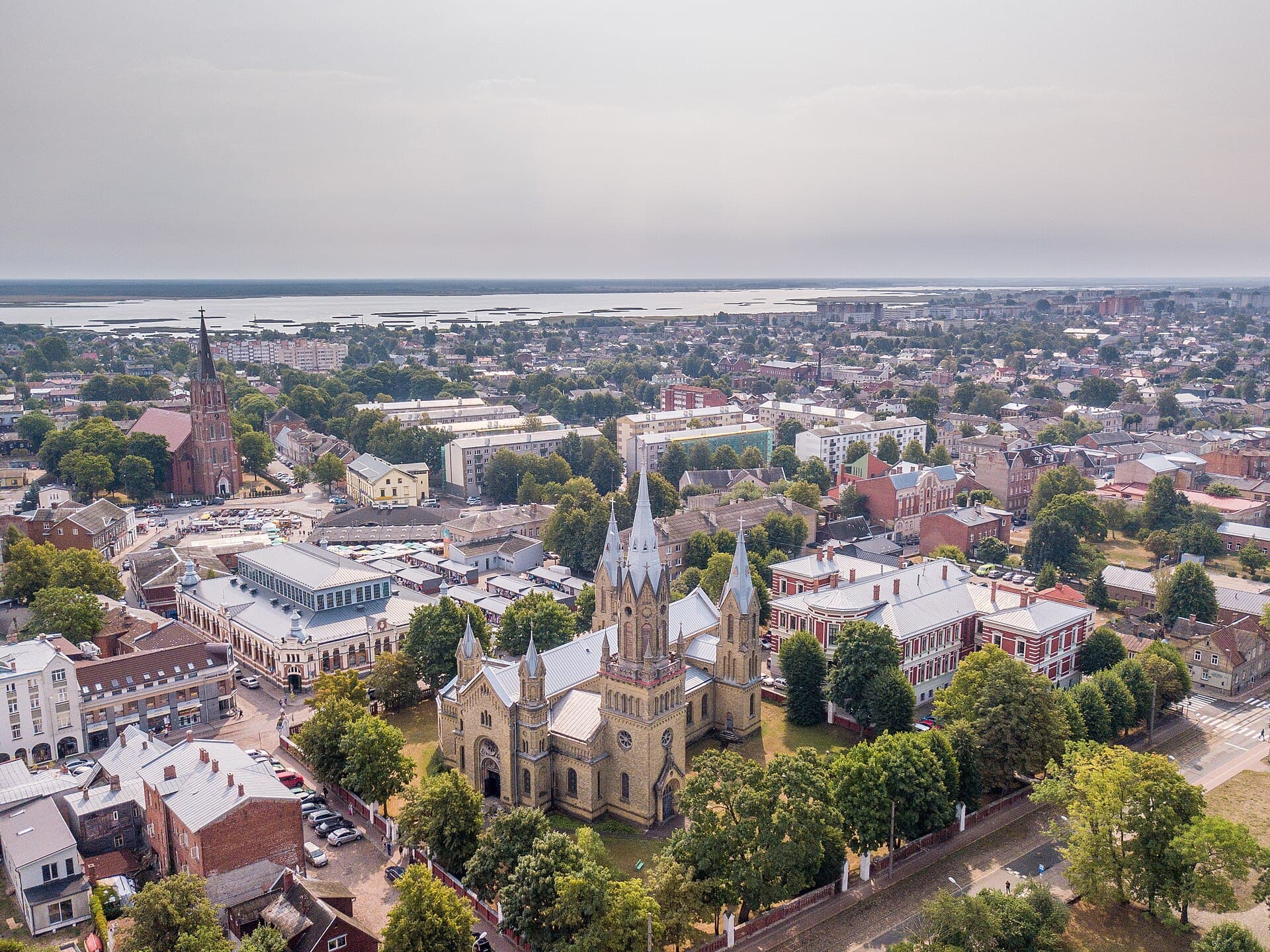 Edgars Šulcs / CC BY-SA 4.0, via Wikimedia Commons
Tour de áudio autoguiado por Liepāja — rota GPS a pé, reprodução offline, narração envolvente em 32 idiomas.
“Onde o vento báltico carrega ecos de impérios e melodias.”
Não os postais. As histórias que nem os locais conhecem — sussurradas ao seu ouvido, exatamente onde aconteceram.
Esta antiga prisão militar detém uma distinção singular, além de seus muros imponentes e história sombria.
O sistema de bonde de Liepāja reivindica um notável 'primeiro' na região do Báltico, um testemunho de sua adoção precoce de tecnologia moderna.
Dentro do esplendor barroco da Catedral da Santíssima Trindade reside um instrumento de imensa escala e profunda importância histórica.
Descubra cada segredo de Liepāja
Cada endereço, cada revelação na íntegra — no seu ouvido, exatamente onde aconteceu.
Você escolhe as suas paragens. Você caminha. A voz revela o que os outros perdem.
O seu tour áudio autoguiado de Liepāja está pronto — escolha os seus pontos de interesse, selecione o seu idioma e comece no momento em que chegar.
ComprarA Lume inclui um guia de realidade aumentada. Levante o telemóvel: a câmara mostra a rua à sua frente, com uma seta luminosa sobreposta à imagem real que aponta sempre para a sua próxima paragem — sem mapa para decifrar, sem voltas erradas. Como tudo na Lume, funciona totalmente offline.
Liepāja, frequentemente conhecida como 'A Cidade onde o Vento Nasce', repousa na borda ocidental da Letônia, uma cidade portuária dinâmica moldada pelo Mar Báltico e pelo Lago Liepāja. É um lugar onde a brisa incessante do mar define o próprio caráter da cidade, tanto que uma canção com este nome se tornou seu hino. Liepāja oferece uma mistura envolvente de história, música e encanto costeiro, tornando-a um destino de contrastes surpreendentes.
Esta terceira maior cidade da Letônia proporciona uma experiência autêntica da existência costeira, misturando a tranquilidade à beira-mar com fundações culturais e históricas profundas. De suas praias extensas e arenosas à sua paisagem cultural vibrante, Liepāja convida à exploração minuciosa. É uma cidade que tem consistentemente se esforçado para liderar, estabelecendo tendências e estando entre as primeiras em muitos aspectos, tanto historicamente quanto na Letônia contemporânea.
As origens de Liepāja remontam ao século XIII como um assentamento curônio chamado Līva, mencionado pela primeira vez em um tratado em 1253. Em 1263, a Ordem Teutônica estabeleceu uma fortaleza aqui, e em 1625, Liepāja recebeu direitos de cidade do Duque Friedrich Kettler da Curlândia, iniciando um período de considerável crescimento econômico e desenvolvimento portuário. O final do século XVII viu extensos projetos para aprofundar o porto e construir um canal ligando o Lago Liepāja ao Mar Báltico.
O desenvolvimento da cidade acelerou no século XIX, após a Curlândia, incluindo Liepāja, se tornar parte do Império Russo em 1795. A modernização do porto começou em 1868, seguida pela abertura de uma linha ferroviária em 1876, transformando Liepāja em um importante centro comercial para a Rússia central. Em 1900, uma parte substancial de todas as exportações russas passava por Liepāja, e ela se tornou uma cidade resort procurada por aristocratas europeus e russos, incluindo o Czar Russo. Esta era também viu o lançamento da primeira linha de bonde elétrico nos Bálticos em 1899.
O século XX trouxe considerável agitação. Liepāja serviu brevemente como capital da Letônia em 1919 durante a Guerra de Independência da Letônia. Durante a Segunda Guerra Mundial, a cidade sofreu danos pesados e foi ocupada por forças alemãs e soviéticas. Sob ocupação soviética, Karosta, a seção norte da cidade, tornou-se uma zona militar restrita e uma base naval crucial para a Frota Soviética do Báltico, fechada a civis. As tropas russas finalmente se retiraram em 1994, e Karosta desde então se transformou em uma atração turística distinta. Hoje, Liepāja continua sua evolução, tendo sido selecionada como Capital Europeia da Cultura para 2027.
Comece sua exploração no Parque e Praia à Beira-Mar, celebrados por suas amplas extensões de areia branca e fina. Esta praia com Bandeira Azul oferece condições ideais para nadar e tomar sol, e o parque oferece caminhos para caminhar e andar de bicicleta.
Viaje para Karosta, a antiga cidade militar soviética restrita, que agora abrange cerca de um terço de Liepāja. Aqui, você pode visitar a Prisão de Karosta, a única prisão militar da Europa aberta a visitantes, oferecendo passeios e até pernoites para os intrépidos. Também em Karosta está a impressionante Catedral Naval Ortodoxa de São Nicolau, consagrada pelo Czar Nicolau II em 1903. Não deixe de explorar os Fortes do Norte, ruínas de uma fortaleza de 1908 que oferecem passagens subterrâneas e vistas dramáticas do mar.
No centro da cidade, o Great Amber Concert Hall se destaca como um marco arquitetônico, lar da Orquestra Sinfônica de Liepāja, a mais antiga dos Bálticos. Sua fachada cor de âmbar e acústica excepcional são um destaque. A Catedral da Santíssima Trindade abriga o maior órgão mecânico do mundo que nunca foi reconstruído. Passeie pela Cidade Velha para admirar edifícios Art Nouveau e arquitetura em madeira, ou visite o Mercado de Peter, instalado em um belo pavilhão Art Nouveau. Você também pode seguir as placas de notas musicais no pavimento para o passeio 'Siga as Notas!' pela cidade, conectando locais populares.
A época mais favorável para visitar Liepāja para atividades de clima quente é de início de julho a final de agosto, quando as temperaturas são amenas e o mar é mais convidativo. Os meses de verão são perfeitos para aproveitar a praia e eventos ao ar livre. A primavera e o outono oferecem uma experiência mais tranquila com menos multidões, ideal para exploração cultural. Embora os verões sejam geralmente amenos, a reputação 'ventosa' da cidade significa que levar camadas de roupa e uma jaqueta impermeável é sempre uma boa ideia, mesmo nos meses mais quentes.
Liepāja está localizada a aproximadamente 220 km de Riga e é acessível de carro, ônibus ou trem. Voos de Riga para Liepāja também estão disponíveis, durando cerca de 27 minutos. A cidade também funciona como um porto para balsas do Báltico, com serviços conectando a Travemünde, Alemanha. Dentro da cidade, a linha de bonde oferece um meio importante de transporte, e o centro da cidade é geralmente caminhável. Para chegar a Karosta, transporte público é recomendado.
Liepāja é considerada uma cidade segura para visitantes. O inglês é amplamente falado, especialmente por gerações mais jovens e em áreas de serviço. Cartões de crédito e débito são amplamente aceitos, embora carregar uma pequena quantia em dinheiro para pequenas compras seja aconselhável. Para emergências, disque 112.
Liepāja — coreano, chinês, hebraico e mais 29 idiomas, cada parada narrada por uma voz nativa. A maior variedade de idiomas entre os passeios de áudio autoguiados.
Disponível em: