Lille, FranceCereol89, Velvet / CC BY-SA 4.0, via Wikimedia Commons
FR

Lille

Where Flemish heart meets French chic, a city of unexpected delights.

The secrets of Lille

Lille, as no one tells it.

Not the postcards. The stories even locals don't know — whispered in your ear, right where they happened.

3 secrets below. Many more wait inside the tour.
Rue de Weppes

This unassuming lane in Vieux-Lille holds a secret from the city's watery past.

Full story unlocks in the tour
Rang du Beauregard

Look closely at the 17th-century facades here, and you'll spot relics of a forgotten conflict.

Full story unlocks in the tour
Lille Zoo Entrance

France's only monument dedicated to these unsung heroes stands here.

Full story unlocks in the tour
The full tour

Discover every secret of Lille

Every address, every reveal in full — in your ear, right where it happened.

Get the key to Lille

You pick your stops. You walk. The voice reveals what the others miss.

Choose your time

How long do you have in Lille?

No tours available yet. Check back soon — we're preparing them.

About Lille

The story of Lille

Lille, a city in northern France, sits close to the Belgian border and offers a distinctive blend of French and Flemish influences. Once called "L'Isle" or "The Island" due to its origins on a marshy area between arms of the Deûle River, Lille has evolved from a medieval trading hub to a dynamic European metropolis. It's a city that surprises, often overlooked in favor of its more famous French counterparts, yet it delivers a rich array of art, culture, and gastronomy.

A significant student population gives Lille a youthful energy that infuses its cultural scene and nightlife. Its compact and walkable center, particularly the appealing Vieux-Lille (Old Lille) district, invites exploration of its paved lanes and unique architecture. From grand squares to cozy cafés, Lille offers a relaxed pace and a welcoming atmosphere, making it an ideal destination for those seeking a less-touristy French experience.

History

From Flemish Stronghold to French Metropolis

Lille's story begins in the 11th century, founded by Count Baldwin IV of Flanders. Its name, derived from the Latin 'Insula' and Old French 'L'Isle,' refers to its original island setting between branches of the Deûle River. Its strategic location made it a crucial trading post between prosperous Flemish cities and the Champagne fairs, quickly establishing it as a center for the cloth trade. This early period saw Lille flourish economically and culturally under the rule of the Dukes of Burgundy, becoming one of their three capitals alongside Brussels and Dijon in the 14th century.

The city's history is marked by numerous sieges and shifts in control. It was part of the County of Flanders, then the Burgundian State, and even the Spanish Netherlands before definitively becoming French in 1668 after Louis XIV's conquest during the War of Devolution. Louis XIV's military engineer, Vauban, fortified Lille with an impressive pentagonal citadel between 1667 and 1670, a marvel of military architecture often called the "Queen of Citadels."

The 19th century brought the Industrial Revolution, transforming Lille into a major industrial capital, particularly in textiles and mechanical engineering. This period saw significant growth, with the city's population expanding and neighboring communes being annexed. However, the decline of these industries in the 1960s led to a period of crisis, prompting Lille to undergo a significant transformation in the 1980s and 90s, shifting towards the tertiary sector and revitalizing its districts. Today, Lille is recognized as a major European business and transport hub, a testament to its continuous evolution.

What to see

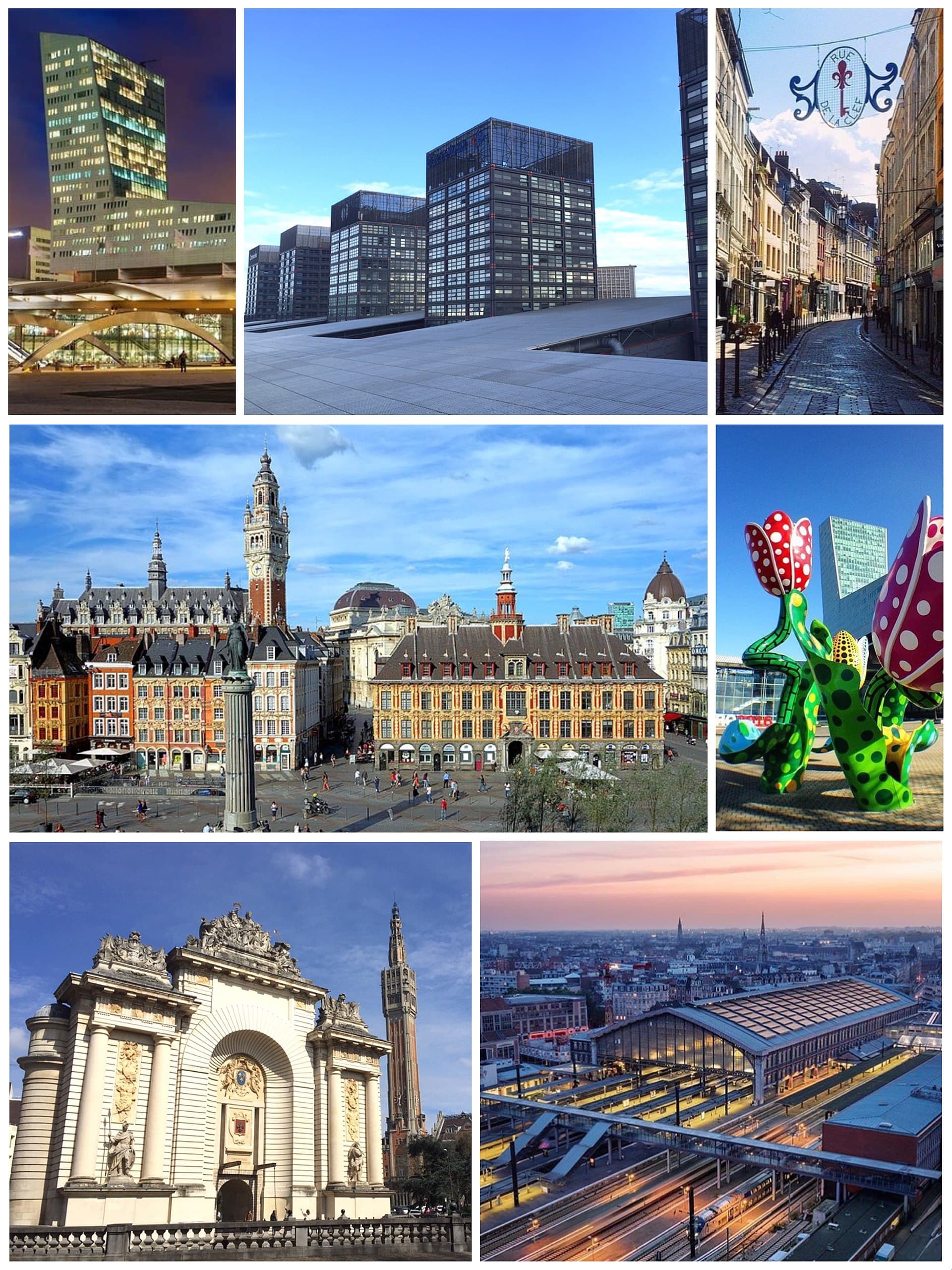
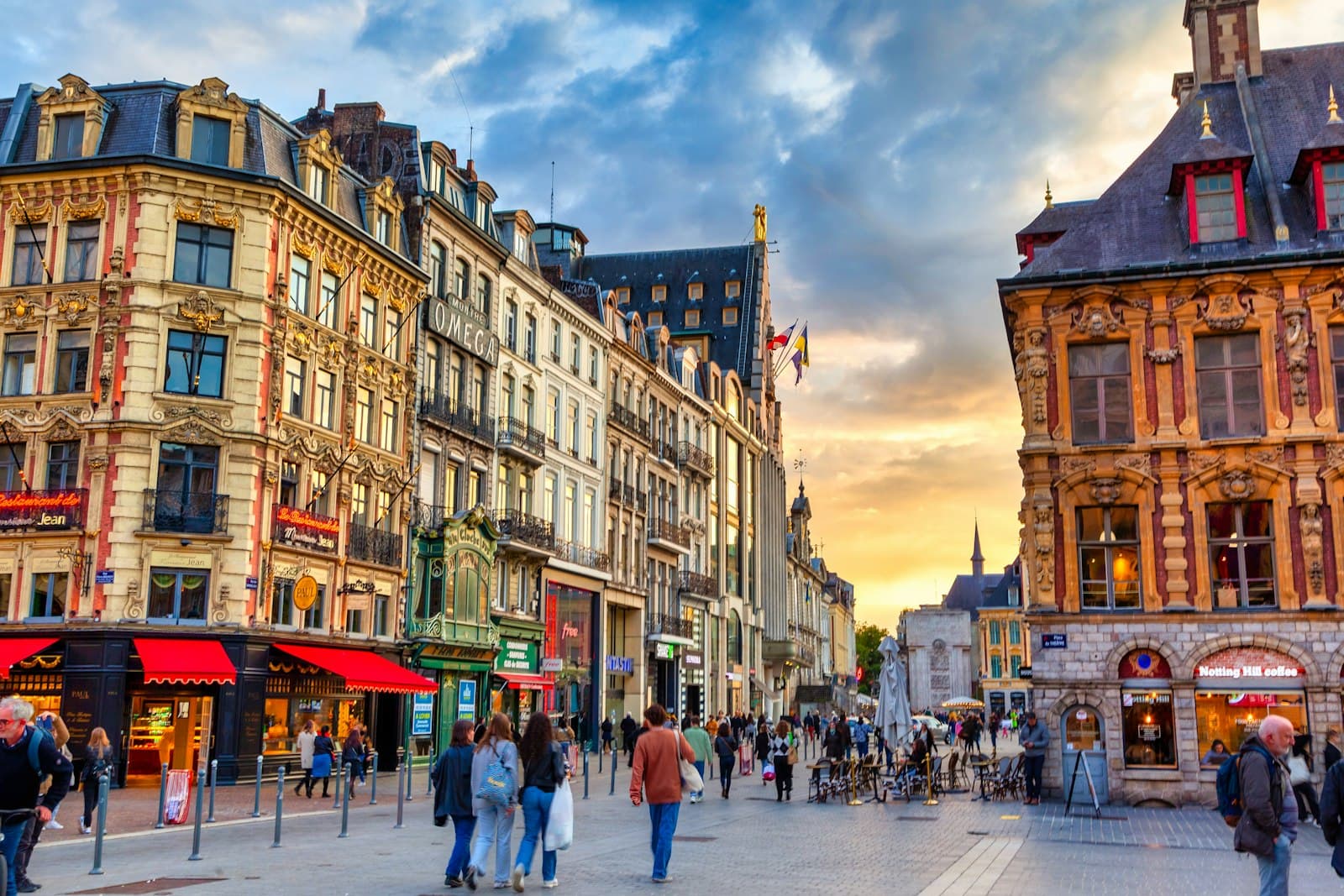
Begin your exploration in Vieux-Lille, the historic old town, characterized by its 17th-century red-brick townhouses and pedestrianized lanes. The Grand'Place, officially Place du Général de Gaulle, is the lively central square, framed by grand Flemish-Baroque buildings, including the iconic Vieille Bourse. This 17th-century former stock exchange is a masterpiece of Flemish Renaissance architecture and often hosts second-hand book stalls in its inner courtyard.

Do not overlook the Palais des Beaux-Arts, one of France's largest fine arts museums, second only to the Louvre. It houses an extensive collection of European art spanning from the Middle Ages to the 20th century. For a unique architectural experience, visit the Belfry of Lille (Beffroi de Lille) at the City Hall, a UNESCO World Heritage site offering expansive views from its 104-meter height. The Citadel of Lille, a star-shaped fortress designed by Vauban, is another significant historical landmark. For a taste of local life, the Wazemmes market on a Sunday morning offers a lively experience.

When to visit

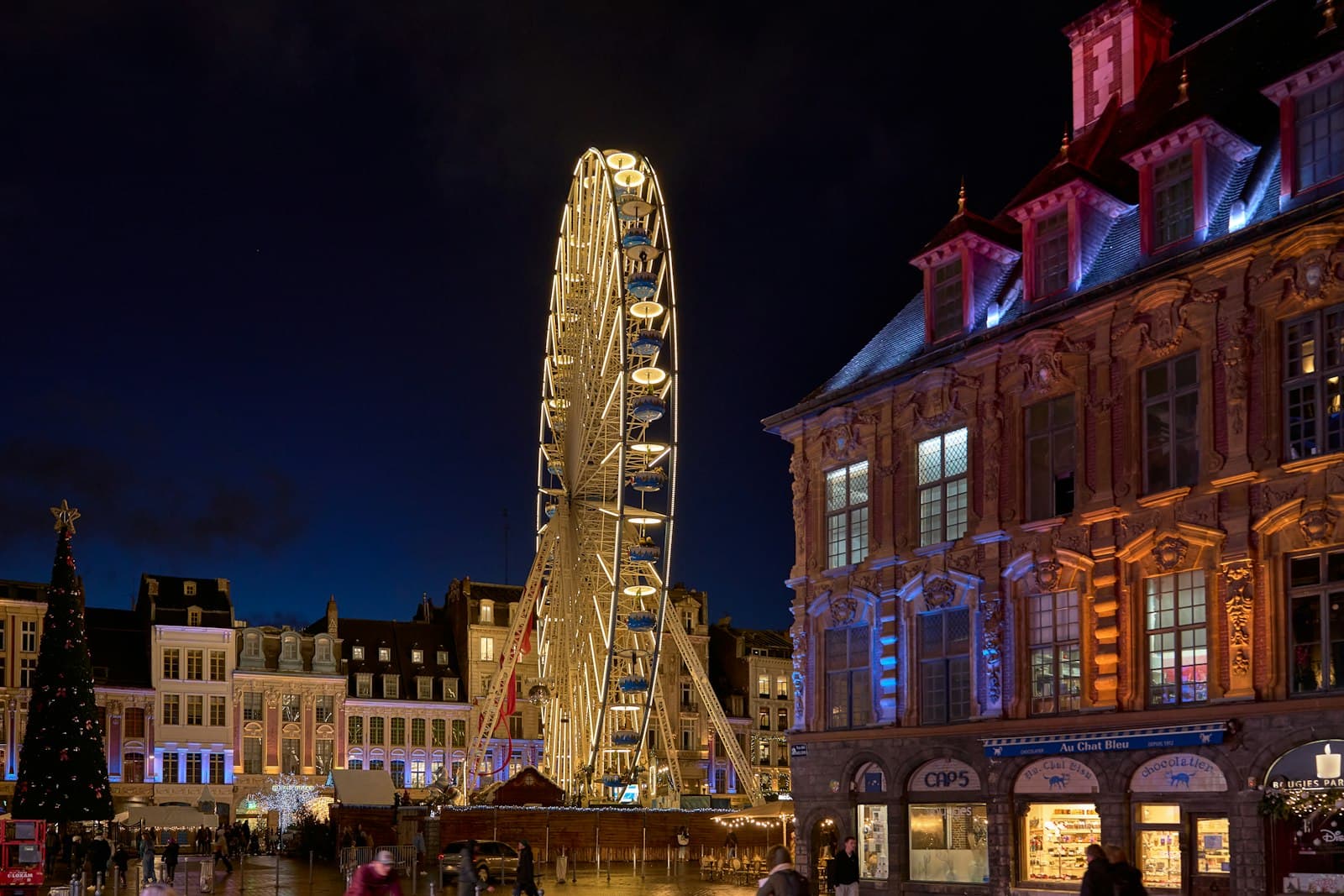
Lille experiences a temperate oceanic climate with warm, humid summers and chilly winters. The ideal times to visit are in May and September, just before and after the peak season. During these months, you'll find pleasant weather, fewer crowds, and favorable hotel rates. Summer (June to August) offers lively festivals and street life, with average temperatures between 18°C and 25°C, though it is the busiest and most expensive period. Early autumn, particularly September, combines good weather with major events like the Braderie de Lille, Europe's largest flea market. Winter, while colder, offers a peaceful atmosphere and the festive Lille Christmas Market in December.

Practical

Lille is a compact and walkable city, making it easy to explore on foot. For longer distances or rainy days, the public transportation system, operated by Ilévia, is efficient and comprehensive. It includes two metro lines, two tram lines, and over 60 bus lines, covering the entire metropolitan area. A single ticket is valid for one hour across all modes of transport. The Lille Métro was the world's first fully automated, driverless light rail system.

Lille has two main train stations in the city center, about 500 meters apart: Lille-Europe and Lille-Flandres. Lille-Europe serves high-speed international trains like Thalys, Eurostar (connecting to London and Brussels), and TGV. Lille-Flandres handles regional (TER) and TGV trains to other French cities. Lille-Lesquin International Airport is located 15 minutes from the city center, with a shuttle service available. If driving, be aware that Lille is part of France's Low Emission Mobility Zone scheme, and a Crit'Air sticker may be required for your vehicle.

Good to know
What is Lille known for?
Lille is known for its unique blend of French and Flemish culture and architecture, its student population, its culinary scene, and as a major European crossroads. It's also home to the largest flea market in Europe, the Braderie de Lille.
What are some traditional dishes to try in Lille?
Lille's cuisine reflects its Flemish influence, with hearty and flavorful dishes. Specialties include Moules-Frites (mussels and fries), Carbonade Flamande (beef stew cooked in beer), Le Welsh (bread soaked in beer, topped with ham and melted cheese), Potjevleesch (a terrine of white meats in jelly), and Maroilles cheese, often used in Tarte au Maroilles.
Is Lille a good city for art lovers?
Absolutely. Lille offers a significant art scene, with the Palais des Beaux-Arts being one of France's largest fine arts museums. The city also features contemporary art spaces like the Tripostal and the transformed Saint-Sauveur train station. La Piscine Museum in Roubaix, a short tram ride away, is another unique art and industry museum housed in a former Art Deco swimming pool.
What is the Braderie de Lille?
The Braderie de Lille is Europe's largest flea market, held annually on the first weekend of September. It transforms the entire city into a massive open-air market with thousands of exhibitors, live music, and a festive atmosphere.
How many days should I spend in Lille?
Two to three days is often considered the ideal amount of time to experience Lille. This allows for exploring Vieux-Lille, visiting a museum or two, enjoying the local cuisine, and soaking in the city's atmosphere. If you plan a day trip to nearby Roubaix or Ghent, consider adding an extra day.
Who are some famous people from Lille?
Lille is the birthplace of several notable figures, including Charles de Gaulle, former French President and military leader. Other famous individuals include physicist Jean Baptiste Perrin, painter Émile Bernard, and various athletes and artists.
Lille
From€9.00
No booking · activate anytime · 12h to walk it
Get the key to Lille