Unter dem Kloster San Francisco
Tief unter den geschäftigen Straßen Limas bleibt eine unheimliche, stille Stadt erhalten.
Die ganze Geschichte wird in der Tour freigeschaltet
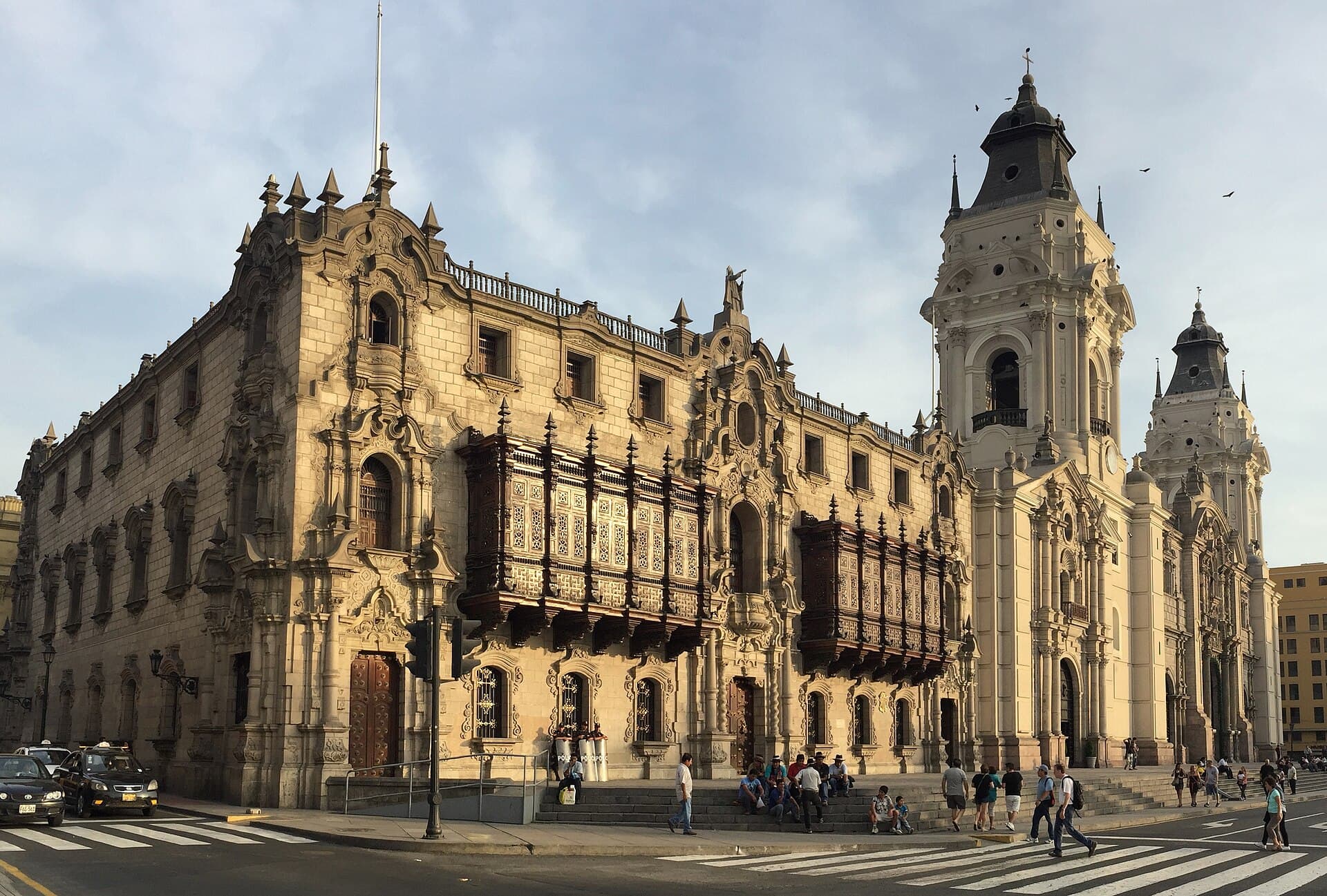 David Felipe Ruiz Hoyos / CC BY-SA 4.0, via Wikimedia Commons
Selbstgeführte Audio-Walking-Tour durch Lima — GPS-Route, Offline-Wiedergabe, erzählerische Narration in 32 Sprachen.
“Lima: Wo alte Echos auf ein modernes kulinarisches Gebrüll treffen.”
Nicht die Postkarten. Die Geschichten, die selbst Einheimische nicht kennen – dir ins Ohr geflüstert, genau dort, wo sie geschahen.
Tief unter den geschäftigen Straßen Limas bleibt eine unheimliche, stille Stadt erhalten.
Obwohl Lima eine Wüstenstadt ist, pflegt sie eine Surfkultur, die ihrer modernen Form vorausgeht.
Diese historische Fußgängerzone, gesäumt von prächtiger Kolonialarchitektur, birgt ein Einzelhandelsgeheimnis, das Sie überraschen könnte.
Entdecke jedes Geheimnis von Lima
Jede Adresse, jede Enthüllung vollständig – in deinem Ohr, genau dort, wo es geschah.
Du wählst deine Stationen. Du gehst. Die Stimme enthüllt, was andere übersehen.


Deine selbstgeführte Audio-Tour durch Lima ist bereit – wähle deine Sehenswürdigkeiten, deine Sprache und starte, sobald du ankommst.
KaufenLume enthält einen integrierten Augmented-Reality-Guide. Halten Sie Ihr Handy hoch: Die Kamera zeigt die Straße vor Ihnen, mit einem leuchtenden Pfeil über dem echten Bild, der immer auf Ihren nächsten Stopp zeigt — keine Karte zum Rätseln, keine falschen Abzweigungen. Wie alles bei Lume funktioniert es komplett offline.
Lima, die weitläufige Hauptstadt Perus, ist eine Stadt der faszinierenden Kontraste, wo alte Geschichte auf einen dynamischen, modernen Puls trifft. Sie ist die einzige südamerikanische Hauptstadt, die direkt am Pazifischen Ozean liegt und dramatische Klippenansichten sowie ein einzigartiges Küstenwüstenklima bietet. Oft als Tor nach Machu Picchu angesehen, ist Lima ein Reiseziel für sich, bekannt für seine erstklassige Küche, sein beständiges kulturelles Erbe und seine energiegeladene Stadtlandschaft.
Mit über 10 Millionen Einwohnern ist Lima eine der größten Städte Südamerikas, ein wahrer Schmelztiegel indigener, spanischer, afrikanischer, chinesischer und japanischer Einflüsse, die sich in seiner Architektur, seinen Festen und besonders in seinem Essen widerspiegeln. Vom historischen Zentrum, einem UNESCO-Weltkulturerbe, über das Künstlerviertel Barranco bis zum mondänen Miraflores lädt Lima zur Erkundung jenseits der üblichen Touristenpfade ein.
Die Geschichte des Landes, das Lima einnimmt, reicht Jahrtausende zurück, lange bevor die Spanier ankamen. Prä-Inka-Siedlungen blühten in den Flusställdern von Rímac, Chillón und Lurín, insbesondere die Lima-Kultur (200 v. Chr. – 600 n. Chr.) und später die Ichma-Kultur, die beeindruckende archäologische Stätten wie Pachacamac und Huaca Pucllana hinterließen. Diese alten Kulturen entwickelten ausgeklügelte Bewässerungssysteme, von denen viele noch heute in Gebrauch sind und das Leben in dieser Küstenwüste ermöglichen.
Der spanische Konquistador Francisco Pizarro gründete Lima am 18. Januar 1535 und nannte sie ursprünglich Ciudad de los Reyes oder 'Stadt der Könige' zu Ehren der christlichen Epiphanie. Der Name Lima wurde jedoch schnell populärer und soll vom nahegelegenen Fluss Rímac abgeleitet sein. Die Stadt gewann schnell an Bedeutung, wurde zur Hauptstadt des Vizekönigreichs Peru und zum wichtigsten spanischen Kolonialzentrum in Südamerika. Sie diente als Drehscheibe für ein ausgedehntes Handelsnetzwerk, leitete peruanisches Silber durch den Hafen von Callao und tauschte es gegen Waren aus ganz Amerika, Europa und dem Fernen Osten.
Während der Kolonialzeit erlebte Lima bedeutende architektonische Entwicklungen mit dem Bau prächtiger Bauwerke wie der Kathedrale von Lima, dem Kloster San Francisco und dem Torre Tagle Palast. Die Stadt wurde auch zu einem kulturellen und intellektuellen Zentrum, Heimat der Universität San Marcos, gegründet 1551, einer der ältesten akademischen Einrichtungen Amerikas. Trotz Herausforderungen durch Erdbeben und Piratenbedrohungen behielt Lima bis Mitte des 18. Jahrhunderts seinen Status, als sein Einfluss zu schwinden begann. Peru erklärte 1821 in Lima seine Unabhängigkeit, und die Stadt wurde die Hauptstadt der neuen Republik. Die Stadt entwickelte sich weiter und erlebte Phasen des Wirtschaftswachstums und der Stadterneuerung, auch nachdem sie während des Salpeterkriegs (1879-1884) von chilenischen Truppen besetzt worden war. 1991 wurde das historische Zentrum von Lima zum UNESCO-Weltkulturerbe erklärt, was sein anhaltendes koloniales Erbe und seine architektonische Bedeutung würdigt.
Beginnen Sie Ihre Erkundung im Historischen Zentrum, einem UNESCO-Weltkulturerbe. Die Plaza de Armas (Plaza Mayor) ist das historische Herz der Stadt, umgeben von bedeutenden Kolonialgebäuden wie der Kathedrale von Lima, dem Regierungspalast und dem Erzbischöflichen Palast. Ein kurzer Spaziergang führt zum Kloster San Francisco, bekannt für seine Katakomben, ein unterirdisches Labyrinth, gefüllt mit menschlichen Knochen. Verpassen Sie nicht den Magic Water Circuit im Parque de la Reserva, eine spektakuläre Inszenierung choreografierter Brunnen und Lichtshows, besonders faszinierend am Abend.
Für einen Eindruck vom alten Peru besuchen Sie Huaca Pucllana, eine Adobe-Pyramide in Miraflores, oder die größeren Pachacamac-Ruinen etwas außerhalb der Stadt, ein wichtiges präkolumbianisches religiöses Zentrum. Spazieren Sie entlang des Malecón in Miraflores, einer Klippenpromenade mit weitem Blick auf den Pazifischen Ozean, Parks und öffentliche Kunst, einschließlich des ikonischen El Parque del Amor. Weiter geht es in das Künstlerviertel Barranco, bekannt für seine farbenfrohen Wandgemälde, Kunstgalerien, Cafés und die malerische Puente de los Suspiros (Seufzerbrücke). Für ein authentisches lokales Erlebnis erkunden Sie den Magdalena Markt für frische Produkte und lokale Aromen. Das Larco Museum beherbergt eine umfangreiche Sammlung präkolumbianischer Kunst und Artefakte in einem Herrenhaus aus dem 18. Jahrhundert.
Lima hat zwei ausgeprägte Jahreszeiten: Sommer (Dezember bis April) und Winter (Mai bis November). Der Sommer bringt warme, sonnige Tage mit klarem Himmel und Temperaturen zwischen 25°C und 30°C, ideal für Strände und Outdoor-Aktivitäten. Der Winter ist geprägt von kühleren Temperaturen (13°C–18°C) und einem anhaltenden, feuchten Nebel, bekannt als garúa, mit wenig bis gar keinem Regen. Während der Nebel die Sicht auf den Ozean beeinträchtigen kann, ist das milde Winterwetter hervorragend geeignet, um Museen zu erkunden und die kulinarische Szene der Stadt zu genießen. Die Übergangszeiten (April–Mai und September–November) bieten eine gute Mischung aus mildem Wetter und weniger Andrang.
Lima ist eine weitläufige Stadt, daher kann die Planung Ihrer Reiseroute durch Bündelung von Aktivitäten in bestimmten Vierteln die Reisezeit minimieren. Miraflores, Barranco und das historische Zentrum gelten im Allgemeinen als sicher für Touristen. Uber und Cabify werden für zuverlässige Transporte empfohlen, da unmarkierte Taxis Risiken bergen können. Die lokale Währung ist der Nuevo Sol; obwohl US-Dollar in einigen Touristengebieten akzeptiert werden, ist es ratsam, Soles für kleinere Einkäufe und Märkte mitzuführen. Grundlegende Spanischkenntnisse sind hilfreich, besonders außerhalb der touristischen Gebiete. Ceviche, das Nationalgericht Perus, ist traditionell ein Mittagsgericht, das am besten mit frisch am Morgen gefangenem Fisch genossen wird. Trinkgeld von etwa 10 % für guten Service ist üblich.
Lima — Koreanisch, Chinesisch, Hebräisch und 29 weitere Sprachen, jede Station von einer muttersprachlichen Stimme erzählt. Die größte Sprachauswahl aller selbstgeführten Audiotouren.
Verfügbar auf: