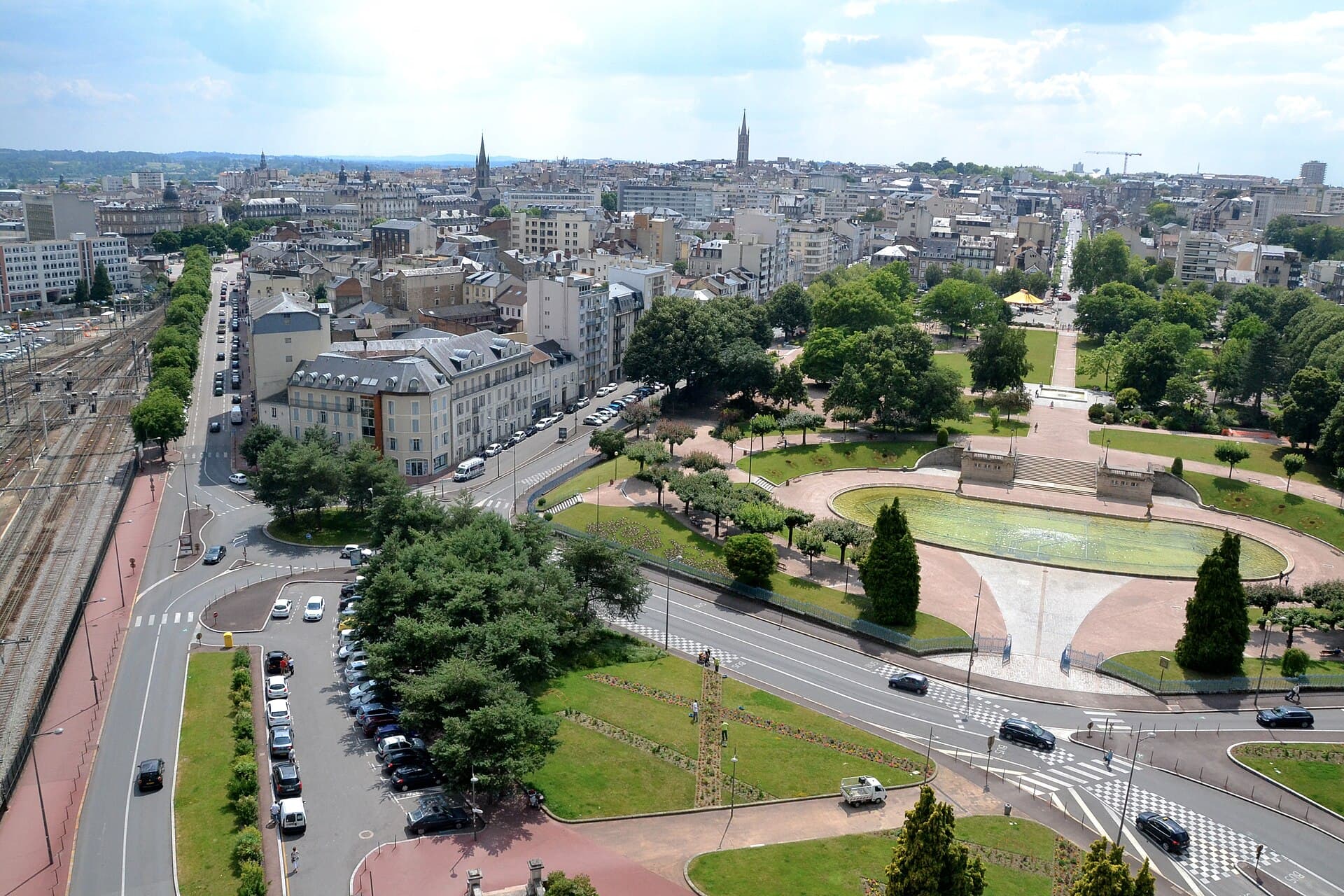
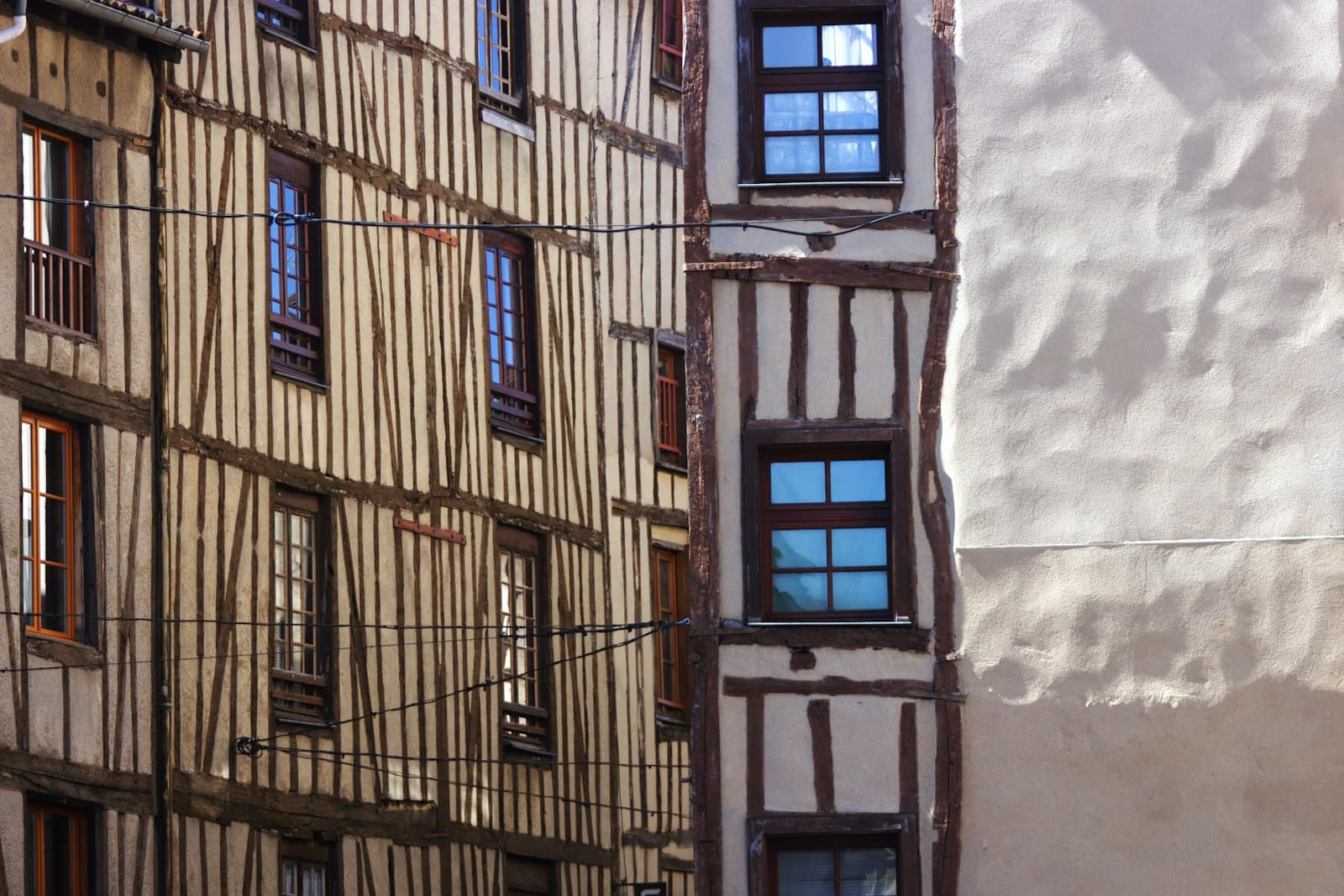
Limoges, FranceBabsy / CC BY-SA 3.0, via Wikimedia Commons
FR

Limoges

Where ancient craft meets the pulse of urban existence.

The secrets of Limoges

Limoges, as no one tells it.

Not the postcards. The stories even locals don't know — whispered in your ear, right where they happened.

3 secrets below. Many more wait inside the tour.
Gare de Limoges-Bénédictins

The grand Limoges-Bénédictins train station, with its soaring clock tower and intricate details, stands as a marvel of early 20th-century architecture. Yet, it conceals a secret about its very foundations.

Full story unlocks in the tour
Limoges Cathedral (Cathédrale Saint-Étienne)

Limoges Cathedral is a testament to centuries of architectural ambition, a Gothic masterpiece that required over 600 years to complete. Still, beneath its grand exterior lies a much older, almost forgotten, layer of history.

Full story unlocks in the tour
Rue de la Boucherie

Strolling through the Quartier de la Boucherie, with its appealing half-timbered houses, evokes a journey into the past. This evocative street, named for its historical inhabitants, holds a surprising connection to the city's former power structures.

Full story unlocks in the tour
The full tour

Discover every secret of Limoges

Every address, every reveal in full — in your ear, right where it happened.

Get the key to Limoges

You pick your stops. You walk. The voice reveals what the others miss.

Choose your time

How long do you have in Limoges?

No tours available yet. Check back soon — we're preparing them.

About Limoges

The story of Limoges

Limoges, a city in west-central France, is celebrated for its enduring legacy of porcelain manufacturing. The city's identity is deeply intertwined with this delicate art form, with workshops and museums dedicated to its creation and display. Beyond its artistic contributions, Limoges offers a compelling blend of medieval charm and contemporary life, evident in its architecture and bustling markets.

Walk through the old quarter, where timber-framed houses lean into narrow lanes, and discover the city's spiritual heart in its grand cathedral. The Vienne River flows gently by, offering tranquil riverside walks and framing the city's contours. Limoges invites visitors to explore its layers, from ancient Roman foundations to the elegance of its Art Deco train station.

History

## From Roman Foundations to Medieval Power Limoges' origins stretch back to Roman times, founded as Augustoritum by Emperor Augustus around 10 BC. It grew into a significant Roman city, with evidence of an amphitheater, baths, and a forum still discoverable beneath its modern streets. The city's strategic location along trade routes contributed to its early prosperity.

## The Rise of the Bishops and Dukes During the Middle Ages, Limoges became a powerful ecclesiastical center. The construction of Saint-Étienne Cathedral began in the 13th century, a project that would span centuries and showcase evolving Gothic styles. The city was also a stronghold for the Dukes of Aquitaine, leading to periods of both stability and conflict. The Hundred Years' War left its mark, with the city experiencing sieges and changes of allegiance.

## The Porcelain Legacy The discovery of kaolin clay in the nearby Saint-Yrieix-la-Perche region in the late 18th century irrevocably changed Limoges' destiny. This discovery provided the essential ingredient for hard-paste porcelain, leading to the establishment of numerous porcelain factories. Limoges quickly became the European capital of porcelain production, attracting skilled artisans and developing unique styles. The city's name became synonymous with fine china, a reputation it maintains to this day. The industrial revolution further cemented its status, bringing new technologies and expanding its global reach.

## Modern Limoges In more recent centuries, Limoges has continued to evolve. While porcelain remains a cornerstone of its identity, the city has diversified its economy and embraced its role as a regional hub. Today, it balances its reverence for the past with a forward-looking perspective, offering cultural institutions, educational centers, and a lively urban atmosphere. The city's resilience and capacity for reinvention are evident in its preserved heritage and ongoing development.

What to see

Begin your exploration at the Cathédrale Saint-Étienne de Limoges, a magnificent Gothic structure whose construction spanned centuries, revealing a fascinating blend of architectural styles. Close by, the Jardins de l'Évêché offer terraced gardens with views over the Vienne River and the city.

Delve into the city's most famous craft at the Musée National Adrien Dubouché, home to an extensive collection of Limoges porcelain, tracing its history from raw materials to finished masterpieces. For a glimpse into medieval life, wander through the Quartier de la Boucherie, where timber-framed houses line narrow passages, and visit the Maison Traditionnelle de la Boucherie.

Do not miss the Gare de Limoges-Bénédictins, an architectural marvel from the early 20th century, celebrated for its impressive dome and clock tower. For a moment of tranquility, stroll along the Pont Saint-Étienne, an ancient bridge offering scenic river views.

When to visit

The spring and autumn months offer the most pleasant conditions for visiting Limoges. From April to June, the city awakens with blooming gardens and comfortable temperatures, ideal for walking and outdoor dining. September and October bring crisp air and fewer crowds, alongside the gentle hues of changing foliage. Summers are warm and can be busy, while winters are cooler and quieter, with some attractions operating on reduced schedules.

Practical

Limoges is well-connected by train, with the Gare de Limoges-Bénédictins serving as a central hub. The city center is compact and easily navigable on foot, allowing for a leisurely pace of discovery. Public transport, including buses, provides access to areas further afield. Consider purchasing a Limoges City Pass for discounts on museums and attractions. Many establishments accept major credit cards, but having some euros for smaller purchases or markets is advisable. The local dialect is French, though English is understood in tourist-oriented areas.

Good to know
What is Limoges most known for?
Limoges is globally recognized for its exquisite porcelain, a tradition that began in the late 18th century with the discovery of kaolin clay nearby. The city's name is synonymous with fine china.
Are there any specific porcelain workshops I can visit?
Yes, several workshops and factories in and around Limoges offer tours and demonstrations, allowing visitors to see the porcelain-making process firsthand. The Musée National Adrien Dubouché also provides extensive information on its history.
What kind of local cuisine should I try in Limoges?
Beyond its famous porcelain, Limoges offers delightful regional dishes. Look for Limousin beef, a local specialty, and try clafoutis, a traditional cherry dessert. Local markets provide fresh produce and regional cheeses.
Is Limoges a walkable city?
The historic core of Limoges is very walkable, with many key attractions within easy reach of each other. Comfortable shoes are recommended for exploring the old quarter's charming, sometimes uneven, streets.
What is the best way to get around Limoges?
Walking is ideal for the city center. For longer distances, Limoges has an efficient bus network. Taxis are also available, and car rental is an option for exploring the wider Limousin region.
Are there any annual events or festivals in Limoges?
Limoges hosts various events throughout the year. The Frairie des Petits Ventres, a medieval-themed food festival, takes place in October. There are also porcelain-related exhibitions and cultural festivals, particularly in the warmer months.
Limoges
From€9.00
No booking · activate anytime · 12h to walk it
Get the key to Limoges