Nationales Pantheon (Kirche Santa Engrácia)
Die prächtige Kuppel dieser Kirche, ein Wahrzeichen Lissabons, benötigte eine außergewöhnlich lange Zeit für ihre Fertigstellung.
Die ganze Geschichte wird in der Tour freigeschaltet
 Vitor Oliveira from Torres Vedras, PORTUGAL / CC BY-SA 2.0, via Wikimedia Commons
Selbstgeführte Audio-Walking-Tour durch Lissabon — GPS-Route, Offline-Wiedergabe, erzählerische Narration in 32 Sprachen.
“Lissabon: Alte Hügel, Echos des Fado und neue Entdeckungen.”
Nicht die Postkarten. Die Geschichten, die selbst Einheimische nicht kennen – dir ins Ohr geflüstert, genau dort, wo sie geschahen.
Die prächtige Kuppel dieser Kirche, ein Wahrzeichen Lissabons, benötigte eine außergewöhnlich lange Zeit für ihre Fertigstellung.
Eine Buchhandlung in Lissabon ist so kompakt, dass man vielleicht draußen warten muss, bis ein anderer Kunde geht.
Das offizielle Stadtwappen zeigt zwei Vögel, die ein Schiff führen, eine Anspielung auf eine mittelalterliche Legende.
Entdecke jedes Geheimnis von Lissabon
Jede Adresse, jede Enthüllung vollständig – in deinem Ohr, genau dort, wo es geschah.
Du wählst deine Stationen. Du gehst. Die Stimme enthüllt, was andere übersehen.
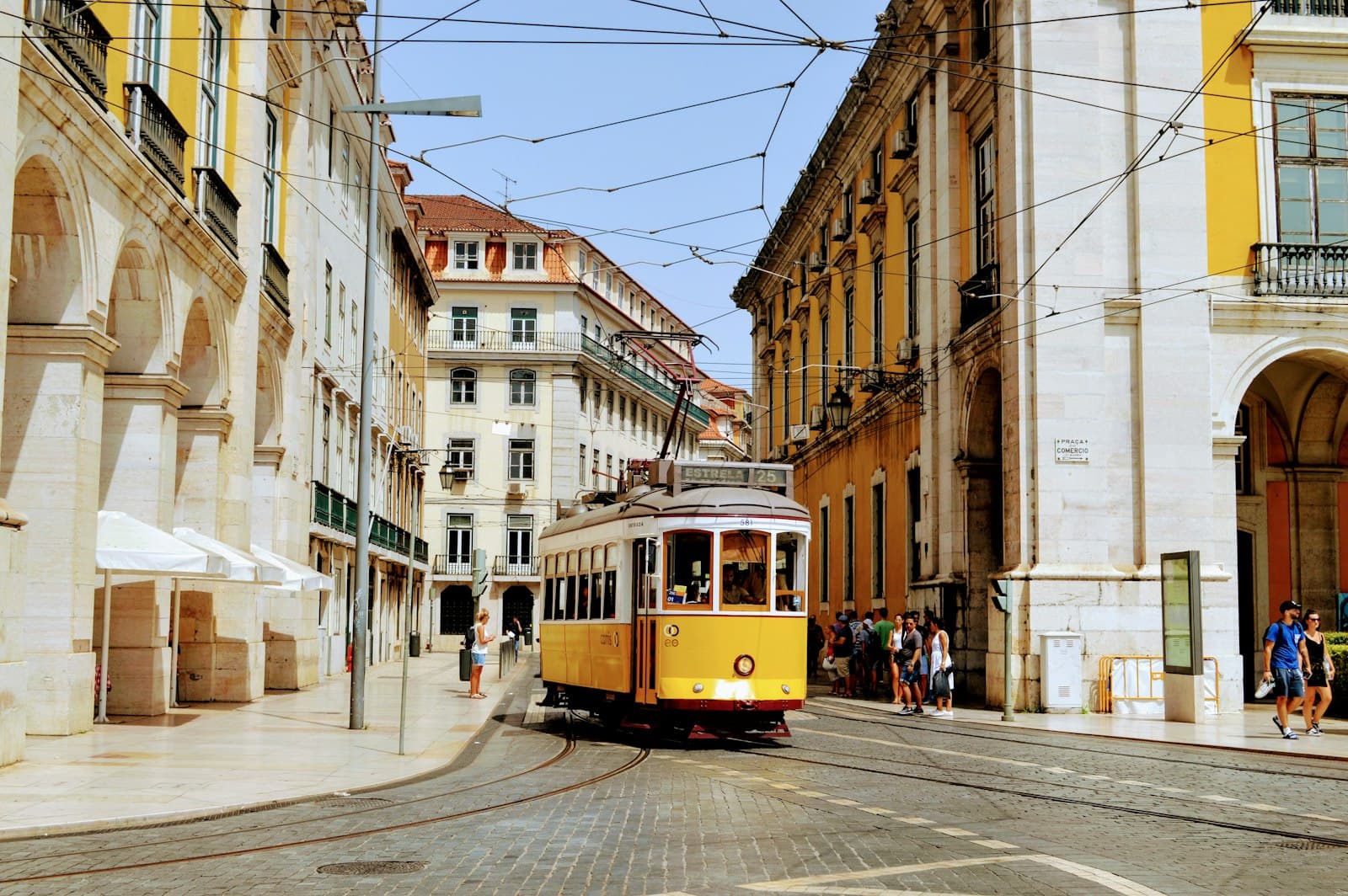
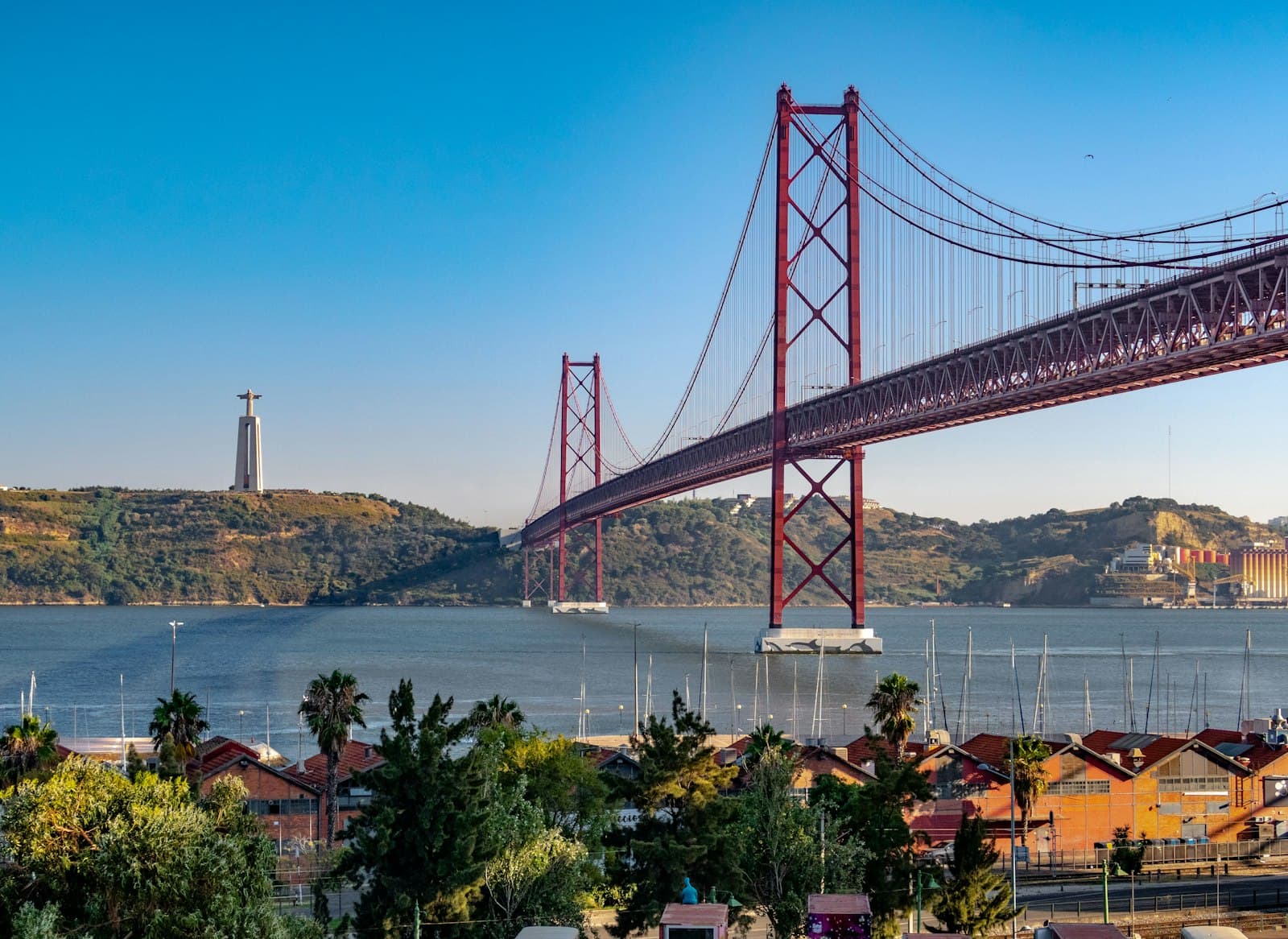
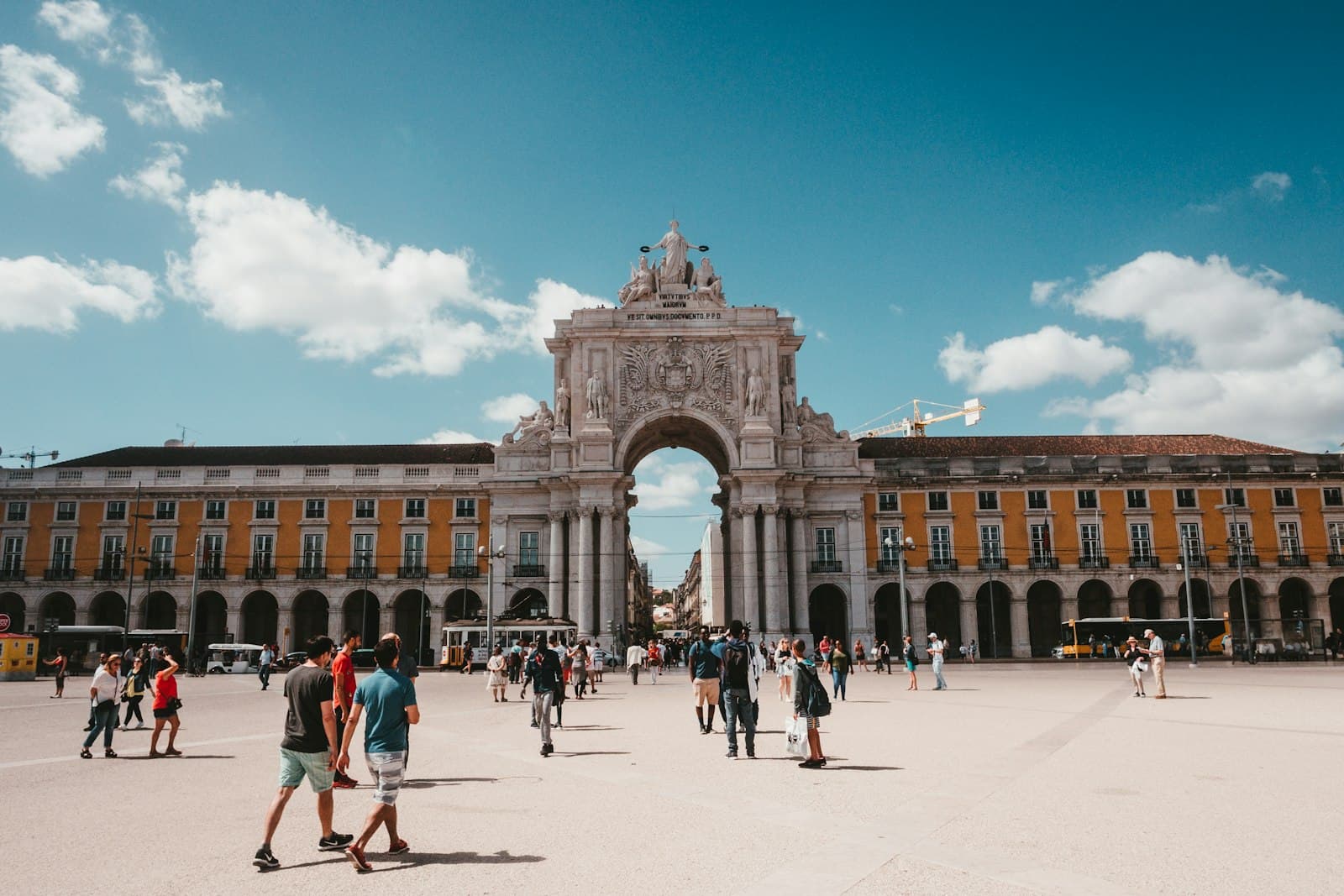
Deine selbstgeführte Audio-Tour durch Lissabon ist bereit – wähle deine Sehenswürdigkeiten, deine Sprache und starte, sobald du ankommst.
KaufenLume enthält einen integrierten Augmented-Reality-Guide. Halten Sie Ihr Handy hoch: Die Kamera zeigt die Straße vor Ihnen, mit einem leuchtenden Pfeil über dem echten Bild, der immer auf Ihren nächsten Stopp zeigt — keine Karte zum Rätseln, keine falschen Abzweigungen. Wie alles bei Lume funktioniert es komplett offline.
Lissabon, Portugals Hauptstadt, ist eine Stadt, in der alte Fundamente auf einen zeitgenössischen Geist treffen. An der Westspitze der Iberischen Halbinsel gelegen, wo der Tejo in den Atlantik mündet, ist sie eine der ältesten Städte der Welt und datiert viele andere europäische Hauptstädte um Jahrhunderte voraus. Lissabon ist bekannt für sein hügeliges Terrain, seine historischen Straßenbahnen und eine unverwechselbare Mischung aus architektonischen Stilen, von römischen und maurischen Einflüssen bis hin zur kunstvollen Manuelinik.
Diese faszinierende Stadt bietet ein abwechslungsreiches Erlebnis, egal ob Sie ihre tiefgreifende Vergangenheit, ihr lebhaftes Nachtleben oder ihr außergewöhnliches Essen und Wein suchen. Lissabons entspannte Atmosphäre und sein tiefes Erbe zeigen sich in seinen verwinkelten Gassen und historischen Vierteln wie Alfama, während ein Strom moderner Energie durch seine kreativen Viertel und seine blühende Restaurantszene fließt. Mit seinem milden Klima und fast 300 Sonnentagen im Jahr ist Lissabon eine einladende Wahl für kulturelle Erkundungen, einen lebendigen Städtetrip oder als Ausgangspunkt für Ausflüge an die Küste.
Lissabons Geschichte erstreckt sich über mehr als 20 Jahrhunderte und macht es zu einer der ältesten Städte Westeuropas. Das Gebiet wurde erstmals von indigenen Iberern und Kelten besiedelt, und Phönizier errichteten um 800–600 v. Chr. Handelsniederlassungen und nannten es Alis Ubbo, was „sicherer Hafen“ bedeutet. Die Stadt erlebte später griechischen und karthagischen Einfluss, bevor sie 205 v. Chr. von den Römern erobert wurde, die sie Olisipo nannten.
Nach dem Niedergang des Römischen Reiches wurde Lissabon im 5. Jahrhundert von einer Reihe germanischer Stämme regiert, darunter die Vandalen, Alanen und Westgoten. Im Jahr 711 n. Chr. fielen die islamischen Mauren in die Iberische Halbinsel ein und eroberten Lissabon, das sie al-Usbuma nannten. Die maurische Herrschaft dauerte Jahrhunderte und hinterließ tiefe Spuren in der Architektur und Kultur der Stadt.
Christliche Streitkräfte unter der Führung von Afonso I. eroberten Lissabon 1147 mit Unterstützung des Zweiten Kreuzzugs zurück. Im Jahr 1255 verlegte Afonso III. die portugiesische Hauptstadt von Coimbra nach Lissabon und erkannte dessen zentrale Lage und ausgezeichneten Hafen an. Dies markierte ein neues Kapitel für Lissabon, das als Zentrum für maritime Expansion und Handel florierte.
Das 15. und 16. Jahrhundert stellten Lissabons „goldenes Zeitalter“ dar, als es zum Herzen des portugiesischen Zeitalters der Entdeckungen wurde. Expeditionen, darunter die Reise von Vasco da Gama nach Indien im Jahr 1498, brachen von Lissabon auf und brachten immensen Reichtum aus dem Handel mit Gewürzen, versklavten Menschen, Zucker und Textilien. In dieser Zeit entwickelte sich der manuelinische Architekturstil, der sich im Hieronymuskloster und im Turm von Belém widerspiegelt, beides UNESCO-Weltkulturerbestätten.
Der Wohlstand der Stadt wurde durch das Große Erdbeben von 1755 abrupt unterbrochen, das zusammen mit anschließenden Bränden und einem Tsunami große Teile Lissabons verwüstete und Zehntausende von Todesopfern forderte. Die Stadt wurde unter der Leitung des Marquês de Pombal sorgfältig wieder aufgebaut, der innovative erdbebensichere Baumethoden einführte. Diese Wiederaufbaubemühungen schufen den gitterförmig angelegten Stadtteil Baixa, ein Zeugnis der Stadtplanung der Aufklärung.
Im 20. Jahrhundert war Lissabon Schauplatz dreier Revolutionen, darunter die Revolution von 1910, die die portugiesische Monarchie beendete, und die Revolution von 1926, die den Estado Novo begründete. In jüngerer Zeit war Lissabon Gastgeber bedeutender internationaler Veranstaltungen wie der Kulturhauptstadt Europas 1994 und der Expo '98, die zu erheblichen Verbesserungen seiner Verkehrsinfrastruktur führten, einschließlich der Vasco-da-Gama-Brücke.
Beginnen Sie Ihre Erkundung im Viertel Alfama, Lissabons ältestem Viertel, mit seinen labyrinthartigen mittelalterlichen Gassen und Fado-Häusern. Schlendern Sie durch die steingepflasterten Straßen und entdecken Sie Aussichtspunkte wie den Miradouro de Santa Luzia mit weitem Blick auf die Tejo-Mündung. Das Castelo de São Jorge, eine maurische Burg, bietet einen atemberaubenden Blick über die Stadt und ihre vielen Terrakotta-Dächer.
Bewundern Sie im Viertel Belém zwei UNESCO-Weltkulturerbestätten: das Hieronymuskloster und den Turm von Belém. Das Kloster ist ein Paradebeispiel manuelinischer Architektur, während der Turm aus dem 16. Jahrhundert einst den Hafen der Stadt bewachte. Probieren Sie unbedingt ein traditionelles Pastel de Nata bei Pastéis de Belém.
Erleben Sie Lissabons charakteristische Straßenbahnen, insbesondere die historische Tram 28, die durch viele der historischen Viertel der Stadt fährt. Für eine andere Perspektive sollten Sie eine Bootsfahrt bei Sonnenuntergang auf dem Tejo in Betracht ziehen. Für einen Tagesausflug ist die bezaubernde Stadt Sintra mit ihren märchenhaften Burgen und Palästen nur eine kurze Zugfahrt entfernt, ebenso wie die Küstenstadt Cascais und das Cabo da Roca, der westlichste Punkt Kontinentaleuropas.
Die angenehmsten Zeiten für einen Besuch in Lissabon sind im Frühling (März bis Mai) und im frühen Herbst (September bis Oktober). In diesen Nebensaisons ist das Wetter angenehm warm und sonnig, mit durchschnittlichen Tagestemperaturen zwischen 20 °C und 27 °C, und es gibt weniger Besucher als in den Sommermonaten. Der Frühling bringt blühende Jacarandabäume und eine lebhafte Atmosphäre, während der frühe Herbst warmes Wetter für Erkundungen und Outdoor-Aktivitäten bietet, oft mit niedrigeren Unterkunftspreisen. Der Sommer (Juni bis August) ist die geschäftigste und wärmste Zeit mit Temperaturen von 28 °C und manchmal 35 °C, was Besucher an die Strände und Festivals der Stadt zieht. Selbst im Winter (November bis Februar) bietet Lissabon mehr Sonnenschein als viele andere europäische Städte, mit Möglichkeiten für preisbewusste Reisende.
Das öffentliche Nahverkehrssystem Lissabons ist umfangreich und effektiv und umfasst U-Bahnen, Straßenbahnen, Busse, Standseilbahnen und Fähren. Die Viva Viagem-Karte (auch bekannt als 7 Colinas Card oder Navegante Ocasional) ist eine wiederaufladbare Smartcard, die die wirtschaftlichste Art zu reisen ermöglicht und reibungslose Umstiege zwischen verschiedenen Verkehrsmitteln erlaubt. Fahrkarten können an U-Bahn-Stationen, Automaten und autorisierten Verkaufsstellen erworben werden. Die U-Bahn verkehrt täglich von 6:30 bis 1:00 Uhr. Taxis und Fahrdienste wie Uber sind ebenfalls leicht verfügbar und im Allgemeinen erschwinglich.
Die offizielle Währung in Lissabon und in ganz Portugal ist der Euro (€). Geldautomaten (genannt 'multibanco') sind weit verbreitet, mit Anleitungen in englischer Sprache. Obwohl Portugiesisch die Amtssprache ist, wird Englisch weithin verstanden, insbesondere im Tourismussektor, sodass Sprachschwierigkeiten für Besucher wahrscheinlich kein großes Problem darstellen. Es ist jedoch immer willkommen, ein paar grundlegende portugiesische Sätze wie 'Olá' (Hallo), 'Bom dia' (Guten Morgen), 'Por favor' (Bitte) und 'Obrigado/Obrigada' (Danke) zu lernen.
Lissabon — Koreanisch, Chinesisch, Hebräisch und 29 weitere Sprachen, jede Station von einer muttersprachlichen Stimme erzählt. Die größte Sprachauswahl aller selbstgeführten Audiotouren.
Verfügbar auf: