Basílica de Sainte-Thérèse
A imponente Basílica de Sainte-Thérèse, um farol no horizonte de Lisieux, guarda um segredo de sobrevivência em tempos de guerra.
História completa desbloqueada no tour
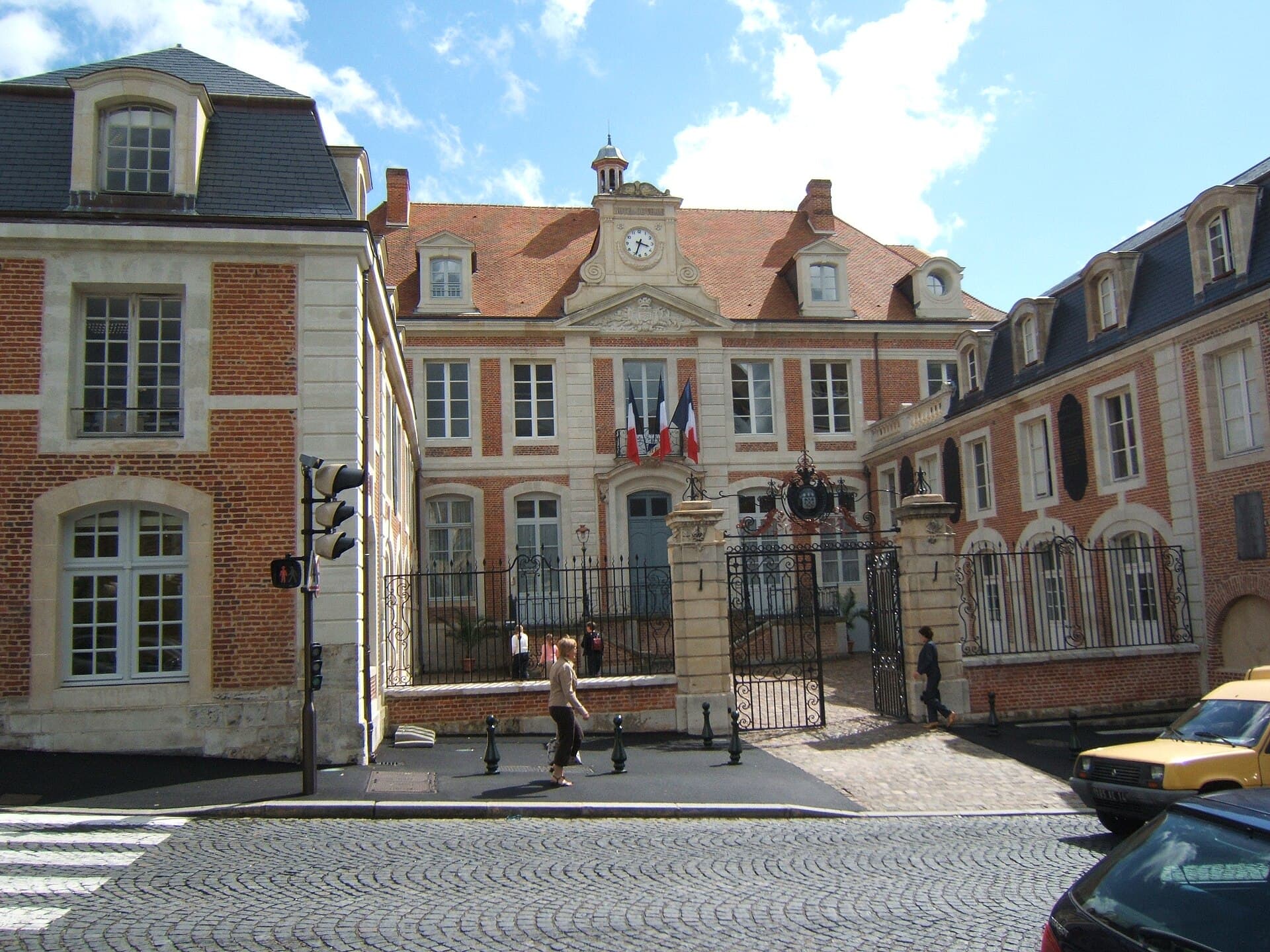 Rundvald / Public domain, via Wikimedia Commons
Tour de áudio autoguiado por Lisieux — rota GPS a pé, reprodução offline, narração envolvente em 32 idiomas.
“Em Lisieux, uma tranquila cidade normanda, devoção e resiliência se entrelaçam, revelando histórias além do visível.”
Não os postais. As histórias que nem os locais conhecem — sussurradas ao seu ouvido, exatamente onde aconteceram.
A imponente Basílica de Sainte-Thérèse, um farol no horizonte de Lisieux, guarda um segredo de sobrevivência em tempos de guerra.
Dentro das paredes serenas do Carmelo de Lisieux, onde Santa Teresinha viveu, há um aspecto menos conhecido da vida diária das freiras.
A Catedral de Saint-Pierre de Lisieux, uma antiga estrutura gótica, tem uma conexão surpreendente com uma figura histórica conhecida por um julgamento muito diferente.
Descubra cada segredo de Lisieux
Cada endereço, cada revelação na íntegra — no seu ouvido, exatamente onde aconteceu.
Você escolhe as suas paragens. Você caminha. A voz revela o que os outros perdem.

O seu tour áudio autoguiado de Lisieux está pronto — escolha os seus pontos de interesse, selecione o seu idioma e comece no momento em que chegar.
ComprarA Lume inclui um guia de realidade aumentada. Levante o telemóvel: a câmara mostra a rua à sua frente, com uma seta luminosa sobreposta à imagem real que aponta sempre para a sua próxima paragem — sem mapa para decifrar, sem voltas erradas. Como tudo na Lume, funciona totalmente offline.
Lisieux, uma cidade pacífica no coração da região Pays d'Auge da Normandia, é conhecida como o segundo local de peregrinação católica mais importante da França, atraindo centenas de milhares de visitantes anualmente. Sua identidade está profundamente entrelaçada com Santa Teresinha de Lisieux, uma freira carmelita cujo 'Pequeno Caminho' de simplicidade espiritual ressoou globalmente. Além de sua importância espiritual, Lisieux oferece uma mistura de caráter normando, com suas casas em enxaimel sobreviventes e uma paisagem agrícola fértil de pomares de maçã.
A cidade serve como porta de entrada para o Pays d'Auge, uma região celebrada por sua cidra, Calvados (aguardente de maçã) e queijos como Livarot e Pont-l'Évêque. Apesar da destruição significativa durante a Segunda Guerra Mundial, Lisieux foi reconstruída, misturando harmoniosamente a arquitetura do pós-guerra com seus monumentos históricos preservados. Os visitantes podem explorar um rico patrimônio arquitetônico que abrange desde origens galo-romanas até estruturas medievais e edifícios religiosos do século XX.
As origens de Lisieux remontam aos tempos galo-romanos, quando era conhecida como Noviomagus Lexoviorum, em homenagem aos Lexovii, a tribo gaulesa local. Evidências desse passado antigo podem ser encontradas em restos arqueológicos, incluindo um edifício termal e uma residência particular desenterrados perto do Hospital Robert-Bisson. A cidade ganhou proeminência durante a Idade Média, tornando-se uma importante sede episcopal do século VI ao XVIII. A Catedral de Saint-Pierre, do século XII, um notável exemplo da arquitetura gótica primitiva, é um testemunho dessa era e, notavelmente, ofereceu refúgio a Thomas Becket, o Arcebispo exilado de Canterbury, no século XII.
O final do século XIX trouxe um novo capítulo para Lisieux com a chegada de Marie-Françoise Thérèse Martin, mais tarde conhecida como Santa Teresinha de Lisieux. Nascida em Alençon em 1873, Teresinha mudou-se para Lisieux após a morte de sua mãe, quando tinha quatro anos. Aos 15 anos, após superar vários obstáculos, ela entrou no convento carmelita em Lisieux, onde viveu uma vida de profunda humildade e fé até sua morte por tuberculose aos 24 anos em 1897. Sua autobiografia, História de uma Alma, publicada postumamente, tornou-se um best-seller mundial e a impulsionou à santidade em 1925, tornando Lisieux um importante destino de peregrinação. Em 1997, o Papa João Paulo II a declarou Doutora da Igreja, uma honra rara.
Lisieux sofreu imensa devastação durante a Segunda Guerra Mundial. Na noite de 6 a 7 de junho de 1944, os bombardeios aliados, visando os cruciais entroncamentos ferroviário e rodoviário da cidade, destruíram quase 80% da cidade. O bairro histórico, com seus muitos edifícios em enxaimel, foi particularmente afetado, e 819 habitantes morreram. Milagrosamente, a Basílica de Sainte-Thérèse, embora ainda em construção, sofreu apenas danos menores, e sua cripta serviu de abrigo para muitos residentes. Nas décadas seguintes, Lisieux empreendeu um significativo esforço de reconstrução, ressurgindo dos escombros para misturar seus elementos históricos sobreviventes com uma nova e elegante arquitetura do pós-guerra.
Lisieux oferece um itinerário envolvente, começando pela Basílica de Sainte-Thérèse, uma monumental igreja do século XX construída em estilo neobizantino, reminiscente do Sacré-Cœur em Paris. Seu vasto interior, com capacidade para 4.000 pessoas, é adornado com mosaicos deslumbrantes que retratam cenas da vida de Santa Teresinha. Não deixe de visitar a cripta, onde estão sepultados os pais de Santa Teresinha, Santos Luís e Zélia Martin.
Em seguida, visite o Carmelo de Lisieux, o convento onde Santa Teresinha viveu e morreu. Embora as áreas claustrais não sejam abertas ao público, a capela abriga o relicário de Santa Teresinha, e um museu anexo exibe itens pessoais e escritos, oferecendo um vislumbre íntimo de sua vida. Uma curta caminhada leva a Les Buissonnets, a casa de infância de Santa Teresinha, preservada como museu com mobiliário original.
No centro da cidade, explore a Catedral de Saint-Pierre, uma das catedrais góticas mais antigas da Normandia, datada do século XII. Foi aqui que Santa Teresinha frequentou a missa. O Musée d'Art et d'Histoire, instalado em uma casa em enxaimel, exibe arqueologia local, artes decorativas e a história da cidade, incluindo vestígios romanos e cantaria medieval.
Para uma mudança de ritmo, o Château de Saint-Germain-de-Livet, ao sul de Lisieux, é uma pitoresca casa senhorial do século XV e um castelo do século XVI cercados por um fosso e um jardim de pavões. O Cerza Safari Park, a uma curta distância de carro, oferece a oportunidade de ver mais de 1.500 animais selvagens em 80 hectares.
As melhores épocas para visitar Lisieux são a primavera (março a maio) e o início do outono (setembro a outubro). Durante esses períodos, o clima é geralmente agradável, com jardins floridos na primavera e belas folhagens no outono. As temperaturas são confortáveis, com média de 12°C a 25°C no verão e 7°C a 18°C no outono. Embora o verão (junho a agosto) também seja agradável com temperaturas quentes, pode ser mais movimentado devido a turistas e peregrinos. O dia da festa de Santa Teresinha, em 1º de outubro, atrai grandes multidões. O inverno é mais tranquilo e mais adequado para uma visita contemplativa. É aconselhável levar um guarda-chuva ou capa de chuva, independentemente da estação, pois a chuva é frequente durante todo o ano.
Lisieux é bem conectada e de fácil acesso. Trens regulares de Paris Saint-Lazare levam aproximadamente 1 hora e 45 minutos, tornando-a adequada para uma viagem de um dia ou um fim de semana. A cidade também é acessível de carro pelas estradas D613 e D579, com boas conexões de Caen (45 minutos) e Deauville (35 minutos). Vários estacionamentos gratuitos e pagos estão disponíveis, especialmente perto da Basílica e da estação de trem, embora o estacionamento possa ser movimentado durante os principais eventos de peregrinação.
Lisieux oferece uma variedade de opções gastronômicas, desde restaurantes normandos tradicionais que servem especialidades locais como Camembert e molhos cremosos, até creperias e bistrôs. Não perca a oportunidade de provar a cidra local e o Calvados. O centro da cidade possui lojas independentes, confeitarias e lojas de artigos religiosos. Mercados semanais, especialmente aos sábados, são excelentes para encontrar produtos regionais, queijos e charcutaria.
Lisieux — coreano, chinês, hebraico e mais 29 idiomas, cada parada narrada por uma voz nativa. A maior variedade de idiomas entre os passeios de áudio autoguiados.
Disponível em: