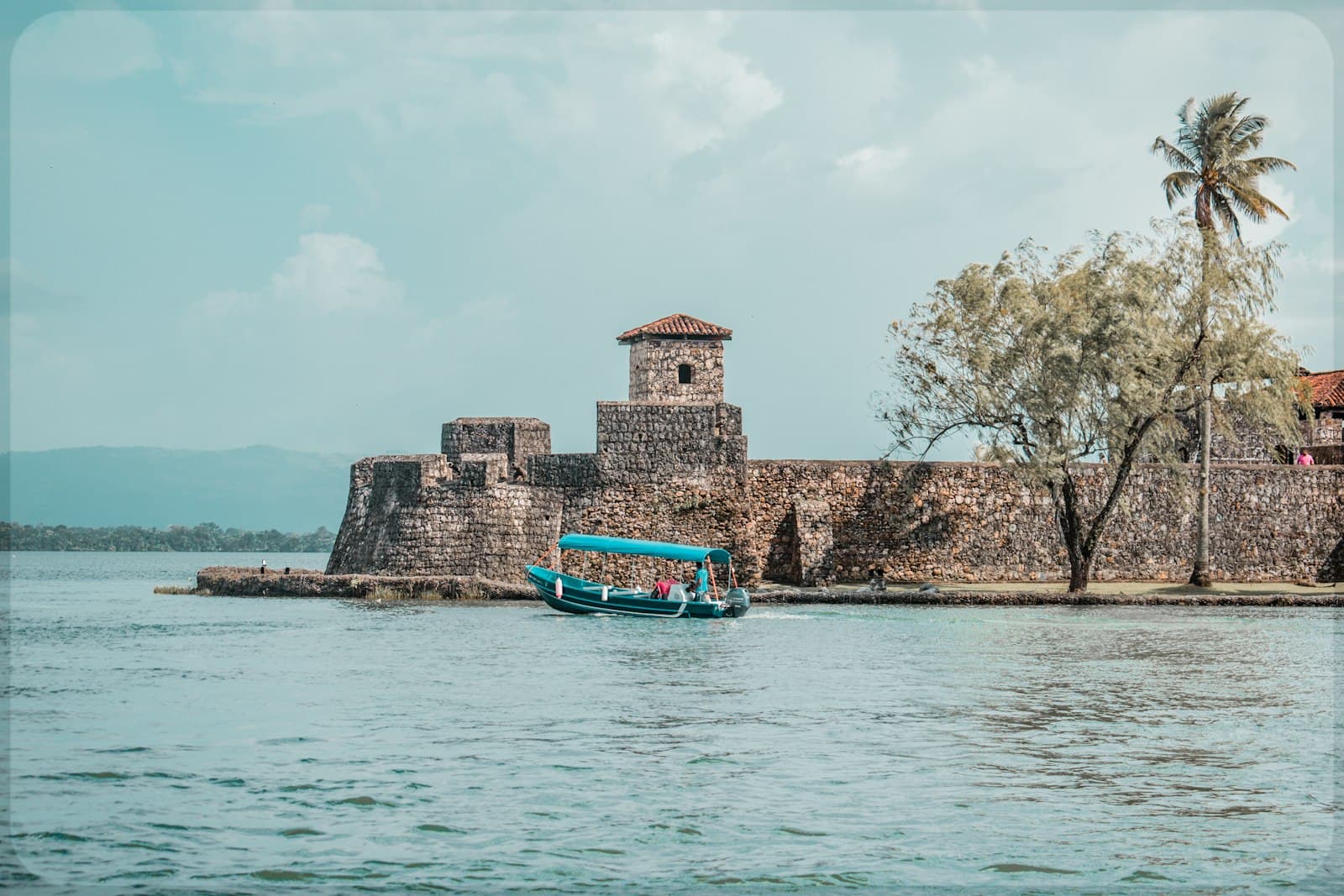
L'embouchure du Río Dulce
Livingston est unique au Guatemala, non seulement par sa culture, mais aussi par la façon dont on y arrive.
L'histoire complète se débloque dans le tour
 Exploraguate / CC BY-SA 4.0, via Wikimedia Commons
Visite audio autoguidée de Livingston — parcours GPS à pied, lecture hors ligne, narration en 32 langues.
“Là où le rythme caribéen rencontre l'âme guatémaltèque.”
Pas les cartes postales. Les histoires que même les habitants ignorent — soufflées à l'oreille, là où elles se sont passées.
Livingston est unique au Guatemala, non seulement par sa culture, mais aussi par la façon dont on y arrive.
Les saveurs de Livingston racontent une histoire différente de celle du reste du Guatemala.
Les sons de Livingston portent une histoire de résilience.
Découvrez tous les secrets de Livingston
Chaque adresse, chaque révélation en entier — dans ton oreille, là où elle s'est passée.
Tu choisis tes lieux. Tu marches. La voix te révèle ce que les autres ignorent.
Votre visite audioguidée de Livingston vous attend — choisissez vos lieux, votre langue, et lancez-vous dès votre arrivée.
AcheterLume intègre un guide en réalité augmentée. Levez votre téléphone : sa caméra montre la rue devant vous, avec une flèche lumineuse posée sur l'image réelle qui pointe toujours vers votre prochain arrêt — aucune carte à déchiffrer, aucun mauvais virage. Comme tout dans Lume, ça fonctionne entièrement hors-ligne.
Livingston, connue localement sous le nom de Labuga, est une ville captivante sur la côte caraïbe du Guatemala, où le Río Dulce rencontre le golfe du Honduras. Elle se distingue du reste du Guatemala, non seulement géographiquement – étant accessible uniquement par bateau – mais aussi culturellement. Ici, la culture Garifuna, un mélange unique d'héritage ouest-africain et indigène caribéen, prospère, offrant une expérience distincte des influences maya et ladino prédominantes dans le pays.
La ville dégage une atmosphère caribéenne décontractée, caractérisée par des palmiers, des brises océaniques et une scène culinaire riche en fruits de mer frais et en noix de coco. Les rues, souvent sablonneuses, sont animées par les sons du reggae et du punta rock, et des maisons en bois aux couleurs vives bordent le chemin. Livingston est une destination pour ceux qui recherchent une immersion culturelle et un rythme plus lent, un endroit où vous pourriez arriver pour une nuit et vous retrouver à y rester une semaine, entraîné par son rythme unique.
Bien qu'elle ne possède pas de ruines antiques ou de sites historiques majeurs en son sein, l'attrait de Livingston réside dans son identité culturelle distinctive, son environnement naturel et l'opportunité de découvrir une facette différente du Guatemala.
## Origines et Dénomination Livingston a été nommée en l'honneur d'Edward Livingston, un juriste et homme politique américain dont les codes juridiques, traduits en espagnol, ont influencé le gouvernement libéral des Provinces-Unies d'Amérique centrale au début du XIXe siècle. Cependant, ce gouvernement libéral ne s'est pas pleinement matérialisé au Guatemala en raison d'une révolution conservatrice en 1838.
## Établissement Garifuna L'aspect historique le plus marquant de Livingston est son rôle de lieu d'établissement important pour le peuple Garifuna. Les Garifunas sont les descendants d'esclaves ouest-africains et d'Indiens caraïbes indigènes qui se sont mariés après le naufrage de deux navires négriers espagnols près de Saint-Vincent en 1635. En 1797, après que les Britanniques eurent pris le contrôle de Saint-Vincent, les Garifunas furent exilés de force à Roatán, au Honduras. De là, ils ont migré le long de la côte centraméricaine, établissant des communautés au Belize, au Nicaragua et à Livingston, au Guatemala, au début des années 1800. Certains chercheurs attribuent la fondation de Livingston à Marco Sánchez Díaz, un immigrant haïtien, plaçant la ville dans un contexte diasporique noir plus large.
## Ville Portuaire et Carrefour Culturel Pendant des décennies, Livingston a servi de port principal du Guatemala sur la mer des Caraïbes, un emplacement stratégique où les marins pouvaient trouver refuge pendant les tempêtes. Ce rôle historique a contribué à sa population stable et à son mélange unique de cultures, incluant les peuples Garifuna, afro-caribéens, mayas et ladinos. L'isolement géographique de la ville, accessible uniquement par bateau, a permis à sa culture, sa langue et ses traditions Garifuna distinctes de rester remarquablement résilientes.
## Développements Modernes Au cours des dernières décennies, Livingston a développé une industrie touristique croissante, attirant des visiteurs séduits par son charme culturel unique et son ambiance caribéenne décontractée. Malgré son attrait, la ville a été confrontée à des défis, notamment la marginalisation de l'État guatémaltèque, l'abandon économique et la discrimination raciale, ainsi que des problèmes liés à la défense des terres et à la migration des jeunes. Des organisations communautaires comme ONEGUA œuvrent pour lutter contre les inégalités systémiques et promouvoir la présence politique afro-indigène et la préservation culturelle.
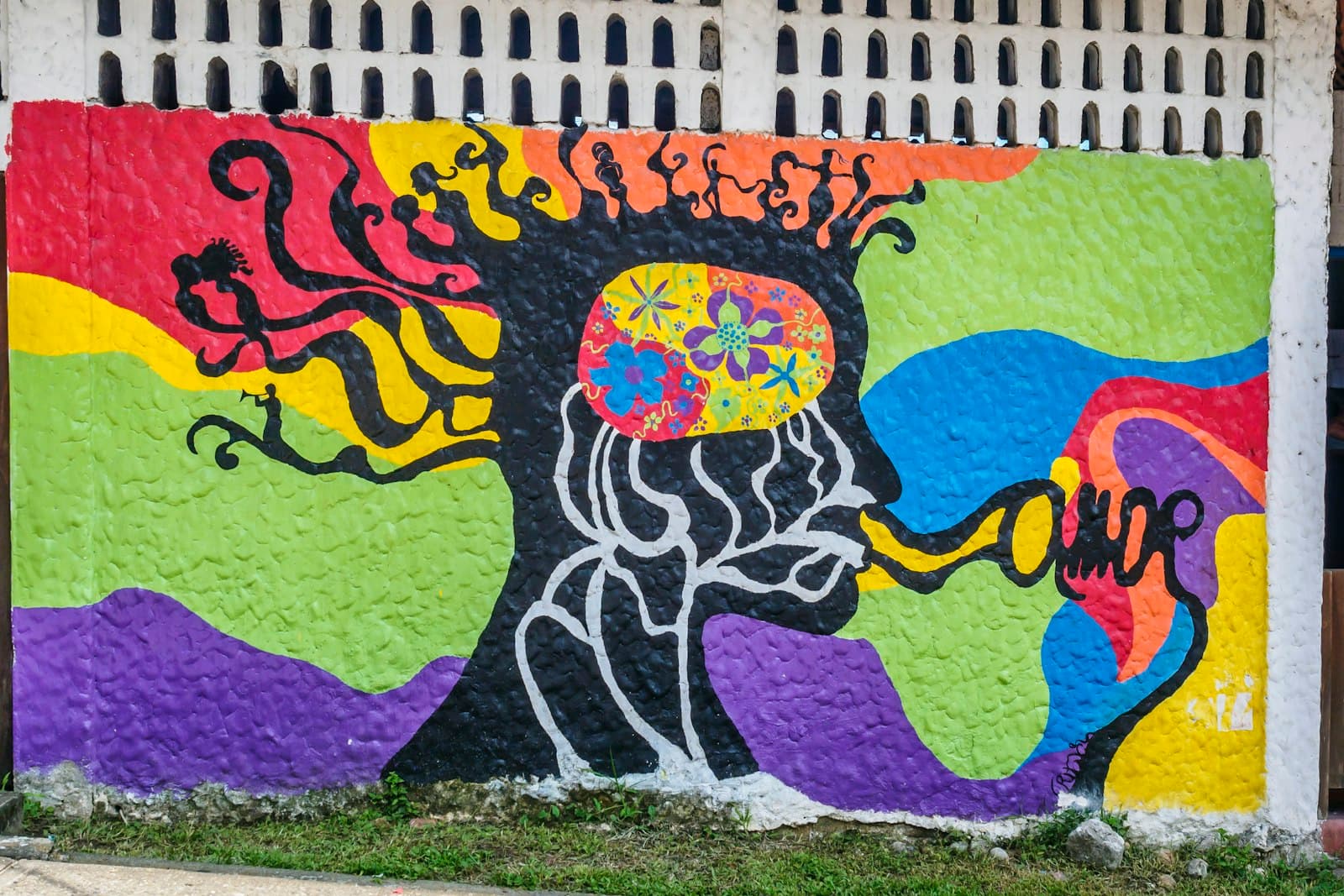
Livingston offre une expérience caribéenne décontractée, distincte des autres régions du Guatemala. Explorez l'atmosphère de la ville en vous promenant dans ses rues sablonneuses, où la musique reggae flotte souvent depuis les établissements en plein air. La rue principale, Calle Principal, est un centre d'activités pour les restaurants locaux et les boutiques d'artisans. Pour une immersion culturelle plus profonde, cherchez des cours de tambour Garifuna, souvent organisés dans les arrière-cours, où vous pourrez apprendre les rythmes traditionnels. La Casa de la Cultura offre également un aperçu du patrimoine local.
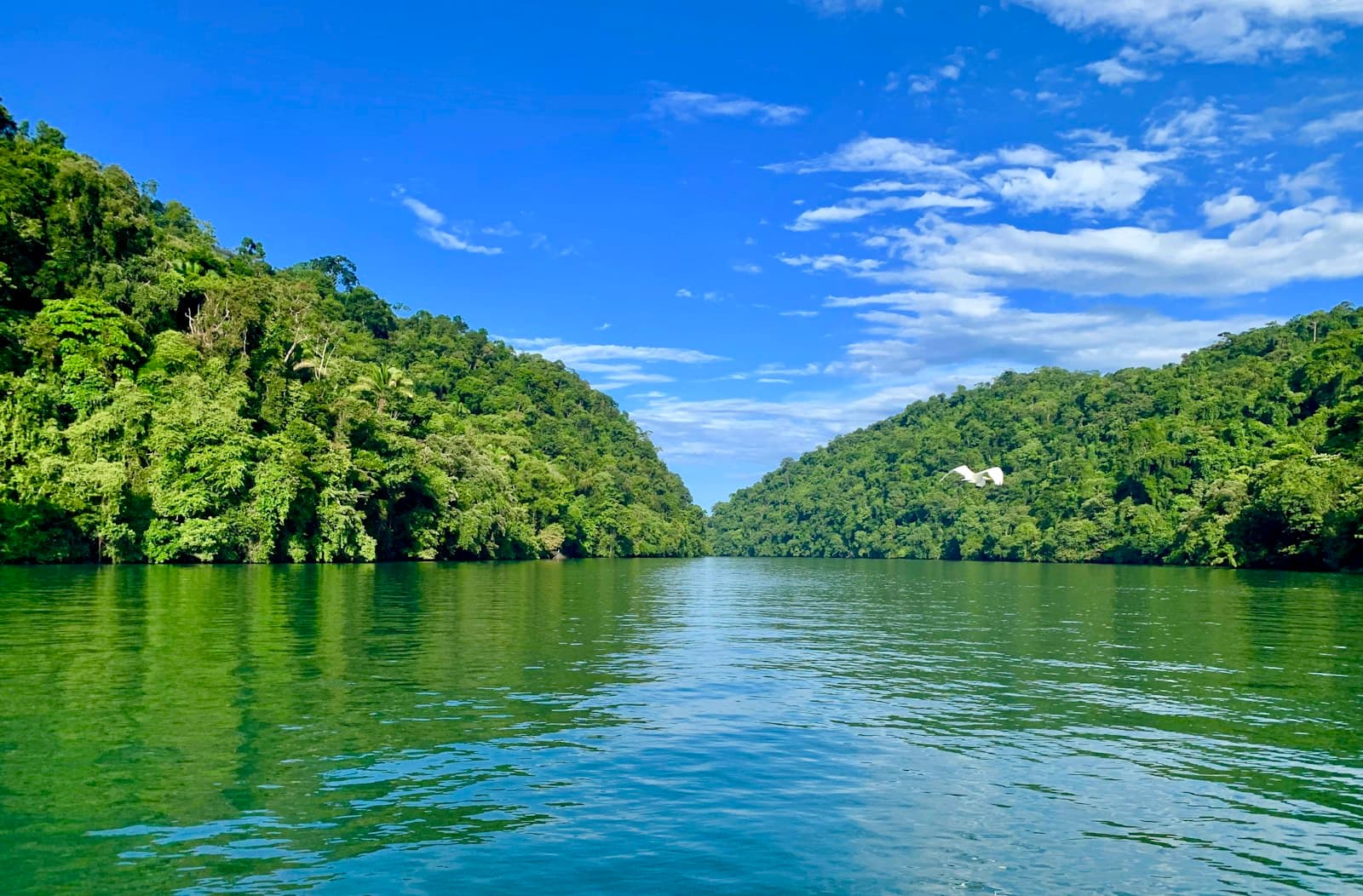
Au-delà de la ville, les attractions naturelles abondent. Faites une excursion en bateau à travers le canyon du Río Dulce, où des falaises calcaires drapées de broméliacées s'élèvent de l'eau verte, et où une faune aviaire diversifiée peut être observée. Une excursion populaire est Siete Altares, une série de sept cascades et piscines d'eau douce nichées dans la jungle, parfaites pour une baignade rafraîchissante. Une autre excursion en bateau vous mènera à Playa Blanca, une plage idyllique de sable blanc, offrant une évasion sereine.
La meilleure période pour visiter Livingston pour les activités par temps chaud est de mi-décembre à mi-mars, lorsque le ciel est le plus clair et les températures agréables. La saison sèche, généralement de novembre à avril, offre un ciel dégagé et des températures diurnes comprises entre 25 et 28 °C (77-82 °F), avec moins d'humidité et moins d'averses l'après-midi. Bien que le temps soit chaud toute l'année, la saison des pluies s'étend généralement de mai à novembre, septembre étant le mois le plus humide. La haute saison touristique s'étend de décembre à février, surtout pendant les vacances, ce qui peut entraîner des foules plus animées et des prix potentiellement plus élevés.
Livingston est unique car elle n'est accessible que par bateau. Vous pouvez prendre des lanchas collectives (petits bateaux à moteur) depuis Puerto Barrios ou Río Dulce. Depuis Puerto Barrios, les bateaux partent plusieurs fois par jour, le trajet dure environ 30 minutes. Depuis Río Dulce, des bateaux collectifs circulent également quotidiennement, et le voyage pittoresque à travers le canyon du Río Dulce est une expérience en soi. À Livingston, la ville est petite et se parcourt à pied, bien qu'elle soit construite sur une colline escarpée. Des tuk-tuks sont disponibles pour se déplacer, particulièrement utiles pour les longues distances ou les montées.
La monnaie locale est le Quetzal guatémaltèque (GTQ). Bien que les dollars américains soient parfois acceptés dans les zones touristiques, il est conseillé d'avoir des quetzales, surtout pour les petits achats. Des distributeurs automatiques de billets sont disponibles, mais soyez conscient des frais potentiels. Le risque de criminalité à Livingston est modéré, et c'est un endroit touristique sûr dans le département d'Izabal. Cependant, les précautions générales de voyage, telles que garder les objets de valeur hors de vue et éviter de marcher seul la nuit, sont toujours recommandées.
Livingston en coréen, en chinois ou en hébreu — et dans 29 autres langues, chaque étape narrée par une voix native. La plus large gamme de langues de tous les audioguides autoguidés.
Disponible en :