Duna Moreeb
La Duna Moreeb es una imponente montaña de arena, pero su nombre, 'Montaña Aterradora', sugiere algo más que su impresionante altura.
La historia completa se desbloquea en el tour
 Xiaotong Gao / CC BY-SA 3.0, via Wikimedia Commons
Tour de audio autoguiado de Liwa — ruta GPS a pie, reproducción offline, narración en 32 idiomas.
“Donde el desierto susurra cuentos milenarios y dunas colosales se encuentran con verdes oasis.”
No las postales. Las historias que ni los locales conocen — al oído, justo donde ocurrieron.
La Duna Moreeb es una imponente montaña de arena, pero su nombre, 'Montaña Aterradora', sugiere algo más que su impresionante altura.
El Festival anual de Dátiles de Liwa celebra la palmera datilera, un pilar de la cultura emiratí. Las competiciones del festival van más allá de los dátiles.
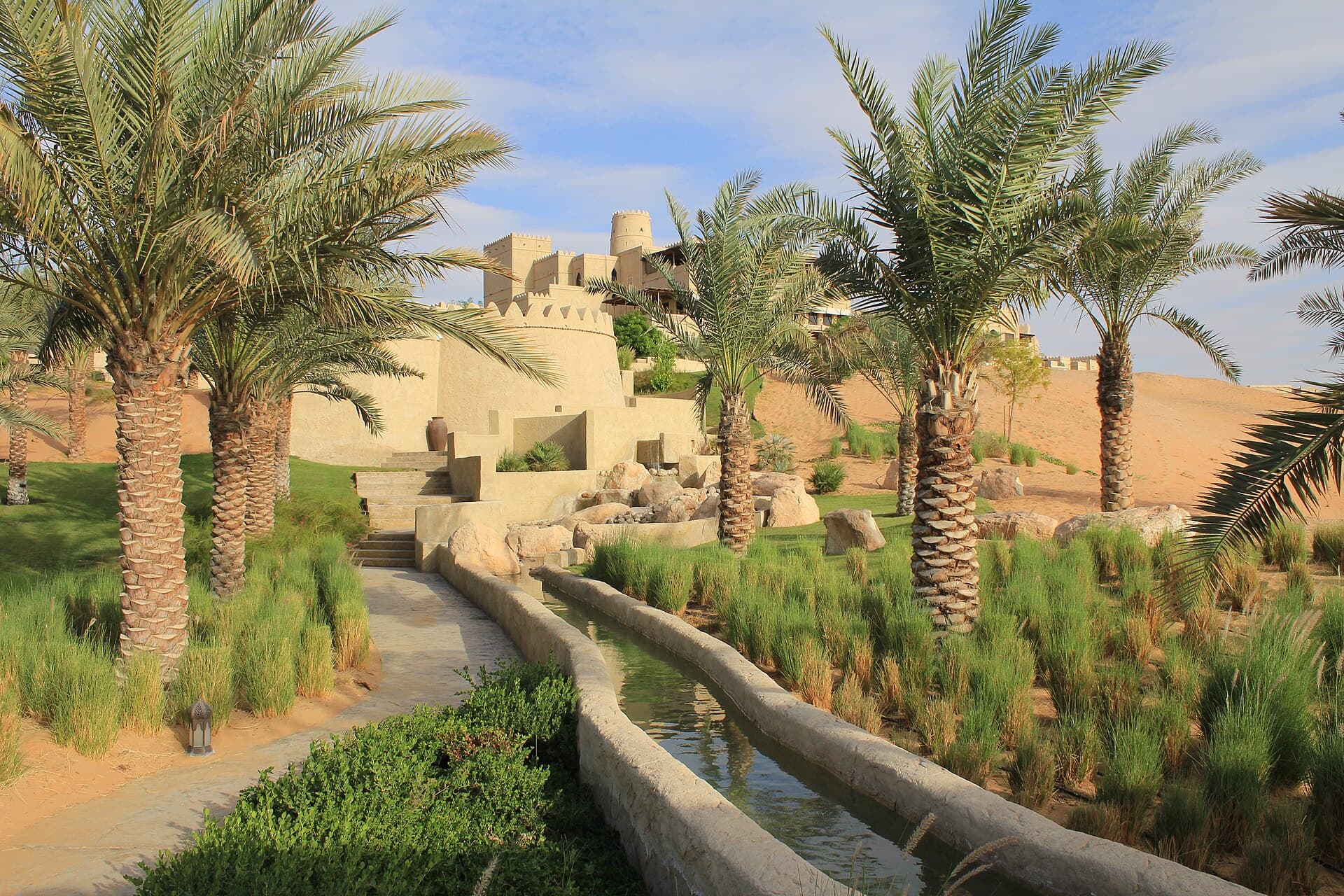
Este lujoso resort en el desierto aparece como un espejismo en el Empty Quarter. Su diseño guarda un secreto simbólico.
Descubre todos los secretos de Liwa
Cada dirección, cada revelación al completo — a tu oído, justo donde ocurrió.
Eliges tus paradas. Caminas. La voz te revela lo que los demás ignoran.

Tu tour de audioguía por Liwa te espera — elige tus lugares, tu idioma y empieza al llegar.
ComprarLume incluye una guía de realidad aumentada. Levanta el móvil y su cámara muestra la calle que tienes delante, con una flecha luminosa sobre la imagen real que siempre apunta a tu próxima parada — sin mapas que descifrar, sin giros equivocados. Como todo en Lume, funciona completamente sin conexión.
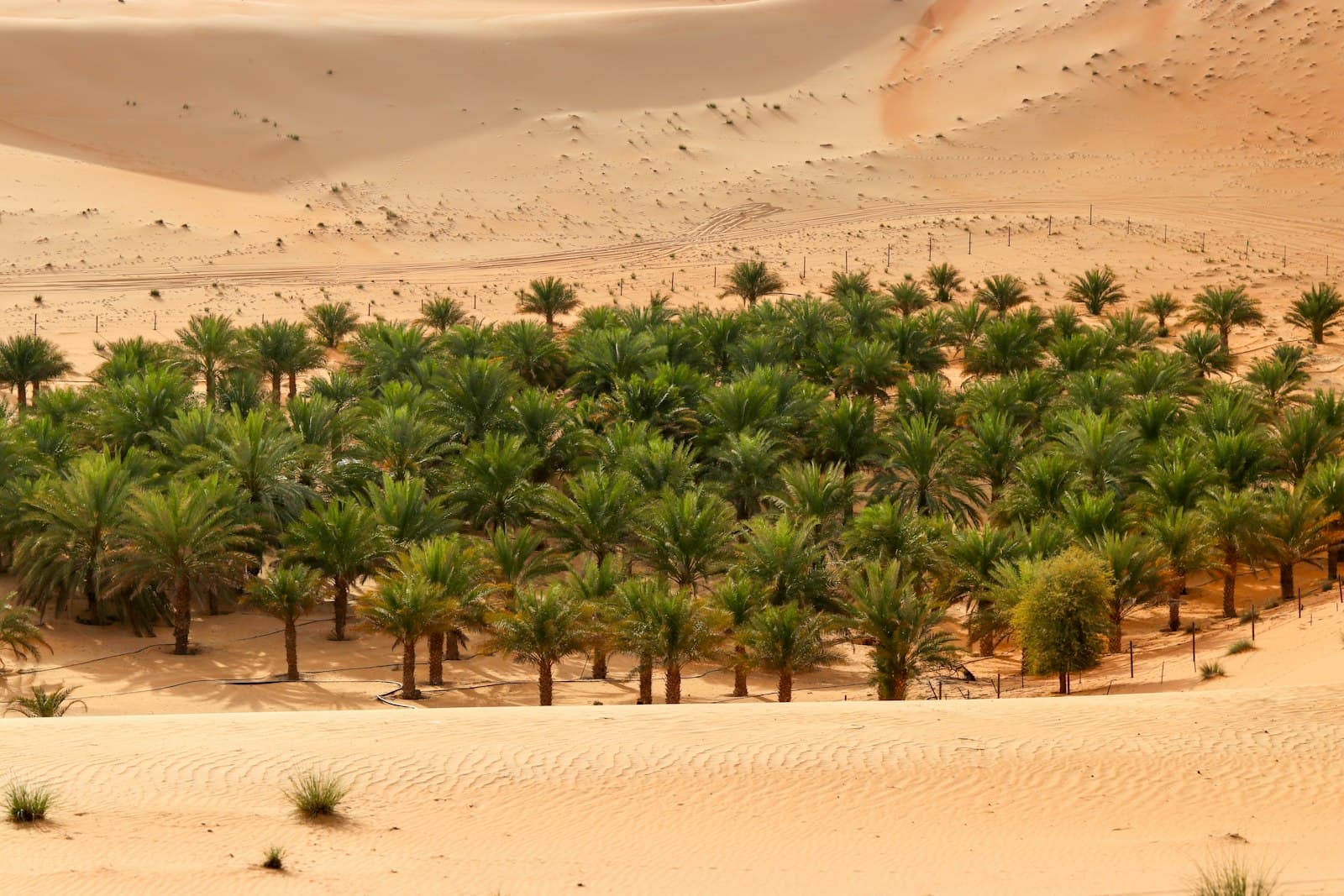
El Oasis de Liwa, una extensa colección de pueblos y oasis, se encuentra en el borde norte del Rub' al Khali, también conocido como el Empty Quarter (Cuarto Vacío), el desierto de arena continuo más grande del mundo. Esta notable región en el área de Al Dhafra de Abu Dabi ofrece un sorprendente contraste de exuberantes palmerales datileros contra vastas dunas de arena dorada. Es un lugar donde la herencia beduina prospera, ofreciendo una ventana a la vida emiratí tradicional en medio de un paisaje de belleza natural inigualable.
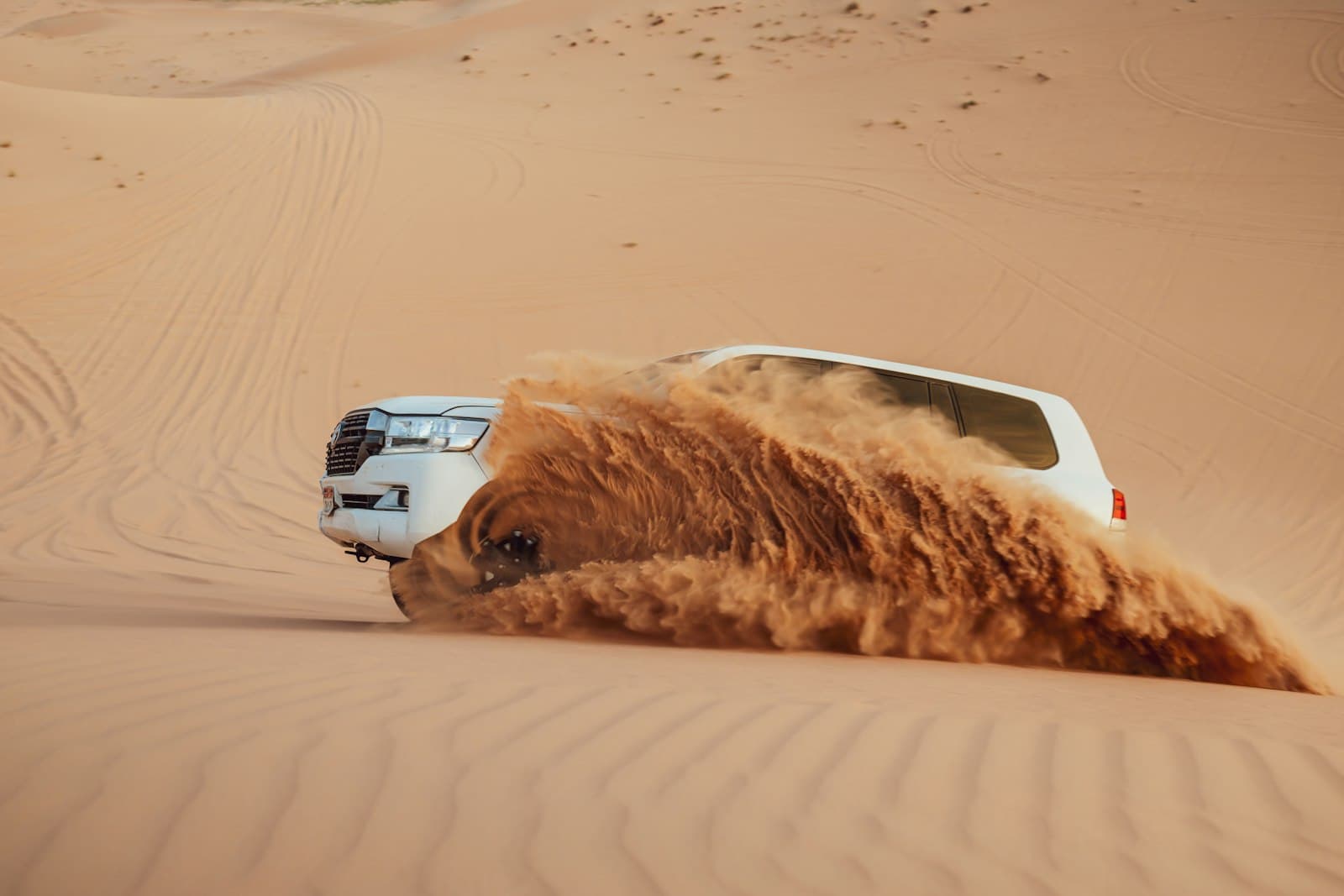
Más allá de su grandeza visual, Liwa es un centro tanto para experiencias serenas en el desierto como para aventuras llenas de adrenalina. Los visitantes pueden explorar fuertes históricos, presenciar tradiciones ancestrales como la cetrería o embarcarse en emocionantes excursiones de 'dune-bashing'. El oasis es un testimonio de vida sostenible en el desierto, con sus extensas plantaciones de palmeras datileras sostenidas por sistemas de riego tradicionales. Liwa promete un viaje que conecta a los viajeros con el espíritu perdurable del desierto y el tejido cultural de los EAU.
## Hogar Ancestral y Primeros Asentamientos El Oasis de Liwa tiene una importancia histórica significativa como hogar ancestral de la familia gobernante Al Nahyan de Abu Dabi y Dubái. La tribu Bani Yas, de la cual se originaron estas familias gobernantes, habitó tradicionalmente el oasis. Históricamente, los hombres de la tribu Bani Yas de Liwa también eran buceadores de perlas a lo largo de la costa durante los meses de verano, proporcionando una fuente adicional de ingresos.
Durante los siglos XV y XVI, numerosos pueblos y asentamientos surgieron en Liwa, sostenidos por recursos subterráneos de agua dulce que facilitaron el cultivo de dátiles. El oasis ha sido un centro vital para la vida beduina durante siglos, mostrando tradiciones de hospitalidad, pastoreo de camellos y cultivo de dátiles. También desempeñó un papel crucial en la historia de los EAU, sirviendo como un centro para el comercio y la agricultura en el árido desierto.
## Fuertes y Preservación La región está salpicada de fuertes y torres de vigilancia históricos, construidos por las tribus Bani Yas y Manaseer para proteger sus pozos, oasis, ganado y asentamientos. Estas estructuras fortificadas, construidas con piedra, troncos de palma y yeso, también sirvieron como almacenamiento de provisiones y refugio durante tiempos difíciles. En la década de 1980, bajo las directrices del difunto Sheikh Zayed bin Sultan Al Nahyan, Padre Fundador de los EAU, muchos de estos fuertes y torres fueron restaurados para preservar el patrimonio arquitectónico del país. Ejemplos incluyen el Fuerte Dhafeer, que la historia oral sugiere que fue construido en 1915 por la tribu Bani Yas.
## Exploración Moderna El explorador británico Wilfred Thesiger realizó su primera travesía del desierto de Rub' al Khali, llegando a Liwa a mediados de diciembre de 1946, seguida de una segunda visita a principios de marzo de 1948. Hoy en día, Liwa sigue atrayendo a exploradores y a aquellos que buscan conectar con el legado perdurable del desierto, ofreciendo una visión de su larga y duradera historia.
Liwa ofrece una variedad de experiencias, desde explorar vastos paisajes de arena hasta adentrarse en la cultura local. La Duna Moreeb, también conocida como Tal Moreeb o 'Montaña Aterradora', es un punto de referencia prominente, que se eleva más de 300 metros con una desafiante cara de deslizamiento de 50 grados. Es un lugar popular para los deportes de motor y ofrece vistas impresionantes. Los visitantes también pueden explorar los fuertes históricos dispersos por todo el oasis, muchos de los cuales han sido restaurados y ofrecen una visión del pasado de la región.
Las extensas plantaciones de palmeras datileras alrededor de pueblos como Mezairaa son fundamentales para la identidad de Liwa y proporcionan un sorprendente contraste verde con el desierto. Los visitantes pueden pasear por estas granjas y aprender sobre el cultivo de dátiles. Para vislumbrar la vida beduina y el comercio local, se recomienda una visita a una granja de camellos, donde incluso se puede probar leche fresca de camella. El Festival de Dátiles de Liwa, que se celebra generalmente en julio, es un evento cultural que celebra la cosecha de dátiles y la herencia emiratí. Para el lujo y las aventuras en el desierto, el Qasr Al Sarab Desert Resort by Anantara ofrece una experiencia única con su arquitectura tipo fortaleza y una variedad de actividades.
La mejor época para visitar Liwa es durante los meses más frescos de invierno, de noviembre a febrero, cuando las temperaturas son ideales para actividades al aire libre. Las temperaturas diurnas se mantienen cálidas, pero las noches se vuelven más frescas, lo que hace que los safaris por el desierto, la acampada y la exploración sean cómodos. Este período también coincide con festivales como el Festival de la Duna Moreeb de Liwa. Evite los meses de verano (de mayo a septiembre) cuando las temperaturas diurnas pueden superar los 45 °C.
Llegar al Oasis de Liwa generalmente implica un viaje en coche, ya que se encuentra aproximadamente a 220 kilómetros al suroeste de Abu Dabi y a 350 kilómetros de Dubái. Se recomienda encarecidamente un vehículo 4x4, especialmente si planea aventurarse en las dunas o áreas fuera de la carretera, aunque las principales atracciones son accesibles por carreteras pavimentadas. Es aconsejable repostar antes de salir de la ciudad, ya que las gasolineras son limitadas en el desierto.
Al empacar, considere ropa ligera y transpirable para el día y capas más cálidas para las noches más frescas, especialmente durante el invierno. Los artículos esenciales incluyen protector solar, gafas de sol, un sombrero, zapatos cómodos cerrados para la arena y mucha agua. Liwa es un área remota con servicios limitados, por lo que es aconsejable llevar bocadillos y cualquier necesidad personal. Para actividades en el desierto, considere reservar una visita guiada para mayor seguridad y una experiencia más enriquecedora. La acampada salvaje está permitida en áreas públicas, pero siempre respete las costumbres locales y el medio ambiente.
Liwa en coreano, en chino o en hebreo — y 29 idiomas más, cada parada narrada por una voz nativa. La mayor variedad de idiomas de cualquier audioguía autoguiada.
Disponible en: