Piazza Grande
Эта грандиозная площадь, известная своим кинофестивалем, не всегда была такой величественной — или даже сухой.
Полная история открывается в туре
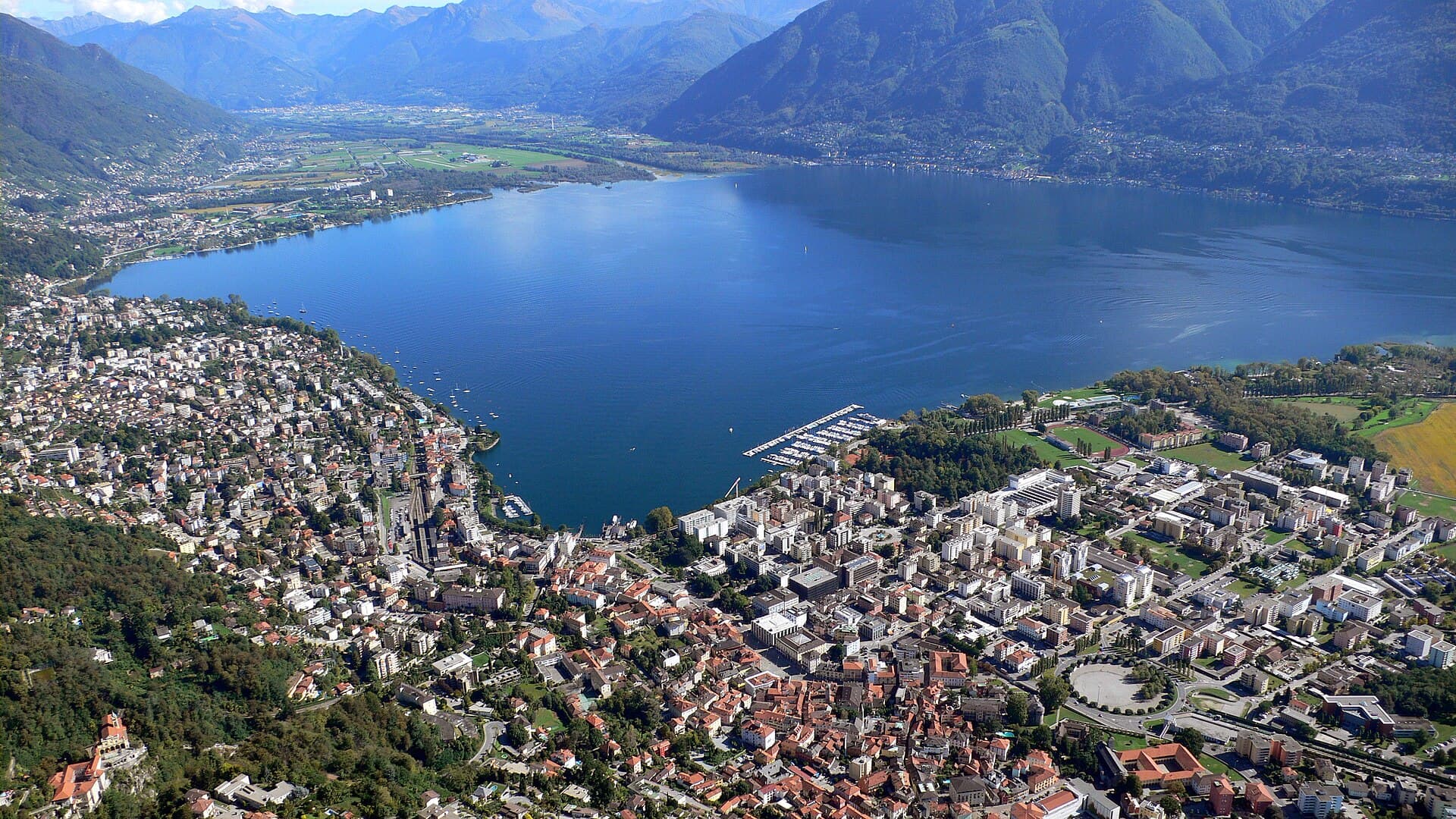 Ozonski / CC BY 3.0, via Wikimedia Commons
Самостоятельная аудиопрогулка по Локарно — GPS-маршрут, офлайн-воспроизведение, увлекательное повествование на 32 языках.
“Где Альпы встречаются со Средиземноморьем на северном берегу озера Маджоре.”
Не открытки. Истории, которые не знают даже местные жители — шепотом в вашем ухе, прямо там, где они произошли.
Эта грандиозная площадь, известная своим кинофестивалем, не всегда была такой величественной — или даже сухой.
Значительная часть исторического замка Локарно была намеренно разрушена столетия назад, но значительный фрагмент сохранился.
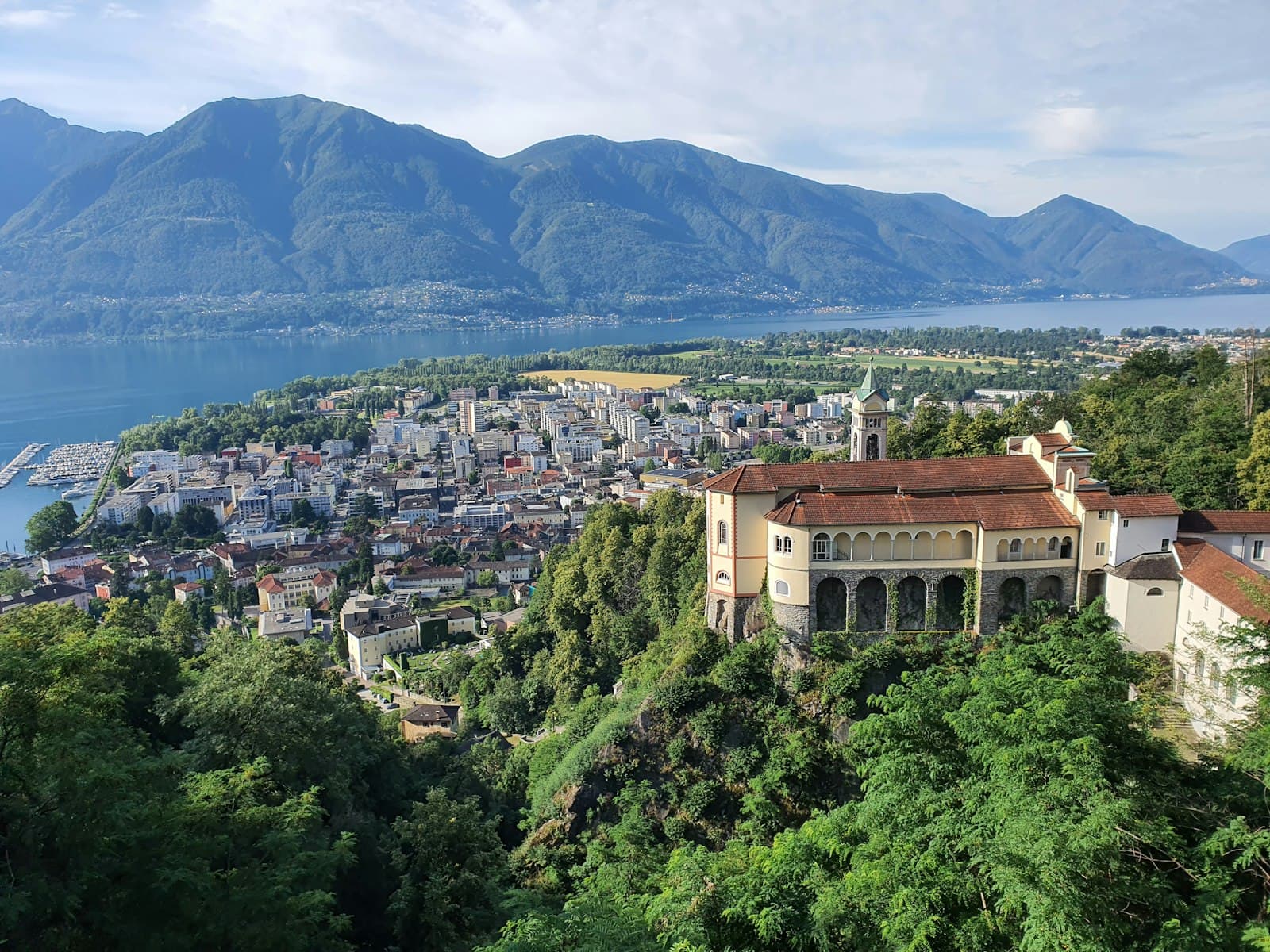
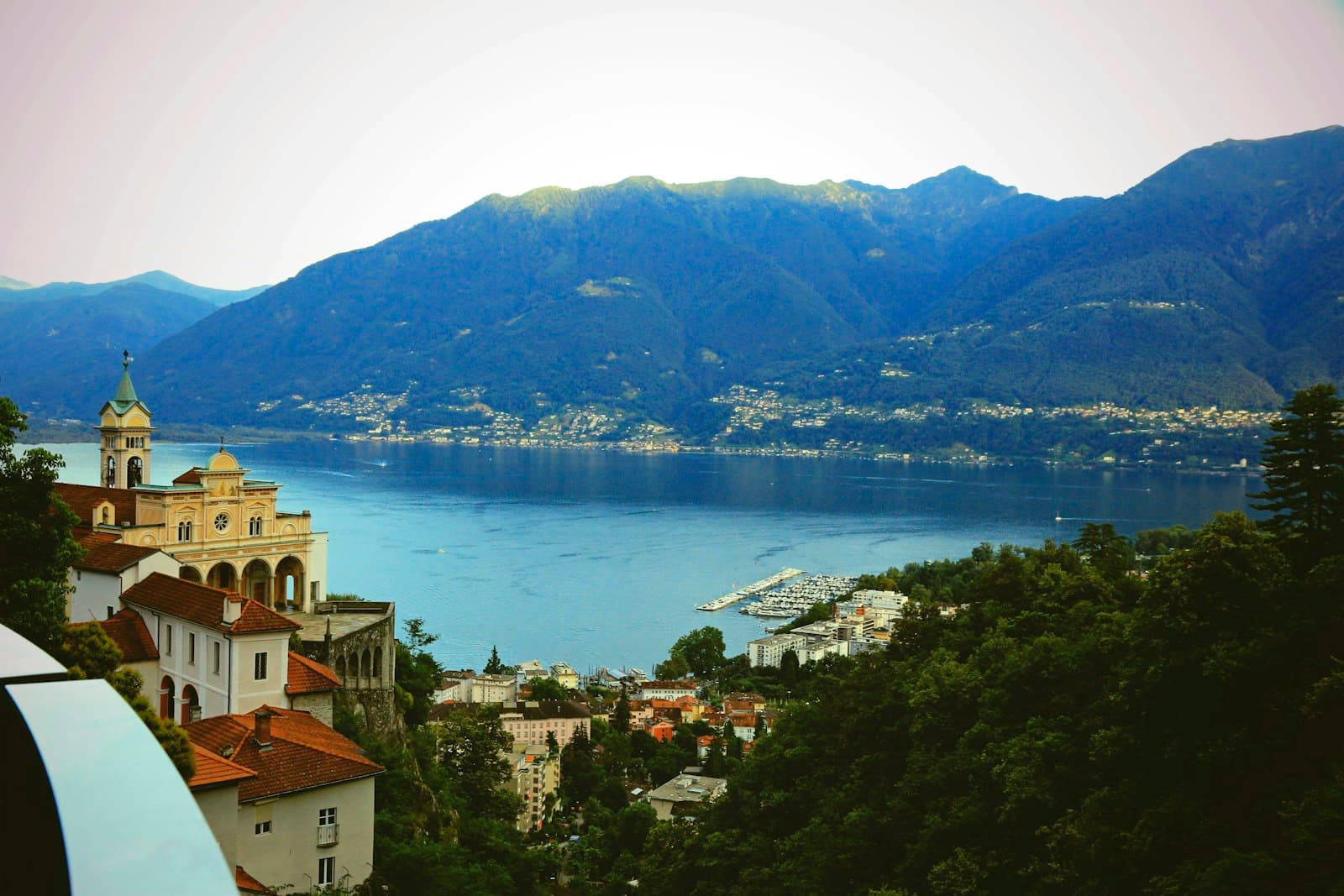
Знаменитая паломническая церковь с видом на Локарно обязана своим существованием видению, пережитому монахом.
Откройте для себя каждый секрет Локарно
Каждый адрес, каждое полное раскрытие — в вашем ухе, прямо там, где это произошло.
Вы выбираете остановки. Вы гуляете. Голос раскрывает то, что упускают другие.
Ваш самостоятельный аудиотур по Локарно готов — выберите свои достопримечательности, выберите свой язык и начните в момент прибытия.
КупитьВ Lume встроен гид дополненной реальности. Поднимите телефон: камера показывает улицу перед вами, а поверх реального изображения светится стрелка, всегда указывающая на вашу следующую остановку — не нужно разбираться с картой и сворачивать не туда. Как и всё в Lume, это работает полностью офлайн.
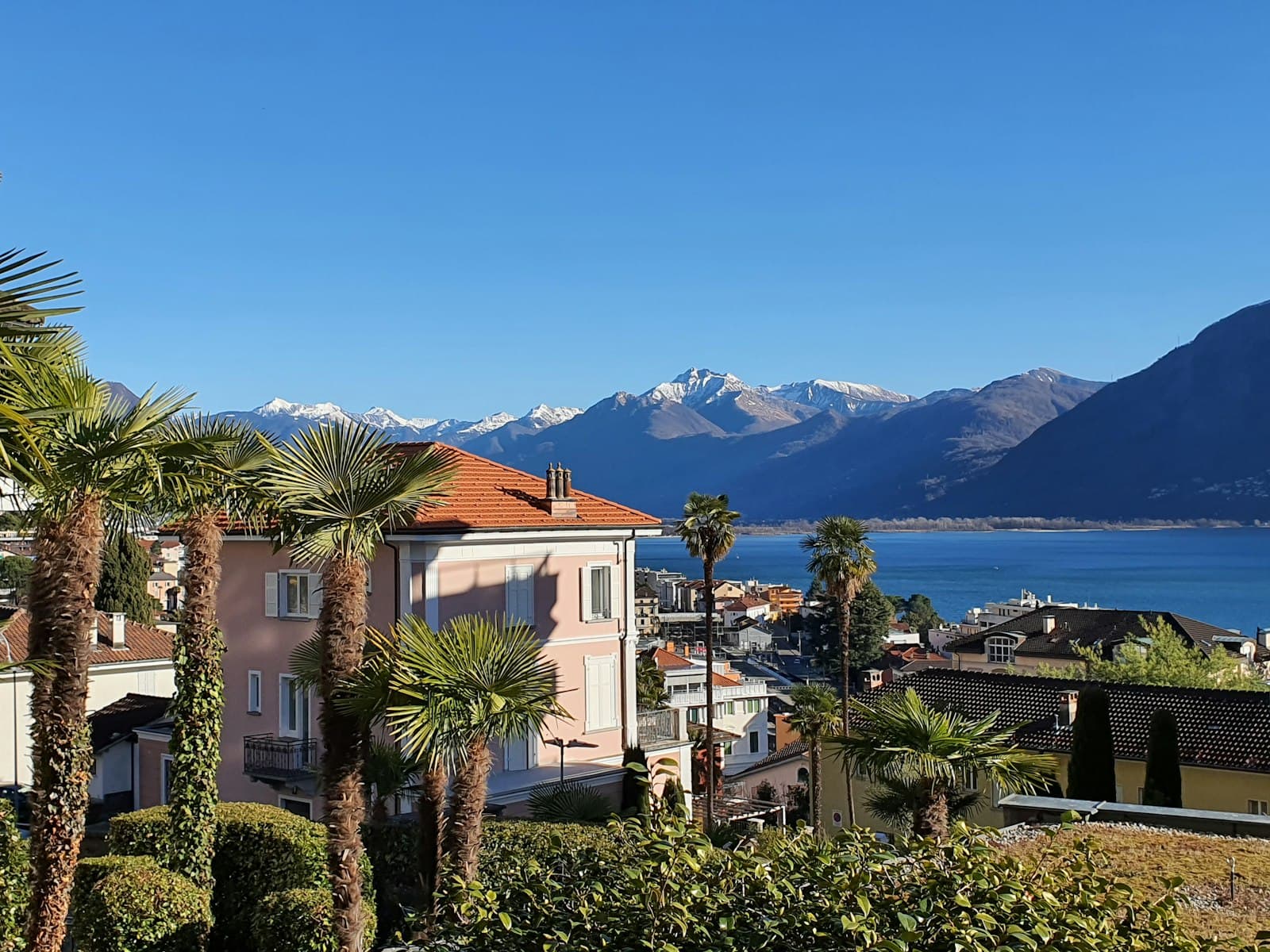
Локарно, залитый солнцем город на юге Швейцарии, предлагает уникальное сочетание швейцарской упорядоченности и итальянского очарования на северном берегу озера Маджоре. Его исключительно мягкий, средиземноморский климат — один из самых теплых в Швейцарии — позволяет процветать пальмам и лимонным деревьям, что является редким зрелищем в Альпах. Эта располагающая атмосфера в сочетании с расположением у подножия Швейцарских Альп делает Локарно излюбленным местом для тех, кто ищет как отдыха, так и приключений.
Город является культурным центром, в первую очередь как место проведения Международного кинофестиваля в Локарно, который каждый август превращает центральную Пьяцца Гранде в огромный кинотеатр под открытым небом. Помимо кинематографического внимания, исторический старый город Локарно, обширная набережная и легкий доступ к окружающим горам и долинам предлагают разнообразные возможности. Его стратегическое положение исторически сделало его важным торговым и дипломатическим центром, наследие которого до сих пор ощущается в его архитектуре и культурных предложениях.
## От древних поселений до римского центра История Локарно восходит к доисторическим временам, археологические находки свидетельствуют о поселениях, существовавших уже в эпоху поздней бронзы, примерно в XIV веке до нашей эры. В римскую эпоху этот район был значительным торговым и жилым центром, о чем свидетельствуют обнаруженные руины вилл и некрополей. Впервые город был официально упомянут в 803 году нашей эры как Leocarni, название, возможно, происходящее от кельтских корней, означающих «яркий» или «сияющий», что соответствует его солнечному климату.
## Средневековый перекресток и миланское влияние К средневековью Локарно зарекомендовал себя как жизненно важный торговый и военный центр, стратегически расположенный на перекрестке путей, соединяющих альпийские регионы с Ломбардией. Могущественные местные семьи, такие как Орелли, Магория и Муральто, сыграли значительную роль в укреплении города башнями и замками. В 1342 году семья Висконти из Милана завоевала этот район, подчинив Локарно миланскому правлению и еще больше укрепив его оборону, включая знаменитый Замок Висконти.
## Под властью Швейцарской конфедерации и религиозные волнения В 1503 году конфедераты завоевали Локарно, положив конец правлению семьи Руска, которая управляла под властью Миланского герцогства. Хотя Замок Висконти оставался под французским контролем в течение десяти лет, в 1513 году он был окончательно передан конфедератам, и Локарно официально стал частью Швейцарской конфедерации в 1516 году по Фрайбургскому договору. Этот период ознаменовался религиозными волнениями, когда распространение протестантской Реформации привело к тому, что некоторые видные семьи, такие как Муральто и Орелли, покинули город.
## Символ мира и современного развития XIX век ознаменовал поворотный момент с основанием кантона Тичино в 1803 году, что вывело Локарно из периода провинциализма. Город получил международное признание в октябре 1925 года, когда он принял Локарнские договоры — серию европейских территориальных соглашений, направленных на обеспечение мира в Западной Европе после Первой мировой войны. Это дипломатическое событие укрепило имидж Локарно как «Города мира». После Второй мировой войны основание Международного кинофестиваля в Локарно в 1946 году еще больше выдвинуло город на мировую арену, превратив его Пьяцца Гранде в известный кинотеатр под открытым небом и крупный культурный центр. Сегодня Локарно продолжает процветать как центр туризма, культуры и торговли.
Начните свое исследование с Пьяцца Гранде, обширной центральной площади города. Окруженная зданиями пастельных тонов и аркадами, она является социальным и культурным центром, идеальным местом для наблюдения за людьми или наслаждения кофе. Отсюда отправляйтесь в Старый город (Città Vecchia), лабиринт узких улочек с бутиками, кафе и исторической архитектурой.
Короткая живописная поездка на фуникулере из центра города доставит вас к Святилищу Мадонны дель Сассо в Орселине. Эта паломническая церковь, расположенная на скалистом утесе, предлагает захватывающие виды на Локарно, озеро Маджоре и окружающие горы. Продолжите подъем по канатной дороге и кресельному подъемнику из Орселины до Кардады и Чиметты, чтобы насладиться еще более обширными альпийскими видами и возможностями для пеших прогулок.
Для погружения в историю посетите Замок Висконти, крепость XII века, в которой сейчас находится археологический музей с римскими артефактами. Прогуляйтесь по набережной озера, любуясь видами на озеро Маджоре, или посетите Парк Камелий, особенно оживленный в марте во время ежегодной выставки, где представлены сотни сортов камелий. Рассмотрите возможность совершить лодочную прогулку по озеру Маджоре, чтобы исследовать близлежащие города, такие как Аскона.
В Локарно царит мягкий, влажный умеренный климат, что делает его приятным для посещения большую часть года. Лучшее время для посещения для занятий в теплую погоду — с середины июня до середины сентября, причем июль является самым теплым месяцем со средней температурой около 22,5°C (72,5°F). Однако в июле и августе может быть довольно жарко, температура иногда достигает 29°C (84°F), а грозы часты во второй половине дня или вечером летом. Для более мягкого отдыха с меньшим количеством туристов рассмотрите весну (середина апреля — середина июня) или раннюю осень (сентябрь и октябрь). Весна приносит цветение камелий, а осень — приятные температуры и меньшее количество туристов. Зима, с декабря по февраль, холоднее, но мягче, чем в других крупных швейцарских городах, со средней дневной температурой около 7-11°C (45-52°F) и меньшим количеством осадков.
Локарно расположен в италоязычном кантоне Тичино, поэтому официальным языком является итальянский. Однако немецкий, французский и английский также используются, особенно в туристических районах. Местной валютой является швейцарский франк (CHF). Передвигаться по Локарно просто: центр города, набережная и железнодорожный вокзал компактны и легко доступны пешком. Для более дальних поездок или для достижения окрестных деревень и долин имеется эффективная сеть общественного транспорта: автобусы, поезда и канатные дороги. Железнодорожный вокзал Локарно технически находится в Муральто, соседнем районе. Железная дорога Чентовалли предлагает живописный маршрут, соединяющий Локарно с Домодоссолой в Италии. Если вы остановитесь в отеле, молодежном хостеле или кемпинге, вы, вероятно, получите карту Ticino Ticket, предоставляющую бесплатное и неограниченное пользование местным общественным транспортом во время вашего пребывания. Хотя водить машину возможно, в центре Локарно много односторонних улиц и пешеходных зон, а парковка может быть ограничена. Рассмотрите возможность прилета в Милан Мальпенса или Цюрих, а затем поездки на поезде в Локарно через Беллинцона.
Локарно: корейский, китайский, иврит и ещё 29 языков — каждую остановку озвучивает носитель языка. Самый широкий выбор языков среди аудиоэкскурсий без гида.
Доступные языки: