Smithfield Market
Prima di diventare un vivace mercato della carne, questo sito di Londra ha visto una forma di giustizia piuttosto infuocata.
La storia completa si sblocca nel tour
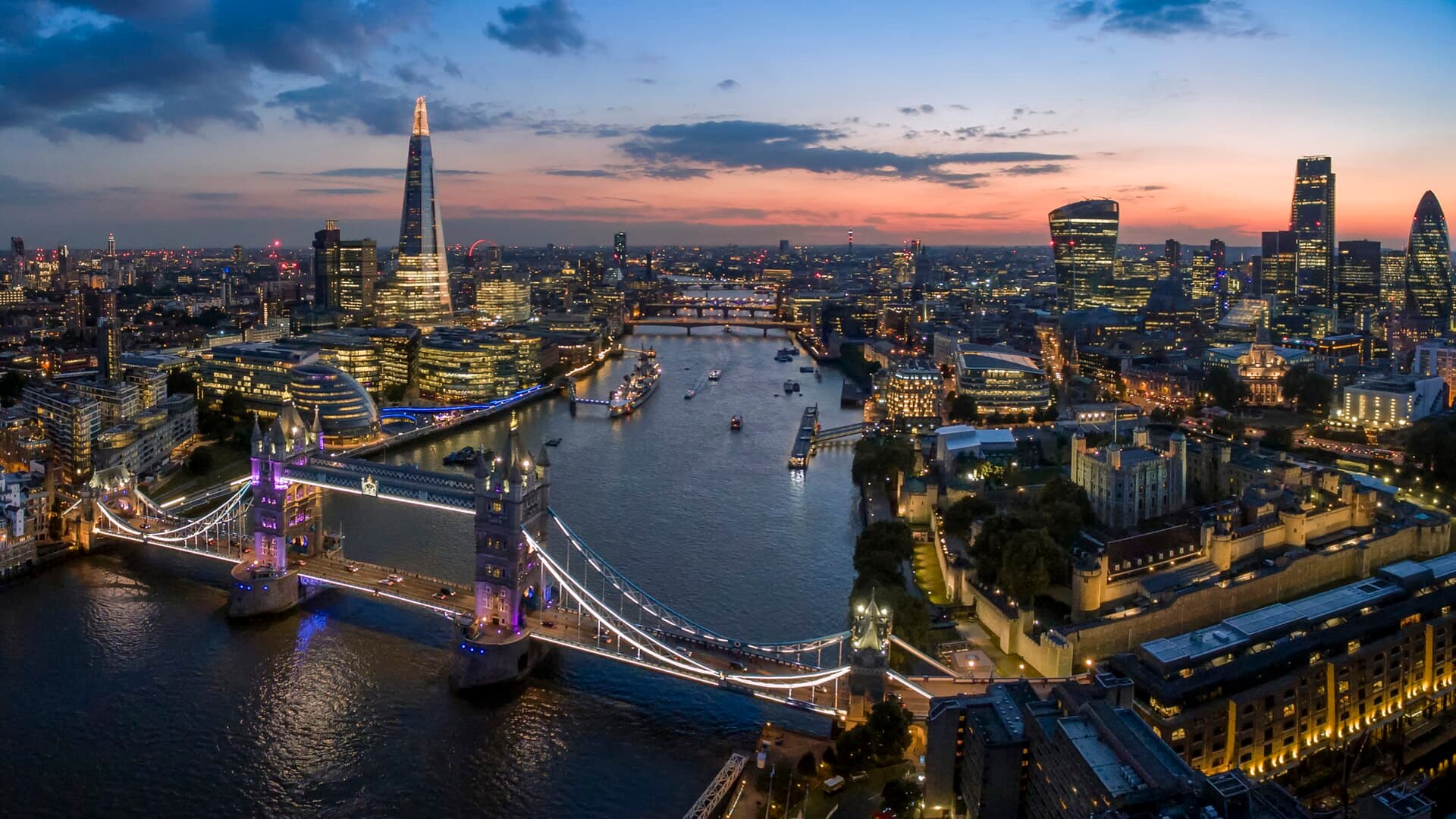 Ilya Grigorik / CC BY-SA 3.0, via Wikimedia Commons
Tour audio autoguidato di Londra — percorso GPS a piedi, riproduzione offline, narrazione coinvolgente in 32 lingue.
“Il vero spirito di Londra vive nei suoi angoli tranquilli e nelle storie non raccontate, ben oltre il familiare.”
Non le cartoline. Le storie che nemmeno i locali conoscono — sussurrate nel tuo orecchio, proprio dove sono accadute.
Prima di diventare un vivace mercato della carne, questo sito di Londra ha visto una forma di giustizia piuttosto infuocata.
Sotto una galleria d'arte contemporanea riposa un'arena dimenticata dove un tempo i gladiatori si scontravano in combattimento.
Questo sereno giardino commemora individui comuni che sono morti salvando altri, spesso con notevole coraggio.
Scopri ogni segreto di Londra
Ogni indirizzo, ogni rivelazione completa — nel tuo orecchio, proprio dove è accaduta.
Scegli le tue tappe. Cammini. La voce rivela ciò che gli altri perdono.
À la carte o l'intera città — ogni quartiere è un'unica uscita, e la narrazione inizia nel momento in cui arrivi. Più ne prendi, meno costa ognuno.
Tocca un'area per scoprire il quartiere · tocca una scheda per aggiungerlo
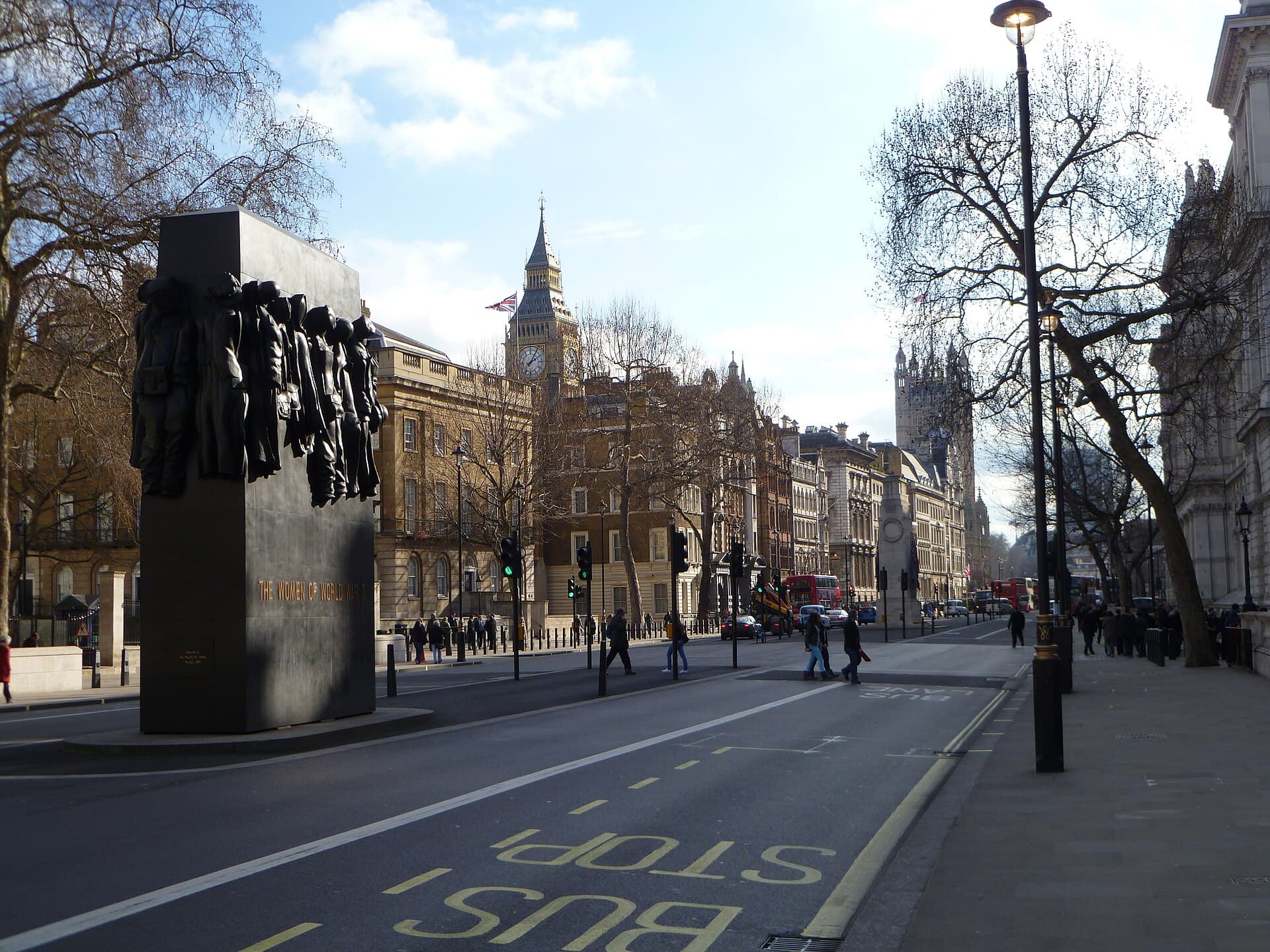
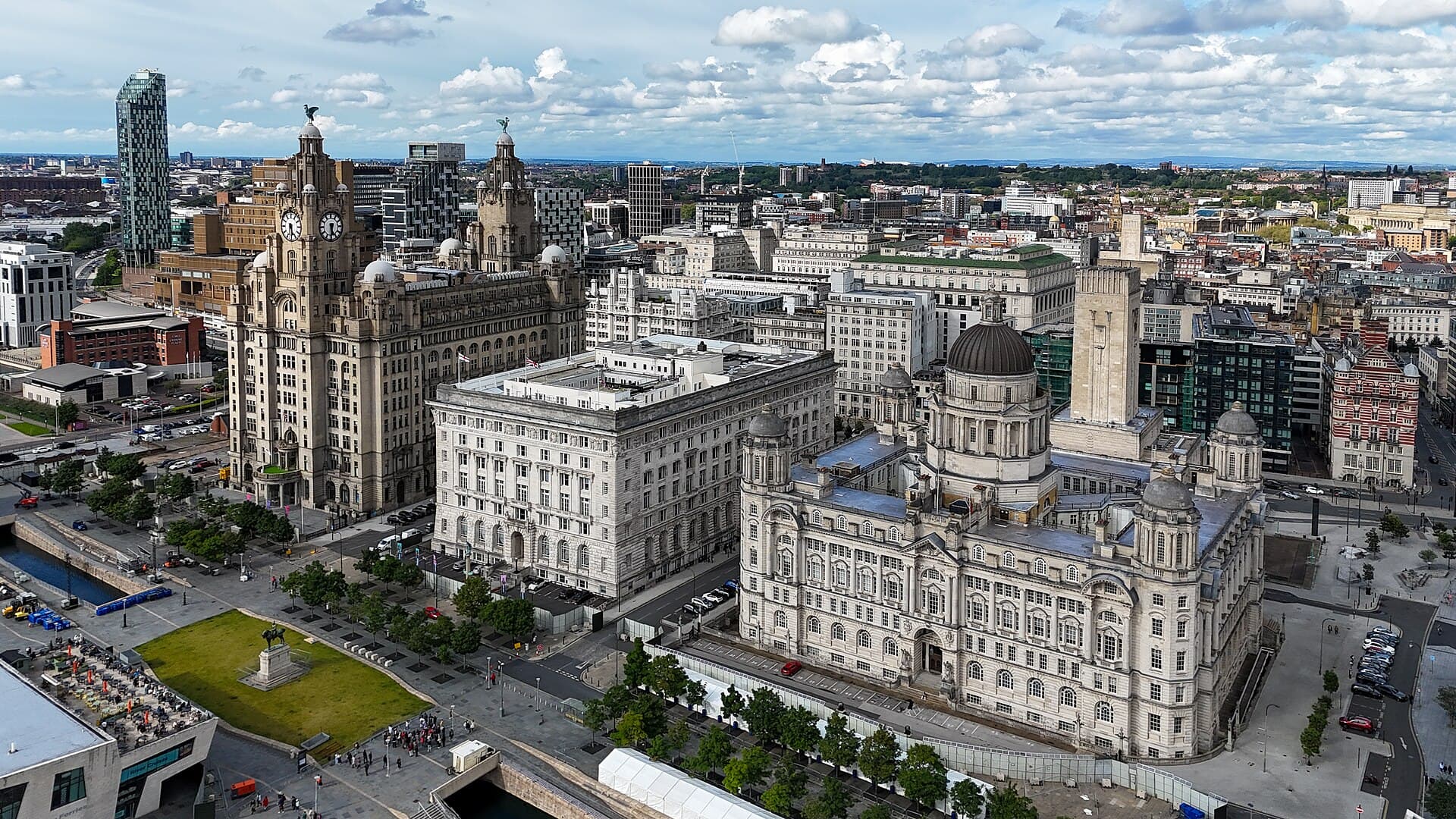
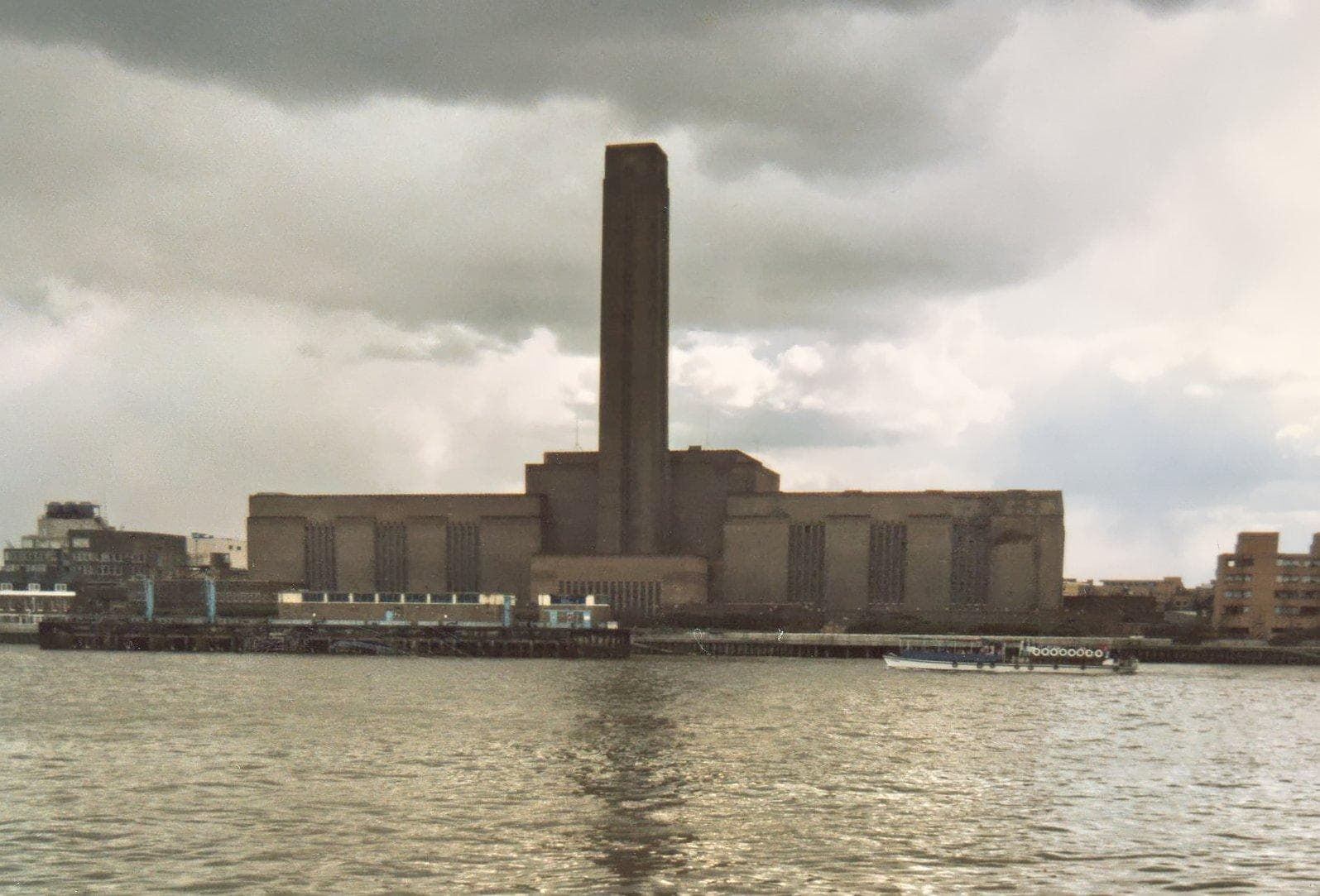
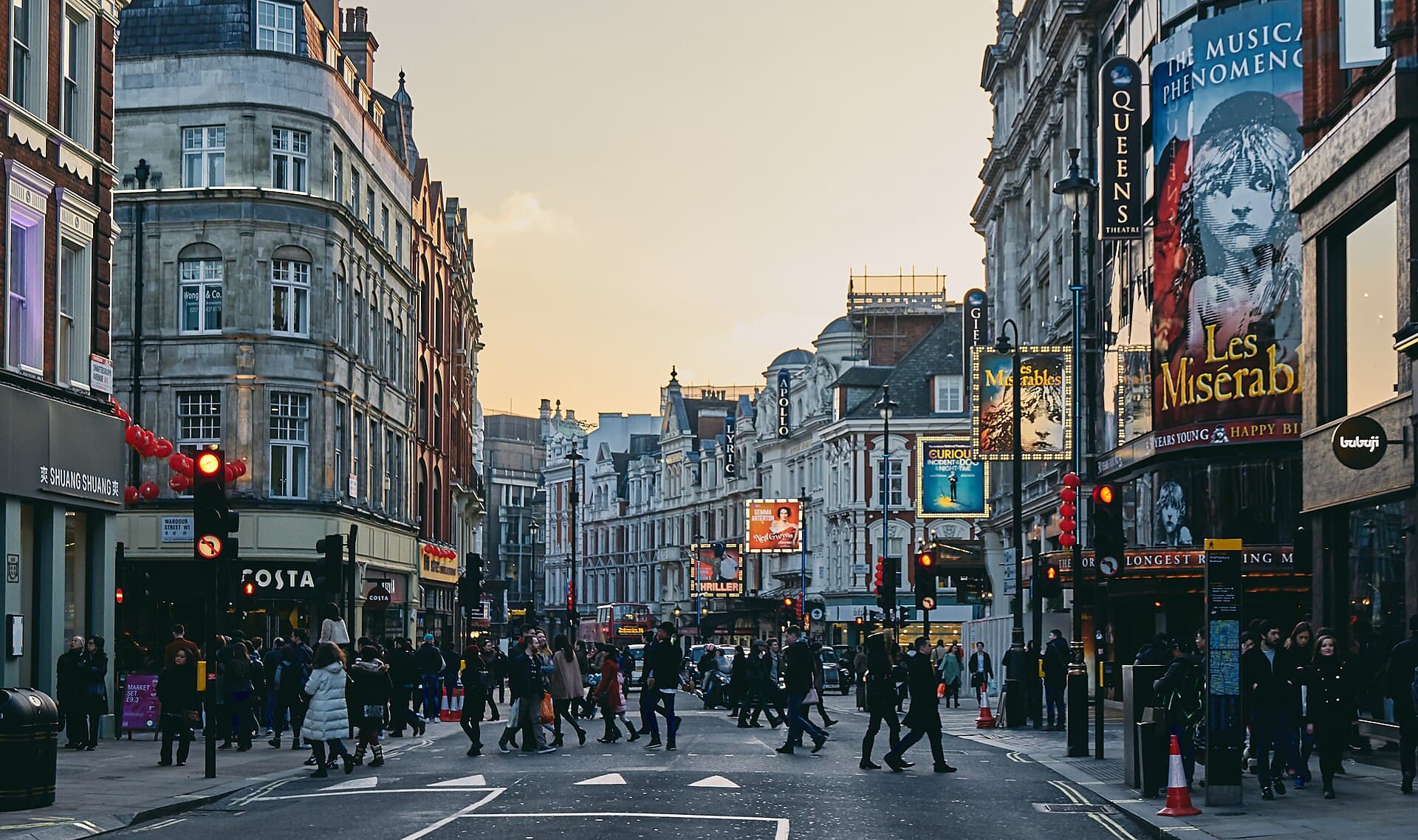
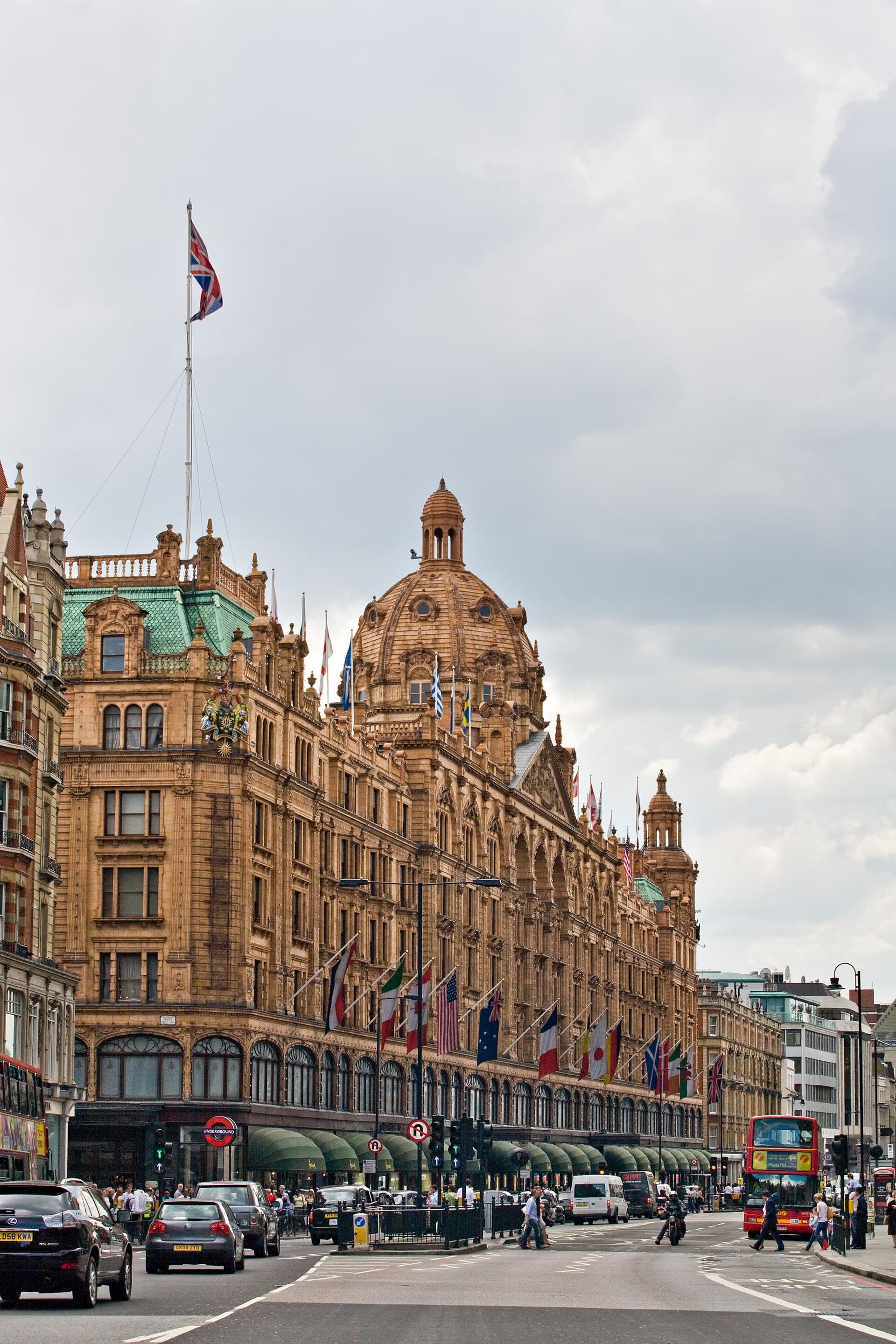
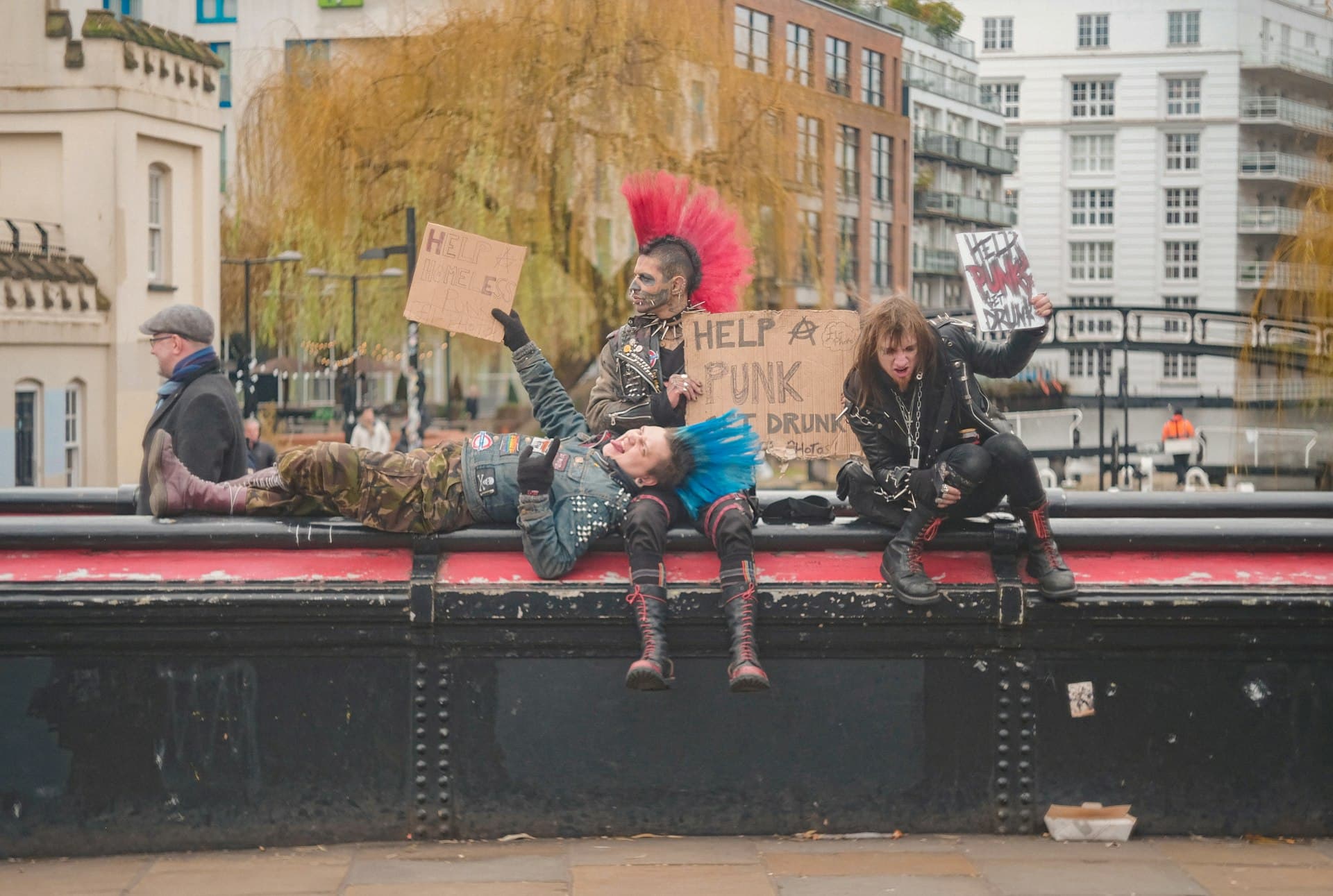


Il tuo tour audio autoguidato di Londra è pronto — scegli i tuoi punti di interesse, seleziona la tua lingua e inizia nel momento in cui arrivi.
AcquistaLume include una guida in realtà aumentata. Alza il telefono: la fotocamera mostra la strada davanti a te, con una freccia luminosa sovrapposta all'immagine reale che punta sempre verso la tua prossima tappa — nessuna mappa da decifrare, nessuna svolta sbagliata. Come tutto in Lume, funziona completamente offline.
Londra si svela non solo in monumenti grandiosi ma nelle sottili sfumature dei suoi quartieri, ognuno con un carattere distinto. Dagli echi antichi nella City of London al battito artistico di Shoreditch, la città invita all'esplorazione oltre i sentieri battuti. È un luogo di continua reinvenzione, dove secoli di storia convivono con la modernità all'avanguardia, creando una trama urbana unica.
Prendetevi il tempo di passeggiare per i suoi vicoli meno battuti, scoprire i negozi indipendenti di Notting Hill o trovare un momento di quiete lungo il Tamigi a Rotherhithe. La città rivela il suo vero carattere in questi incontri intimi, offrendo una comprensione più profonda del suo fascino duraturo. Londra è una città da vivere, non solo da osservare, permettendo ai suoi molti strati di dispiegarsi ad ogni passo.
La storia di Londra iniziò con i Romani, che fondarono Londinium intorno al 43 d.C. Questo insediamento crebbe rapidamente fino a diventare un cruciale porto commerciale, la cui posizione strategica sul fiume Tamigi si rivelò inestimabile. Dopo il ritiro romano nel V secolo, l'area vide un periodo di declino, seguito dall'emergere dell'insediamento anglosassone di Lundenwic, leggermente a ovest dell'originario sito romano.
La conquista normanna del 1066 rimodellò profondamente Londra. Guglielmo il Conquistatore stabilì la Torre di Londra, una formidabile fortezza che simboleggiava il potere e il controllo normanno. Durante il periodo medievale, Londra crebbe in importanza come centro di commercio e governo, con la costruzione dell'Abbazia di Westminster e del Palazzo di Westminster che consolidarono il suo ruolo di sede del potere inglese.
Il XVII secolo portò immense sfide. La Grande Peste del 1665 devastò la popolazione, seguita rapidamente dal Grande Incendio di Londra del 1666, che consumò gran parte della città medievale. Questo evento catastrofico, tuttavia, offrì un'opportunità per una pianificazione urbana e una ricostruzione radicale. Gli ambiziosi progetti di Sir Christopher Wren, inclusa la Cattedrale di St Paul, ridefinirono lo skyline della città e posero le basi per il suo sviluppo futuro.
I secoli XVIII e XIX videro Londra espandersi drasticamente come cuore di un vasto impero. L'industrializzazione portò un'immensa ricchezza ma anche sfide sociali, portando a significativi progetti infrastrutturali come l'espansione dei docklands e la costruzione del sistema ferroviario sotterraneo. L'era vittoriana lasciò un segno indelebile sull'architettura e sul tessuto sociale della città.
Il XX secolo presentò nuove prove, tra cui il Blitz durante la Seconda Guerra Mondiale, che richiese nuovamente un'ampia ricostruzione. Londra post-bellica si trasformò in una città globale multiculturale, abbracciando diverse influenze e diventando un centro leader per la finanza, la cultura e l'innovazione. Oggi, Londra continua a evolversi, una metropoli dinamica che porta con rispetto il suo lungo passato in un futuro proiettato in avanti.
Esplora gli storici mercati coperti di Borough Market, un luogo dove il cibo viene scambiato da secoli. Passeggia per il Sir John Soane's Museum, un affascinante museo-casa pieno di antichità, arte e modelli architettonici, conservato esattamente come lo lasciò l'eccentrico architetto. Scopri le Churchill War Rooms, il bunker sotterraneo che servì da centro di comando del governo britannico durante la Seconda Guerra Mondiale.
Fai una passeggiata attraverso Richmond Park, un vasto spazio verde che offre avvistamenti di cervi e viste panoramiche sulla città. Visita la Tate Modern per l'arte contemporanea all'interno di una centrale elettrica riconvertita sulla South Bank. Per un'immersione più profonda nel passato di Londra, esplora il Museum of London Docklands, ospitato in un magazzino del XIX secolo, che illustra la storia del Tamigi e del porto di Londra.
La primavera (aprile-maggio) e l'autunno (settembre-ottobre) offrono un clima piacevole per l'esplorazione, con meno folla rispetto ai mesi di punta estivi. I parchi della città sono particolarmente belli in primavera e il calendario culturale rimane ricco in autunno. L'inverno porta mercatini festivi e un'atmosfera accogliente, anche se le temperature sono più fresche.
La rete di trasporti pubblici di Londra, inclusa la metropolitana (Tube), gli autobus e la DLR, è estesa ed efficiente. Considera l'acquisto di una Oyster card o l'utilizzo del pagamento contactless per facilitare gli spostamenti. Taxi e servizi di ride-sharing sono anch'essi facilmente disponibili. L'inglese è la lingua ufficiale e la valuta è la Sterlina Britannica (GBP). Le prese elettriche sono di tipo G e richiedono una spina a tre poli. La mancia è consuetudine nei ristoranti (10-15%) e per un buon servizio.
Londra — coreano, cinese, ebraico e altre 29 lingue, ogni tappa narrata da una voce madrelingua. La più ampia scelta di lingue tra i tour audio autoguidati.
Disponibile in: