Castello di Lorca
All'interno delle mura del Castello di Lorca, una sinagoga racconta una storia diversa dalla maggior parte dei siti ebraici in Spagna.
La storia completa si sblocca nel tour
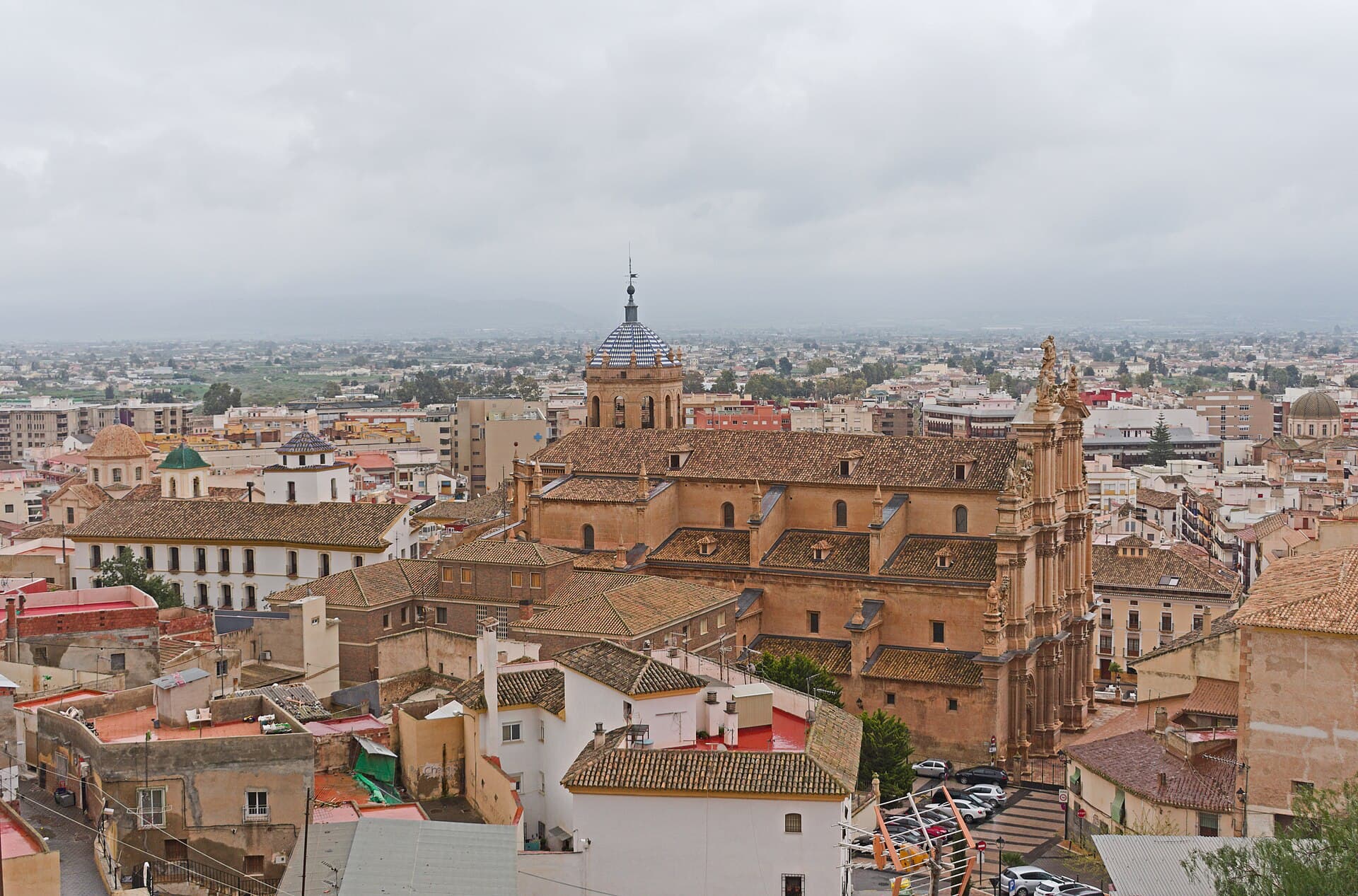 Ymblanter / CC BY-SA 4.0, via Wikimedia Commons
Tour audio autoguidato di Lorca — percorso GPS a piedi, riproduzione offline, narrazione coinvolgente in 32 lingue.
“Dove la grandezza barocca incontra antichi segreti.”
Non le cartoline. Le storie che nemmeno i locali conoscono — sussurrate nel tuo orecchio, proprio dove sono accadute.
All'interno delle mura del Castello di Lorca, una sinagoga racconta una storia diversa dalla maggior parte dei siti ebraici in Spagna.
La Settimana Santa di Lorca va oltre la devozione religiosa; si svolge come uno spettacolo alimentato da una rivalità antica di secoli.
Lorca, conosciuta come la 'Città del Sole', ha vissuto un evento devastante nel 2011 che ha profondamente alterato il suo centro storico.
Scopri ogni segreto di Lorca
Ogni indirizzo, ogni rivelazione completa — nel tuo orecchio, proprio dove è accaduta.
Scegli le tue tappe. Cammini. La voce rivela ciò che gli altri perdono.


Il tuo tour audio autoguidato di Lorca è pronto — scegli i tuoi punti di interesse, seleziona la tua lingua e inizia nel momento in cui arrivi.
AcquistaLume include una guida in realtà aumentata. Alza il telefono: la fotocamera mostra la strada davanti a te, con una freccia luminosa sovrapposta all'immagine reale che punta sempre verso la tua prossima tappa — nessuna mappa da decifrare, nessuna svolta sbagliata. Come tutto in Lume, funziona completamente offline.
Lorca, spesso chiamata la 'Città del Sole' (Ciudad del Sol), offre un viaggio affascinante nella Regione di Murcia, nel sud-est della Spagna. Questa città storica presenta una notevole miscela di patrimonio monumentale, cultura vivace e un'atmosfera autentica. Con una storia che risale al Neolitico, e conosciuta successivamente come Eliocroca in epoca romana, Lorca è stata un crocevia di culture per millenni.
La sua posizione strategica nella fertile Valle del Guadalentín ha plasmato il suo sviluppo, da un importante insediamento dell'Età del Bronzo a una cruciale città di frontiera tra la Spagna cristiana e musulmana nel Medioevo. Oggi, Lorca è riconosciuta per la sua imponente architettura barocca, il suo imponente castello medievale e le sue distintive tradizioni culturali, in particolare le spettacolari processioni della Settimana Santa.
L'impegno della città nella salvaguardia del suo passato è evidente nella sua designazione come sito storico e artistico nel 1964 e nel riconoscimento con il Premio Europa Nostra per il restauro delle sue chiese storiche a seguito del terremoto del 2011.
## Dai Villaggi Antichi alla Città di Frontiera La storia di Lorca è profondamente radicata nell'antichità, con prove archeologiche che indicano un'abitazione umana continua fin dal Neolitico, circa 5.500 anni fa. I primi insediamenti permanenti fiorirono nella valle del fiume Guadalentín, attratti da fonti d'acqua, risorse minerarie e dalla sua posizione strategica lungo una rotta di comunicazione naturale con l'Andalusia. Durante l'Età del Bronzo, l'area fu sede della significativa cultura El Argar.
Sotto il dominio romano, la città era conosciuta come Eliocroca, o 'Città del Sole', un nome che compare nelle guide stradali romane e che ne significava l'importanza come insediamento. Dopo l'era romana, Lorca conobbe periodi sotto il controllo bizantino e visigoto prima della sua conquista durante l'invasione islamica della penisola iberica nel 713 d.C. Per oltre 500 anni, rimase sotto amministrazione musulmana, evolvendosi in un importante centro politico ed economico, con significativi progetti infrastrutturali tra cui la costruzione di una cinta muraria esterna e una potente alcazaba.
Nel 1244, il re Alfonso X di Castiglia, 'il Saggio', riconquistò Lorca, stabilendola come vitale città di frontiera tra il Regno cristiano di Murcia e l'Emirato musulmano di Granada. Per due secoli, Lorca servì come avamposto strategico, fondamentale negli assedi finali di Granada. L'aspetto della città cambiò dopo che la minaccia di guerra con Granada cessò nel 1492, portando a riforme urbane e a un aumento del commercio. Dal XVI al XVIII secolo segnarono un periodo di fioritura, con imponenti edifici rinascimentali e barocchi che plasmarono gran parte del carattere architettonico del centro di Lorca, guadagnandole il soprannome di 'città barocca'.
## Il Terremoto del 2011 e gli Sforzi di Restauro L'11 maggio 2011, Lorca fu colpita da un terremoto di magnitudo 5.1, preceduto da una scossa di assestamento di magnitudo 4.4. A causa della sua profondità ridotta, stimata a soli 3,5 km, il terremoto causò una significativa distruzione localizzata, in particolare agli edifici più antichi e ai siti del patrimonio storico, tra cui la Torre dell'Espolón del Castello di Lorca e la Collegiata di San Patrizio. L'evento provocò nove vittime e sfollò molti residenti. Da allora, la città ha intrapreso estesi sforzi di restauro, guadagnandosi il Premio Europa Nostra per il suo lavoro nella conservazione del suo patrimonio.
Inizia la tua esplorazione dal Castello di Lorca, noto anche come la 'Fortezza del Sole'. Questa vasta fortezza medievale, attiva per quasi 900 anni, offre un viaggio nel tempo con le sue torri cristiane, le cisterne islamiche e una distintiva sinagoga del XV secolo. Dal castello, si può godere di ampie viste sulla Valle del Guadalentín.
Scendi nella Città Vecchia, dove puoi passeggiare per stradine strette e scoprire la Plaza de España, il cuore della città. Qui troverai edifici emblematici come il Municipio, la Collegiata di San Patrizio (l'unica chiesa in Spagna dedicata al santo) e la Casa del Corregidor. Non perderti gli squisiti palazzi barocchi come il Palacio de Guevara, noto per la sua facciata intricata e gli scudi araldici.
Per una comprensione più approfondita dell'identità culturale di Lorca, visita il Museo Azul de la Semana Santa (MASS) e il Museo de Bordados del Paso Blanco. Questi musei espongono i notevoli ricami in seta e oro che sono centrali per le celebrate processioni della Settimana Santa di Lorca, illuminando la rivalità artistica tra le confraternite 'Blu' e 'Bianca'. Il Museo Archeologico di Lorca ospita reperti dall'era paleolitica ai tempi moderni, inclusi oggetti della cultura El Argar e del quartiere ebraico.
Lorca gode di un clima mediterraneo caldo e semi-arido, offrendo abbondante sole tutto l'anno. Il periodo più piacevole per visitarla è durante la primavera (marzo, aprile, maggio) e l'autunno (settembre, ottobre, novembre). Durante questi periodi, le temperature diurne sono piacevolmente miti, variando tra 19°C e 29°C, rendendola ideale per passeggiare per la città. Le estati (luglio e agosto) sono calde, con temperature diurne medie che spesso superano i 30°C e raggiungono anche i 40°C, e le piogge sono infrequenti. Gli inverni sono miti e gradevoli, con temperature medie intorno ai 10°C, anche se le notti possono essere più fresche.
Lorca è raggiungibile in auto, treno o autobus. Se si guida da Murcia, prendere l'autostrada A-7. La città si trova a circa 58 chilometri a sud-ovest della città di Murcia. Una volta a Lorca, molte delle attrazioni principali nel centro storico sono raggiungibili a piedi. Considera di iniziare la tua visita al Centro de Visitantes (Centro Visitatori) nell'ex Convento de La Merced, dove puoi ritirare una mappa e individuare i parcheggi.
Per coloro che pianificano un soggiorno prolungato, sono disponibili varie opzioni di alloggio, inclusi hotel come il Parador de Lorca, integrato nel complesso del castello. La città offre una vasta gamma di ristoranti e servizi turistici. L'iniziativa 'Lorca, un Laboratorio nel Tempo' offre tour turistici, tra cui un trenino turistico e l'ingresso ai principali monumenti e musei. Inoltre, la tessera sconto turistica 'Amigo de Lorca' offre prezzi ridotti o ingresso gratuito a molte attrazioni.
Lorca — coreano, cinese, ebraico e altre 29 lingue, ogni tappa narrata da una voce madrelingua. La più ampia scelta di lingue tra i tour audio autoguidati.
Disponibile in: