La Santa Casa all'interno della Basilica della Santa Casa
Le mura della Santa Casa non sono di pietra locale italiana e le loro origini puntano a una terra lontana.
La storia completa si sblocca nel tour
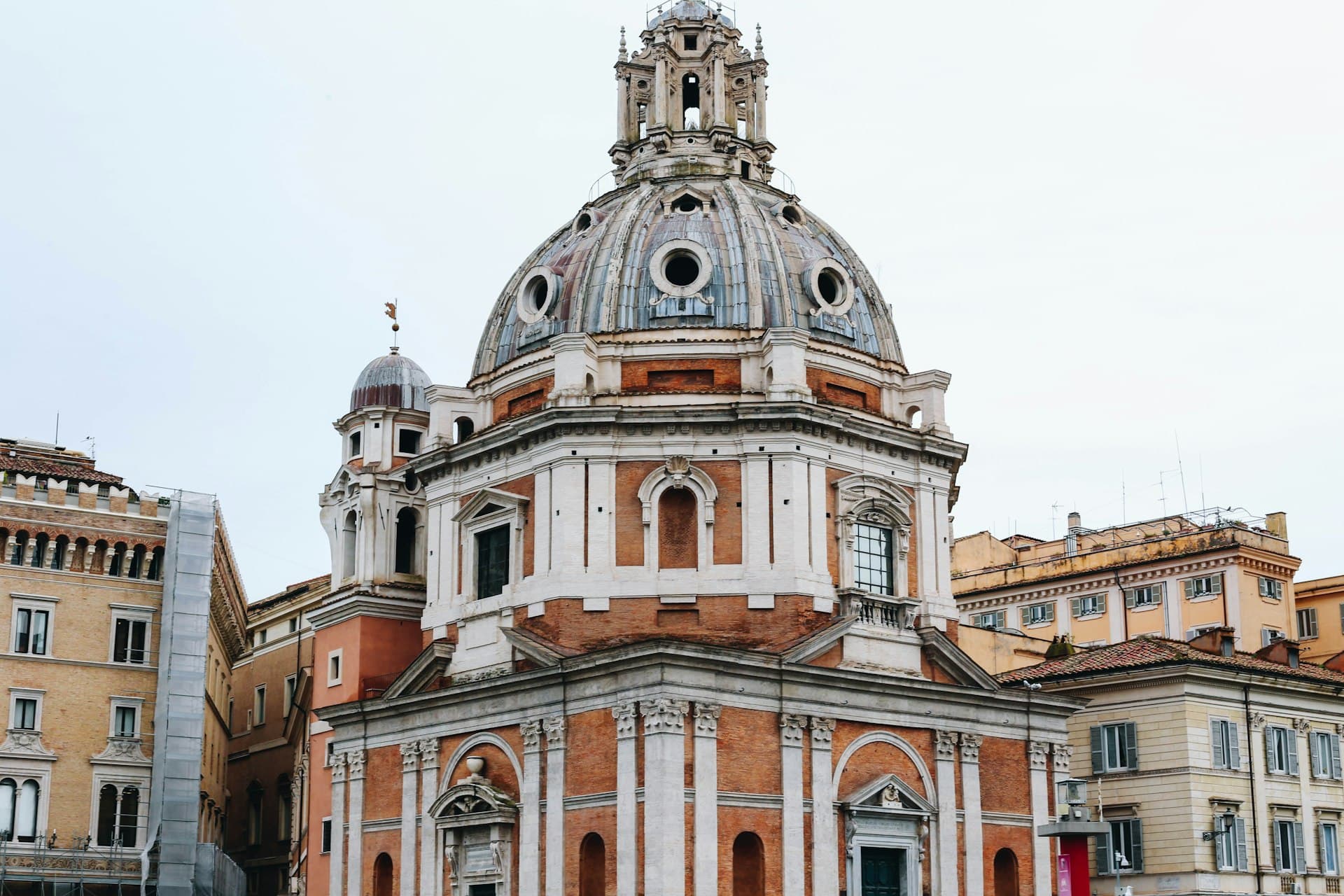 Photo: Nastya Dulhiier / Unsplash
Tour audio autoguidato di Loreto — percorso GPS a piedi, riproduzione offline, narrazione coinvolgente in 32 lingue.
“Dove antiche pietre sussurrano un viaggio miracoloso attraverso mari e secoli.”
Non le cartoline. Le storie che nemmeno i locali conoscono — sussurrate nel tuo orecchio, proprio dove sono accadute.
Le mura della Santa Casa non sono di pietra locale italiana e le loro origini puntano a una terra lontana.
Le imponenti porte bronzee della Basilica raccontano una storia di vittoria e liberazione, non solo di fede.
L'iconica Madonna Nera di Loreto non è l'originale, e la sua tonalità scura ha una sorprendente e pratica spiegazione.
Scopri ogni segreto di Loreto
Ogni indirizzo, ogni rivelazione completa — nel tuo orecchio, proprio dove è accaduta.
Scegli le tue tappe. Cammini. La voce rivela ciò che gli altri perdono.


Il tuo tour audio autoguidato di Loreto è pronto — scegli i tuoi punti di interesse, seleziona la tua lingua e inizia nel momento in cui arrivi.
AcquistaLume include una guida in realtà aumentata. Alza il telefono: la fotocamera mostra la strada davanti a te, con una freccia luminosa sovrapposta all'immagine reale che punta sempre verso la tua prossima tappa — nessuna mappa da decifrare, nessuna svolta sbagliata. Come tutto in Lume, funziona completamente offline.
Loreto, una cittadina nella regione Marche in Italia, sorge su una collina, dominando il Mar Adriatico e le dolci ondulazioni della campagna verdeggiante. È uno dei centri di pellegrinaggio cattolico più significativi al mondo, attirando milioni di visitatori ogni anno. La fama della città deriva dalla Basilica della Santa Casa, che, secondo la tradizione, racchiude la dimora della Vergine Maria, trasportata dagli angeli da Nazareth.
Oltre alla sua importanza spirituale, Loreto offre una fusione di autentica cultura italiana, cucina regionale e architettura storica. Il nucleo compatto della città, racchiuso da mura rinascimentali, presenta stretti vicoli lastricati che convergono nella centrale Piazza della Madonna. Da vari punti panoramici, i visitatori possono godere di ampie vedute del paesaggio circostante, tra cui vigneti, il promontorio del Conero e la costa adriatica.
Le origini di Loreto sono profondamente intrecciate con la leggenda della Santa Casa. La tradizione afferma che questo semplice cottage di pietra sia l'effettiva dimora della Vergine Maria a Nazareth, dove si svolse l'Annunciazione e dove Gesù trascorse i suoi primi anni. Minacciata di distruzione dai Turchi in Terra Santa, la casa si dice sia stata miracolosamente trasportata dagli angeli attraverso il Mediterraneo. Apparve per la prima volta a Tersatto (Trsat, Croazia) nel 1291, poi si spostò in vari luoghi in Italia prima di stabilirsi a Loreto nel 1294 tra gli alberi di alloro, che diedero il nome alla città.
Mentre la traslazione angelica rimane una credenza cara, l'indagine storica e archeologica offre una prospettiva alternativa. Documenti scoperti nel 1900 suggeriscono che le tre mura di pietra della casa di Maria furono trasportate da Nazareth via nave, un'impresa finanziata dalla nobile famiglia bizantina Angeli, il cui nome significa 'angeli' sia in greco che in latino. Indipendentemente dal preciso metodo di arrivo, l'analisi archeologica conferma che le mura della Santa Casa provengono dalla Palestina del I secolo, costruite con tecniche edilizie nabatee caratteristiche dell'antica Nazareth.
Nel 1468 iniziò la costruzione di una basilica per salvaguardare la Santa Casa, che si evolse nell'imponente Basilica della Santa Casa che vediamo oggi. Questo grande complesso è una testimonianza di secoli di devozione e impegno artistico, con contributi di celebri architetti e artisti come Bramante, Sansovino, Sangallo il Giovane, Luca Signorelli, Lorenzo Lotto e Luigi Vanvitelli. Papa Sisto V fortificò Loreto nel 1586, concedendole i privilegi di città. La città crebbe attorno al Santuario, attirando pellegrini e diventando un importante centro di pellegrinaggio cristiano. Il significato di Loreto è stato ulteriormente consolidato da numerosi riconoscimenti papali, tra cui Papa Francesco che ha elevato la Madonna di Loreto al Calendario Romano Universale nel 2019, designando il 10 dicembre come Memoria Facoltativa in commemorazione dell'arrivo della Santa Casa.
Il cuore di Loreto è la Basilica della Santa Casa, una maestosa basilica simile a una fortezza che racchiude la venerata Santa Casa della Vergine Maria. La Santa Casa stessa, una semplice struttura in pietra, è racchiusa in un'ornata schermatura di marmo progettata da Bramante e adornata con sculture che raffigurano scene della vita di Maria. All'interno, scoprirete la statua della Madonna Nera con il Bambino, una riproduzione moderna dell'originale andato perduto in un incendio.
Adiacente alla Basilica si trova il Palazzo Apostolico, che fa parte del complesso del santuario. Questo imponente palazzo rinascimentale ospita il Museo Pontificio Santa Casa (Museo-Pinacoteca della Santa Casa). Qui, i visitatori possono esplorare un'ampia collezione di opere d'arte, tra cui dipinti di Lorenzo Lotto e Cristoforo Roncalli (Pomarancio), arazzi antichi e ceramiche, che narrano la storia di questo luogo sacro.
Per ampie vedute, considerate una passeggiata sul Camminamento di Ronda lungo le mura rinascimentali della città. Questo percorso protetto, un tempo percorso da guardie medievali, offre viste mozzafiato sulla Riviera del Conero, sul Mar Adriatico e sui Monti Appennini Umbro-Marchigiani.
Loreto mantiene anche un legame unico con l'aviazione. Il Museo Storico dell'Aeronautica, situato vicino a Piazza della Madonna, conserva un'esclusiva collezione di storia dell'aviazione, tra cui uniformi militari, attrezzature di volo e modelli di aeromobili. Questo legame deriva dal fatto che la Madonna di Loreto è stata proclamata patrona universale di tutti i viaggiatori aerei da Papa Benedetto XV nel 1920.
Il periodo più favorevole per visitare Loreto per un clima gradevole e meno folla è durante la primavera (aprile-maggio) e l'inizio dell'autunno (settembre-ottobre). In questi mesi, le temperature sono miti, rendendo confortevole l'esplorazione della città e dei suoi dintorni. L'estate (giugno-agosto) porta temperature calde, ideali per chi è interessato alle attività balneari lungo la vicina costa adriatica, ma significa anche un maggior afflusso di persone. Gli inverni (dicembre-febbraio) sono freddi e parzialmente nuvolosi, con dicembre che riveste particolare importanza per le celebrazioni legate alla Festa della Madonna di Loreto.
Loreto è una cittadina compatta, facilmente percorribile a piedi. Per raggiungere Loreto, la città dispone di una propria stazione ferroviaria sulla linea Ancona-Pescara, con frequenti servizi regionali. Su strada, si trova a circa 30 chilometri a sud di Ancona, e l'aeroporto più vicino è Ancona Falconara.
Quando si visitano la Basilica e altri luoghi sacri, è consigliabile indossare abiti rispettosi, evitando indumenti troppo succinti. Si raccomandano scarpe comode per camminare sul terreno collinare della città. Sebbene Loreto sia generalmente sicura, è saggio osservare le precauzioni di base. Se necessitate di un taxi a tarda notte, è meglio chiedere al vostro hotel o a un ristorante di organizzarlo, poiché trovare un'auto libera per strada può essere difficile.
Loreto offre una gamma di alloggi, da hotel a ristoranti agrituristici in campagna. Troverete anche negozi locali che vendono prodotti artigianali, in particolare arte religiosa e rosari, che costituiscono souvenir distintivi.
Loreto — coreano, cinese, ebraico e altre 29 lingue, ogni tappa narrata da una voce madrelingua. La più ampia scelta di lingue tra i tour audio autoguidati.
Disponibile in: