Het Hollywood Sign
Het iconische Hollywood Sign verkondigde niet altijd de aanwezigheid van de filmhoofdstad.
Volledig verhaal ontgrendeld in de tour
 Photo: Andy Feliciotti / Unsplash
Zelfgeleide audiowandeling door Los Angeles — GPS-route, offline afspelen, meeslepende vertelling in 32 talen.
“Voorbij de glitter, een stad van onverwachte diepten.”
Niet de ansichtkaarten. De verhalen die zelfs locals niet kennen — gefluisterd in je oor, precies waar ze gebeurden.
Het iconische Hollywood Sign verkondigde niet altijd de aanwezigheid van de filmhoofdstad.
Onder de bruisende straten van Downtown Los Angeles ligt een netwerk.
Los Angeles, de stad van dromen, was ooit een stad van boortorens.
Ontdek elk geheim van Los Angeles
Elk adres, elke onthulling volledig — in je oor, precies waar het gebeurde.
Jij kiest je stops. Jij wandelt. De stem onthult wat de anderen missen.
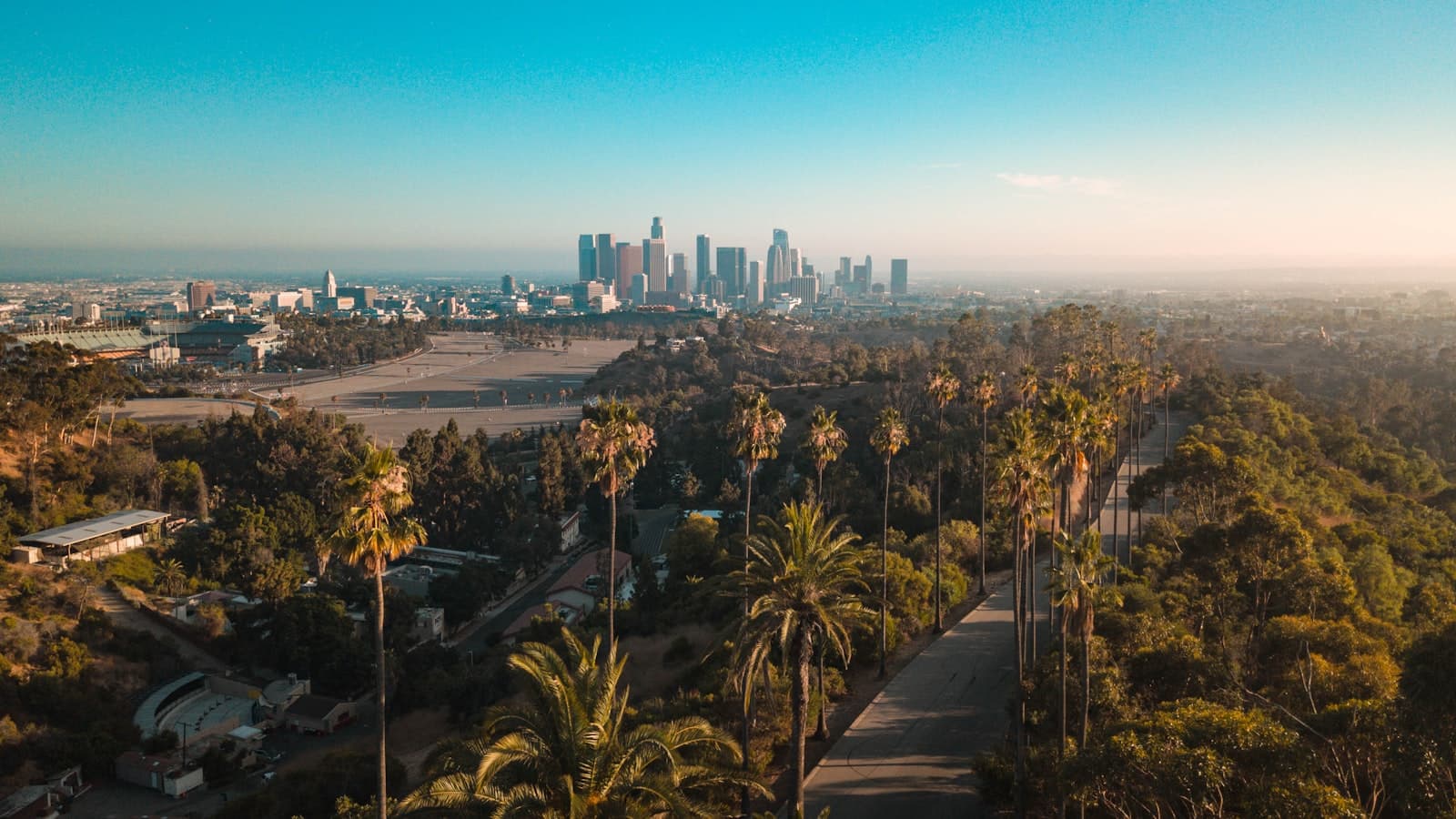
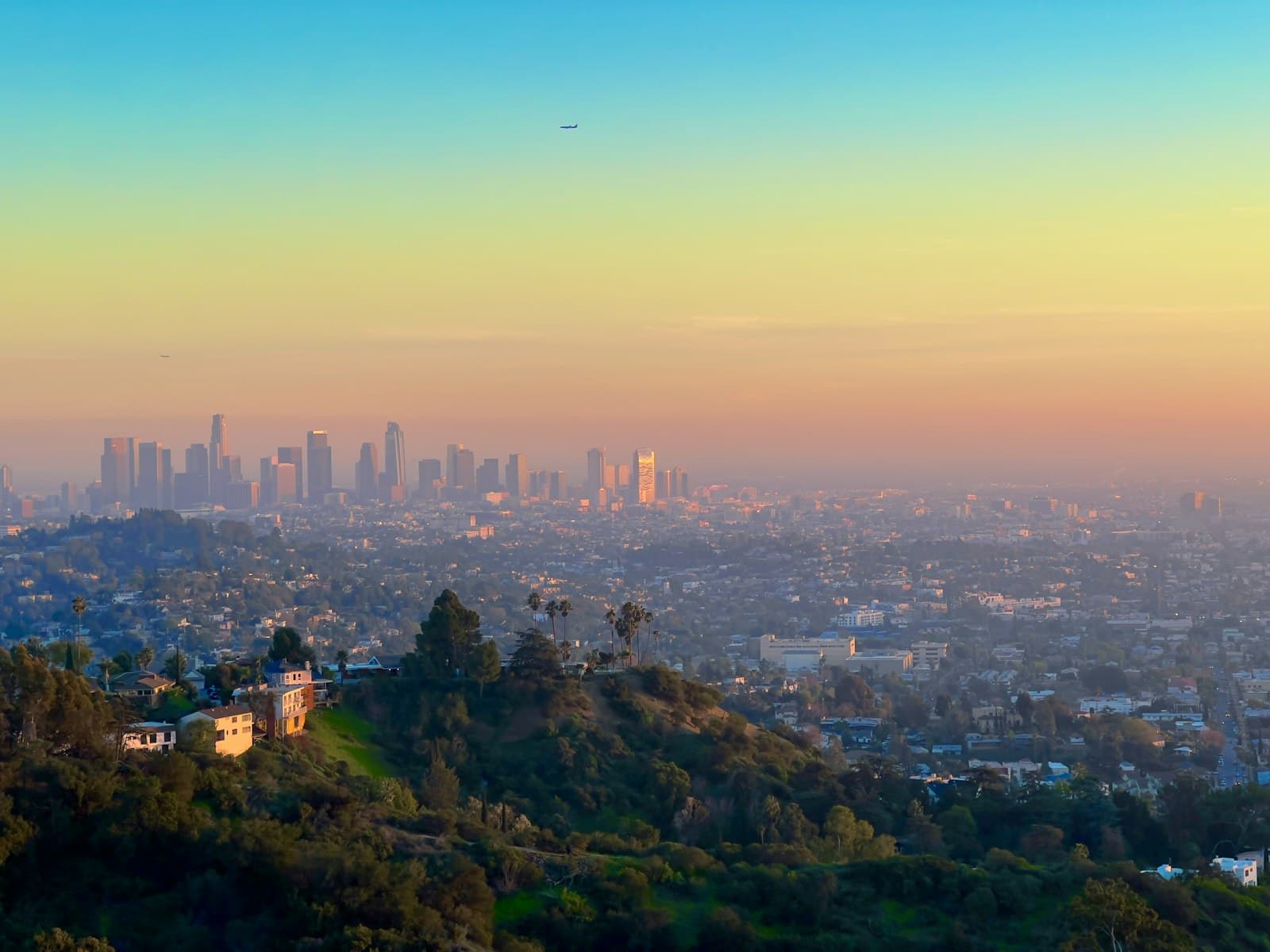
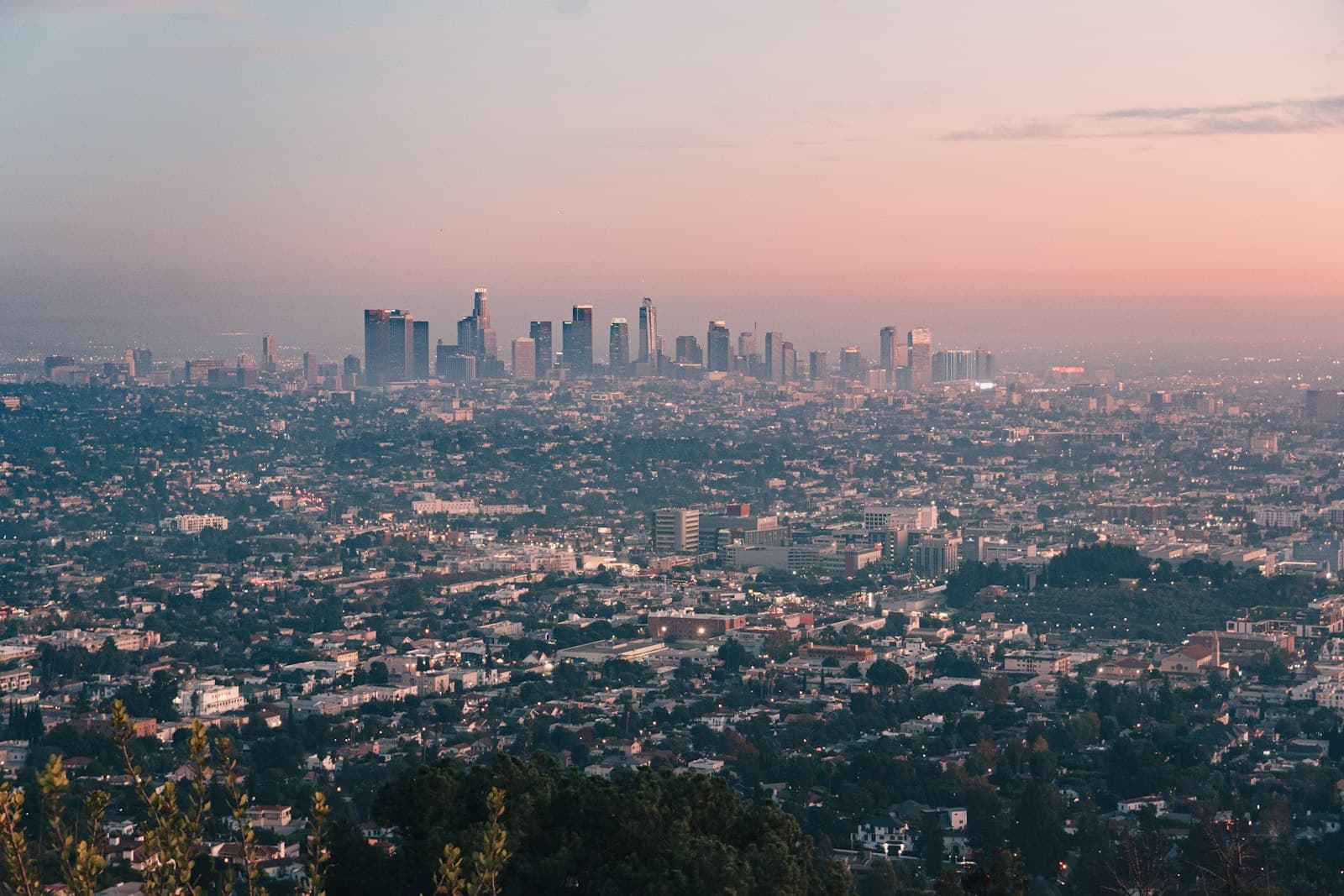
Je zelfgeleide audiotour van Los Angeles is klaar — kies je bezienswaardigheden, kies je taal en start zodra je aankomt.
KopenLume heeft een ingebouwde augmented-reality-gids. Houd je telefoon omhoog: de camera toont de straat voor je, met een oplichtende pijl over het echte beeld die altijd naar je volgende stop wijst — geen kaart om uit te puzzelen, geen verkeerde afslagen. Zoals alles in Lume werkt het volledig offline.
Los Angeles, een uitgestrekte metropool in Zuid-Californië, presenteert zich vaak als een canvas van Hollywood-glamour en zonovergoten stranden. Toch ligt er onder dit vertrouwde oppervlak een stad van diepe complexiteit en verrassende geschiedenis. Het is een plek waar diverse culturen samenkomen, met meer dan 224 geïdentificeerde talen uit meer dan 140 landen, wat het tot een echt cultureel centrum van de Pacifische kust maakt. Van zijn oorsprong als een Spaans pueblo tot zijn huidige status als een wereldwijd epicentrum voor entertainment, technologie en handel, heruitvindt Los Angeles zichzelf voortdurend en biedt het een steeds evoluerend landschap van ervaringen.
Voorbij de filmische façade is Los Angeles een stad van onderscheidende wijken, elk met zijn eigen karakter en ritme. Het is een bestemming waar je 's ochtends kunt skiën en 's middags kunt surfen, dankzij de unieke geografie die zowel uitgestrekte stranden als nabijgelegen bergketens omvat. De culturele aanbiedingen van de stad reiken veel verder dan filmstudio's; het heeft meer musea dan enige andere stad in de VS, waaronder New York City, naast een bloeiende kunstscene. Los Angeles nodigt uit tot ontdekking, waarbij lagen van innovatie, geschiedenis en onverwachte charme worden onthuld aan degenen die bereid zijn verder te kijken dan het voor de hand liggende.
Het verhaal van Los Angeles begint lang voordat Hollywood de schijnwerpers op zich richtte. Het gebied was oorspronkelijk de thuisbasis van de inheemse Amerikaanse stammen Chumash en Tongva. In 1769 bereikte de Spaanse ontdekkingsreiziger Gaspar de Portolà de locatie, en kort daarna werd in 1771 de Mission San Gabriel Arcángel gesticht.
De officiële stichtingsdatum van Los Angeles is 4 september 1781, toen 44 kolonisten uit Nieuw-Spanje, een diverse groep van inheemse Amerikaanse, Afrikaanse en Europese afkomst, een landbouwgemeenschap stichtten. Ze noemden het "El Pueblo de Nuestra Señora la Reina de los Ángeles", oftewel "Het Stadje van Onze Lieve Vrouw Koningin van de Engelen". Het pueblo groeide onder Spaans bewind en werd vervolgens onderdeel van Mexico na de onafhankelijkheid in 1821. Los Angeles werd officieel uitgeroepen tot stad in 1835.
Californië werd in 1848 onderdeel van de Verenigde Staten, na de Mexicaans-Amerikaanse Oorlog. De voltooiing van de Santa Fe spoorlijn in 1885 bracht een aanzienlijke instroom van nieuwe inwoners, voornamelijk uit het Midden-Westen en de Upland South. De ontdekking van olie in de jaren 1890 voedde verdere snelle groei, waardoor de stad transformeerde tot een economische grootmacht. Tegen 1930 produceerde Los Angeles een kwart van de wereldolie. De vroege 20e eeuw zag ook de opkomst van de filmindustrie, met de eerste filmstudio die in 1911 werd opgericht. Dit verstevigde de wereldwijde faam van Los Angeles en droeg bij aan de bloeiende bevolking gedurende de jaren '20 en '30.
De Tweede Wereldoorlog bracht nieuwe industrieën, met name de hightech vliegtuigbouw, wat de economie van de stad verder diversifieerde. Deze periode kende echter ook raciale spanningen, waaronder de Zoot Suit Riots in 1943. In het midden van de 20e eeuw transformeerde Los Angeles van een stad met een van 's werelds meest uitgebreide elektrische treinnetwerken naar een stad die afhankelijk was van auto's, wat leidde tot de beruchte verkeersdrukte die het vandaag de dag ervaart. Sinds de jaren '60 hebben nieuwe aankomsten uit Mexico en Azië het demografische landschap blijven transformeren, waardoor Los Angeles een van de meest cultureel diverse steden ter wereld is.
Los Angeles biedt een breed scala aan bezienswaardigheden, van iconische monumenten tot diverse culturele enclaves. Een bezoek omvat het zien van het Hollywood Sign en wandelen langs de Hollywood Walk of Fame, waar sterren entertainmentlegendes eren. Het TCL Chinese Theatre aan Hollywood Boulevard is een andere opmerkelijke plek, beroemd om de handafdrukken en handtekeningen van Hollywood-iconen.
Voor panoramische uitzichten over de stad, ga naar het Griffith Observatory in Griffith Park, dat ook uitstekende mogelijkheden biedt voor sterrenkijken. Griffith Park zelf is een van de grootste stadsparken van het land, met kilometers aan wandelpaden. Ontdek de levendige energie van Venice Beach met zijn promenade, straatkunst en bohemien winkels. De Santa Monica Pier biedt klassiek kustvermaak met een pretpark en aquarium.
Kunstliefhebbers zullen het Getty Center waarderen, bekend om zijn kunstcollecties, tuinen en weidse uitzichten over de stad en de oceaan. Voor een vleugje geschiedenis, bezoek Olvera Street in El Pueblo de Los Angeles, een levendige Mexicaanse marktplaats die de geboorteplaats van de stad markeert en het Avila Adobe huisvest, het oudste huis in LA. Andere opmerkelijke attracties zijn Universal Studios Hollywood voor film-thema attracties en ervaringen en de La Brea Tar Pits, waar je fossielen uit het IJstijdperk kunt zien borrelen midden in de stad.
Los Angeles geniet het hele jaar door van een mild, mediterraan klimaat met veel zonneschijn, waardoor het een geschikte bestemming is in elk seizoen. Het warme seizoen, van juli tot september, kent gemiddelde dagelijkse maximumtemperaturen boven de 27°C, waarbij augustus de warmste maand is. Kustgebieden profiteren echter van verkoelende zeewind. Het koele seizoen, van eind november tot eind maart, heeft gemiddelde dagelijkse maxima onder de 21°C, waarbij december de koudste maand is. Neerslag is schaars en valt voornamelijk van december tot maart, terwijl de zomers droog zijn.
Voor algemene buitenactiviteiten en aangenaam weer wordt de periode van eind mei tot half oktober als ideaal beschouwd. Lente (maart tot mei) en herfst (september tot november) bieden comfortabele temperaturen, minder drukte en helderdere luchten, waardoor ze uitstekende keuzes zijn om de stad te verkennen.
Navigeren door Los Angeles kan een uitdaging zijn vanwege de uitgestrektheid en de bekende verkeersopstoppingen, vooral tijdens de spitsuren (weekdagen van 7-9 uur 's ochtends en 15-19 uur 's avonds). Hoewel een auto vaak wordt aanbevolen voor flexibiliteit, wordt het openbaar vervoer uitgebreid en kan het een haalbare optie zijn voor toeristen, met name voor het bereiken van populaire gebieden.
Het Los Angeles Metro systeem omvat metro's, lightrails en bussen en bedient een groot deel van Los Angeles County. Koop een herbruikbare TAP card voor $2 bij kaartautomaten op stations of online, laad deze vervolgens op met een pas (dagelijks of wekelijks) of contant geld. Een enkele rit kost $1.75 en biedt twee uur lang overstelmogelijkheden. De B-Line (Red Line) is bijzonder nuttig voor het verbinden van Hollywood met Downtown. Shuttlebussen, zoals de LAX FlyAway Bus, verbinden Los Angeles International Airport (LAX) met belangrijke knooppunten zoals Union Station. Ritdeelplatforms zoals Uber en Lyft zijn ook breed beschikbaar. Bij het autorijden, plan uw routes om de reistijd te minimaliseren en wees voorbereid op parkeerproblemen; meters accepteren vaak munten of creditcards.
Los Angeles — Koreaans, Chinees, Hebreeuws en nog 29 talen, elke stop verteld door een moedertaalspreker. Het grootste taalaanbod van alle zelfgeleide audiotours.
Beschikbaar in: