Mercato Municipale di Loulé
Le caratteristiche cupole rosse del mercato di Loulé suggeriscono un legame più profondo con il suo passato rispetto alla sola architettura.
La storia completa si sblocca nel tour
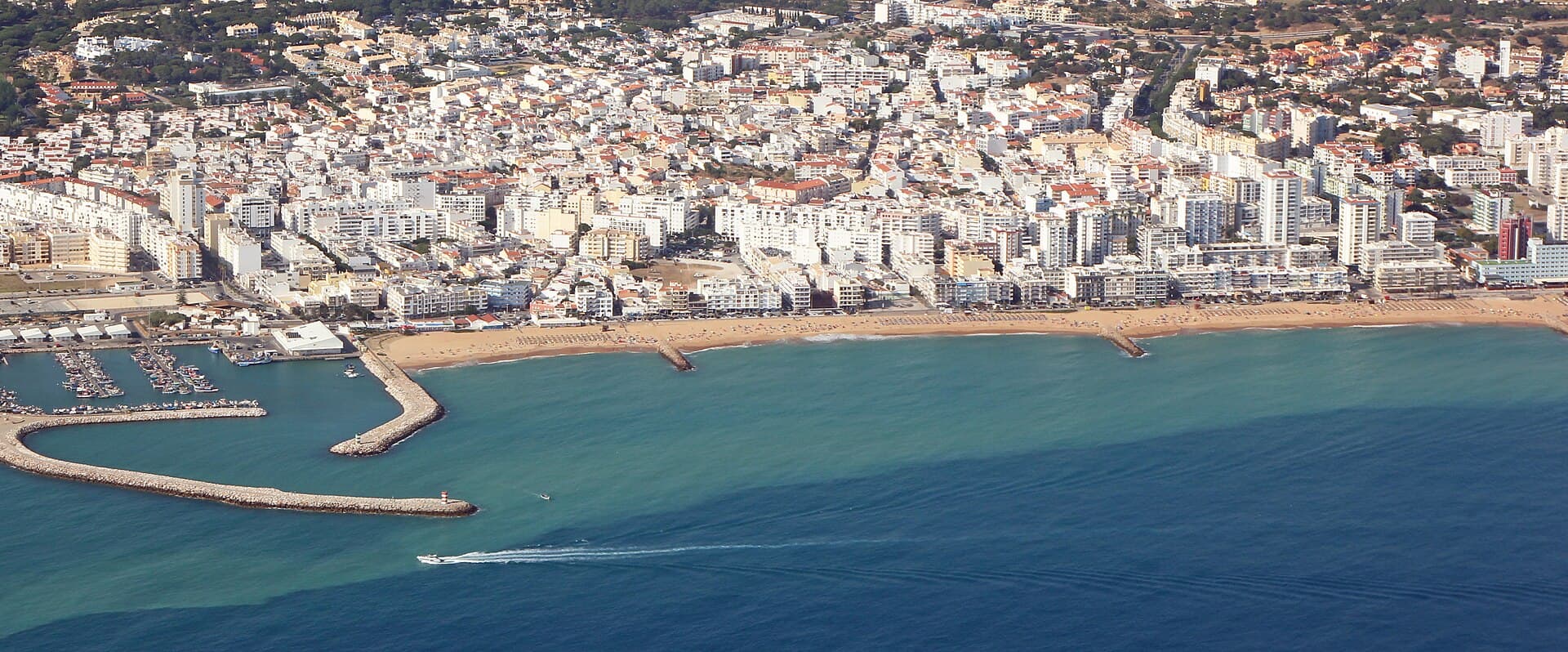 Eduard Marmet / CC BY-SA 2.0, via Wikimedia Commons
Tour audio autoguidato di Loulé — percorso GPS a piedi, riproduzione offline, narrazione coinvolgente in 32 lingue.
“Oltre la costa, Loulé rivela il cuore duraturo dell'Algarve.”
Non le cartoline. Le storie che nemmeno i locali conoscono — sussurrate nel tuo orecchio, proprio dove sono accadute.
Le caratteristiche cupole rosse del mercato di Loulé suggeriscono un legame più profondo con il suo passato rispetto alla sola architettura.
Il campanile della chiesa principale di Loulé custodisce un segreto di un tempo prima che campane cristiane suonassero in città.
Sotto le pietre medievali del Castello di Loulé si celano fondamenta ancora più antiche, che suggeriscono la sua importanza strategica attraverso i millenni.
Scopri ogni segreto di Loulé
Ogni indirizzo, ogni rivelazione completa — nel tuo orecchio, proprio dove è accaduta.
Scegli le tue tappe. Cammini. La voce rivela ciò che gli altri perdono.


Il tuo tour audio autoguidato di Loulé è pronto — scegli i tuoi punti di interesse, seleziona la tua lingua e inizia nel momento in cui arrivi.
AcquistaLume include una guida in realtà aumentata. Alza il telefono: la fotocamera mostra la strada davanti a te, con una freccia luminosa sovrapposta all'immagine reale che punta sempre verso la tua prossima tappa — nessuna mappa da decifrare, nessuna svolta sbagliata. Come tutto in Lume, funziona completamente offline.
Loulé, una città nel cuore della regione algarviana del Portogallo, offre un'esperienza autentica, diversa dai resort costieri. È un vivace centro di mercato con una storia radicata in secoli di commercio. Il paesaggio urbano mescola antiche strade dall'atmosfera vissuta con elementi più contemporanei, mantenendo un ritmo rilassato e un'atmosfera festosa. Loulé funge da centro amministrativo e culturale, rendendola un'ottima destinazione per chi cerca una vera atmosfera portoghese.
Dal suo mercato coperto di ispirazione moresca, coronato da cupole rosse, alla sua intricata rete di strade commerciali tradizionali e piazze alberate, Loulé invita all'esplorazione. La città vecchia, conosciuta come Cidade Velha, rivela un antico castello e una chiesa gotica, simboli duraturi della lunga e variegata storia di Loulé. Oltre ai suoi siti storici, Loulé è celebrata anche per il suo coinvolgente programma culturale, che include concerti, festival artigianali e mercati notturni, garantendo che ci sia sempre qualcosa da scoprire.
## Dalle Radici Antiche all'Influenza Moresca La presenza umana nell'area di Loulé risale al Paleolitico, con ritrovamenti archeologici che indicano insediamenti già nel Neolitico, grazie ai fertili terreni e alla ricchezza mineraria. I Romani si stabilirono intorno al II secolo a.C., lasciando necropoli e manufatti di uso quotidiano. Utilizzarono anche il sito dove oggi sorge il Castello di Loulé, trasformandolo in una fortificazione militare e centro amministrativo.
## La Fioritura della Città Moresca Loulé iniziò a prosperare veramente come insediamento urbano durante l'VIII secolo con l'arrivo dei Mori musulmani, che fortificarono la città e la chiamarono Al-Ulya, che significa "la vetta" o "l'altura". Questo periodo, durato fino al XIII secolo, fu significativo, con resti dell'eredità moresca ancora visibili oggi, come gli scavi sotto il castello e il campanile della Matriz de São Clemente, che originariamente era un minareto. Loulé fu un importante centro urbano sotto il dominio moresco.
## La Riconquista e la Crescita Medievale La riconquista cristiana di Loulé avvenne nel 1249, guidata dai cavalieri dell'Ordine di Santiago. Re Alfonso III concesse a Loulé la sua prima carta comunale nel 1266, stabilendone ufficialmente lo status municipale. Per stimolare l'economia, Re Denis I istituì una fiera annuale nel 1291, trasformando Loulé in un vivace centro commerciale che attirava mercanti da tutta la regione. Nonostante un declino alla fine del XIV secolo, con il castello in rovina, Re Giovanni I incoraggiò l'insediamento e le riparazioni difensive. Le mura della città furono ricostruite nel 1422.
## Epoca Moderna e Identità Culturale Loulé continuò ad evolversi, affrontando eventi come la rivolta dei Conjurados nel 1640 e il devastante terremoto del 1755, che danneggiò molte strutture, tra cui il castello e la Igreja Matriz de São Clemente. Il XIX secolo portò instabilità politica, ma la città vide sviluppi significativi, tra cui il completamento di una linea ferroviaria che collegava l'Algarve a Lisbona nel 1889, stimolando l'economia locale. Nel 1906 si svolse la prima sfilata organizzata del Carnevale, che da allora è diventato il più antico e colorato del Portogallo. L'iconico Mercato Municipale, con il suo stile neo-arabo, aprì nel 1908. Loulé ricevette ufficialmente lo status di città nel 1988, consolidando il suo ruolo di centro amministrativo e culturale.
Iniziate la vostra esplorazione al Mercado Municipal de Loulé, uno splendido edificio neo-arabo con cupole rosse, risalente al 1908. All'interno troverete bancarelle ricche di prodotti freschi, pesce e artigianato regionale. Il sabato mattina, il mercato si estende nelle strade circostanti, offrendo una gamma ancora più ampia di merci e un'atmosfera vivace, incluso un mercato gitano nelle vicinanze.
A pochi passi dal mercato, esplorate il Castelo de Loulé. Sebbene rimangano solo tre torri e i merli di collegamento della costruzione portoghese del XIII secolo, le origini del sito risalgono a fortificazioni romane e moresche. Il castello ospita un museo municipale con reperti romani e dell'età del bronzo, e salire sulle torri offre viste panoramiche su Loulé e sulla costa lontana.
Adiacente al castello, visitate la Igreja Matriz de São Clemente, una chiesa gotica costruita sul sito di un'antica moschea. Il suo campanile era originariamente un minareto. Inoltre, passeggiate per la Cidade Velha, la città vecchia, con le sue stradine strette e suggestive e le case degli artigiani tradizionali. Scoprite l'Ermida de Nossa Senhora da Conceição, una cappella del XVIII secolo adornata con azulejos e un altare dorato. Per un'esperienza sotterranea unica, considerate una visita guidata alla Miniera di Sale di Loulé, il sito turistico più profondo del Portogallo, che raggiunge i 230 metri sotto la superficie.
Loulé gode di un clima mediterraneo con abbondante sole durante tutto l'anno. Il periodo migliore per visitarla è la primavera (da aprile a giugno) e l'autunno (da settembre a ottobre), quando le temperature sono confortevoli, oscillando tra i 15°C e i 25°C, e le precipitazioni sono scarse. Queste stagioni intermedie offrono un clima piacevole per le attività all'aperto e meno folla rispetto ai mesi di punta estivi. L'estate (luglio-settembre) è calda e secca, con temperature medie massime che raggiungono i 30-32°C, ideale per godersi festival come il Festival MED a giugno e la Noite Branca ad agosto. L'inverno (dicembre-febbraio) è mite, con temperature medie intorno agli 11-13°C, adatto per passeggiate, sebbene con maggiori probabilità di pioggia.
Loulé è facilmente raggiungibile, situata a circa 15 km a nord-ovest di Faro. Sebbene la stazione ferroviaria più vicina, anch'essa chiamata Loulé, si trovi 5 chilometri a sud del centro, gli autobus offrono un modo comodo per raggiungere la città dai principali snodi regionali. Se viaggiate in auto, i parcheggi sono disponibili, anche se possono riempirsi rapidamente nei giorni di mercato.
Il centro città è percorribile a piedi, con molte attrazioni, tra cui il mercato e il castello, facilmente raggiungibili. Il Mercato Municipale di Loulé è aperto dal lunedì al sabato dalle 7:00 alle 15:00, con il sabato mattina il momento più vivace a causa dei mercati contadini e gitani ampliati. La maggior parte dei musei e delle attrazioni turistiche gestite dal governo sono chiusi il lunedì, e il mercato coperto è chiuso la domenica. Considerate una visita tra martedì e venerdì per un'esperienza più tranquilla.
Loulé — coreano, cinese, ebraico e altre 29 lingue, ogni tappa narrata da una voce madrelingua. La più ampia scelta di lingue tra i tour audio autoguidati.
Disponibile in: