Ayuntamiento de Lübeck (Rathaus)
El impresionante Ayuntamiento de Lübeck presenta un peculiar detalle arquitectónico dentro de su sala del tribunal que narra una historia sobre la jerarquía social.
La historia completa se desbloquea en el tour
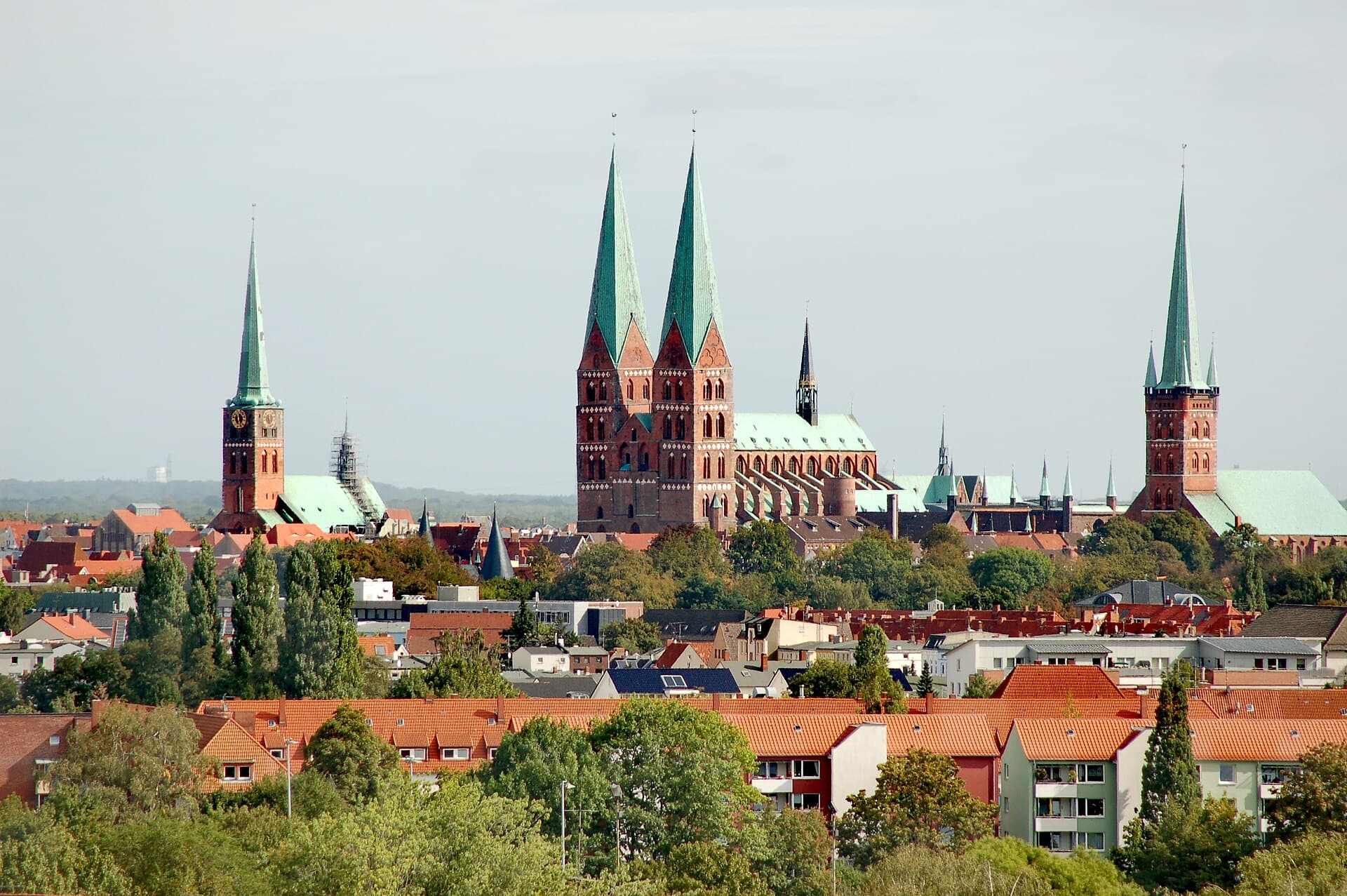 Oleg Dejan / CC BY 3.0, via Wikimedia Commons
Tour de audio autoguiado de Lübeck — ruta GPS a pie, reproducción offline, narración en 32 idiomas.
“Donde las agujas medievales se encuentran con los sueños de mazapán.”
No las postales. Las historias que ni los locales conocen — al oído, justo donde ocurrieron.
El impresionante Ayuntamiento de Lübeck presenta un peculiar detalle arquitectónico dentro de su sala del tribunal que narra una historia sobre la jerarquía social.
Estos llamativos almacenes de ladrillo junto al río Trave fueron cruciales para la prosperidad de Lübeck, su verdadero valor se extendía mucho más allá del simple almacenamiento.
These striking brick warehouses alongside the Trave River were once crucial to Lübeck's prosperity, their true value extending far beyond simple storage.
Descubre todos los secretos de Lübeck
Cada dirección, cada revelación al completo — a tu oído, justo donde ocurrió.
Eliges tus paradas. Caminas. La voz te revela lo que los demás ignoran.

Tu tour de audioguía por Lübeck te espera — elige tus lugares, tu idioma y empieza al llegar.
ComprarLume incluye una guía de realidad aumentada. Levanta el móvil y su cámara muestra la calle que tienes delante, con una flecha luminosa sobre la imagen real que siempre apunta a tu próxima parada — sin mapas que descifrar, sin giros equivocados. Como todo en Lume, funciona completamente sin conexión.
Lübeck, a menudo conocida como la 'Reina de la Liga Hanseática', es una ciudad en el norte de Alemania que parece suspendida en el tiempo. Su casco antiguo histórico, declarado Patrimonio de la Humanidad por la UNESCO, es una isla abrazada por el río Trave y sus canales. La arquitectura gótica de ladrillo rojo define el horizonte, salpicado por siete distintivas agujas de iglesia, lo que le ha valido a Lübeck su designación única, 'La Ciudad de las Siete Agujas'.
Caminar por las calles empedradas de Lübeck es sumergirse en siglos de historia mercantil. El pasado de la ciudad como un poderoso centro comercial es evidente en cada edificio con gabletes y estrecho pasadizo. Más allá de su grandeza arquitectónica, Lübeck también es celebrada como la 'Capital Mundial del Mazapán', una dulce herencia que se remonta a siglos. Esta mezcla de importancia histórica, belleza arquitectónica y delicias culinarias hace de Lübeck un destino atractivo para aquellos que buscan un vistazo al profundo pasado de Alemania.
Los orígenes de Lübeck se remontan al siglo VII, con tribus eslavas polabias que establecieron un asentamiento fortificado en la desembocadura del río Schwartau. La ciudad tal como se conoce hoy fue fundada oficialmente en 1143 por Adolfo II, conde de Schauenburg y Holstein. Esta ubicación estratégica, con acceso al mar Báltico, impulsó rápidamente a Lübeck a la prominencia como ciudad mercantil.
En 1160, Lübeck recibió los derechos de ciudad de Soest, y en 1226, el emperador Federico II la elevó al estatus de Ciudad Imperial Libre, otorgándole una autonomía significativa. Esta independencia permitió a Lübeck desarrollar su propio sistema legal, conocido como derecho de Lübeck, que fue adoptado por aproximadamente otras 100 ciudades de la región báltica. A mediados del siglo XII, Lübeck se convirtió en el lugar de nacimiento y capital de facto de la Liga Hanseática, una poderosa confederación económica y defensiva de gremios mercantiles y ciudades mercado en el noroeste y centro de Europa. Durante tres siglos, Lübeck fue la 'Reina de la Liga Hanseática', dominando el comercio marítimo en la región del mar Báltico y convirtiéndose en una de las ciudades más ricas del norte de Europa.
En el siglo XIV, Lübeck era una de las ciudades más grandes del Sacro Imperio Romano Germánico, y en 1375, el emperador Carlos IV la nombró una de las cinco 'Glorias del Imperio', junto con Venecia, Roma, Pisa y Florencia. Sin embargo, finales del siglo XV y principios del XVI vieron un declive en el poder de Lübeck debido a nuevas rutas comerciales, el surgimiento de los estados-nación y conflictos internos dentro de la Liga. Lübeck mantuvo su estatus de ciudad independiente hasta 1937.
Durante la Segunda Guerra Mundial, Lübeck fue la primera ciudad alemana en sufrir un bombardeo sustancial de la Royal Air Force el 28 de marzo de 1942. El ataque provocó una tormenta de fuego que dañó gravemente el centro histórico, destruyendo casi 1.500 casas y dañando gravemente otras 2.200. A pesar de esta devastación, la grandeza medieval de la ciudad fue meticulosamente restaurada, lo que llevó a su designación como Patrimonio de la Humanidad por la UNESCO en 1987.
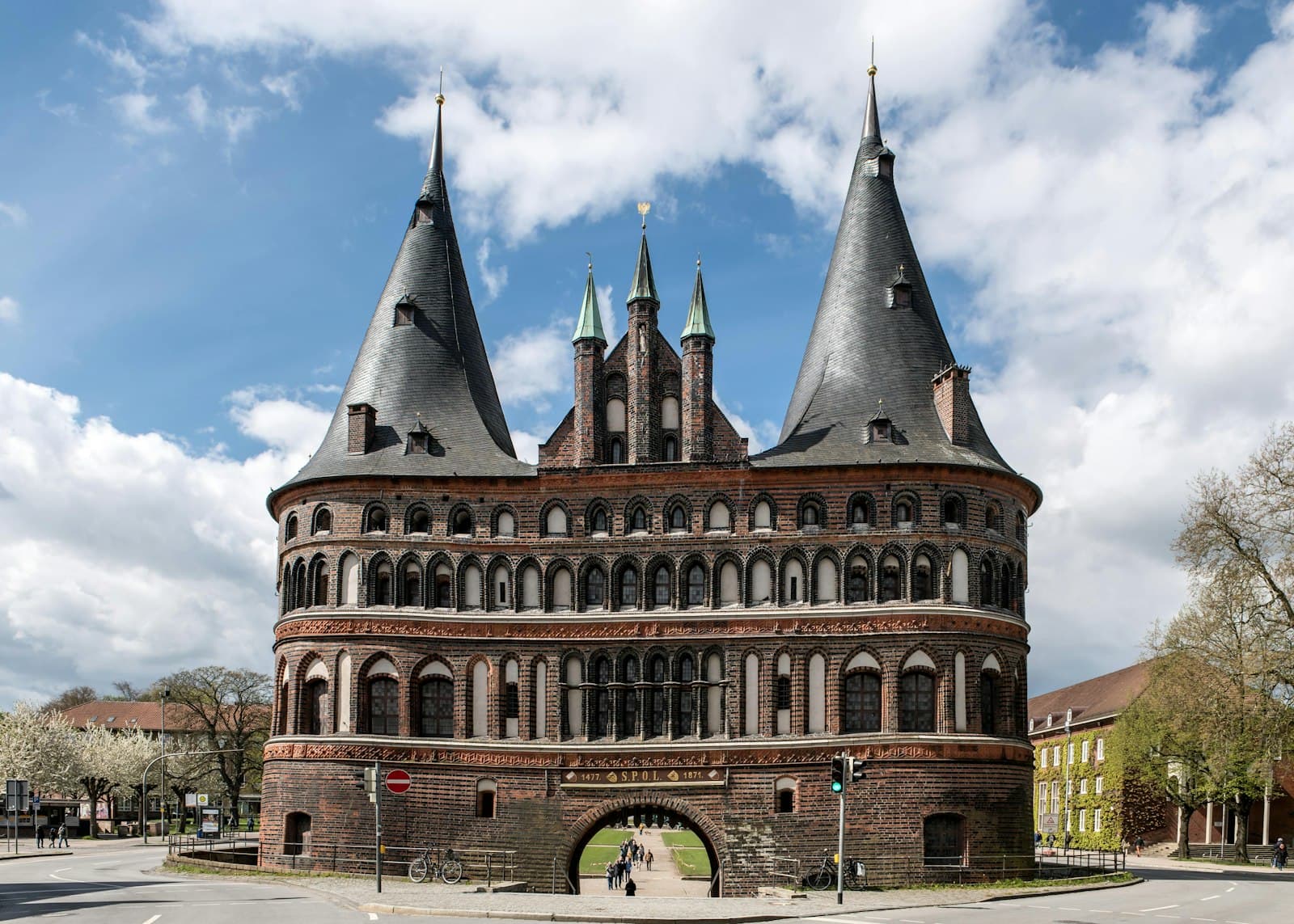
Comience su exploración en la icónica Puerta de Holsten (Holstentor), una formidable estructura gótica de ladrillo que alguna vez sirvió como entrada principal a la ciudad y ahora alberga un museo que detalla la historia comercial de Lübeck. Junto a la puerta se encuentran los Salzspeicher (Almacenes de Sal), una hilera de seis edificios de ladrillo con gabletes que son un testimonio del histórico comercio de 'oro blanco' de la ciudad.
Cruce el puente hacia el Casco Antiguo (Altstadt), una isla compacta donde se concentran la mayoría de los lugares de interés. El Ayuntamiento de Lübeck (Rathaus), con su llamativa fachada de ladrillo negro, es considerado uno de los ayuntamientos más bellos de Alemania. Cerca, la Iglesia de Santa María (Marienkirche) es una obra maestra de la arquitectura gótica de ladrillo, con las bóvedas de ladrillo más altas del mundo y un reloj astronómico.
Para obtener vistas panorámicas de las siete agujas de la ciudad, tome el ascensor hasta la torre de la Iglesia de San Pedro (Petrikirche). Adéntrese en el pasado de la ciudad en el Museo Europeo de la Hansa, que ofrece un viaje interactivo a través de la historia de la Liga Hanseática. No pierda la oportunidad de pasear por los encantadores callejones y patios que revelan otra faceta del carácter medieval de Lübeck. Y, por supuesto, una visita a Café Niederegger es esencial para probar el célebre mazapán de Lübeck.
La mejor época para visitar Lübeck para disfrutar de un clima agradable y actividades al aire libre es desde finales de primavera hasta principios de otoño, específicamente de mayo a septiembre. Durante estos meses, las temperaturas son suaves a cálidas, siendo julio el mes más cálido, con un promedio de alrededor de 22 °C (72 °F). El verano también ofrece las horas de luz más largas. Aunque el verano puede ser lluvioso, es aconsejable llevar una chaqueta ligera para la lluvia o un paraguas. Para menos multitudes y posibles costos de alojamiento más bajos, considere las temporadas intermedias de abril-mayo o finales de septiembre-octubre. Los meses de otoño también traen un follaje colorido, que complementa la arquitectura histórica de la ciudad. Si le interesa el ambiente festivo, desde finales de noviembre hasta diciembre es ideal para experimentar los renombrados mercados navideños de Lübeck.
Lübeck es de fácil acceso, situada a unos 60 km al noreste de Hamburgo. Se puede llegar en tren desde Hamburgo en aproximadamente 45 minutos, con billetes de ida y vuelta que cuestan alrededor de 30 €. La estación principal de tren, Lübeck Hauptbahnhof, está a poca distancia a pie de la Puerta de Holsten y el casco antiguo. El casco antiguo es en gran parte peatonal, por lo que caminar es la mejor manera de explorarlo. Para una perspectiva alternativa, considere un paseo en barco alrededor de la isla por el río Trave.
Lübeck se considera una ciudad segura, incluso de noche, pero siempre es aconsejable estar atento a su entorno y tomar precauciones contra los carteristas en zonas turísticas concurridas. El agua del grifo es segura para beber, así que traiga una botella recargable. El estacionamiento en Lübeck es generalmente gratuito los domingos y días festivos, aunque esto no se aplica a Travemünde. Si planea una estancia más larga, dos o tres días permiten tiempo suficiente para explorar el casco antiguo, los museos y disfrutar de la gastronomía local, con opciones para excursiones de un día a la costa del mar Báltico.
Lübeck en coreano, en chino o en hebreo — y 29 idiomas más, cada parada narrada por una voz nativa. La mayor variedad de idiomas de cualquier audioguía autoguiada.
Disponible en: