Tribunal de la Corona
Una disputa legal aquí provocó una intervención, algunos dicen divina, otros diabólica.
La historia completa se desbloquea en el tour
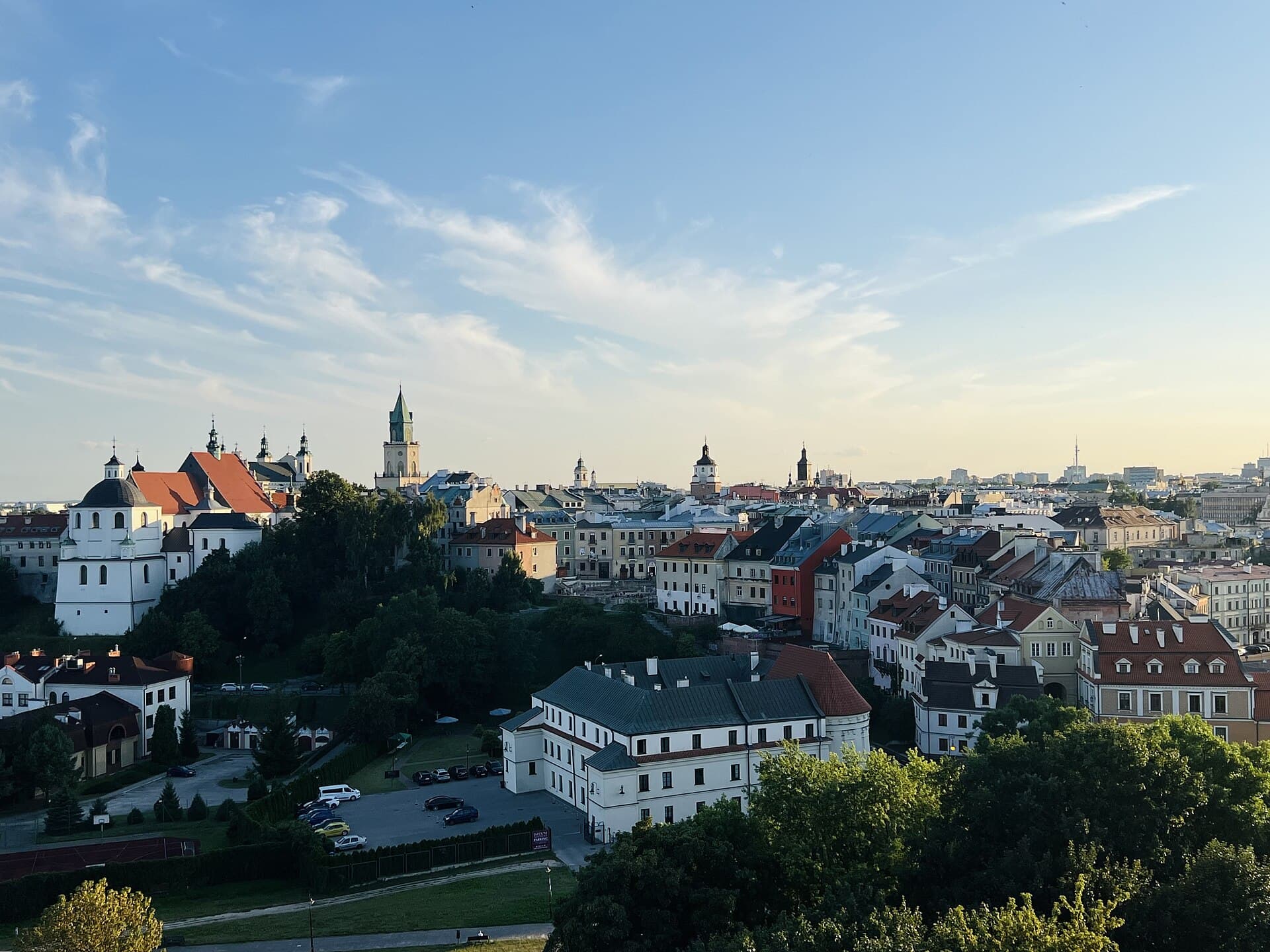 Kanion / CC0, via Wikimedia Commons
Tour de audio autoguiado de Lublin — ruta GPS a pie, reproducción offline, narración en 32 idiomas.
“Donde historias ancestrales se despliegan en un paisaje legendario.”
No las postales. Las historias que ni los locales conocen — al oído, justo donde ocurrieron.
Una disputa legal aquí provocó una intervención, algunos dicen divina, otros diabólica.
Esta puerta medieval alguna vez delineó una profunda separación, un límite entre dos mundos distintos dentro de la ciudad.
El símbolo de la ciudad, una cabra, tiene una conmovedora historia de origen que tomó un giro curioso en manos del artista.
Descubre todos los secretos de Lublin
Cada dirección, cada revelación al completo — a tu oído, justo donde ocurrió.
Eliges tus paradas. Caminas. La voz te revela lo que los demás ignoran.
Tu tour de audioguía por Lublin te espera — elige tus lugares, tu idioma y empieza al llegar.
ComprarLume incluye una guía de realidad aumentada. Levanta el móvil y su cámara muestra la calle que tienes delante, con una flecha luminosa sobre la imagen real que siempre apunta a tu próxima parada — sin mapas que descifrar, sin giros equivocados. Como todo en Lume, funciona completamente sin conexión.
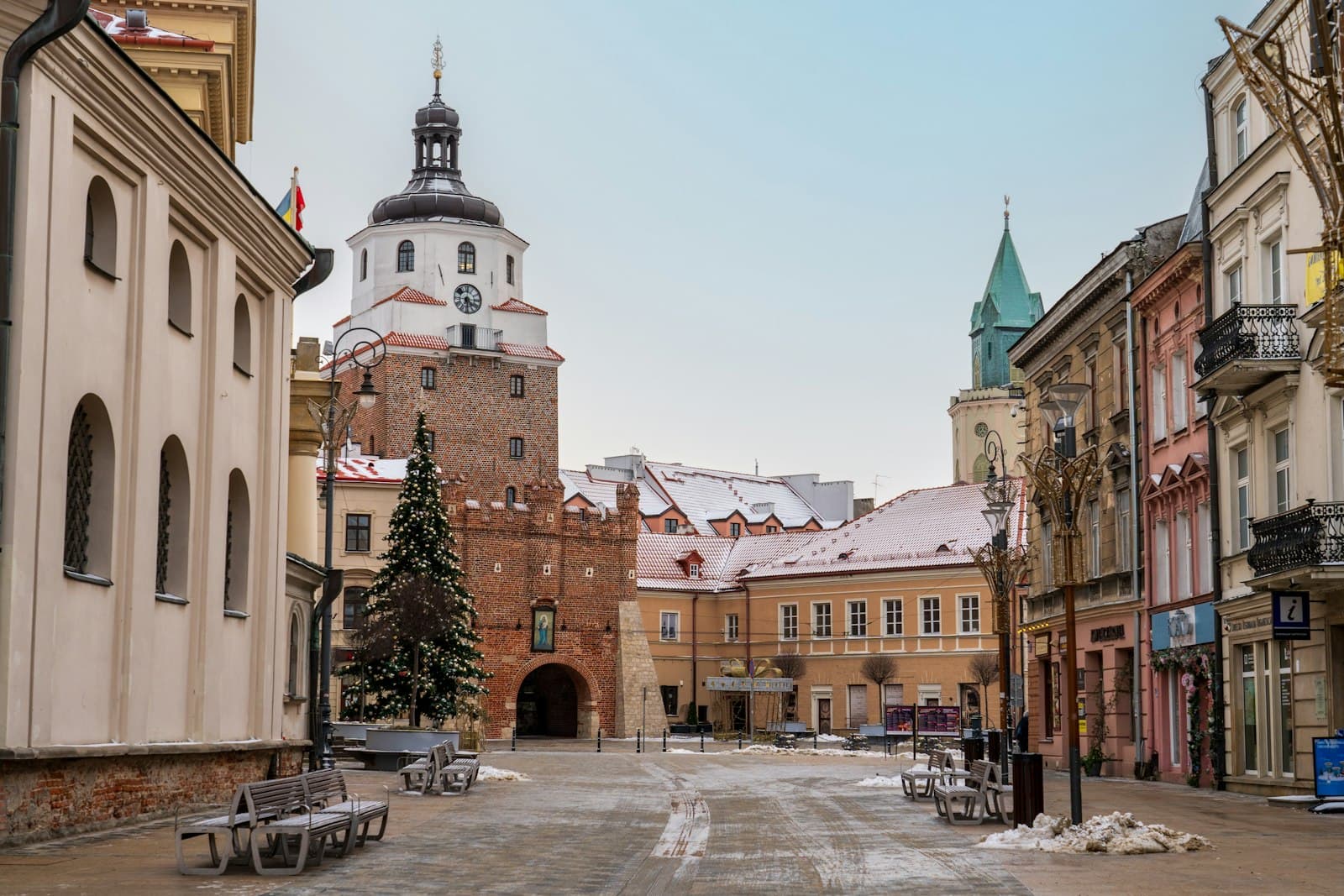
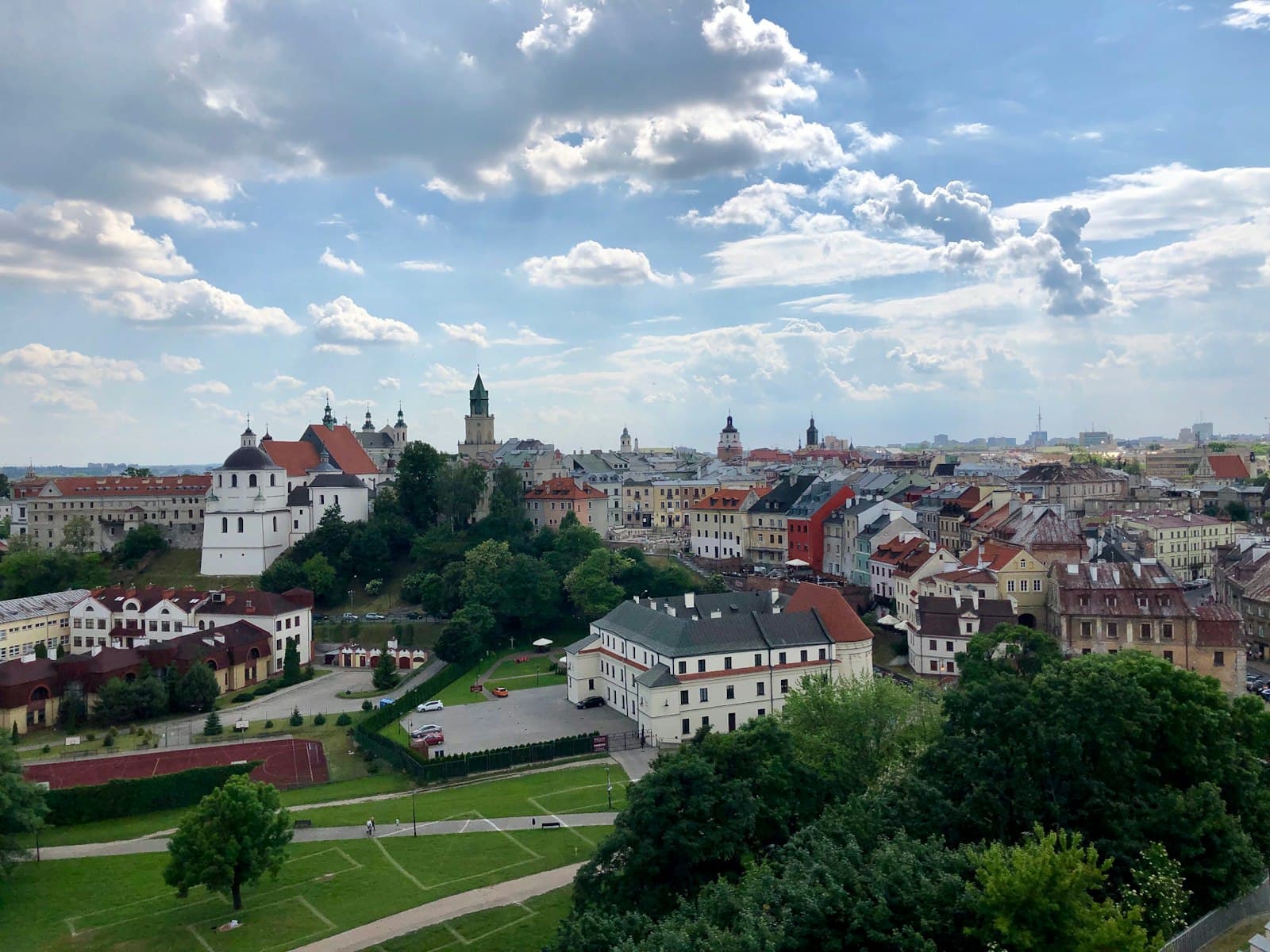
Lublin, una ciudad en el este de Polonia, ofrece una fascinante mezcla de narrativas antiguas, riqueza cultural y una atmósfera enérgica. A menudo llamada la 'Ciudad de la Inspiración', ocupa un lugar significativo en la historia polaca, habiendo servido dos veces como capital de la nación por breves períodos. Su Casco Antiguo cuidadosamente mantenido, un monumento nacional designado, invita a la exploración con sus puertas históricas y arquitectura renacentista.
Más allá de su atractivo arquitectónico, Lublin funciona como un dinámico centro académico y cultural. Se erige como el centro universitario más grande del este de Polonia, atrayendo a una población estudiantil diversa. La ciudad alberga más de 30 festivales regulares anualmente, presentando una amplia gama de experiencias culturales. Desde sus orígenes medievales hasta su papel como punto de encuentro de culturas, la historia de Lublin está grabada en cada uno de sus rincones, esperando ser descubierta.
Los orígenes de Lublin se remontan a los primeros asentamientos medievales, con evidencia arqueológica que sugiere una habitación incluso anterior a finales del siglo XII, cuando fue mencionada por primera vez en documentos históricos. Su ubicación estratégica en las rutas comerciales entre Vilna y Cracovia la estableció rápidamente como un centro comercial vital. El rey Casimiro III el Grande reconoció esta importancia, fortificando la ciudad con un castillo de mampostería y murallas defensivas en 1341.
Los siglos XV y XVI marcaron un período de rápido crecimiento y riqueza para Lublin. Se convirtió en un importante centro de ferias comerciales, atrayendo a comerciantes y visitantes de toda Europa, incluidos alemanes, lituanos, armenios, turcos, rutenos y judíos. Esta era culminó en un momento crucial para la historia europea: la firma de la Unión de Lublin en 1569. Este acuerdo unió el Reino de Polonia y el Gran Ducado de Lituania, formando la Mancomunidad Polaco-Lituana, uno de los estados más grandes y poderosos de la Europa del Renacimiento. Durante este tiempo, Lublin también se convirtió en un centro prominente para la comunidad judía, ganándose el apodo de 'Oxford Judía' debido a su estimada escuela talmúdica.
Sin embargo, la historia de Lublin también está marcada por períodos de conflicto y dificultades. Sufrió ataques de mongoles, tártaros, rutenos y lituanos en sus primeros siglos, lo que llevó a su destrucción varias veces. El siglo XVII trajo más invasiones de fuerzas ruso-ucranianas y suecas. Tras las particiones de Polonia a finales del siglo XVIII, Lublin cayó bajo el dominio austriaco y luego ruso hasta que Polonia recuperó la independencia en 1918. La ciudad sirvió brevemente como sede del Gobierno Popular Provisional después de la Primera Guerra Mundial.
El siglo XX trajo una tragedia inimaginable durante la Segunda Guerra Mundial. Bajo la ocupación nazi, Lublin se convirtió en la sede de la 'Operación Reinhardt', el plan alemán para exterminar a los judíos en la Polonia ocupada. La población judía de la ciudad fue forzada a un gueto, y la mayoría fue deportada a campos de exterminio como Bełżec y Majdanek, este último establecido en las afueras de Lublin. Casi todos los judíos de Lublin fueron asesinados durante el Holocausto. Después de la guerra, Lublin sirvió brevemente como capital para el gobierno comunista instalado por los soviéticos antes de que Varsovia fuera restablecida como capital.
El Casco Antiguo de Lublin es un atractivo principal, reconocido como uno de los complejos históricos mejor conservados de Polonia. Comience en la Puerta de Cracovia, un vestigio del siglo XIV de las murallas defensivas, ahora hogar de una sucursal del Museo de Lublin que detalla la historia de la ciudad. Desde aquí, pasee por la Plaza del Mercado, admirando los edificios renacentistas y el antiguo Ayuntamiento.
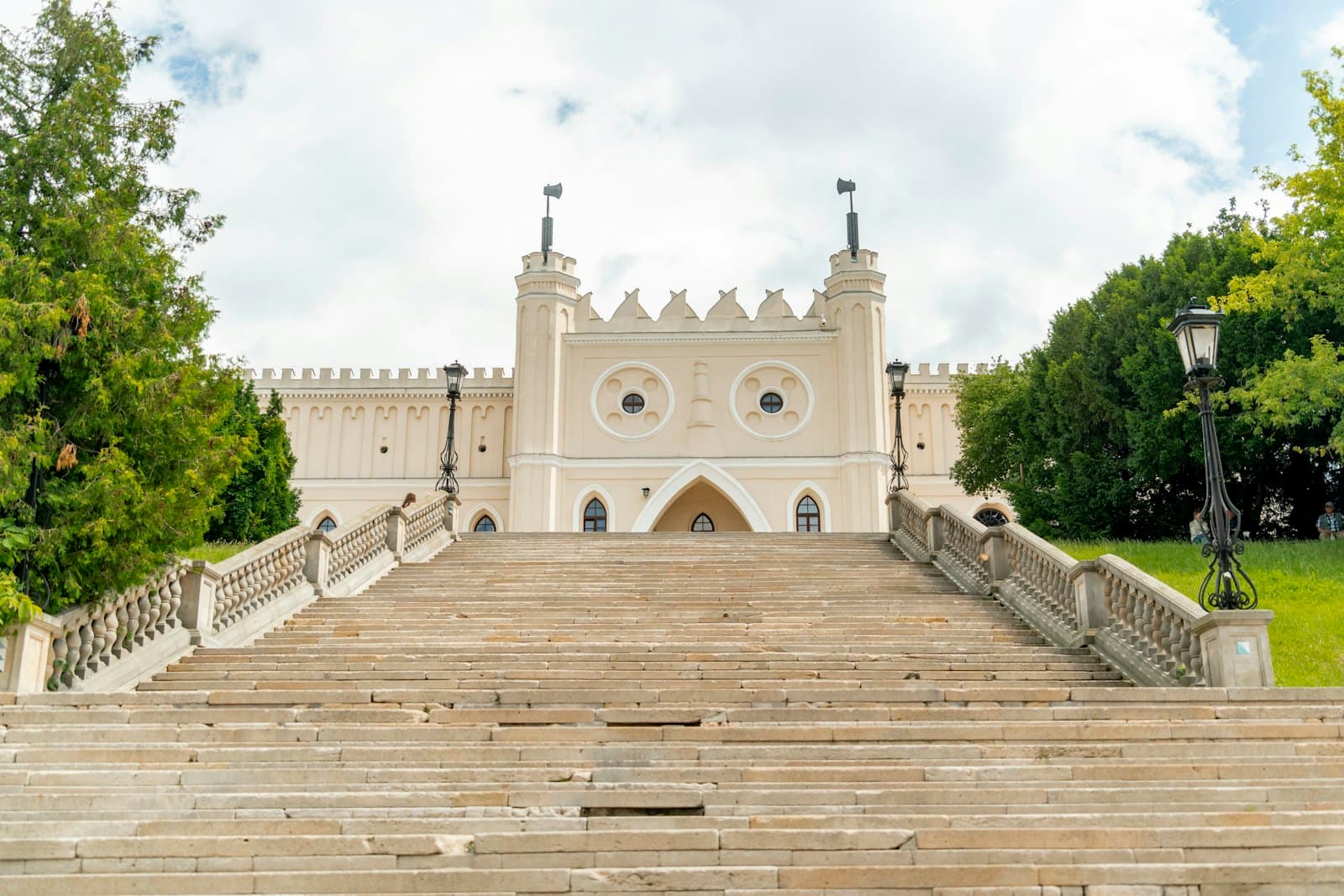
Elevándose sobre el horizonte se encuentra el Castillo de Lublin, una estructura neogótica que alguna vez fue una fortaleza medieval y residencia real. En su interior, la Capilla de la Santísima Trinidad es un punto culminante, con frescos bizantino-rutenos únicos de 1418, considerados entre el arte medieval más valioso de Polonia. Para vistas panorámicas de la ciudad, ascienda la Torre Trinitaria, que ofrece una plataforma de observación de 40 metros de altura.
Explore Plac Po Farze, donde los cimientos de una antigua iglesia revelan capas de la historia temprana de Lublin y ofrecen una vista del castillo. La Puerta Grodzka, también conocida como la Puerta Judía, sirve como un conmovedor recordatorio del pasado multicultural de la ciudad y ahora alberga un centro dedicado a preservar el patrimonio judío. Para una inmersión más profunda en el pasado de Lublin, visite la Ruta Subterránea de Lublin, que serpentea por las bodegas de antiguos almacenes mercantiles y presenta una presentación multimedia del gran incendio de la ciudad de 1719. No se vaya sin probar la especialidad local, 'Cebularz', un pastel de trigo con semillas de amapola y cebolla.
La mejor época para visitar Lublin para disfrutar de un clima agradable y actividades al aire libre es de mediados de mayo a mediados de septiembre. Durante estos meses, las temperaturas son suaves, ideales para explorar el Casco Antiguo y asistir a los numerosos festivales de la ciudad. Julio es particularmente animado, con eventos como el Festival de la Cultura y el Festival Internacional de Folklore. Si bien los veranos pueden tener olas de calor ocasionales, las noches aún pueden ser frescas, por lo que es aconsejable llevar una chaqueta ligera. La primavera y principios del otoño ofrecen temperaturas más suaves y menos multitudes.
El Casco Antiguo y las áreas centrales de Lublin se recorren fácilmente a pie, ya que muchas de las principales atracciones están a poca distancia. El transporte público, que consiste en autobuses y trolebuses, es eficiente y asequible para llegar a destinos más lejanos, como el Memorial del Campo de Concentración de Majdanek o el Museo al Aire Libre de la Aldea. Los billetes se pueden comprar en quioscos, máquinas expendedoras en las paradas o directamente a los conductores (aunque a menudo a un precio más alto). Generalmente no se recomienda un coche para navegar por el Casco Antiguo, ya que muchas áreas son peatonales. También están disponibles servicios de taxi, Uber y Bolt. La moneda local es el Złoty polaco (PLN), y aunque el polaco es el idioma oficial, el inglés se habla a menudo en las zonas turísticas.
Lublin en coreano, en chino o en hebreo — y 29 idiomas más, cada parada narrada por una voz nativa. La mayor variedad de idiomas de cualquier audioguía autoguiada.
Disponible en: