Sferisterio
Questa grande arena lirica all'aperto non è sempre stata un palcoscenico per tenori e soprani.
La storia completa si sblocca nel tour
 MCDMEDP / CC BY-SA 4.0, via Wikimedia Commons
Tour audio autoguidato di Macerata — percorso GPS a piedi, riproduzione offline, narrazione coinvolgente in 32 lingue.
“Dove antiche eco incontrano la grandezza operistica.”
Non le cartoline. Le storie che nemmeno i locali conoscono — sussurrate nel tuo orecchio, proprio dove sono accadute.
Questa grande arena lirica all'aperto non è sempre stata un palcoscenico per tenori e soprani.
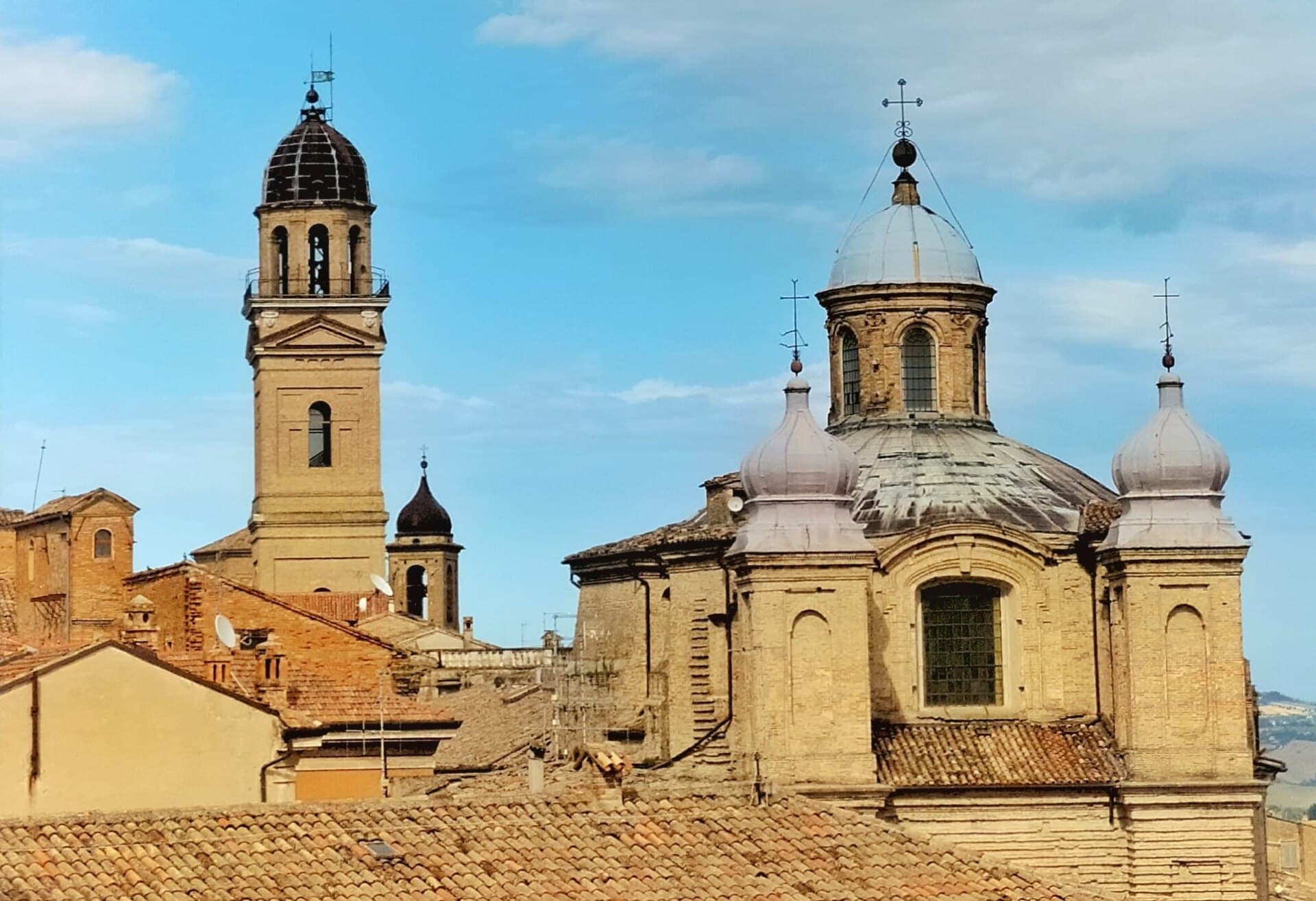
Tra le chiese storiche di Macerata, una detiene una distinzione sorprendente.
Oltre alla sua impressionante collezione d'arte, questo palazzo aristocratico nasconde un segreto unico, a livello del suolo.
Scopri ogni segreto di Macerata
Ogni indirizzo, ogni rivelazione completa — nel tuo orecchio, proprio dove è accaduta.
Scegli le tue tappe. Cammini. La voce rivela ciò che gli altri perdono.


Il tuo tour audio autoguidato di Macerata è pronto — scegli i tuoi punti di interesse, seleziona la tua lingua e inizia nel momento in cui arrivi.
AcquistaLume include una guida in realtà aumentata. Alza il telefono: la fotocamera mostra la strada davanti a te, con una freccia luminosa sovrapposta all'immagine reale che punta sempre verso la tua prossima tappa — nessuna mappa da decifrare, nessuna svolta sbagliata. Come tutto in Lume, funziona completamente offline.
Macerata, una città nella regione italiana delle Marche, offre un affascinante connubio di storia duratura, tradizione colta e paesaggi collinari. Situata su una collina tra i fiumi Potenza e Chienti, la città offre ampie vedute di vigneti e uliveti che si estendono verso il Mar Adriatico e i Monti Appennini. Con le sue mura medievali ben conservate e l'architettura rinascimentale, Macerata invita i visitatori a passeggiare per le sue strade evocative e a scoprire un'autentica esperienza italiana, meno battuta dalla folla.
Oltre al suo fascino visivo, Macerata è un centro culturale con un significativo patrimonio accademico e musicale. Ospita una delle più antiche università d'Europa, fondata nel 1290. La città si anima veramente ogni estate con l'acclamato Macerata Opera Festival, presentato nello splendido Sferisterio neoclassico. Questa combinazione di tradizione intellettuale e vivacità artistica rende Macerata una destinazione che coinvolge sia la mente che i sensi.
Le origini di Macerata risalgono a oltre 2.000 anni fa, all'antico insediamento romano di Helvia Recina, fondato intorno al 49 a.C. Dopo la sua distruzione da parte del re visigoto Alarico intorno al 408 d.C., gli abitanti cercarono rifugio sulle colline, ricostruendo infine la città in un luogo più elevato. La città moderna di Macerata fu fondata nel 1138, quando un villaggio noto come Podium Sancti Juliani si fuse con il Castrum Maceratae, formando un comune indipendente. Durante il XIII e XIV secolo, Macerata espanse il suo territorio incorporando castelli vicini.
Nel 1320, a Macerata fu concesso il titolo di Civitas (Città) e divenne sede di una diocesi e di governatori papali, consolidando la sua importanza all'interno dello Stato Pontificio. Il XV secolo vide Macerata brevemente sotto il dominio di Francesco Sforza prima di tornare sotto il controllo papale, diventando la città principale della Legazione della Marca di Ancona. Questo periodo fu anche segnato da gravi epidemie di peste, che portarono i cittadini a erigere una cappella dedicata alla Madonna della Misericordia.
Il XVI secolo è spesso considerato il 'periodo d'oro' di Macerata. Furono costruite le mura cittadine e fu completata la piazza principale, Piazza della Libertà. L'Università di Macerata ricevette il riconoscimento ufficiale durante questo periodo, consolidando ulteriormente la città come centro intellettuale. Una figura degna di nota di quest'epoca fu il sacerdote gesuita Matteo Ricci, nato a Macerata nel 1552, che divenne un importante missionario in Cina e fu accolto alla corte imperiale Ming. I secoli successivi videro un periodo di minore importanza politica, con la nobiltà locale che si concentrò sulla costruzione di opulenti edifici residenziali, come Palazzo Buonaccorsi, per migliorare la propria immagine. Macerata entrò infine a far parte del Regno d'Italia nel 1860 dopo la battaglia di Castelfidardo.
Inizia la tua esplorazione da Piazza della Libertà, la piazza centrale della città, circondata da eleganti edifici rinascimentali e barocchi. Qui troverai la Loggia dei Mercanti del XVI secolo con i suoi portici e il Teatro Lauro Rossi del XVIII secolo. Sali sulla Torre Civica per ammirare ampie vedute dopo una salita di 135 gradini e osserva il suo orologio astronomico funzionante del XVIII secolo.
A pochi passi si trova l'iconico Sferisterio, un monumentale anfiteatro neoclassico all'aperto. Originariamente costruito per un tradizionale gioco di palla, oggi ospita ogni estate il celebre Macerata Opera Festival. Per gli appassionati d'arte, Palazzo Buonaccorsi ospita il museo civico con maestri antichi, una collezione d'arte moderna e un unico museo delle carrozze nel suo seminterrato. Il Museo Palazzo Ricci espone anche una significativa collezione d'arte italiana moderna. La Cattedrale di Macerata della fine del XVIII secolo, con il suo campanile del XV secolo, è un'altra tappa degna di nota. Appena fuori città, esplora le rovine dell'antico insediamento romano di Helvia Recina.
Il periodo ideale per visitare Macerata va dalla tarda primavera all'inizio dell'autunno, in particolare da aprile a giugno e da settembre a inizio ottobre. Durante questi mesi, il clima è mite, con temperature diurne comprese tra 18°C e 28°C, perfette per esplorare senza la folla estiva intensa. Luglio e agosto sono anch'essi popolari, soprattutto per il Macerata Opera Festival, anche se le temperature possono essere piuttosto calde, con una media di 31°C a luglio. Sebbene ci possano essere alcune piogge in primavera e autunno, luglio è tipicamente il mese più secco.
Macerata è raggiungibile in treno, con servizi da Civitanova Marche sulla costa adriatica. Per un'esplorazione più ampia della regione Marche, si consiglia il noleggio di un'auto a causa delle limitate opzioni di trasporto pubblico al di fuori della città. All'interno del centro storico di Macerata, camminare è il modo più efficiente e piacevole per spostarsi, anche se il centro storico, situato su una collina con molte scale, può presentare difficoltà per le persone con problemi di mobilità. Un sistema di autobus locali serve le aree al di fuori delle mura cittadine.
Macerata è generalmente considerata sicura per i viaggiatori solitari, con un basso tasso di criminalità. Tuttavia, si consigliano le normali precauzioni, soprattutto di notte. La valuta utilizzata è l'Euro e l'italiano è la lingua ufficiale. Le informazioni turistiche sono disponibili presso l'ufficio I.A.T. in Piazza della Libertà, dove sono disponibili pass per i musei.
Macerata — coreano, cinese, ebraico e altre 29 lingue, ogni tappa narrata da una voce madrelingua. La più ampia scelta di lingue tra i tour audio autoguidati.
Disponibile in: