Cimientos de Machu Picchu
La maravilla visible de Machu Picchu es solo una parte de la historia.
La historia completa se desbloquea en el tour
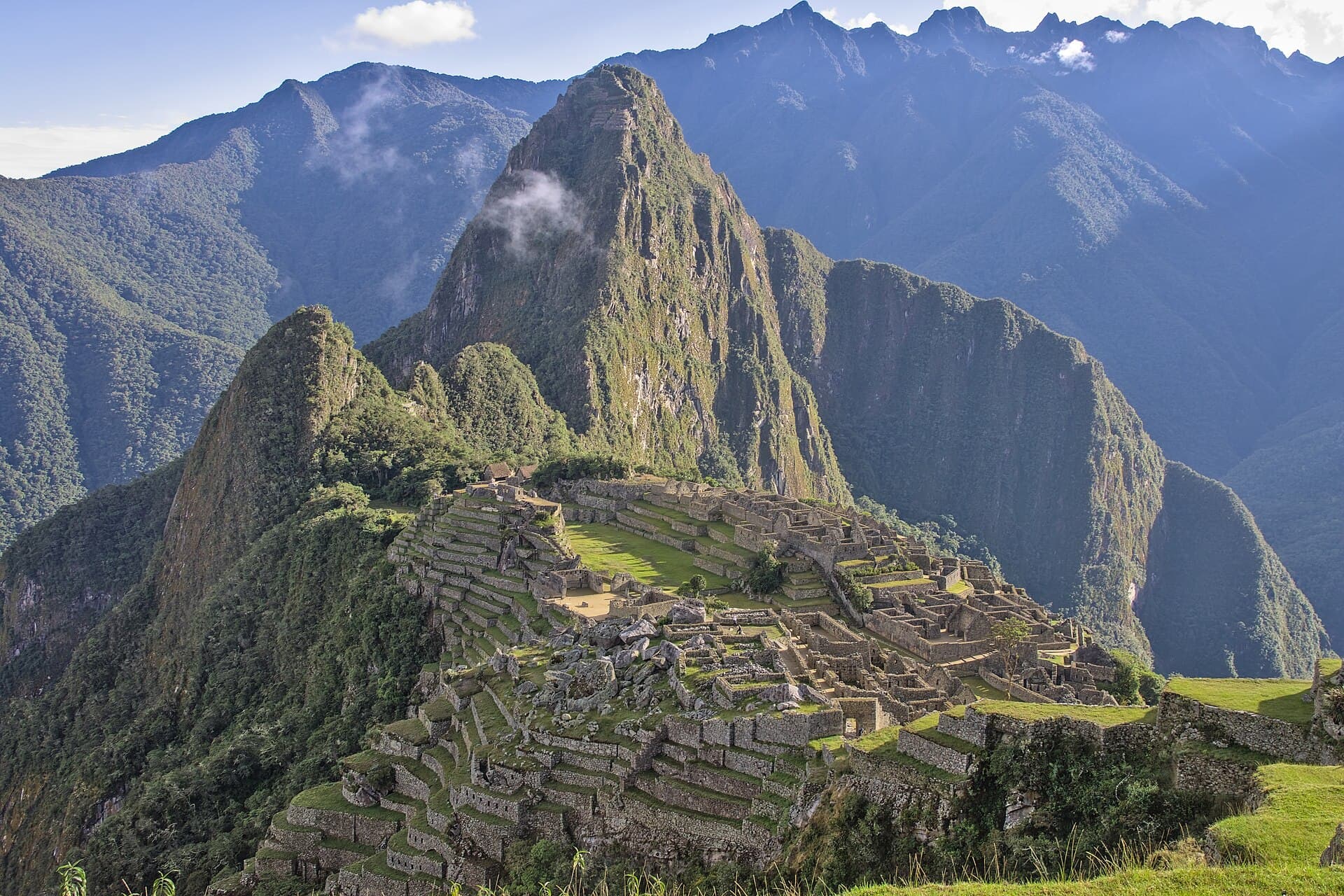 Draceane / CC BY-SA 4.0, via Wikimedia Commons
Tour de audio autoguiado de Machu Picchu — ruta GPS a pie, reproducción offline, narración en 32 idiomas.
“Más allá de la postal: secretos susurrados por piedras milenarias.”
No las postales. Las historias que ni los locales conocen — al oído, justo donde ocurrieron.
La maravilla visible de Machu Picchu es solo una parte de la historia.
A pesar de su popular apodo, Machu Picchu nunca estuvo realmente 'perdida'.
Machu Picchu ha permanecido en pie durante siglos en una zona propensa a terremotos sin mortero.
Descubre todos los secretos de Machu Picchu
Cada dirección, cada revelación al completo — a tu oído, justo donde ocurrió.
Eliges tus paradas. Caminas. La voz te revela lo que los demás ignoran.


Tu tour de audioguía por Machu Picchu te espera — elige tus lugares, tu idioma y empieza al llegar.
ComprarLume incluye una guía de realidad aumentada. Levanta el móvil y su cámara muestra la calle que tienes delante, con una flecha luminosa sobre la imagen real que siempre apunta a tu próxima parada — sin mapas que descifrar, sin giros equivocados. Como todo en Lume, funciona completamente sin conexión.
Machu Picchu, que significa 'Montaña Vieja' en quechua, es una ciudadela inca del siglo XV en los Andes peruanos. Se asienta en una cresta a 2.430 metros (7.970 pies) sobre el nivel del mar, abrazada por tres lados por el río Urubamba. Este sitio icónico se erige como una obra maestra del ingenio inca, mostrando una notable construcción de piedra seca que ha perdurado durante aproximadamente 600 años, incluso en una región propensa a terremotos.
A menudo llamada una de las Nuevas Siete Maravillas del Mundo, Machu Picchu atrae a más de 1,5 millones de visitantes anualmente, convirtiéndola en el destino turístico internacional más popular de Perú. Aunque su propósito exacto sigue siendo un tema de debate entre los historiadores, se cree ampliamente que sirvió como una finca real para el emperador inca Pachacuti. La ubicación estratégica del sitio y su diseño sofisticado reflejan el conocimiento avanzado de los incas en ingeniería, astronomía y planificación urbana.
## Construcción y Propósito Machu Picchu fue construida alrededor del año 1450 d.C., durante el reinado del emperador inca Pachacuti Inca Yupanqui, quien gobernó aproximadamente desde 1438 hasta 1471. Tomó forma en el apogeo del Imperio Inca, que en su punto máximo en los siglos XV y XVI, gobernó a unos 12 millones de personas en los Andes. El sitio fue diseñado como una finca real y un lugar ceremonial sagrado, sirviendo como escenario para que el emperador y su familia celebraran banquetes, realizaran ceremonias religiosas y gestionaran asuntos imperiales. Su ubicación fue elegida por su relación con el paisaje andino, incluyendo líneas de visión a importantes picos montañosos, conocidos como apus, que eran considerados deidades ancestrales.
## Ingeniería y Arquitectura Inca Los incas fueron maestros ingenieros, y Machu Picchu es un excelente ejemplo de sus avanzadas técnicas de construcción. Las estructuras de la ciudadela presentan muros de piedra finamente cortados que encajan perfectamente sin el uso de mortero, un método conocido como mampostería de sillar. Esta técnica permitía que los edificios resistieran los terremotos al permitir que las piedras se movieran y se reasentaran. La construcción del sitio también implicó mover enormes bloques de granito, algunos de los cuales pesaban más de 55 toneladas, por pendientes pronunciadas sin la ayuda de ruedas o animales de tiro. Más allá de las estructuras visibles, una parte significativa de la ingeniería de Machu Picchu está bajo tierra, incluyendo complejos sistemas de drenaje y cimientos.
## Abandono y Redescubrimiento Machu Picchu fue abandonada aproximadamente un siglo después de su construcción, probablemente alrededor de la llegada de los españoles a Perú a mediados del siglo XVI. Las razones exactas de su abandono no se comprenden completamente, pero las teorías incluyen un brote de viruela introducido por viajeros occidentales y la interrupción causada por la conquista española del Imperio Inca. A diferencia de muchos otros sitios incas, los conquistadores españoles nunca encontraron Machu Picchu, dejándola intacta y finalmente reclamada por la selva. Los residentes locales eran conscientes de su existencia, pero fue el historiador estadounidense Hiram Bingham III quien la dio a conocer internacionalmente en 1911.
## Reconocimiento Moderno Perú declaró Machu Picchu Santuario Histórico Nacional en 1981. En 1983, la UNESCO la designó Patrimonio de la Humanidad, reconociéndola como una "obra maestra de arte, urbanismo, arquitectura e ingeniería" y un "testimonio único" de la civilización inca. En 2007, también fue elegida como una de las Nuevas Siete Maravillas del Mundo.
Machu Picchu ofrece una variedad de experiencias más allá de la icónica vista panorámica. Dentro de la ciudadela principal, los visitantes pueden explorar el Templo del Sol, una estructura curva utilizada para observaciones astronómicas y rituales, y la Piedra Intihuatana, una roca tallada que se cree que sirvió como reloj o calendario astronómico. El Templo Principal y el Templo de las Tres Ventanas ofrecen una visión de las prácticas religiosas incas y la precisión arquitectónica.
Para aquellos que buscan una exploración más activa, varias caminatas ofrecen diferentes perspectivas de las ruinas y el paisaje circundante. Subir Huayna Picchu ofrece vistas panorámicas de toda la ciudadela, aunque los boletos son limitados y deben reservarse con mucha antelación. Alternativamente, la Montaña Machu Picchu ofrece un punto de vista aún más alto con vistas más amplias. La Puerta del Sol (Inti Punku), la entrada tradicional para quienes recorren el Camino Inca, ofrece una vista clásica del sitio, especialmente al amanecer. Explorar las Terrazas Agrícolas revela las innovadoras técnicas agrícolas incas, mientras que el Templo del Cóndor y el Grupo de la Prisión muestran intrincadas tallas de piedra.
La estación seca, de mayo a octubre, se considera generalmente el momento ideal para visitar Machu Picchu, ofreciendo cielos despejados y clima estable para fotografía y senderismo. Sin embargo, esta es también la temporada alta de turismo, especialmente junio, julio y agosto, lo que significa mayores multitudes y la necesidad de reservar boletos y alojamiento con mucha antelación.
Para un equilibrio entre clima agradable y menos visitantes, considere los meses intermedios de abril, mayo, septiembre y octubre. Abril y mayo ofrecen paisajes verdes y exuberantes después de la temporada de lluvias, mientras que en septiembre y octubre las multitudes comienzan a disminuir. La temporada de lluvias, de noviembre a marzo, trae menos visitantes y precios más bajos, pero también una mayor probabilidad de lluvia y nubosidad.
Machu Picchu se encuentra a unos 80 kilómetros (50 millas) al noroeste de Cusco, que sirve como puerta de entrada principal. La mayoría de los visitantes viajan a Aguas Calientes (Machu Picchu Pueblo) en tren desde Cusco u Ollantaytambo, luego toman un autobús hasta las ruinas. Es crucial reservar los boletos de entrada a Machu Picchu y los boletos de tren con varios meses de anticipación, especialmente durante la temporada alta, ya que hay límites diarios de visitantes. Hay diferentes circuitos de boletos, siendo el Circuito 2 a menudo recomendado para la experiencia más completa.
Machu Picchu se encuentra a una altitud más baja que Cusco (2.430 m en comparación con 3.400 m), lo que resulta en un clima más suave. Sin embargo, el mal de altura aún puede ser una preocupación, por lo que es aconsejable aclimatarse durante 2-3 días en Cusco antes de visitar. El sitio está abierto todos los días de 6 AM a 5 PM, con duraciones de visita típicas que van de 2 a 4 horas, dependiendo del circuito o caminata elegida.
Machu Picchu en coreano, en chino o en hebreo — y 29 idiomas más, cada parada narrada por una voz nativa. La mayor variedad de idiomas de cualquier audioguía autoguiada.
Disponible en: