Borobudur-Tempel
Borobudurs kunstvolle Schnitzereien erzählen Geschichten, aber eine Einzelheit wird inmitten der Erhabenheit oft übersehen.
Die ganze Geschichte wird in der Tour freigeschaltet
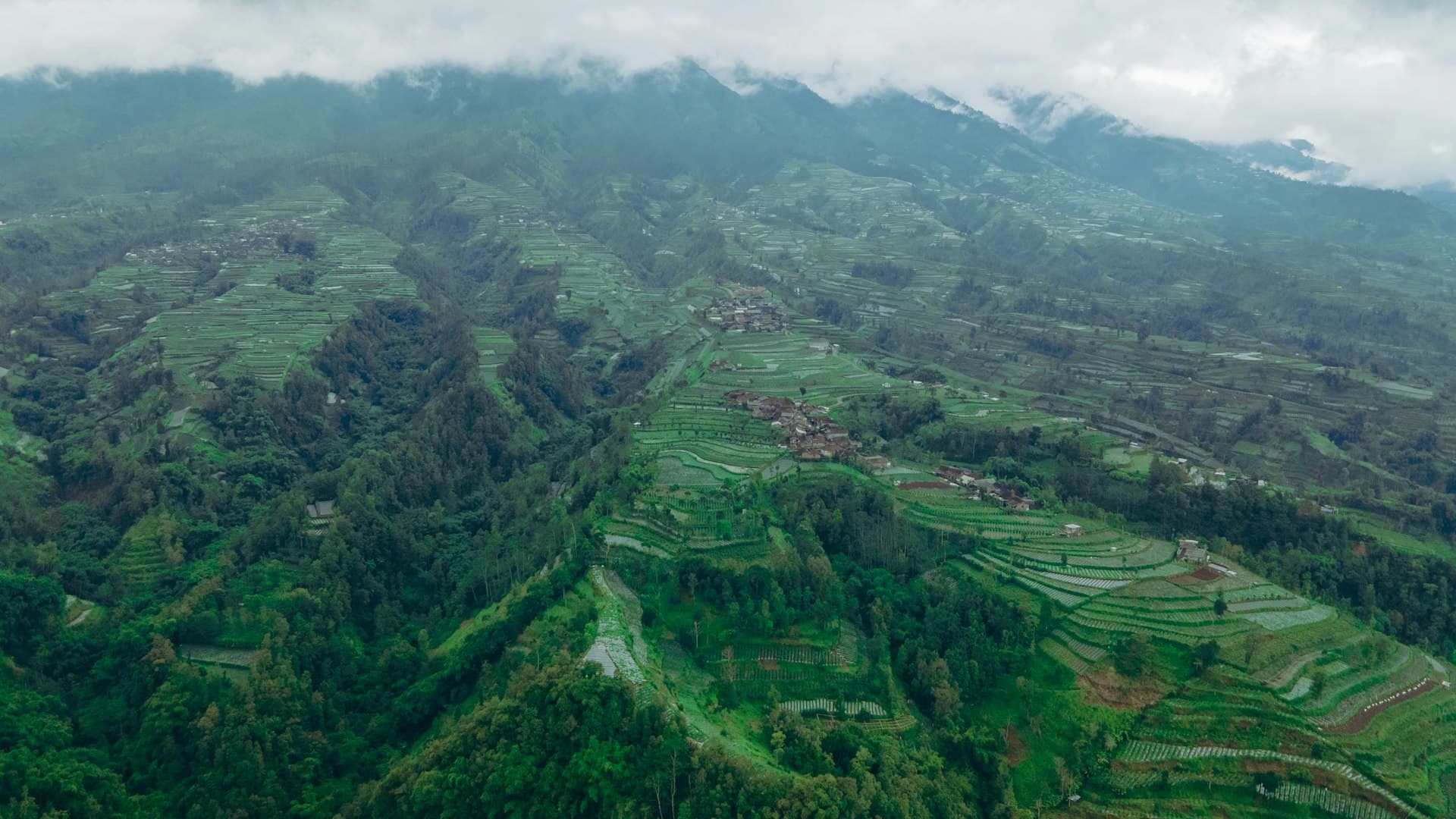 Photo: Muhammad Azzam / Unsplash
Selbstgeführte Audio-Walking-Tour durch Magelang — GPS-Route, Offline-Wiedergabe, erzählerische Narration in 32 Sprachen.
“Wo alter Stein auf vulkanische Erde und stille Bräuche trifft.”
Nicht die Postkarten. Die Geschichten, die selbst Einheimische nicht kennen – dir ins Ohr geflüstert, genau dort, wo sie geschahen.
Borobudurs kunstvolle Schnitzereien erzählen Geschichten, aber eine Einzelheit wird inmitten der Erhabenheit oft übersehen.
Dieser Hügel bietet einen berühmten Sonnenaufgangsblick auf Borobudur, doch sein lokaler Name hat eine überraschende, bodenständige Bedeutung.
Die 'Hühnerkirche' ist ein seltsamer Anblick im Dschungel, aber ihr ursprünglicher Zweck und ihre beabsichtigte Form waren ganz anders.
Entdecke jedes Geheimnis von Magelang
Jede Adresse, jede Enthüllung vollständig – in deinem Ohr, genau dort, wo es geschah.
Du wählst deine Stationen. Du gehst. Die Stimme enthüllt, was andere übersehen.


Deine selbstgeführte Audio-Tour durch Magelang ist bereit – wähle deine Sehenswürdigkeiten, deine Sprache und starte, sobald du ankommst.
KaufenLume enthält einen integrierten Augmented-Reality-Guide. Halten Sie Ihr Handy hoch: Die Kamera zeigt die Straße vor Ihnen, mit einem leuchtenden Pfeil über dem echten Bild, der immer auf Ihren nächsten Stopp zeigt — keine Karte zum Rätseln, keine falschen Abzweigungen. Wie alles bei Lume funktioniert es komplett offline.
Magelang, eine Stadt in Zentraljava, Indonesien, ist ein Ort, an dem antike Zeitleisten, natürliche Pracht und lokale Kultur zusammenlaufen. Sie liegt strategisch günstig zwischen den Städten Yogyakarta und Semarang und ist somit eine leicht erreichbare Ergänzung für jede Reiseroute durch Zentraljava. Umgeben von den majestätischen Gipfeln des Mount Merapi, Merbabu, Sumbing und Sindoro bietet Magelang ein kühleres Klima und malerische Landschaften. Obwohl oft als Tor zum ikonischen Borobudur-Tempel angesehen, hat Magelang selbst einen besonderen Reiz mit seiner ruhigen Landschaft, kulturellen Stätten und weniger Menschenmassen, was Besucher einlädt, über einen Tagesausflug hinaus eine Nacht oder zwei zu verweilen.
Der fruchtbare vulkanische Boden der Stadt hat historisch Gemeinschaften angezogen, agrarische Gesellschaften gefördert und ein Erbe beeindruckender Monumente und religiöser Stätten hinterlassen. Neben seiner historischen Bedeutung bietet Magelang Möglichkeiten für Outdoor-Aktivitäten wie Rafting auf dem Elo-Fluss und die Erkundung malerischer Aussichtspunkte. Das Stadtzentrum mit seinen traditionellen Märkten und lokalen Restaurants bietet einen authentischen Einblick in das tägliche Leben und die Möglichkeit, einzigartige javanische Aromen zu genießen.
Magelangs Geschichte reicht bis in die Antike zurück, seine offizielle Gründung wurde am 11. April 907 n. Chr. anerkannt. Es war ursprünglich als Dorf Mantyasih, heute Meteseh, bekannt, und seine frühe Bedeutung ist in drei Kupferstelen dokumentiert: Poh, Gilikan und Mantyasih. Diese Stelen, die während der Herrschaft von König Balitung vom Mataram-Königreich geschaffen wurden, erwähnen Mantyasih und Glanggang, die später zu Meteseh bzw. Magelang wurden.
Während der klassischen Periode Javas, vom 8. bis 15. Jahrhundert, war die Region Magelang Teil mächtiger Königreiche wie des Mataram-Königreichs. Diese Ära hinterließ einen unauslöschlichen Eindruck, insbesondere mit dem Bau des Borobudur-Tempels, einem UNESCO-Weltkulturerbe und einem Zeugnis der fortschrittlichen Zivilisation, die hier gedieh. Borobudur, der größte buddhistische Tempel der Welt, wurde um das 8. und 9. Jahrhundert während der Sailendra-Dynastie erbaut, einer Zeit, in der sowohl buddhistische als auch hinduistische Zivilisationen in Zentraljava harmonisch florierten.
Im 18. Jahrhundert kamen die niederländischen Kolonialmächte an, die Magelangs strategische Lage und sein landwirtschaftliches Potenzial erkannten. Die Niederländer errichteten einen Militärposten in der Stadt, und 1818 wurde Magelang zur Hauptstadt von Karesidenan Kedu. Überreste dieser Kolonialzeit, wie der Wasserturm von 1918, stehen noch heute. Nach der Unabhängigkeit Indonesiens entwickelte sich Magelang von einem Kotapraja zu einem Kotamadya oder einer Stadt und bewahrte weiterhin sein historisches Erbe, während es sich zu einem modernen städtischen Zentrum entwickelte. Die Stadt spielte auch eine Rolle als militärischer Stützpunkt für die Unabhängigkeitsbewegung Indonesiens gegen die Niederländer.
Magelang bietet eine Reihe von Sehenswürdigkeiten, von antiken Tempeln über malerische Aussichtspunkte bis hin zu kulturellen Erlebnissen. Die prominenteste Attraktion ist der Borobudur-Tempel, ein buddhistisches Monument aus dem 9. Jahrhundert und UNESCO-Weltkulturerbe. Dieser massive Tempel verfügt über neun gestapelte Plattformen, 2.672 Reliefpaneele und 504 Buddha-Statuen, mit einer zentralen Kuppel, die von 72 kleineren Stupas umgeben ist. Besucher können drei Museen im Borobudur-Gebiet erkunden: das Borobudur Museum, das Samudraraksa Ship Museum und das MURI Museum.
Für einen unvergesslichen Start in den Tag bietet der Punthuk Setumbu Hügel einen Panoramablick auf den Sonnenaufgang über dem Borobudur-Tempel, oft in Nebel gehüllt, mit dem Mount Merapi und Merbabu im Hintergrund. Eine weitere einzigartige Stätte ist Gereja Ayam oder die 'Hühnerkirche', ein unkonventionelles Gebetshaus in Form eines riesigen Vogels. Besucher können auf seine Krone klettern, um weite Ausblicke auf die Menoreh-Hügel und Borobudur zu genießen.
Erkunden Sie jenseits der Hauptsehenswürdigkeiten das Candirejo Tourism Village für ein Eintauchen in die lokale Kultur, einschließlich traditioneller Heimindustrien und kulinarischer Touren. Für Outdoor-Enthusiasten bietet der Mount Telomoyo Fahrzeugzugang zu seinem Gipfel für weite vulkanische Panoramen, während der Elo-Fluss entspannte Rafting-Erlebnisse bietet. Der Alun-Alun Kota Magelang (Stadtplatz) ist ein lebendiger Knotenpunkt mit Straßenhändlern, Essensständen und kulturellen Veranstaltungen, der einen Einblick in das lokale Leben bietet.
Die beste Zeit für einen Besuch in Magelang ist während der Trockenzeit, die von Mai bis September dauert. Diese Periode bietet klareren Himmel, bessere Sicht für Vulkanblicke und zuverlässigeres Wetter für Outdoor-Aktivitäten. Während die Regenzeit, insbesondere von November bis März, neblige Morgen und wolkenverhangene Hügel mit sich bringt und eine mysteriöse Atmosphäre schafft, verzeichnet sie auch die höchsten Niederschlagsmengen. Die Temperaturen bleiben das ganze Jahr über im Allgemeinen mild und angenehm.
Magelang ist von Großstädten wie Yogyakarta und Semarang aus erreichbar. Von Yogyakarta ist es etwa 1,5 bis 2 Stunden Fahrt und von Semarang etwa 2 bis 2,5 Stunden über die mautpflichtige Straße. Der nächstgelegene größere Flughafen ist der Adisucipto International Airport (JOG) in Yogyakarta, von wo aus Sie ein Taxi oder einen DAMRI-Bus nach Magelang nehmen können. Innerhalb Magelangs sind Transportmöglichkeiten Taxis, Becak (Rikschas), Delman (Pferdekutschen), Mietmotorräder und Angkot (Sammeltaxis). Die Anmietung eines Autos bietet mehr Flexibilität bei der Erkundung von Attraktionen außerhalb des Stadtzentrums. Beim Besuch religiöser Stätten wird bescheidene Kleidung empfohlen, und es ist üblich, die Schuhe vor dem Betreten von Häusern oder Tempeln auszuziehen.
Erwägen Sie einen Aufenthalt von zwei bis drei Tagen, um Magelangs Angebote jenseits von Borobudur, einschließlich seiner Bergblicke, kulturellen Stätten und friedlichen Landschaft, voll zu erleben.
Magelang — Koreanisch, Chinesisch, Hebräisch und 29 weitere Sprachen, jede Station von einer muttersprachlichen Stimme erzählt. Die größte Sprachauswahl aller selbstgeführten Audiotouren.
Verfügbar auf: