Within the serene walls of Makarska's Franciscan Monastery lies a surprising collection that speaks not of saints, but of the sea's profound wonders.
SKas / CC BY-SA 4.0, via Wikimedia CommonsMakarska
“Where Biokovo's peaks meet the Adriatic's embrace.”
Makarska, as no one tells it.
Not the postcards. The stories even locals don't know — whispered in your ear, right where they happened.
At the western entrance to Makarska stands a monument dedicated to Napoleon, but its original inscription told a different story—one of shifting loyalties and erased histories.
Makarska possesses Croatia's youngest observatory, a place where the cosmos is explored, but its foundation holds a poignant, earthly history.
Discover every secret of Makarska
Every address, every reveal in full — in your ear, right where it happened.
You pick your stops. You walk. The voice reveals what the others miss.
How long do you have in Makarska?
No tours available yet. Check back soon — we're preparing them.
The story of Makarska
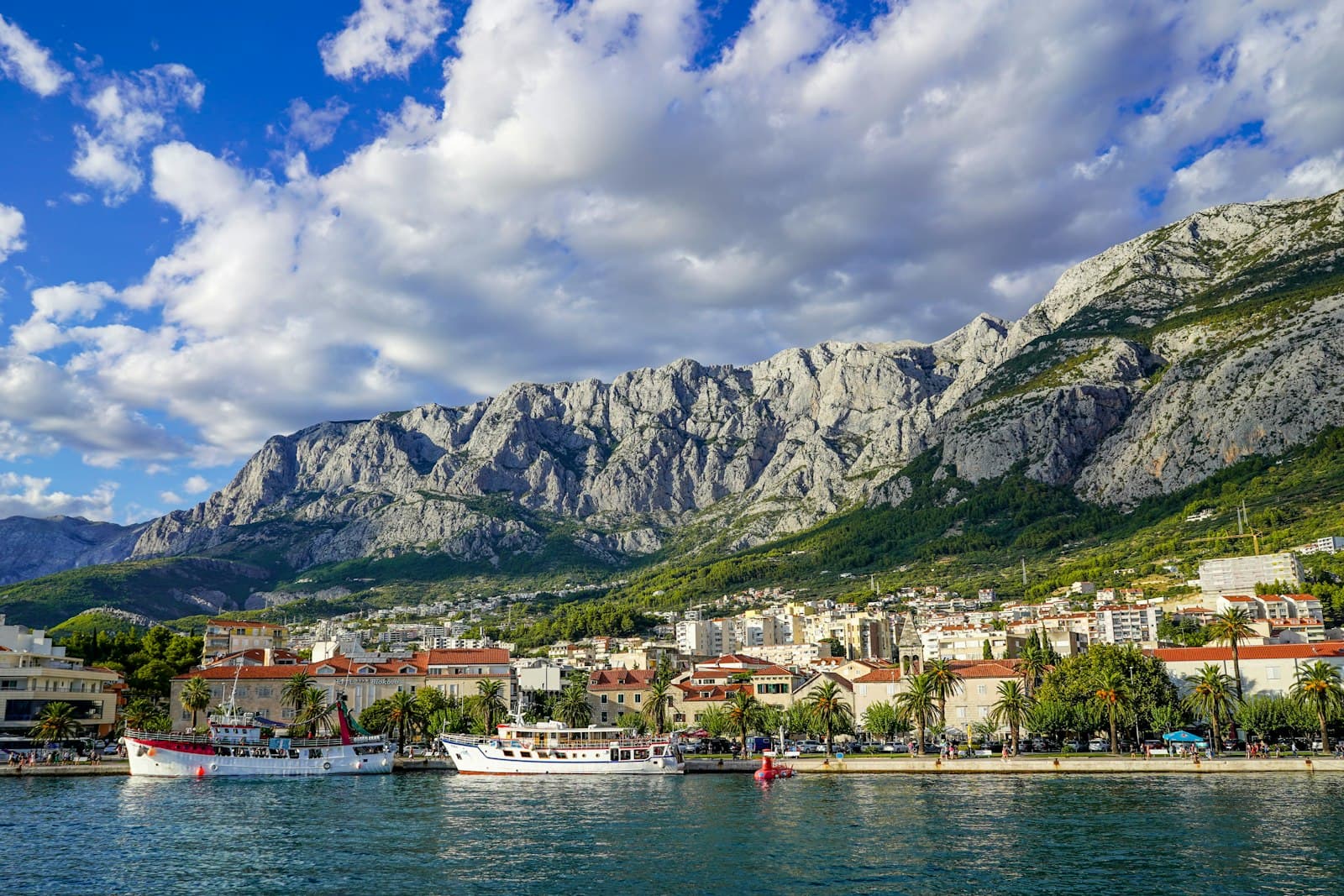
Makarska is a coastal town in southern Croatia, set between the grand Biokovo mountain range and the clear waters of the Adriatic Sea. It serves as the heart of the Makarska Riviera, a picturesque stretch of coastline known for its pebbly beaches and lively atmosphere. This port town offers a blend of natural splendor, cultural heritage, and spirited entertainment, making it a favored destination for families and those seeking outdoor activities.
The town's dramatic setting, where rugged mountains rise almost directly from the coastline, provides a striking contrast that appeals to both beach lovers and nature enthusiasts. Makarska's palm-lined promenade, or Riva, is a central hub of activity, with cafes, bars, and boutiques overlooking the harbor. From here, visitors can observe fishing boats in the morning or luxury yachts in the evening, capturing the essence of the Riviera.
## Ancient Roots and Shifting Powers Makarska's history stretches back to ancient times, with archaeological findings suggesting human presence as early as 6000 BC. The Illyrians founded a settlement called Muccurum in the 4th century BC. In the 7th century, Slavs arrived, establishing the Neretva Principality with Mokro (today's Makarska) as its center. These new inhabitants were known for their fishing skills and as pirates who often charged Venetian ships for passage through the Adriatic.
## Venetian, Ottoman, and Napoleonic Influences Over the centuries, Makarska experienced rule by various empires, each leaving an imprint on its architecture and customs. The town was under Venetian rule from 1452, then fell to the Turks in 1499, who developed it as an important Adriatic port and built a fortress in 1568. Venetian control was re-established in 1646, lasting until the fall of their empire in 1797. The Baroque city core, visible in the Old Town, dates from this Venetian period.
The early 19th century brought French rule under Napoleon (1806-1813), a period that saw significant growth and development, including the construction of roads connecting Makarska to other coastal cities. Croatians also gained more rights during this time. However, with the arrival of the Austrians in 1813, an Italianization process was enforced, and Italian became the main language.
## The Dawn of Tourism Tourism began to develop in the early 20th century, with Makarska's first hotel built in 1914. The town's popularity as a tourist destination truly expanded in the 1960s and 1970s during the Yugoslav era. Today, Makarska continues to be a prominent destination, balancing its protected natural beauty, cultural heritage, and lively offerings.
Begin your exploration in Kačić Square (Trg Andrije Kačića Miošića), the town's main square, dominated by St. Mark's Cathedral and a monument to the poet Andrija Kačić Miošić. Nearby, stroll through Kalalarga Street, Makarska's oldest thoroughfare, with its Baroque architecture and local art galleries.
For a unique experience, visit the Franciscan Monastery, which dates back to 1502. In its basement, you will find the Malacological Museum, showcasing a vast collection of seashells. The Makarska Observatory, located on Glavica Hill, offers stargazing opportunities, especially during summer evenings.
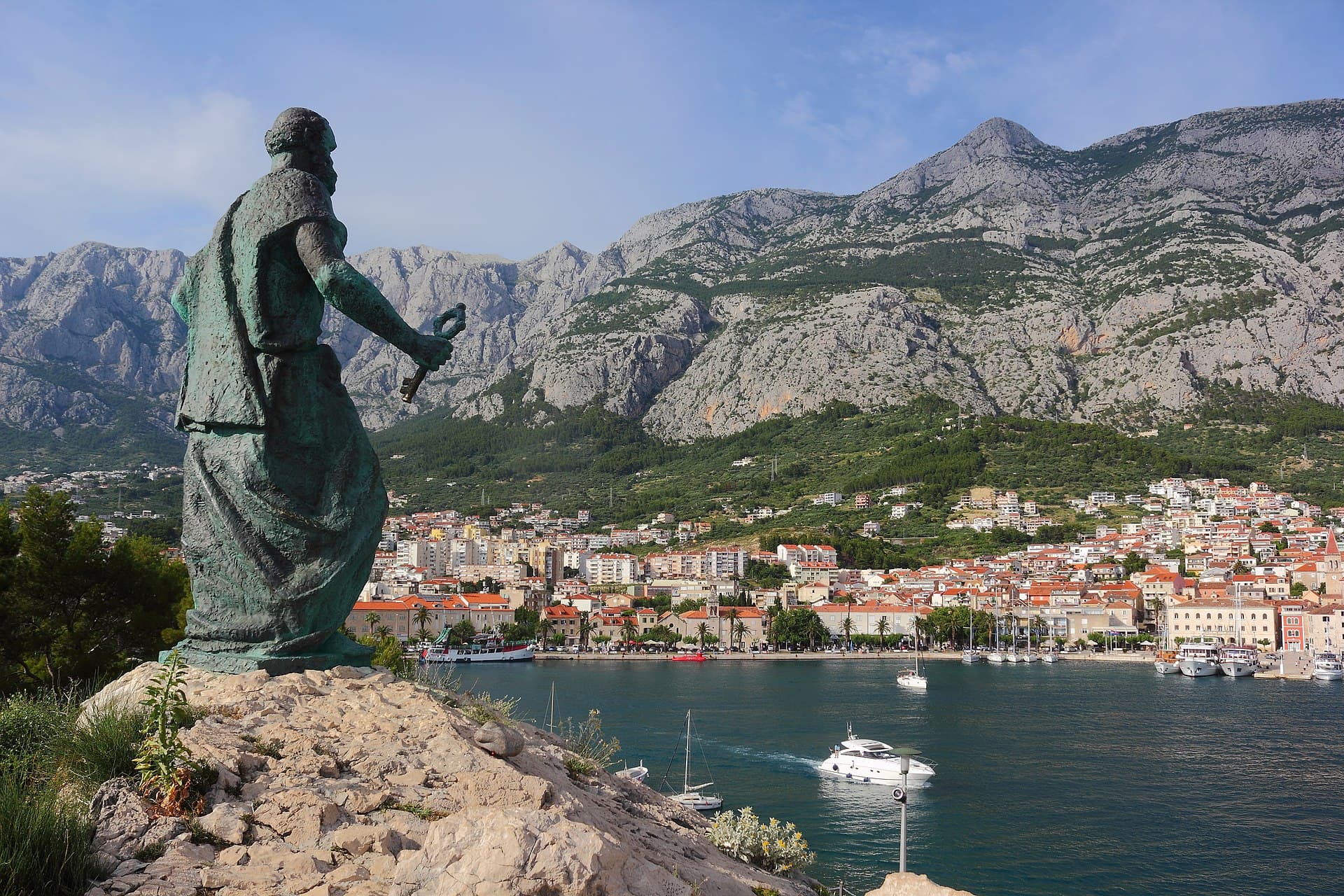
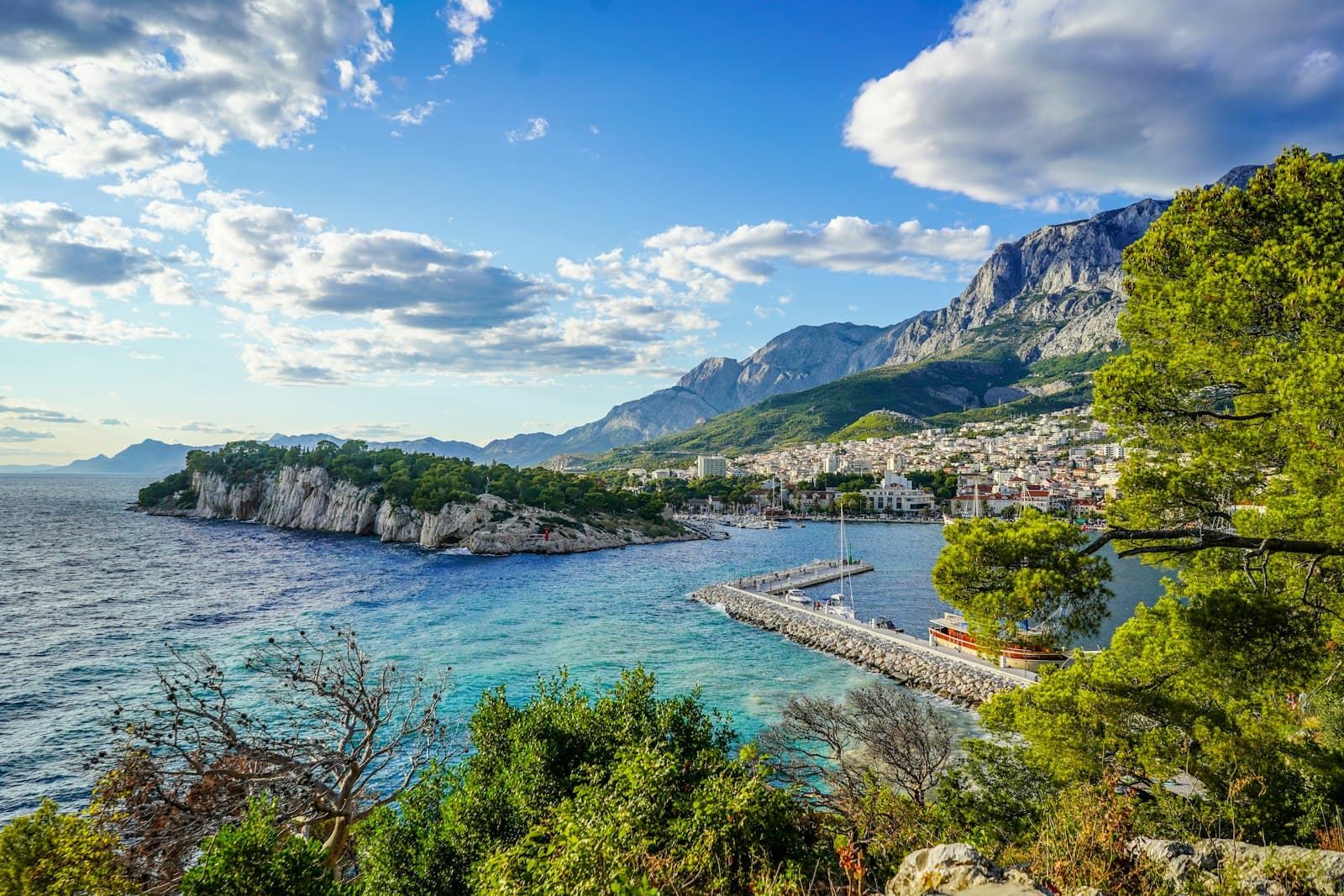
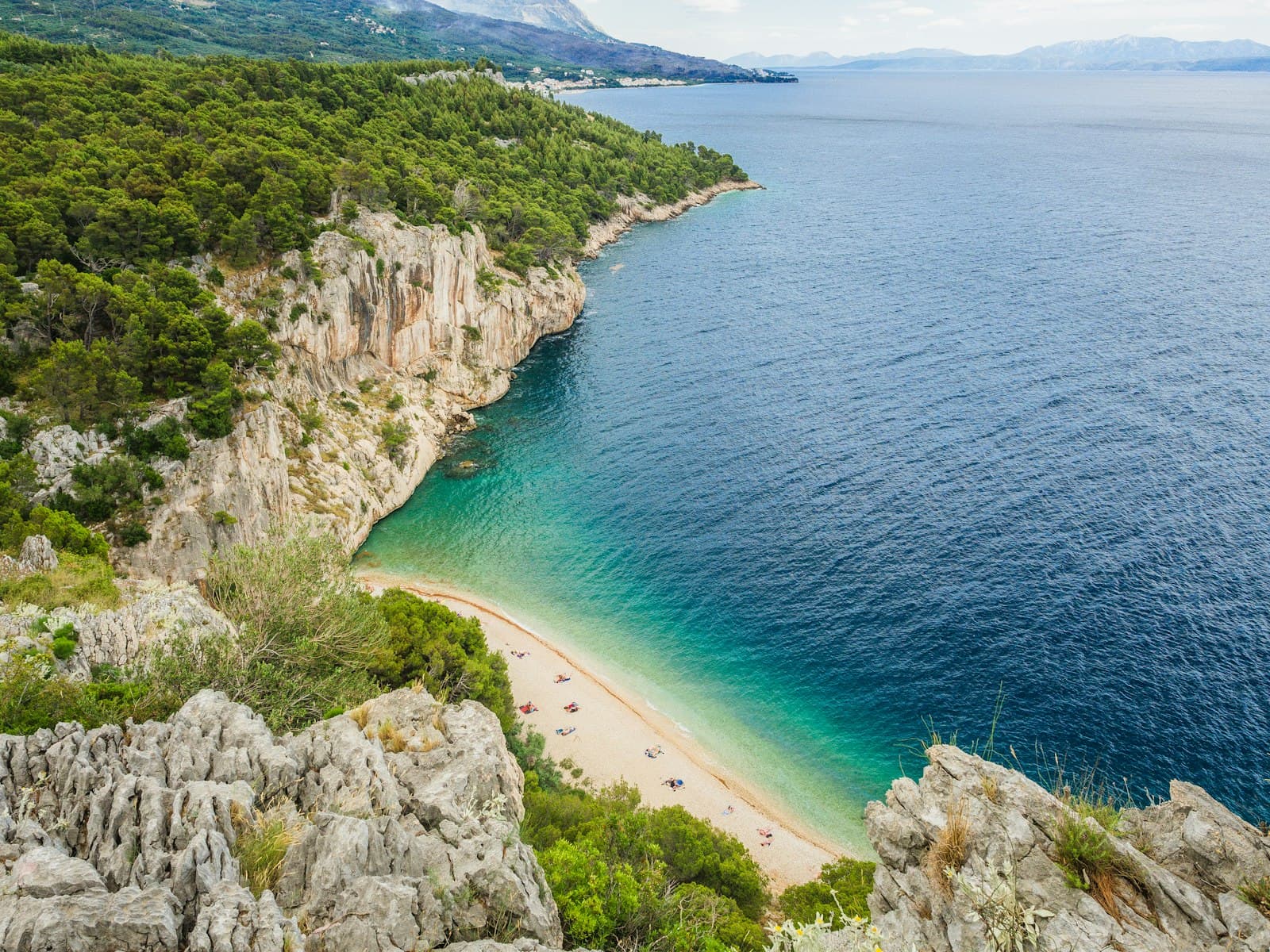
Nature lovers should head to the Biokovo Nature Park, which rises dramatically behind the town. The Skywalk Biokovo, a horseshoe-shaped glass-bottomed viewpoint at 1228 meters above sea level, provides wide-ranging views of the Adriatic and surrounding islands. For a more relaxed natural escape, walk or cycle through Osejava Forest Park, which connects Makarska with Tučepi and leads to secluded beaches like Nugal Beach. Do not miss the St. Peter Peninsula, offering scenic trails, a lighthouse, and the Church of St. Peter.
The best time to visit Makarska is generally from June to September, when the weather is warm and ideal for swimming and outdoor activities. July and August are the hottest months, with temperatures often exceeding 30°C, and the sea is at its warmest. However, these months also see the largest crowds and higher prices.
For those who prefer a quieter experience with pleasant temperatures, the shoulder months of May, June, and September are recommended. In May and October, the weather is still sunny and mild, though the sea might be cooler, and many tourist attractions and restaurants remain open. September, in particular, offers warm sea temperatures with fewer visitors.
Makarska is located in central Dalmatia, approximately 60 km south of Split and 220 km north of Dubrovnik. The closest airport is Split Airport, from which you can take a bus to downtown Split Bus Station and then a connecting bus to Makarska. During summer, a catamaran service also runs from Split to Makarska, with stops in Bol on Brač island. Makarska is well-connected by modern roads, including the A1 highway from Zagreb.
Within Makarska, the town is compact enough to explore on foot, especially the Old Town and the promenade. Public transportation options are available for reaching surrounding areas. Many hotels and restaurants offer free Wi-Fi, though you may need to ask for a password. When paying, it is often more advantageous to choose to be charged in the local currency (Euro) rather than your home currency to avoid higher fees.
- What is Makarska known for?
- Makarska is known for its dramatic natural setting, where the Biokovo mountain range meets the Adriatic Sea, offering beautiful pebbly beaches, a lively seafront promenade, and spirited nightlife.
- Are there sandy beaches in Makarska?
- While Makarska is famous for its beaches, there are no natural sandy beaches. The beaches are primarily pebbly, with some areas featuring very fine pebbles that can feel like sand.
- Is Makarska expensive for tourists?
- Generally, Makarska is considered less expensive than larger Dalmatian cities like Dubrovnik or Split, with prices comparable to other smaller coastal towns in Croatia.
- How many days are enough to visit Makarska?
- While the Old Town can be explored in a few hours, budgeting 2-3 days allows time to relax on the beaches and explore the nearby Biokovo Mountains. For a more relaxed holiday with day trips, a week is recommended.
- Can you hike Biokovo Mountain from Makarska?
- Yes, experienced hikers can undertake the challenging 6-8 hour climb to Biokovo Mountain from Makarska. A more accessible option for others is to drive up to the Skywalk viewpoint.
- Is Makarska family-friendly or better for nightlife?
- Makarska caters to both families and those seeking nightlife. It is family-friendly due to its safe, shallow beaches, while also offering a lively atmosphere with numerous bars and clubs.